How Hunt Funeral Home Life Insurance Can Cover Funeral Costs
Life insurance covers Hunt Funeral Home costs through a process called an insurance assignment. The policy beneficiary signs a legal document directing the insurance provider to pay the funeral home directly from the death benefit. Thi...
Life insurance covers Hunt Funeral Home costs through a process called an insurance assignment. The policy beneficiary signs a legal document directing the insurance provider to pay the funeral home directly from the death benefit. This allows Hunt Funeral Home to begin services immediately without requiring the family to pay the full balance out-of-pocket upfront.
Contents
Planning for the inevitable involves both emotional and financial preparation. When a loved one passes, the immediate concern is often how to fund the memorial and final disposition services. For families working with Hunt Funeral Home—a name associated with several established funeral service providers, such as those in Bradford and Lewisburg, Tennessee—understanding the intersection of life insurance and funeral expenses is critical. In 2026, the cost of a traditional funeral continues to rise, making the efficient utilization of life insurance policies more important than ever for maintaining financial stability during a time of grief.
The Mechanism of Insurance Assignment at Hunt Funeral Home
The most common way life insurance is used to cover funeral costs is through an Assignment of Benefits (AOB). Most families do not have $10,000 to $15,000 in liquid cash readily available the moment a death occurs. Furthermore, insurance companies can take weeks or even months to process a standard death claim and issue a check to the beneficiary.
Hunt Funeral Home facilitates the "assignment" process to bridge this gap. Here is how the technical mechanism works:
- Verification: The funeral director contacts the insurance company to verify that the policy is "in force" (active), has sufficient death benefit value to cover the selected services, and is past the "contestability period" (usually the first two years of the policy).
- Documentation: The beneficiary signs an assignment form. This is a legal contract stating that a specific dollar amount of the life insurance payout is to be sent directly to Hunt Funeral Home for services rendered.
- The Clearinghouse: Many funeral homes use third-party funding companies to expedite this. These companies "buy" the assignment from the funeral home, providing the home with immediate funds to cover the service costs, and then the funding company waits for the insurance provider to reimburse them.
- The Residual Payout: Once the funeral home is paid, the remaining balance of the life insurance policy is paid out to the named beneficiaries by the insurance company.
This process is beneficial because it treats the life insurance policy like a line of credit, ensuring that the funeral home can proceed with the viewing, service, and burial or cremation without delay.
Types of Life Insurance Policies Accepted
Not all life insurance policies are created equal, and their utility at Hunt Funeral Home depends on their structure. In 2026, there are four primary types of coverage typically used to fund final arrangements.
1. Final Expense or "Burial Insurance"
These are small whole-life policies, typically with face values between $5,000 and $25,000. They are specifically designed for end-of-life costs. Because these policies are simplified-issue or guaranteed-issue, they are common among seniors. Hunt Funeral Home frequently processes these because they are straightforward and rarely involve complex beneficiary disputes.
2. Group Life Insurance (Employer-Provided)
Many individuals have life insurance through their employer. While these policies are valid, they can be more difficult to assign. Employer-sponsored plans are governed by federal ERISA laws, and some companies have "anti-assignment" clauses. Hunt Funeral Home staff will need to review the specific summary plan description to ensure the benefits can be directed to the funeral home.
3. Term Life Insurance
Term insurance provides a high death benefit for a low premium but only for a specific period (e.g., 20 years). If the policy is active at the time of death, it can be used for funeral costs. However, these policies are the most likely to have lapsed, so verification is the first priority.
4. Whole Life and Universal Life
These permanent policies build cash value over time. They are excellent for funeral funding because they do not expire as long as premiums are paid. At Hunt Funeral Home, families often use a portion of a large whole-life policy for the funeral, leaving the majority of the funds for the surviving spouse’s living expenses.
Understanding the "Contestability Period"
One of the most significant hurdles in using life insurance for funeral costs is the contestability period. Under most state insurance laws, if a policy is less than two years old at the time of the insured's death, the insurance company has the right to investigate the original application for "material misrepresentations."
If a policy is still in its contestable period, Hunt Funeral Home—and most other funeral providers—may be unable to accept it as an assignment. This is because there is a risk the insurance company will deny the claim after the funeral has already taken place. In these instances, the family may need to pay for the funeral via other means and seek reimbursement from the insurance company once the claim is cleared.
Comparing Funding Options at Hunt Funeral Home
When deciding how to allocate life insurance or other funds, it is helpful to compare the different financial vehicles available in 2026.
| Funding Method | Direct Payout Speed | Acceptance at Hunt Funeral Home | Risk Factor |
|---|---|---|---|
| Insurance Assignment | Immediate (via funding) | High | Low (if policy is >2 years old) |
| Pre-Paid Contract | Guaranteed | High | None (funds are already held) |
| Cash / Credit Card | Instant | High | High (financial strain on family) |
| Payable-on-Death (POD) | 5–10 Business Days | Medium | Medium (bank delays) |
The Role of Pre-Need Insurance
While many people use "at-need" life insurance (policies they already owned), Hunt Funeral Home also offers Pre-Need Insurance. This is a policy specifically written to fund a pre-arranged funeral contract.
In this scenario, the individual meets with a funeral director at Hunt Funeral Home years in advance to select their casket, service type, and other details. The total cost is calculated, and a specialized life insurance policy is purchased for that exact amount. Often, these policies are "growth-sensitive," meaning the death benefit increases over time to keep pace with inflation. This ensures that the $10,000 funeral planned in 2026 is still fully covered if the death occurs in 2040, even if prices have risen.
Steps to Take After a Death Occurs
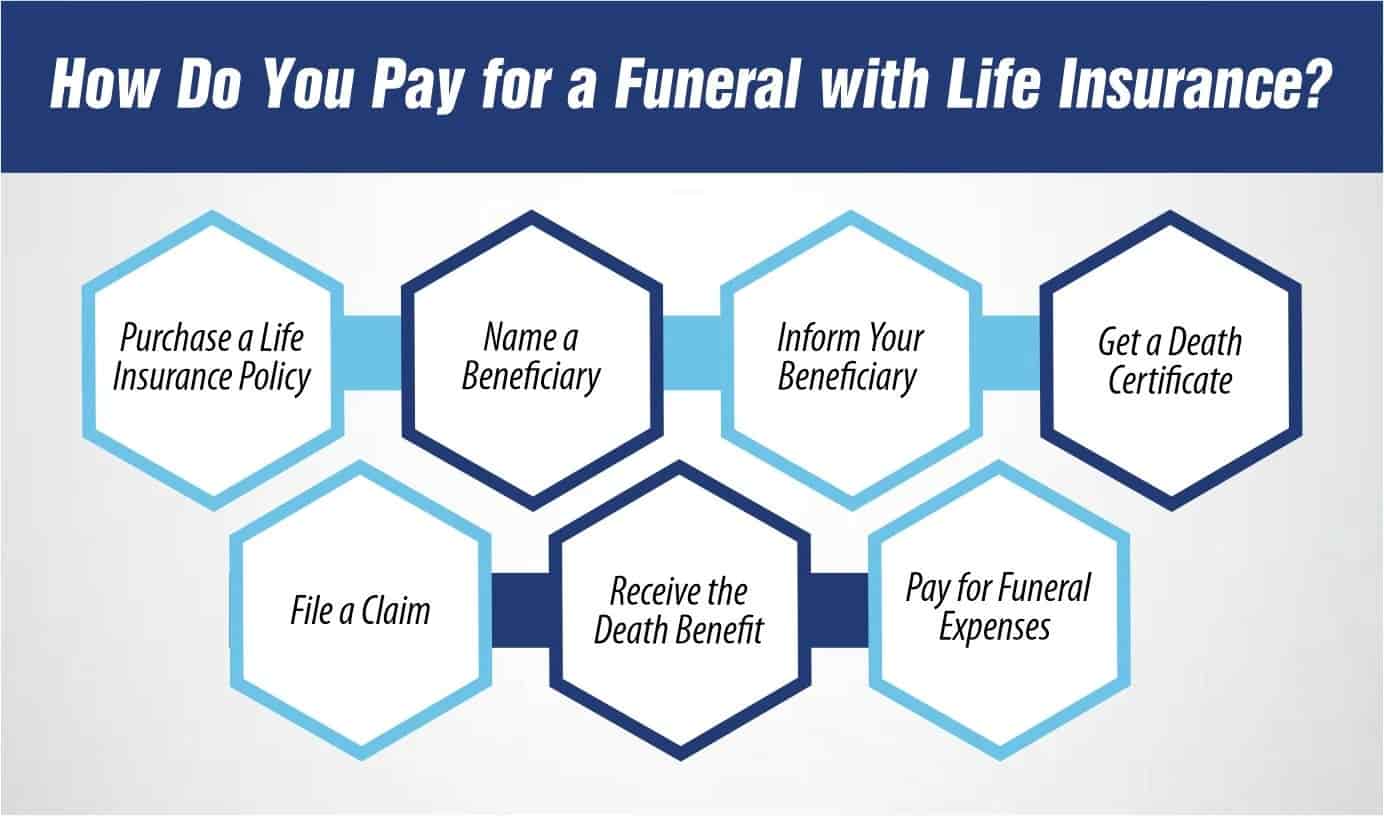
If you are the beneficiary of a life insurance policy and wish to use it at Hunt Funeral Home, follow these steps to ensure a smooth transition:
- Locate the Policy: Find the physical policy document or the most recent premium statement. You will need the policy number, the full name of the insured, their Social Security number, and the name of the insurance company.
- Notify the Funeral Director: Inform Hunt Funeral Home during the initial arrangement conference that you intend to use life insurance. Provide them with the policy details immediately.
- Do Not File the Claim Yet: If you file the claim yourself before talking to the funeral home, you may inadvertently prevent the "assignment" process. The funeral home needs to file the assignment paperwork with the claim to ensure they receive the service portion of the funds.
- Provide the Death Certificate: The insurance company will require a certified copy of the death certificate. Hunt Funeral Home typically orders these on behalf of the family from the local registrar or health department.
- Review the Surplus: Once the insurance company processes the assignment, they will issue a check to the funeral home for the bill and a separate check to you for the remainder. Verify these amounts against the final statement of funeral goods and services.
Common Challenges in 2026
Despite the efficiency of the assignment process, certain issues can arise. Beneficiary disputes are a primary concern; if the policy lists an ex-spouse or multiple children who cannot agree, the insurance company will "interplead" the funds (hold them in court), and the funeral home cannot accept the assignment.
Additionally, if the policy was used as collateral for a loan or if there are outstanding policy loans, the "net death benefit" might be lower than the face value. Hunt Funeral Home's verification process is designed to uncover these issues before the service begins to avoid financial surprises for the family.
Frequently Asked Questions
Can I use a life insurance policy if I am not the named beneficiary?
No. Only the legal beneficiary named on the policy has the right to assign those funds to Hunt Funeral Home. If you are the executor of the estate but not the beneficiary, you cannot use the life insurance money for the funeral unless the estate itself is named as the beneficiary.
What if the life insurance policy is smaller than the funeral bill?
If the policy is insufficient, Hunt Funeral Home will apply the entire insurance payout to the balance and require the family to pay the remaining difference using another method, such as cash, check, or credit card, before the services are finalized.
Is there a fee for using an insurance assignment?
Many funeral homes or their third-party funding partners charge a small processing fee (often a percentage of the assigned amount or a flat fee) to cover the costs of verification and the immediate advancement of funds. This fee is usually deducted from the insurance payout.
How long does it take for Hunt Funeral Home to be paid?
Through an assignment and a funding company, the funeral home typically receives its funds within 24 to 48 hours of verification. However, the beneficiary’s portion of the money may take several weeks to arrive, depending on the insurance company's processing speed.
Can Hunt Funeral Home help me find a lost policy?
While funeral directors are experts at processing claims, they do not have a national database to find "lost" policies. Families should use tools like the National Association of Insurance Commissioners (NAIC) Life Insurance Policy Locator Service to find missing coverage.
Summary of Next Actions
To ensure that life insurance effectively covers costs at Hunt Funeral Home, beneficiaries should prioritize transparency and speed. Gather all policy documentation immediately and present it to the funeral director during the first meeting. Avoid filing the claim independently until the assignment paperwork is prepared. By leveraging the expertise of the funeral home’s administrative staff, you can ensure that the financial aspects of the memorial are handled professionally, allowing your family to focus on honoring the memory of your loved one.
Image Gallery