How to Jump Start a Hyundai Elantra: A Comprehensive Technical Guide
To jump-start a Hyundai Elantra, connect the red positive (+) cable to the discharged battery's positive terminal, then the other red end to the donor battery’s positive terminal. Connect the black negative (-) cable to the donor’s neg...
To jump-start a Hyundai Elantra, connect the red positive (+) cable to the discharged battery's positive terminal, then the other red end to the donor battery’s positive terminal. Connect the black negative (-) cable to the donor’s negative terminal and the final black end to a solid, unpainted metal ground point on the Elantra's engine block.
Contents
A dead battery is one of the most common roadside issues for vehicle owners, and while the Hyundai Elantra is renowned for its reliability, electrical demands or simple human error—such as leaving an interior light on—can leave you stranded. As of 2026, modern Elantra models feature complex electronic control units (ECUs) and sensitive sensors, making it imperative to follow a precise sequence to avoid costly electrical damage. Whether you are driving a traditional internal combustion engine (ICE) model or a modern Hybrid (HEV) variant, understanding the specific requirements of your vehicle's electrical system is the first step toward a successful recovery.
Prerequisites and Necessary Equipment
Before attempting to jump-start your vehicle, you must ensure you have the correct tools and that the environment is safe for electrical work. Attempting a jump-start with damaged equipment can lead to electrical arcs, battery explosions, or permanent damage to the vehicle’s alternator.
1. High-Quality Jumper Cables
Not all jumper cables are created equal. For a vehicle like the Hyundai Elantra, you should use cables that are at least 4-gauge or 6-gauge. Thinner cables (higher gauge numbers like 10 or 12) may struggle to carry the necessary amperage to turn over the starter motor, especially in colder 2026 winter temperatures. Ensure the clamps are clean and the insulation is free of cracks or exposed wiring.
2. A Functional Donor Vehicle or Portable Power Pack
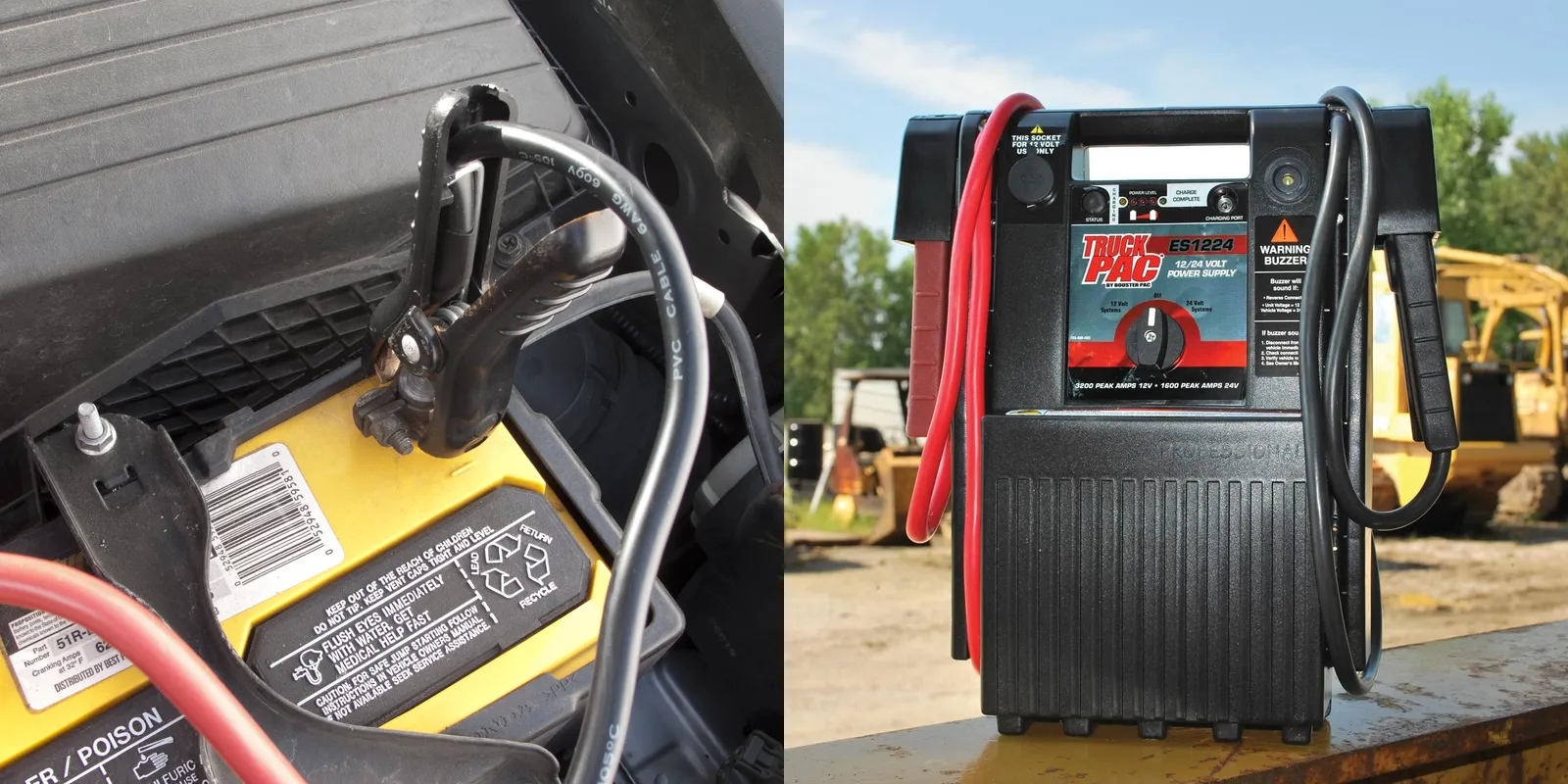
If using a donor vehicle, its battery should have a voltage rating similar to the Elantra's (typically a 12-volt system). Do not attempt to jump-start a car using a motorcycle or a heavy-duty truck with a 24-volt system, as this will immediately fry the Elantra’s electronics. Alternatively, a portable lithium-ion jump starter pack is a safer and more convenient option, as many modern units include reverse-polarity protection.
3. Safety Gear
While often overlooked, wearing safety glasses and work gloves is highly recommended. Lead-acid batteries contain sulfuric acid and can vent flammable hydrogen gas during the charging process. A single spark in the wrong place can lead to a dangerous situation.
Preparing the Vehicles
Proper positioning and preparation are essential to prevent the vehicles from touching, which could create an unintended ground circuit.
- Positioning: Park the donor vehicle close enough to the Elantra so the cables reach comfortably without being taut. Ensure the vehicles are not touching.
- Ignition Off: Turn off the ignition on both vehicles. For the Elantra, ensure the gear shifter is in Park (P) for automatic transmissions or Neutral for manual versions, and engage the parking brake firmly.
- Electrical Loads: Turn off all lights, climate control systems, radio, and heated seats in both cars. This ensures that all available amperage from the donor battery goes directly to the Elantra’s starter motor rather than being diverted to accessories.
- Locating the Battery: In most Hyundai Elantra generations (such as the AD and CN7 platforms), the battery is located in the front engine compartment on the driver’s side. Lift the plastic cover over the positive terminal (marked with a red '+' sign) to expose the metal post.
Step-by-Step Jump-Starting Procedure for ICE Models
Following the "Red to Dead, Red to Donor" sequence is the industry-standard method for minimizing spark risks near the battery.
Step 1: Connect the Positive Terminals
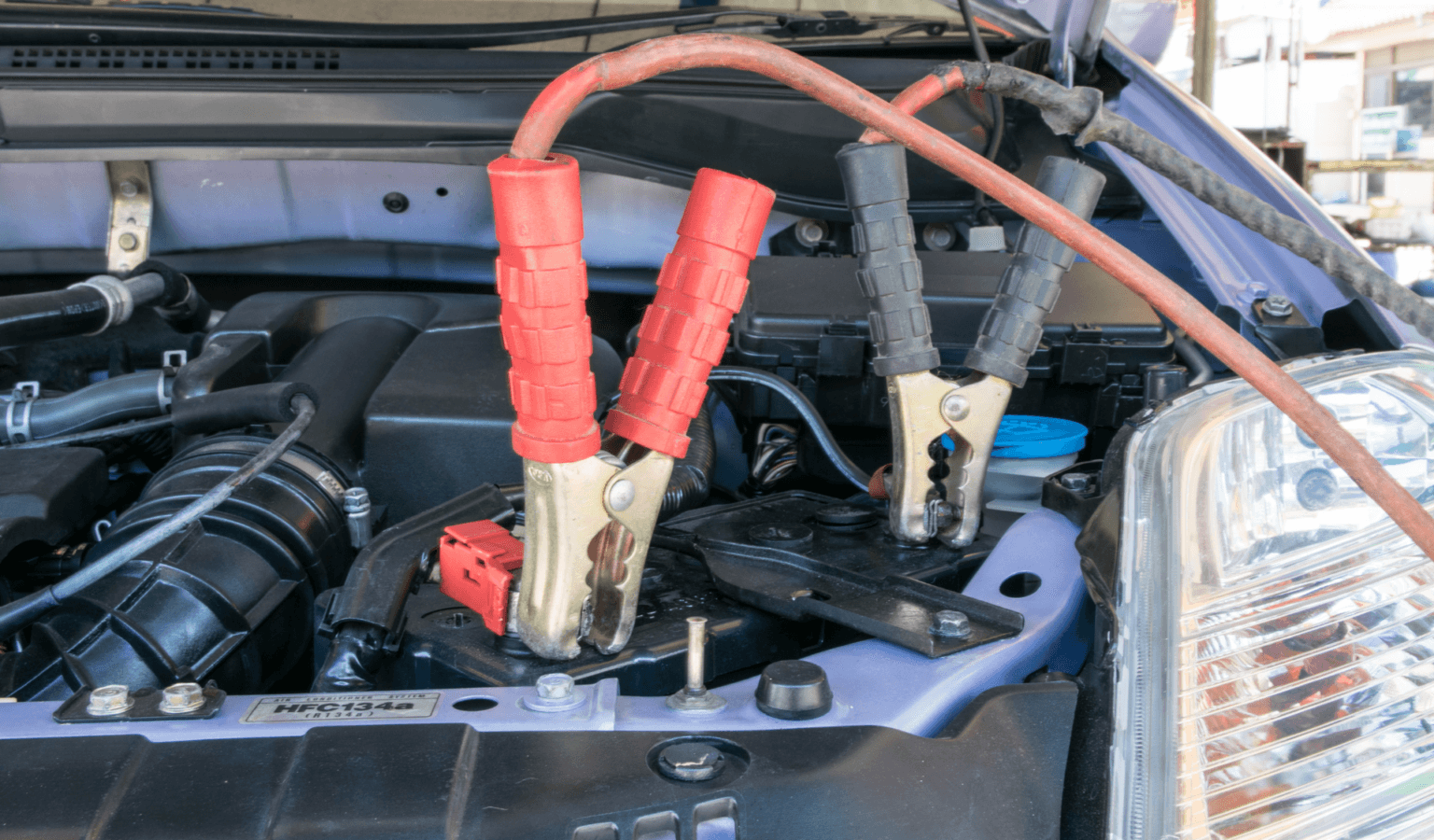
Take the red cable and attach one clamp to the positive (+) terminal of the dead battery in the Elantra. Ensure the clamp has a firm grip on the metal terminal. Attach the other end of the red cable to the positive (+) terminal of the donor vehicle's battery.
Step 2: Connect the Donor Negative Terminal
Take the black cable and attach one clamp to the negative (-) terminal of the donor vehicle’s battery.
Step 3: Establish a Ground Point
This is the most critical safety step. Do not connect the remaining black clamp to the negative terminal of the dead battery. Doing so can cause a spark that ignites hydrogen gas. Instead, attach the clamp to a solid, unpainted metal part of the Elantra’s engine block or a dedicated grounding bolt on the chassis. Look for a heavy metal bracket away from moving parts like fans or belts.
Step 4: Start the Donor Vehicle
Start the engine of the donor vehicle and let it idle for 3 to 5 minutes. This allows the donor's alternator to provide a "surface charge" to the dead battery, making the eventual start-up easier on both vehicles' electrical systems.
Step 5: Start the Hyundai Elantra
Attempt to start the Elantra. if it doesn't start immediately, wait another few minutes and try again. Once the engine is running, do not turn it off immediately.
Step 6: Disconnecting the Cables
Remove the cables in the exact reverse order they were attached:
- Remove the black clamp from the Elantra's ground point.
- Remove the black clamp from the donor battery.
- Remove the red clamp from the donor battery.
- Remove the red clamp from the Elantra's battery.
The Hybrid Exception: 12V Battery Reset Button
If you own a Hyundai Elantra Hybrid (HEV) produced between 2021 and 2026, you may not need a donor vehicle at all. Many of these models utilize a consolidated Lithium-ion battery system where the 12V starter battery is integrated into the high-voltage battery pack.
Hyundai equipped these models with a "12V Battery Reset" button, usually located to the left of the steering wheel on the lower dashboard. If your Hybrid fails to start due to a discharged 12V system:
- Ensure the vehicle is in Park.
- Press the "12V Battery Reset" button.
- Within 15 seconds, start the vehicle by pressing the Brake and the Start button.
- Once started (the "Ready" light will appear), keep the vehicle running or drive it for at least 30 minutes to allow the high-voltage system to recharge the 12V portion.
If the reset button does not work, the vehicle can still be jump-started using the jump points located under the hood, following the same procedure as the ICE models.
Comparison of Jump-Starting Methods
| Feature | Standard Jumper Cables | Portable Lithium Jump Starter | 12V Battery Reset (Hybrids) |
|---|---|---|---|
| Requirements | Second vehicle & driver | Pre-charged portable unit | No external equipment |
| Risk of Error | Moderate (Incorrect sequence) | Low (Internal safety chips) | Negligible |
| Speed | 5–10 minutes | 2 minutes | < 30 seconds |
| Reliability | Depends on donor battery | High (if charged) | High (if HV battery has life) |
| Cost | $20 - $50 | $60 - $150 | Included with vehicle |
Troubleshooting Common Issues
If the Elantra fails to start even after a jump-start attempt, several factors could be at play:
- Corroded Terminals: If you see white, crusty powder on the battery terminals, it acts as an insulator. Clean the terminals with a wire brush or a baking soda and water solution before connecting cables.
- Poor Grounding: If the lights on the dashboard flicker but the engine doesn't crank, the ground connection (the final black clamp) may not be making sufficient contact with the metal. Try a different unpainted bolt.
- Total Battery Failure: If the battery has an internal short or a dead cell, no amount of jumping will keep it running. If the car dies the moment you disconnect the cables, the alternator may be faulty, or the battery can no longer hold a charge.
- Immobilizer Issues: Occasionally, a total loss of power can cause the Hyundai security system to "forget" the key fob. If the car cranks but won't fire, try locking and unlocking the doors with the physical key to reset the immobilizer.
Post-Jump Maintenance and Next Steps
Once your Hyundai Elantra is running, your job isn't finished. A battery that has been fully discharged has undergone chemical stress.
- Drive for 30 Minutes: The vehicle’s alternator needs time to replenish the battery. Driving at highway speeds is more effective than idling, as the alternator output is higher at higher RPMs.
- Test the Battery: Visit a local automotive service center to have a "load test" performed. This test determines if the battery can still hold its rated Cold Cranking Amps (CCA). In 2026, most auto parts stores provide this service for free.
- Check the Charging System: If this is the second time your battery has died in a short period, have the alternator tested. A failing alternator will not charge the battery while you drive, leading to repeated breakdowns.
- Battery Replacement: Most lead-acid batteries last 3 to 5 years. If your Elantra is an older model and still on its original battery, it is likely time for a replacement. Ensure you purchase the correct Group Size (usually Group 47/H5 or 48/H6 for newer Elantras) as specified in your owner's manual.
Frequently Asked Questions
Can jump-starting damage my Elantra’s computer? Yes, if done incorrectly. Modern Hyundais are essentially computers on wheels. Connecting cables in the wrong order or accidentally touching the red and black clamps together can cause a voltage surge that fries the Engine Control Module (ECM). Always follow the "grounding to the engine block" rule to provide a buffer for these surges.
Where is the battery in a 2024–2026 Hyundai Elantra? In the standard gasoline models, the battery is located in the engine bay on the driver's side, near the firewall. In Hybrid models, the 12V battery is integrated into the rear assembly, but the jump-start terminals are located under the hood in the fuse box area for easy access.
My Elantra makes a rapid clicking sound when I try to start it. What does that mean? A rapid clicking sound usually indicates that there is enough voltage to engage the starter solenoid, but not enough amperage to actually spin the starter motor. This is a classic symptom of a weak battery that requires a jump-start.
Is it safe to jump-start my car in the rain? While 12-volt systems do not pose a high risk of electrocution to humans, water can facilitate sparks and corrosion. If you must jump-start in the rain, try to keep the battery terminals as dry as possible and ensure the cables are securely clamped to prevent arcing.
Why does my power steering feel heavy after a jump-start? The Hyundai Elantra uses Motor Driven Power Steering (MDPS). This system is highly sensitive to voltage. If the battery is very low, the car may disable non-essential high-draw systems like power steering to prioritize engine functions. The steering feel should return to normal once the battery reaches a sufficient charge level.
Final Recommendation
If your Hyundai Elantra requires a jump-start more than once in a single month, do not wait for a total failure. The stress of being jump-started can eventually damage the alternator's voltage regulator. Proactively replace your battery if it is more than four years old or shows signs of swelling. For Hybrid owners, always familiarize yourself with the "12V Battery Reset" button before you find yourself in an emergency, as it is the fastest and safest way to recover your vehicle.
Image Gallery