Understanding the Whippet Ear Structure: A Guide to Breed Standards and Anatomy
The Whippet’s ears are defined by the "rose ear" conformation, characterized by a small, fine texture that folds backward to lie against the neck, revealing the inner ear canal. This structural feature is essential to the breed's strea...
The Whippet’s ears are defined by the "rose ear" conformation, characterized by a small, fine texture that folds backward to lie against the neck, revealing the inner ear canal. This structural feature is essential to the breed's streamlined, aerodynamic appearance and is a specific focal point in canine anatomical standards for the Whippet.
Contents
The Anatomy of the Rose Ear
The term "rose ear" is specific to sighthound breeds and several terrier types, though the manifestation in the Whippet is unique due to the breed's extreme refinement. Structurally, the ear consists of thin, pliable cartilage. Unlike the erect, firm ears found in breeds like the German Shepherd or the alert, hanging ears of a Bloodhound, the Whippet’s ear is designed for mobility and minimal drag.
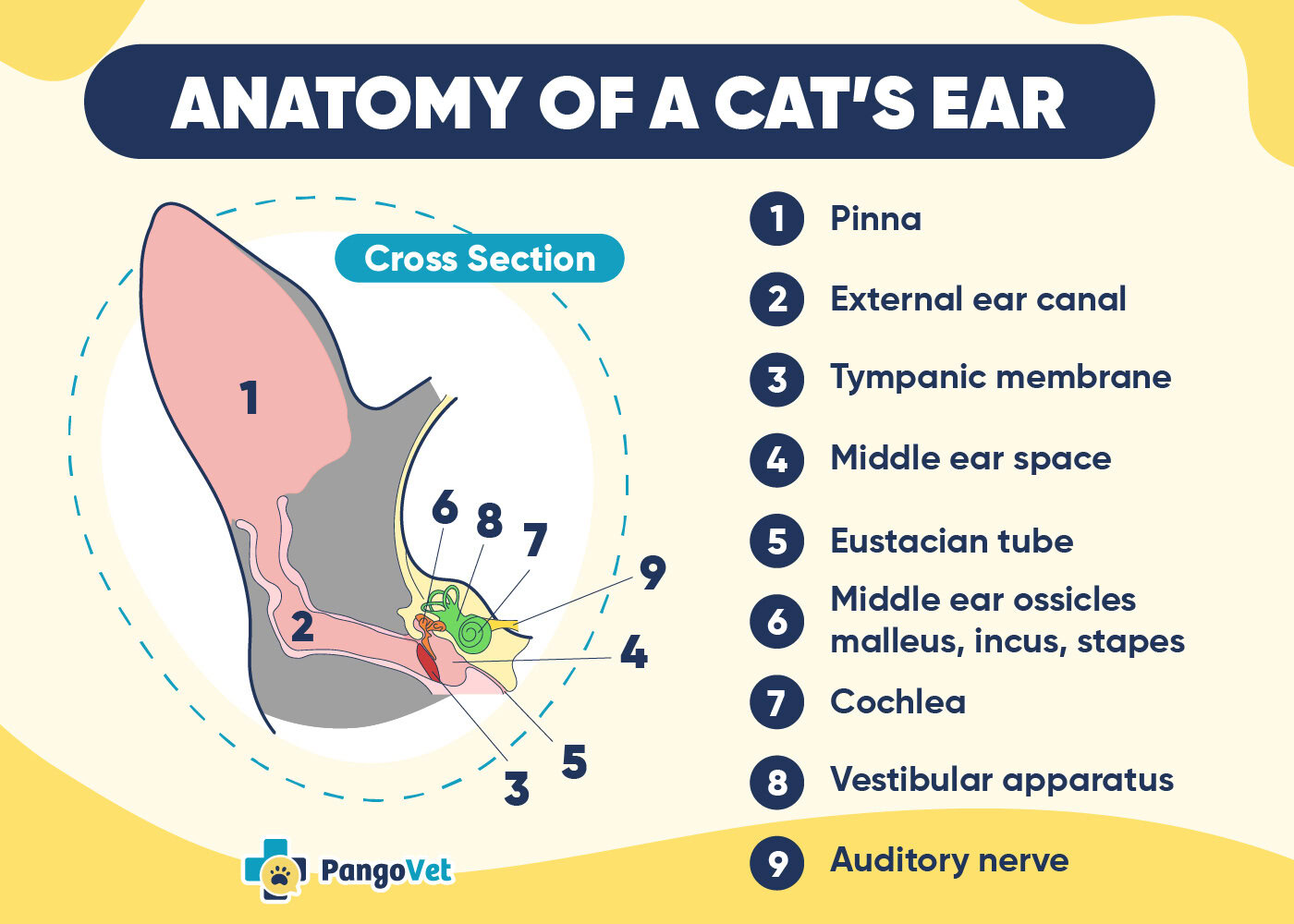
The ear is set high on the skull. When the dog is in a state of relaxation, the ear folds precisely at the base, with the flap (pinna) tucking back along the side of the head. This fold is not forced; it is a natural result of the cartilage density and the muscle attachments at the base of the skull. The internal structure is relatively shallow, which makes the ear canal susceptible to debris but allows for excellent sound localization during high-speed movement.
Breed Standards and Functional Significance
According to the official breed standards set by major kennel clubs, such as the American Kennel Club (AKC) and The Kennel Club (UK), the ears must be small and fine in texture. A "heavy" or "thick" ear is considered a fault, as it detracts from the clean lines of the head.
The function of this ear structure is tied to the Whippet’s history as a coursing sighthound. While Whippets rely primarily on vision to track prey, the mobility of their ears allows them to rotate and capture subtle sounds even while running at high speeds. The "rose" position keeps the ear out of the way of the wind, reducing turbulence during the rapid, repetitive motion of the gallop. During intense focus or excitement, the Whippet may pull the ears tighter against the neck; conversely, when alert, the ears may lift slightly, but they should rarely stand fully erect or hang low like a hound’s.
Variations and Developmental Changes
It is common for Whippet owners to notice fluctuations in ear carriage, particularly during puppyhood.
- The Teething Phase: Between four and eight months of age, the calcium intake and metabolic focus of the puppy shift significantly toward permanent tooth eruption. Many owners observe "flying ears" or ears that stand up during this time. This is usually due to the temporary softening or shifting of cartilage and generally corrects itself as the puppy matures and the muscles in the base of the ear strengthen.
- Environmental Influences: Humidity, temperature, and even the dog's emotional state can affect how the ears sit. A happy, wagging, or curious Whippet will often "play" with its ears, moving them between the folded rose position and a more forward, alert stance.
- Genetic Variation: While the standard calls for a specific rose shape, genetic diversity exists. Some Whippets may possess ears that are slightly larger or have a different fold angle. These variations do not necessarily indicate a health problem, though they may be penalized in a formal show ring.
Identifying Health Issues Related to Ear Structure
Because the Whippet’s ear is relatively open and thin, owners must be vigilant regarding hygiene and potential injury. The lack of heavy hair covering the inner canal means that while the ear is well-ventilated, it is also exposed to foreign objects.
- Otitis Externa: Inflammation of the outer ear canal can occur if moisture becomes trapped behind the folded pinna. Owners should check the ears weekly for redness, swelling, or a strong odor.
- Aural Hematomas: Whippets have very thin skin on their ears. If a dog scratches its ear excessively due to allergies or mites, the blood vessels in the pinna can rupture, causing the ear to swell with fluid. This requires immediate veterinary attention to prevent permanent scarring, often referred to as "cauliflower ear."
- Frostbite and Sunburn: In extreme climates, the thinness of the Whippet’s ear makes it vulnerable. In winter, ears can freeze quickly; in summer, the lack of thick fur can lead to sun-induced skin lesions.
Care and Maintenance Practices
Maintaining the health of the ear structure requires a proactive approach. Cleaning should be performed with a veterinarian-approved ear cleaner and a cotton ball. Never insert cotton-tipped applicators deep into the ear canal, as this can push debris against the eardrum or damage the delicate structures within.
| Feature | Healthy Whippet Ear | Potential Issue Indicators |
|---|---|---|
| Position | Folds back neatly (Rose) | Rigidly erect or permanently flat |
| Texture | Fine, thin, soft to touch | Thick, leathery, or crusty |
| Odor | Neutral or faint musky scent | Strong, yeasty, or foul odor |
| Inside | Pale pink, clean | Red, inflamed, or dark waxy buildup |
Comparing Ear Types in Related Sighthounds
Understanding the Whippet’s ear is easier when compared to its cousins in the sighthound family. The Greyhound, for example, shares the rose ear trait but often displays a slightly larger pinna. The Italian Greyhound, meanwhile, features a "folded-back" ear that is similar but often more fragile due to the breed's diminutive size.
These subtle differences highlight that the rose ear is an evolutionary adaptation for speed and visual acuity. By keeping the ears streamlined, these dogs prevent the wind from interfering with their hearing during a chase.
Frequently Asked Questions
Why does my Whippet’s ear stand up sometimes? This is typically related to puppy development or emotional state. If your puppy is between four and nine months old, the ears may stand or "fly" due to the rapid growth of cartilage and teeth. If an adult Whippet holds its ears up, it is usually a sign of intense alertness or interest in a specific sound.
Should I tape my Whippet’s ears to keep them in the rose position? No. In the Whippet breed, taping is not a standard practice and is generally discouraged. Taping can irritate the skin and potentially damage the delicate cartilage of the ear. The ear should sit naturally.
How often should I clean my Whippet's ears? If the ears are healthy and show no signs of waxy buildup or debris, they do not need frequent deep cleaning. A simple wipe of the outer flap with a clean, damp cloth during regular grooming is sufficient. If you notice persistent wax or debris, consult a veterinarian to rule out infections.
Can a Whippet have "floppy" ears? While the standard specifies the rose ear, some Whippets may have ears that hang lower or appear slightly larger. While this may be considered a deviation from the strict breed standard for show-quality dogs, it does not impact the dog's ability to hear or function as a healthy pet.
Are Whippets more prone to ear mites than other breeds? Not necessarily, but because their ear structure is more open, any infestation or irritation is often easier to spot early. If you see dark, coffee-ground-like debris inside the ear, you should visit a vet for a microscopic examination to confirm the presence of mites.
Conclusion and Next Steps
Understanding the Whippet’s ear structure is less about complex medical management and more about appreciating the breed’s anatomical refinement. By monitoring your dog’s ears for changes in shape, color, or odor, you can ensure they remain healthy. If you notice your dog frequently shaking its head or scratching at one ear, schedule an appointment with your veterinarian. Early intervention for minor issues prevents the development of chronic conditions that could affect your Whippet's comfort and hearing.
Image Gallery