Are Life Insurance Benefits to My Children Taxable? What the Rules Say
Generally, life insurance death benefits paid to your children are not subject to federal income tax. When an insured individual passes away, the financial payout received by designated minor or adult beneficiaries is usually treated a...
Generally, life insurance death benefits paid to your children are not subject to federal income tax. When an insured individual passes away, the financial payout received by designated minor or adult beneficiaries is usually treated as an income-tax-free inheritance. However, while the principal lump sum typically avoids income taxes, specific financial structures, interest earnings, estate tax thresholds, and legal ownership arrangements can trigger unexpected tax liabilities. Understanding these nuances ensures that your children receive the intended financial protection without encountering avoidable tax burdens or legal delays.
Contents
Navigating the intersection of life insurance payouts and tax regulations requires a clear examination of how federal and state laws govern these funds. While the core rule protects death benefits from income taxation, exceptions exist based on how the policy is owned, how the payout is distributed, and the overall size of the insured's taxable estate. This comprehensive guide details the rules surrounding life insurance benefits given to children, outlining the scenarios where taxes might apply and exploring strategies to protect your family's financial legacy.
The General Rule: Income Tax Exemption on Life Insurance Payouts
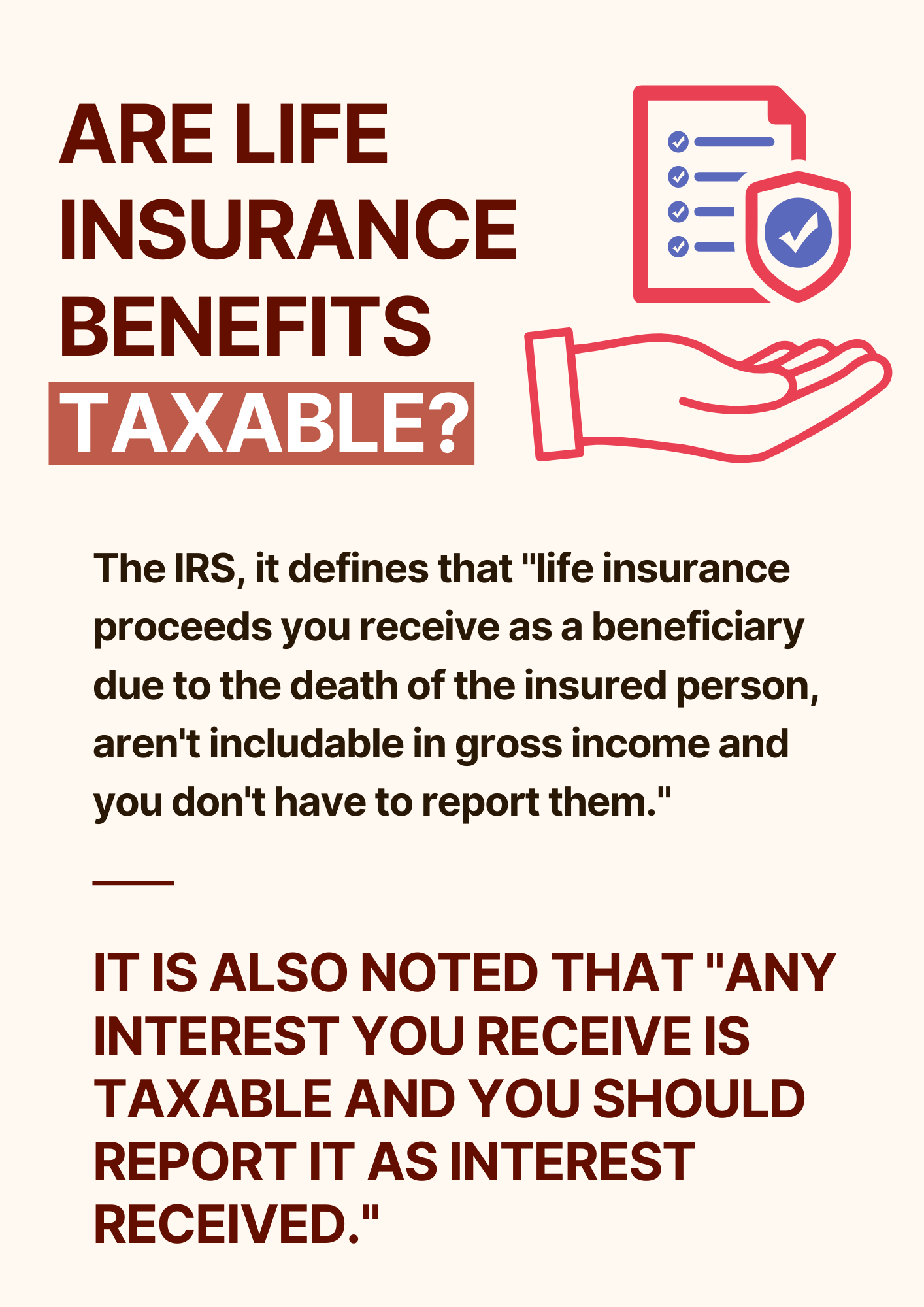
Under United States federal tax law, specifically Section 101(a) of the Internal Revenue Code, gross income generally does not include amounts received under a life insurance contract if paid by reason of the death of the insured. This means that if you name your child as the primary or contingent beneficiary of your term or permanent life insurance policy, the money they receive upon your passing is fundamentally tax-free at the federal level.
This exemption applies whether the payout is delivered as a single lump-sum check or distributed across a structured series of payments. However, it is vital to distinguish between the principal death benefit and any financial growth that occurs after the insured's death. If the insurance company holds the payout in an interest-bearing account while the beneficiary processes the claim, any interest accumulated on that balance after the date of death is considered taxable income and must be reported to the IRS.
Lump-Sum Distributions Versus Structured Payouts
When children receive a life insurance payout, the method of distribution impacts their immediate financial management rather than their tax liability.
- Lump-Sum Payout: The entire death benefit is transferred in a single payment. The full amount remains free from income tax.
- Structured Payouts (Settlement Options): The insurance company retains the principal and distributes it in installments over time. While the principal portion of each installment remains tax-free, any interest generated by the retained funds during the payout period is subject to ordinary income taxes.
When Life Insurance Benefits Become Taxable
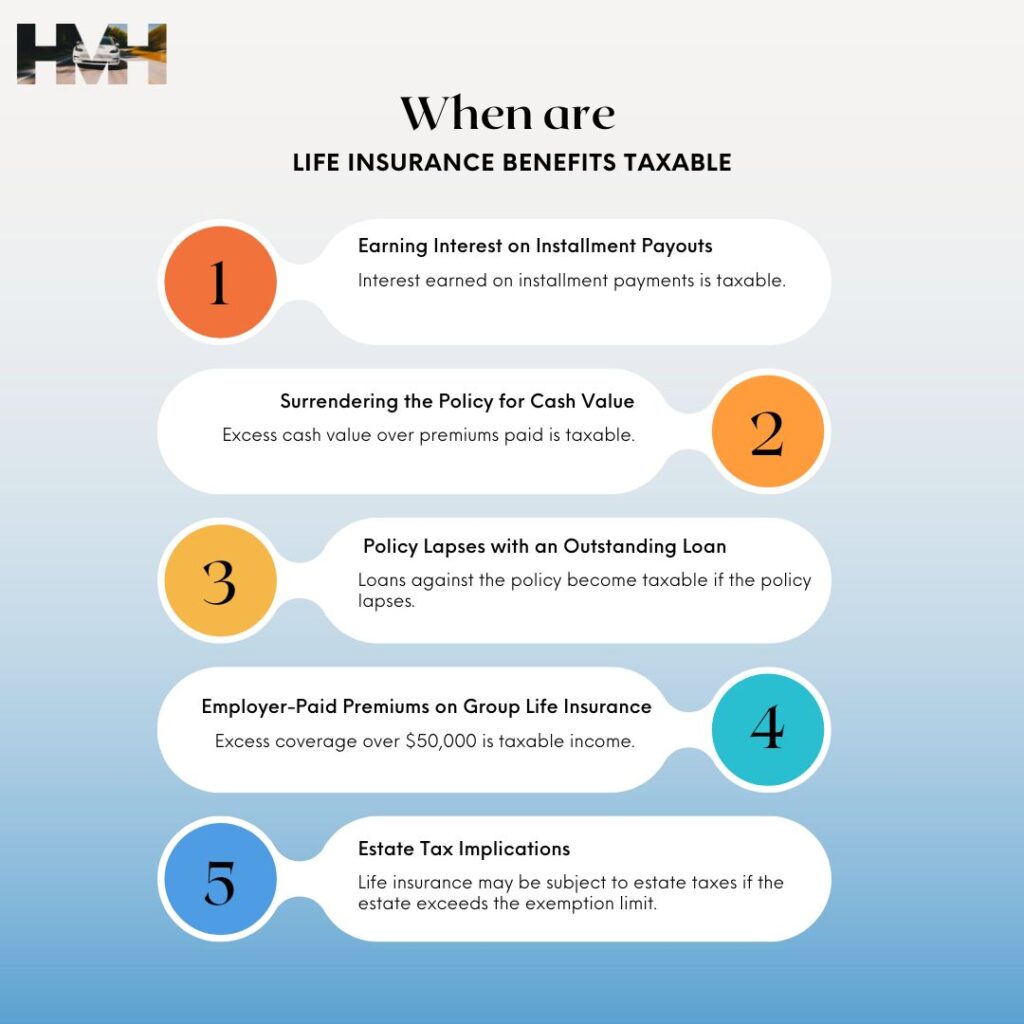
Despite the general income tax exemption, several common scenarios can alter the tax status of a life insurance payout provided to your children. Recognizing these triggers allows policyholders to structure their coverage correctly and prevent unintended tax consequences.
1. Transfer-for-Value Rule
If a life insurance policy is sold or transferred to another party for valuable consideration (such as cash, property, or debt relief) before the insured's death, the policy may trigger the transfer-for-value rule. Under this rule, a portion of the death benefit—specifically the amount exceeding the consideration paid plus any subsequent premiums paid by the transferee—can become subject to ordinary income tax. If you transfer an existing policy to an adult child in exchange for financial compensation, this rule may apply, though transfers to the insured, a partner of the insured, or a corporation where the insured is a shareholder typically maintain exemptions.
2. Interest Earned on Delayed Claims
As noted previously, if a beneficiary delays claiming the death benefit or elects to keep the funds with the insurance carrier in a retained asset account, the insurer invests those funds. The interest earned by that money between the date of the insured's death and the date of distribution is fully taxable. The insurance company will issue a Form 1099-INT detailing the interest income earned, which the beneficiary must report on their annual tax return.
3. Federal Estate Taxes and Unified Credits
While life insurance payouts are generally exempt from income tax, they are not automatically exempt from estate tax if the policy is included in the gross estate of the deceased. If the insured retained "incidents of ownership" over the policy—such as the right to change beneficiaries, borrow against the cash value, or surrender the policy—the total value of the death benefit is counted toward the total net worth of the estate.
For 2026, the federal estate tax exemption threshold remains a crucial figure. Estates valued below the federal threshold do not owe federal estate taxes. However, if an individual's total estate, including the life insurance death benefit, exceeds the statutory exclusion limit, the excess amount may be subject to federal estate taxes (and potentially state-level estate or inheritance taxes). Because life insurance proceeds are factored into the gross estate when owned directly by the decedent, high-net-worth parents frequently utilize specialized legal instruments, such as Irrevocable Life Insurance Trusts (ILITs), to remove the policy from their taxable estate entirely.
| Tax Type | Applies to Life Insurance Payouts? | Governing Factors |
|---|---|---|
| Federal Income Tax | Generally No | Principal death benefits are tax-free; post-death interest earnings are taxable. |
| Federal Estate Tax | Yes, if estate exceeds threshold | Applies if the insured retained ownership rights ("incidents of ownership") and total estate exceeds statutory limits. |
| State Inheritance Tax | Varies by Jurisdiction | Dependent on state laws and the relationship between the decedent and the beneficiary (children are often taxed at lower rates or exempt). |
| Gift Tax | Varies by Ownership | Applies if someone other than the insured owns the policy and names a third party as beneficiary, or during improper ownership transfers. |
Special Legal Considerations for Minor Children
Planning for minor children introduces unique legal and administrative challenges. Minors lack the legal capacity to directly control, own, or manage large sums of money. If you pass away and leave a life insurance policy directly to a minor child without proper safeguards, the legal system will intervene, potentially complicating the distribution of funds.
The Problem with Naming Minors Direct Beneficiaries
Insurance companies cannot legally disburse substantial financial payouts directly to a minor. If a minor is named as the direct beneficiary:
- Court-Appointed Guardianship: A court must formally appoint a conservator or guardian to manage the funds until the child reaches the age of majority (typically 18 or 21, depending on the state).
- Administrative Costs: Court supervision involves ongoing legal fees, mandatory accounting reports, and restrictive investment guidelines approved by a judge.
- Immediate Access at Majority: Once the child reaches the legal age of majority, they gain absolute, unfettered access to the entire remaining balance, regardless of their financial maturity at that time.
Utilizing Trusts and Uniform Transfers
To bypass the complications of court-supervised guardianships while maintaining tax efficiency, estate planning professionals recommend alternative structures:
- Testamentary Trust: Established within your last will and testament, this trust receives the life insurance proceeds upon your death. A designated trustee manages and distributes the funds according to your precise instructions (e.g., funding college tuition at specific ages), protecting the tax-free status of the principal while providing oversight.
- Irrevocable Life Insurance Trust (ILIT): An ILIT acts as both the owner and beneficiary of the policy. This removes the death benefit from your taxable estate while ensuring trustees manage the payout for your children's benefit.
- Uniform Transfers to Minors Act (UTMA) / Uniform Gifts to Minors Act (UGMA): You can designate an adult custodian to manage the insurance payout on behalf of the minor until they reach adulthood, though this offers less long-term control than a formal trust.
State-Level Taxes and Inheritance Rules
While federal guidelines dictate income and estate tax exemptions, state laws introduce an additional layer of complexity. State tax codes differ significantly regarding estate and inheritance taxation.
Inheritance Tax Versus Estate Tax
It is essential to differentiate between estate taxes and inheritance taxes:
- Estate Tax: Levied on the overall estate of the deceased before distribution.
- Inheritance Tax: Levied directly on the individual beneficiary who receives the assets.
A handful of states impose state-level estate taxes with thresholds lower than the federal limit. Furthermore, several states enforce an inheritance tax. However, most states that levy inheritance taxes exempt direct descendants (such as children and grandchildren) entirely or apply significantly lower tax rates to them compared to unrelated beneficiaries. Reviewing your specific state's revenue department guidelines is essential for comprehensive financial planning.
Frequently Asked Questions
Are life insurance payouts considered taxable income for my children?
No. Under Internal Revenue Code Section 101(a), life insurance death benefits paid to beneficiaries—including children—are received completely free of federal income tax as long as they are paid out due to the death of the insured.
What happens if my child is under 18 when I pass away?
An insurance company cannot pay a large death benefit directly to a minor. If no legal trust or custodian is designated, the court will typically appoint a conservator to manage the funds, which involves legal expenses and court oversight until the child reaches the age of majority.
Does the size of my estate affect whether my children pay taxes on the insurance?
While the payout remains free from income tax, it can be subject to estate tax if the total value of your estate exceeds the federal estate tax exemption threshold and you retained ownership rights (incidents of ownership) over the policy at the time of your death.
Are the earnings on a life insurance policy taxable before death?
Generally, the cash value growth inside a permanent life insurance policy grows tax-deferred. Policyholders can typically withdraw basis or take policy loans tax-free during their lifetime, provided the policy does not lapse or become a modified endowment contract (MEC).
Should I name my adult children as direct beneficiaries?
Naming adult children as direct beneficiaries is legally straightforward and keeps the payout free from income tax and probate. However, if the death benefit is exceptionally large or if the children require financial management safeguards, utilizing a trust or structured payout may be preferable.
Next Actions and Professional Guidance
Determining how life insurance benefits interact with tax regulations depends heavily on your specific financial portfolio, policy structure, and family dynamics. To ensure your children receive their inheritance efficiently and with minimal tax exposure, review your policy documents, confirm your beneficiary designations match your current estate plan, and consult with a qualified estate planning attorney or certified financial planner. Professional guidance ensures your coverage aligns with current federal and state legal frameworks, securing your family's financial future.
Image Gallery