Understanding the Persistence of the Pit Bull Myth: Media, Legislation, and Public Perception
The persistent myth that pit bulls are inherently more dangerous or aggressive than other dog breeds survives due to a powerful convergence of sensationalized media reporting, historical breed-specific legislation, confirmation bias, a...
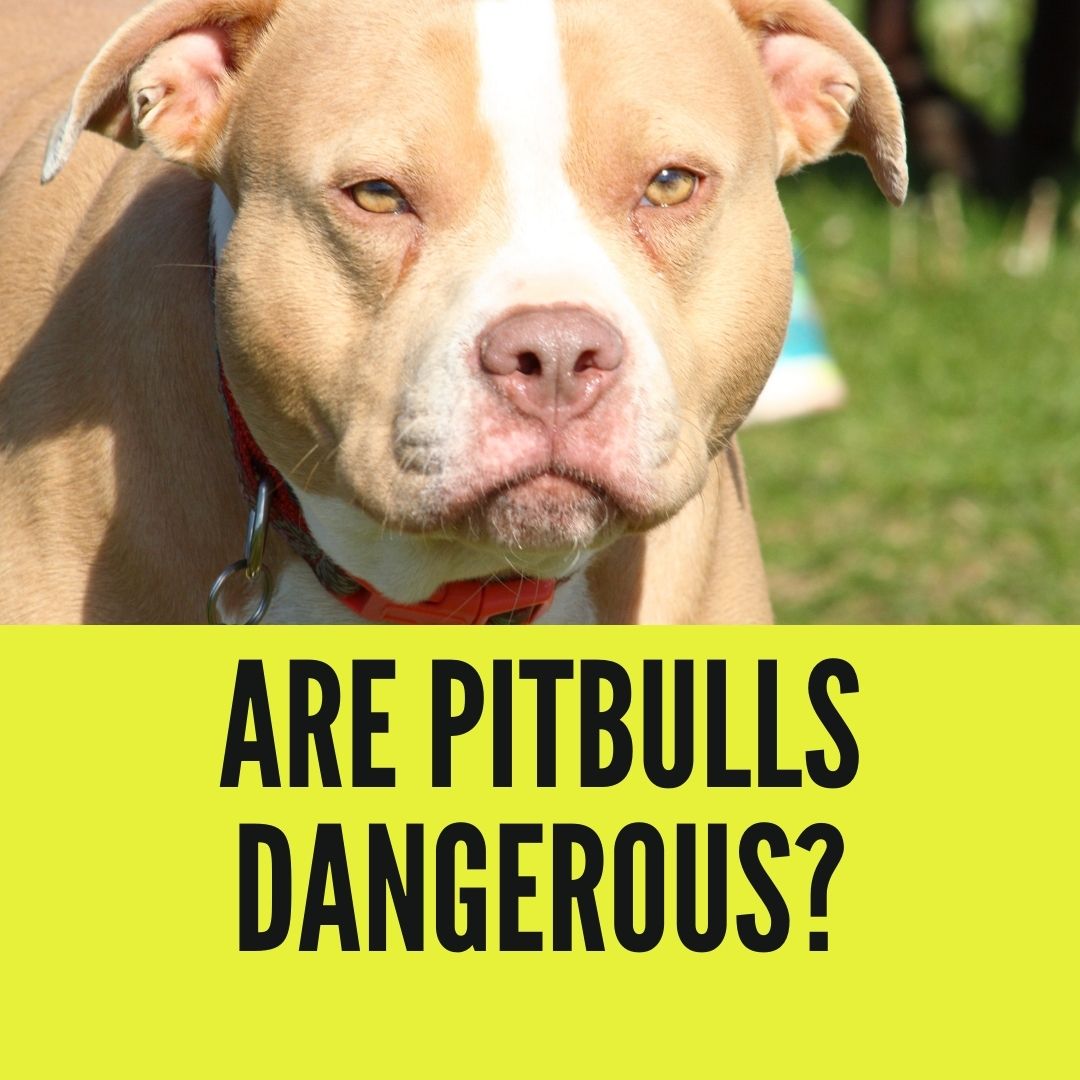
The persistent myth that pit bulls are inherently more dangerous or aggressive than other dog breeds survives due to a powerful convergence of sensationalized media reporting, historical breed-specific legislation, confirmation bias, and the inherent challenges of visual identification.
Contents
The Historical Context of the Modern "Pit Bull"
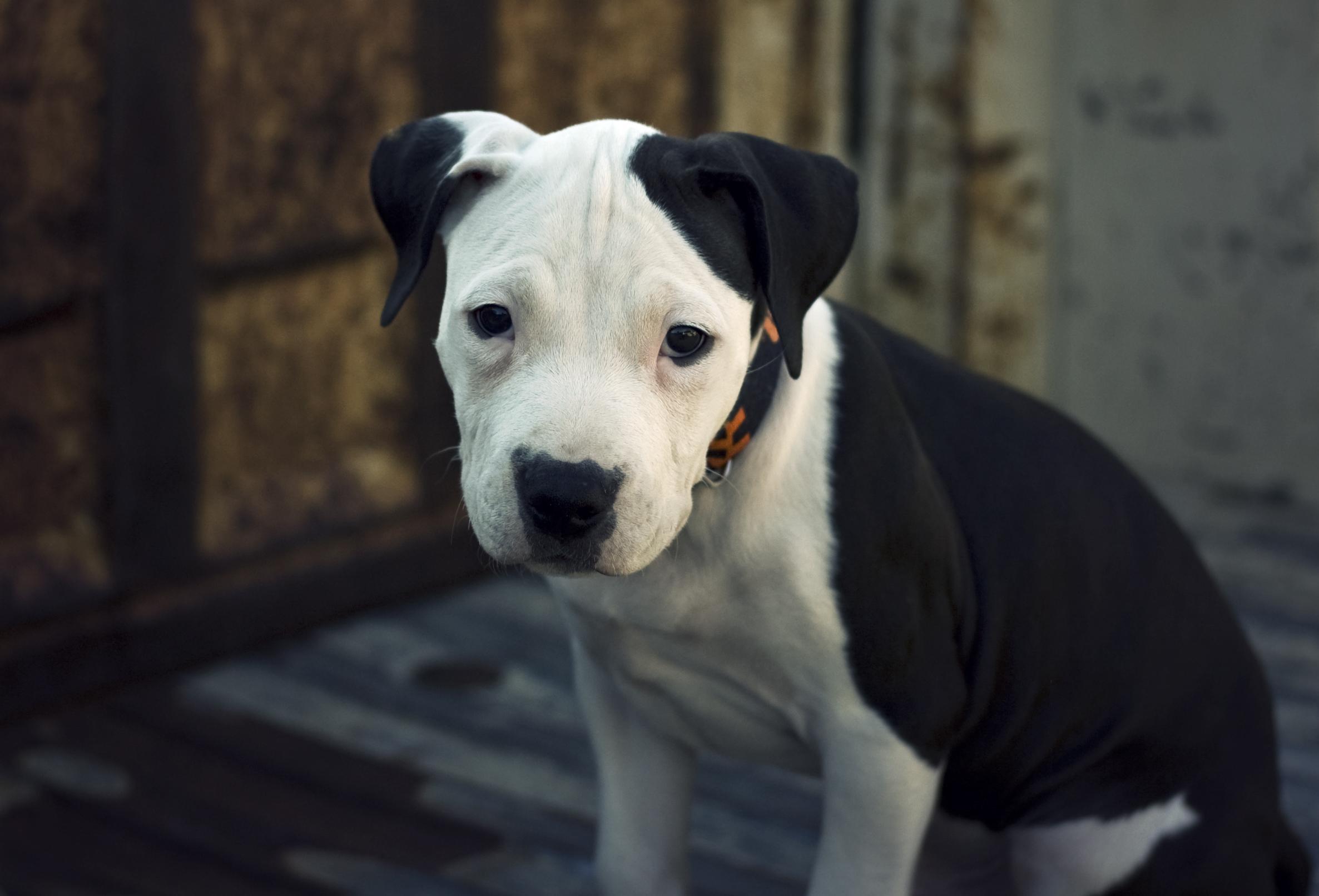
To understand why myths surrounding pit bulls persist, it is necessary to examine how the term itself functions. "Pit bull" is not a single recognized breed of dog according to major kennel clubs like the American Kennel Club (AKC). Instead, it is an umbrella term frequently used to describe several distinct purebred dogs—primarily the American Pit Bull Terrier, the American Staffordshire Terrier, the Staffordshire Bull Terrier—as well as any mixed-breed dog that shares certain physical characteristics, such as a blocky head, muscular build, and short coat.
Historically, bulldogs and terriers were originally bred in nineteenth-century England for bloodsports such as bull-baiting and bear-baiting. When those sports were outlawed, these dogs were sometimes used in dog fighting. However, historical selection pressures also heavily favored dogs that were exceptionally handler-friendly; handlers needed to be able to safely separate fighting dogs in the pit without being bitten. Over the decades, as the fighting lineage diverged from working and companion lineages, the modern dogs evolved into loyal family pets, therapy dogs, and working animals. Despite this evolution, the cultural memory of their historical use remains deeply embedded in the public consciousness, creating a narrative framework that resists modern zoological and behavioral science.
The Role of Media Bias and Sensationalism
Modern media reporting plays a primary role in keeping anti-pit bull myths alive. News outlets, digital platforms, and entertainment media frequently rely on sensationalism to capture audience attention. When a dog bite incident involves a dog that visually resembles a pit bull, the breed label is almost invariably highlighted in headlines. Conversely, bites or aggressive incidents involving Golden Retrievers, German Shepherds, Labradors, or mixed-breed dogs of other appearances are rarely labeled with their specific breed in mainstream headlines.
This selective reporting creates a powerful availability heuristic—a cognitive bias where people judge the frequency or severity of an event by how easily examples come to mind. Because media coverage disproportionately links pit bulls to high-profile attacks, the public overestimates the statistical risk associated with the type. Furthermore, when non-pit bull breeds bite, the incident is often dismissed as an isolated behavioral issue or owner error, whereas a bite from a pit bull-type dog is frequently framed as evidence of innate, unprovoked viciousness.
| Reporting Element | Pit Bull-Type Incidents | Other Common Breeds (e.g., Labs, Shepherds) |
|---|---|---|
| Headline Breed Mention | Frequently highlighted, often capitalized | Rarely mentioned unless fatal or exceptional |
| Public Perception Impact | Reinforces systemic danger narrative | Dismissed as isolated individual behavior |
| Attribution Focus | Often blamed on innate breed genetics | Commonly attributed to training or environment |
| Statistical Distortion | Overrepresented in public risk assessment | Underrepresented in public risk awareness |
The Fallacy of Visual Breed Identification
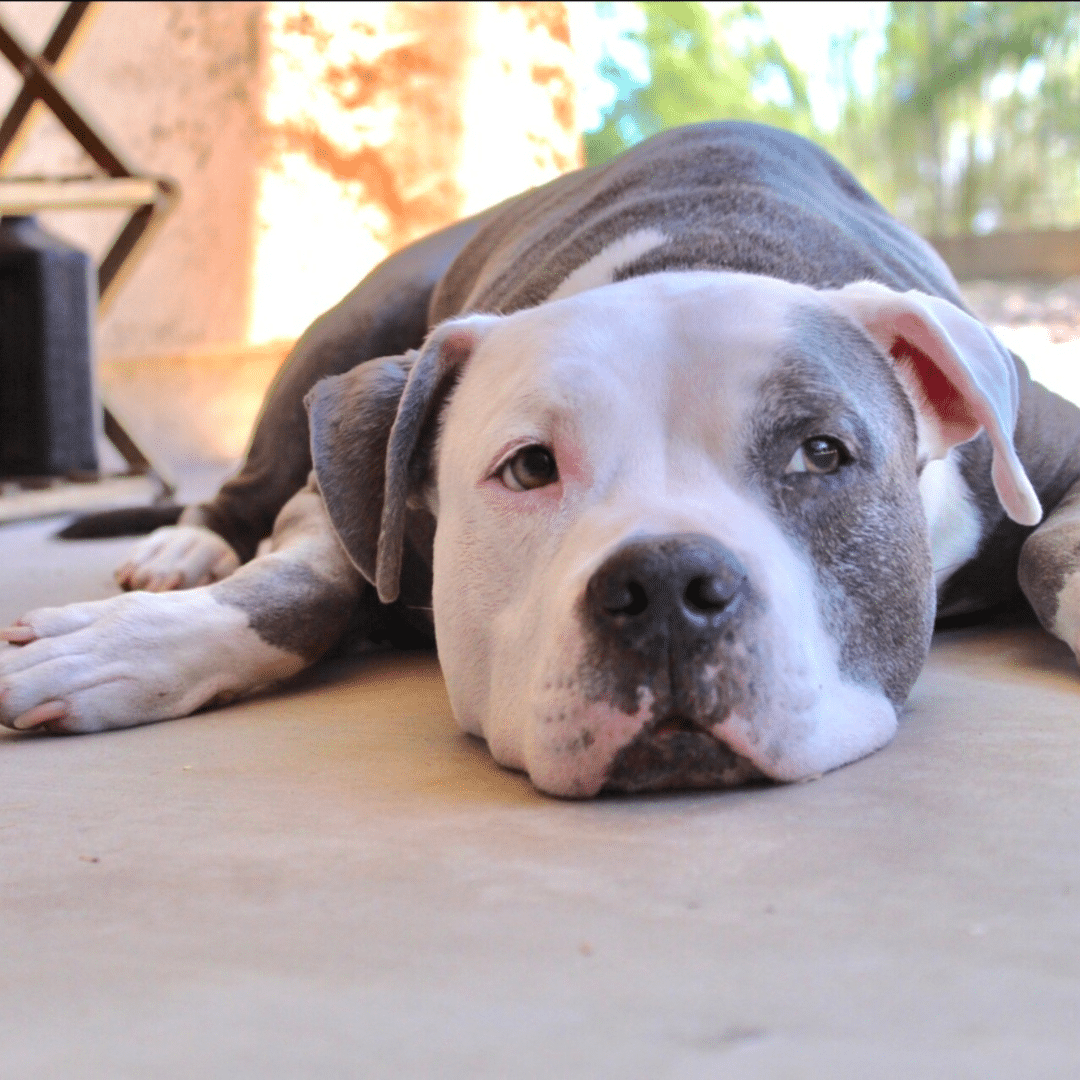
A significant scientific hurdle in evaluating pit bull statistics is the unreliability of visual breed identification. Numerous peer-reviewed studies in veterinary science and animal sheltering have demonstrated that even shelter professionals, veterinarians, and animal control officers struggle to accurately identify dog breeds based purely on physical appearance, especially in mixed-breed dogs.
When DNA testing is compared against visual identification labels assigned by shelter staff or witnesses, the error rate is remarkably high. Dogs labeled as "pit bulls" based on a blocky head and muscular frame often contain little to no genetic lineage from the American Pit Bull Terrier or related breeds. They frequently turn out to be mixes of Boxers, Mastiffs, Labradors, and various herding breeds.
| Identification Method | Accuracy Rate | Contributing Factors |
|---|---|---|
| Visual Shelter Assessment | Low to Moderate | Reliance on physical phenotype (head shape, coat) |
| DNA Breed Analysis | High | Direct genetic sequencing and marker matching |
| Witness/Victim Reporting | Very Low | Panic, lack of cynological knowledge, media bias |
Because physical identification is so inaccurate, bite statistics categorized by "pit bull" labels are inherently flawed. A dog that commits a bite and looks imposing is frequently mislabeled as a pit bull, which artificially inflates the negative data associated with the category while suppressing the data for actual underlying breeds.
Breed-Specific Legislation (BSL) and Institutional Reinforcement
Institutional policies, particularly Breed-Specific Legislation (BSL), provide a veneer of official legitimacy to the myths surrounding pit bulls. BSL encompasses municipal ordinances, state laws, or housing policies that ban or severely restrict ownership of specific dog breeds, most commonly pit bull-type dogs.
When cities or housing authorities enact BSL, the public naturally assumes the policy is backed by definitive scientific evidence proving extraordinary danger. However, major veterinary and animal welfare organizations—including the American Veterinary Medical Association (AVMA), the Centers for Disease Control and Prevention (CDC), and the American Society for the Prevention of Cruelty to Animals (ASPCA)—have repeatedly stated that BSL is ineffective at improving public safety.
Research shows that BSL does not reduce the overall rate of dog bites in a community. Instead, it creates severe social and economic consequences:
- Family Disruption: Forces responsible pet owners to surrender or relocate beloved family pets.
- Shelter Strain: Overwhelms municipal shelters with seized animals that are difficult to adopt out legally.
- False Security: Distracts lawmakers and the public from implementing effective, breed-neutral animal control policies, such as mandatory leash laws, spay/neuter programs, and education on responsible pet ownership.
Despite these findings, the existence of BSL continues to signal to the public that pit bulls are uniquely dangerous, perpetuating a self-fulfilling cycle of fear and legislative restriction.
Behavioral Science: Nurture, Environment, and Individual Temperament
Modern behavioral science emphasizes that canine behavior is the product of complex interactions between genetics, early socialization, training, and environmental factors—not immutable breed-wide traits of aggression.
While certain breeds were historically selected for specific working tasks (such as herding, pointing, or guarding), aggression toward humans is not a breed-defining trait of any recognized domestic dog. According to data compiled by organizations like the American Temperament Test Society (ATTS), which evaluates dogs on stability, shyness, aggressiveness, and friendliness, pit bull-type dogs routinely score average or above-average compared to many traditional family pets, including Golden Retrievers and Beagles.
Environmental factors heavily dictate canine behavioral outcomes:
- Socialization: Puppies exposed to positive human interaction and varied stimuli during their critical socialization window (weeks 3 through 14) are significantly less likely to exhibit fear-based reactivity.
- Management and Containment: Unsecured roaming, chaining, and lack of human interaction dramatically increase the likelihood of defensive or aggressive behaviors in any dog, regardless of breed.
- Human Supervision: A vast majority of severe dog bites involving children occur when young children are left unsupervised with dogs that are giving clear stress signals.
Blaming genetics entirely overlooks the role of human responsibility, owner management, and proper training in preventing canine behavioral issues.
Frequently Asked Questions
Are pit bulls naturally more aggressive toward humans than other dogs?
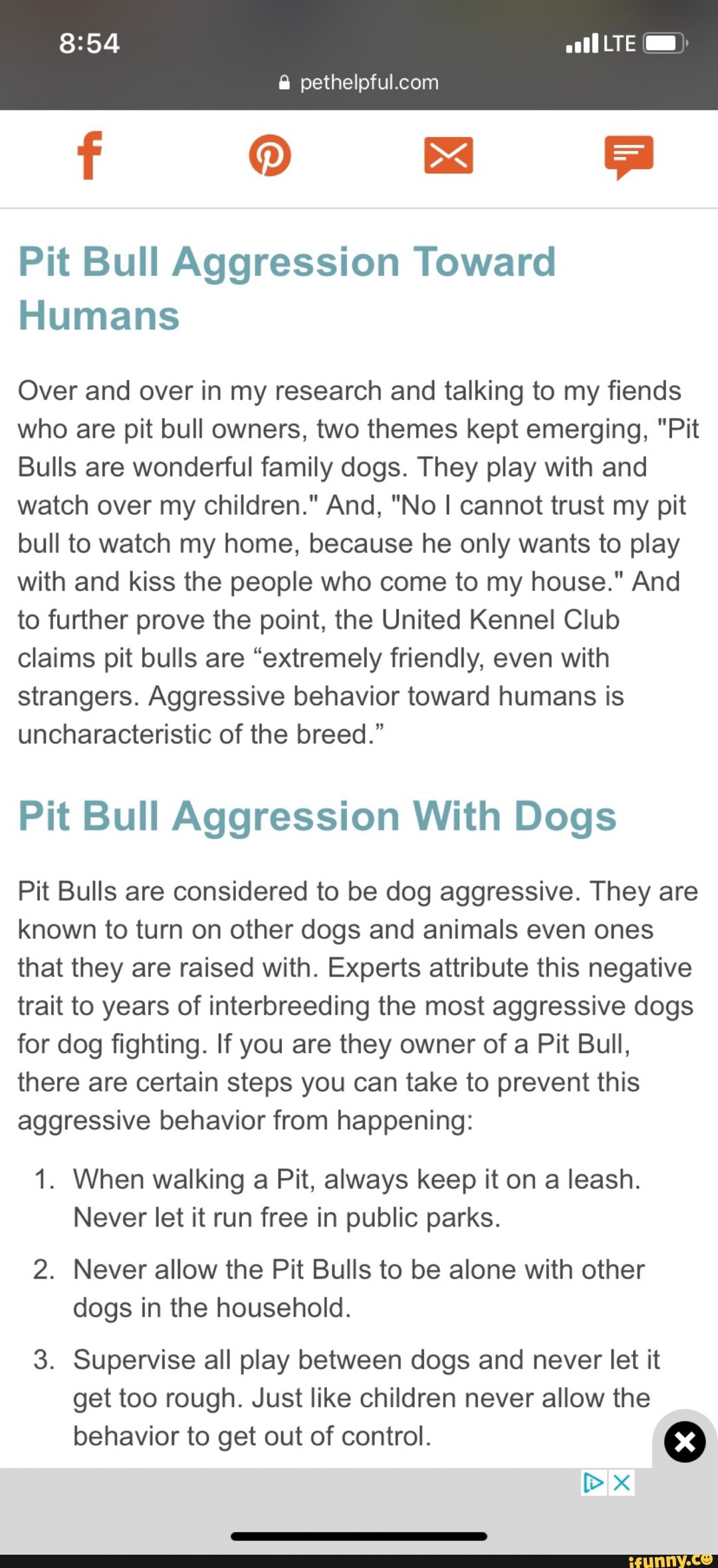
No. Scientific organizations and behavioral studies show that a dog's propensity for aggression is not determined by its breed. Individual temperament, early socialization, training, and environmental management are far greater predictors of behavior than genetic background.
Why do shelter statistics show high numbers of pit bulls?
Shelters frequently house a disproportionate number of pit bull-type dogs due to a combination of overbreeding, socioeconomic factors, and municipal surrender rates. Furthermore, because visual identification is unreliable, many mixed-breed dogs with square heads or stocky builds are automatically labeled as pit bulls upon intake.
What is Breed-Specific Legislation (BSL), and does it work?
Breed-Specific Legislation refers to laws that ban or restrict specific dog breeds. Major scientific bodies, including the AVMA and CDC, have concluded that BSL is ineffective at reducing dog bites or improving community safety, noting that effective policies must focus on owner responsibility and breed-neutral enforcement.
How accurate is visual breed identification for dogs?
Visual identification is notoriously inaccurate. Studies comparing shelter guesses to DNA test results reveal high error rates, particularly for mixed-breed dogs. Physical traits like coat color, ear shape, and head width do not reliably indicate genetic makeup.
What should communities do instead of enacting BSL?
Communities achieve better public safety outcomes by enforcing universal leash laws, cracking down on illegal dog fighting, promoting spay and neuter access, holding negligent owners accountable for their dogs' behavior, and educating the public on safe dog-handling practices.
Practical Recommendations for Responsible Ownership and Advocacy
Overcoming the persistent myth surrounding pit bulls requires a concerted, multi-pronged approach from pet owners, legislators, and community leaders. If you own a pit bull-type dog or wish to support evidence-based animal welfare policies, focus on the following actions:
- Prioritize Socialization and Training: Ensure your dog receives positive, reward-based training and thorough socialization from an early age to foster stable, confident behavior in various environments.
- Be an Ambassador of Responsibility: Always leash your dog in public spaces, clean up after them, and manage interactions politely. Responsible ownership actively counters negative stereotypes.
- Advocate Against BSL: Contact local representatives to support the repeal of breed-specific legislation in favor of comprehensive, breed-neutral dangerous dog laws that hold all owners accountable.
- Support Rescues and Shelters: Consider adopting from or volunteering with municipal shelters and rescues that evaluate dogs as individuals rather than relying on generalized breed assumptions.
Editorial Metadata:
Image Gallery