Helen Hathaway and the Edge Computing Debate: Navigating Decentralized Infrastructure
Helen Hathaway and the edge computing debate sit at the intersection of modern distributed systems, enterprise architecture, and data governance. As organizations increasingly push processing power away from centralized cloud data cent...
Helen Hathaway and the edge computing debate sit at the intersection of modern distributed systems, enterprise architecture, and data governance. As organizations increasingly push processing power away from centralized cloud data centers and out to the network perimeter, foundational questions regarding security, latency, and operational control have sparked intense industry-wide discussions.
Contents
Understanding Edge Computing and Its Architectural Shifts
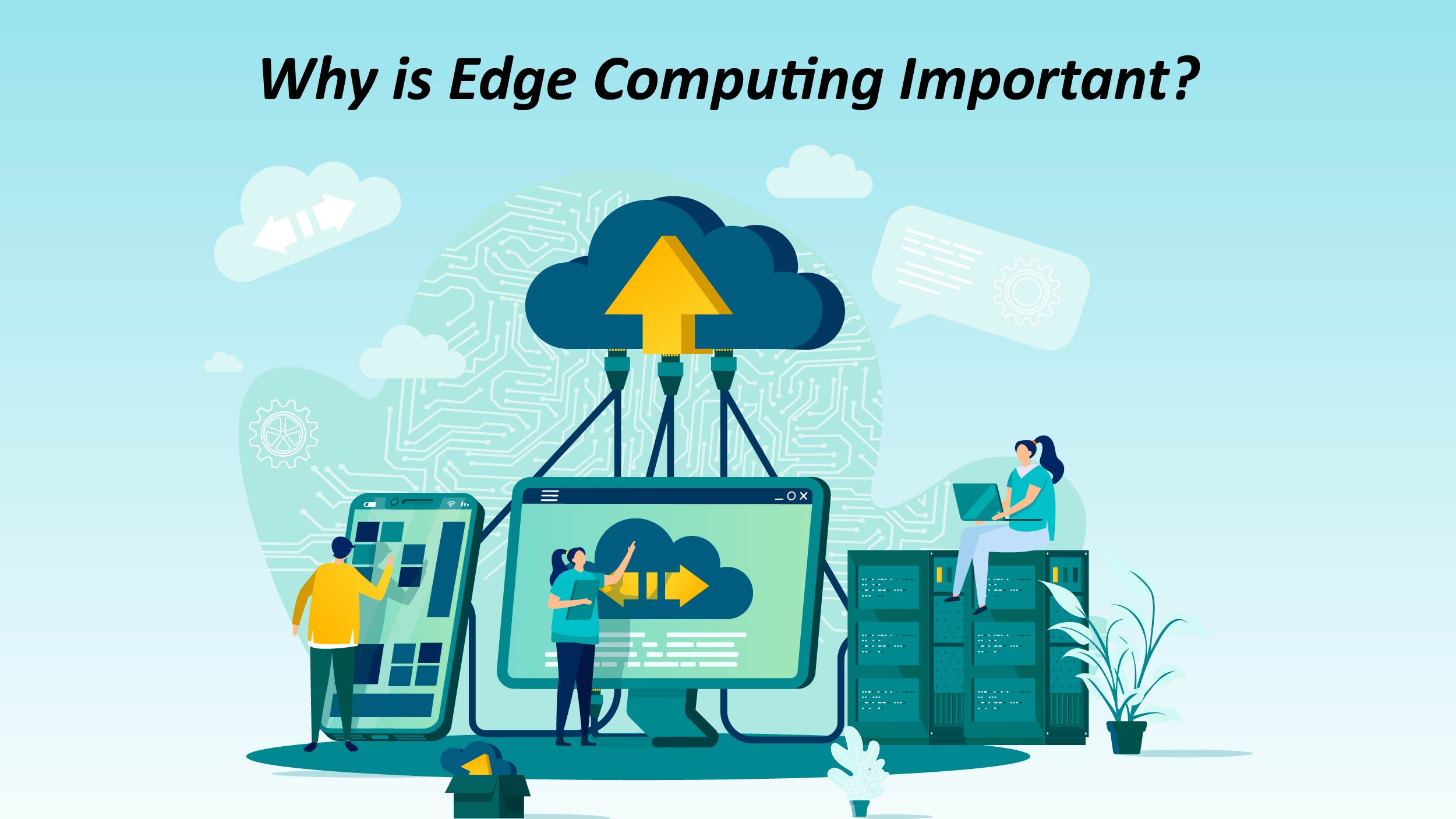
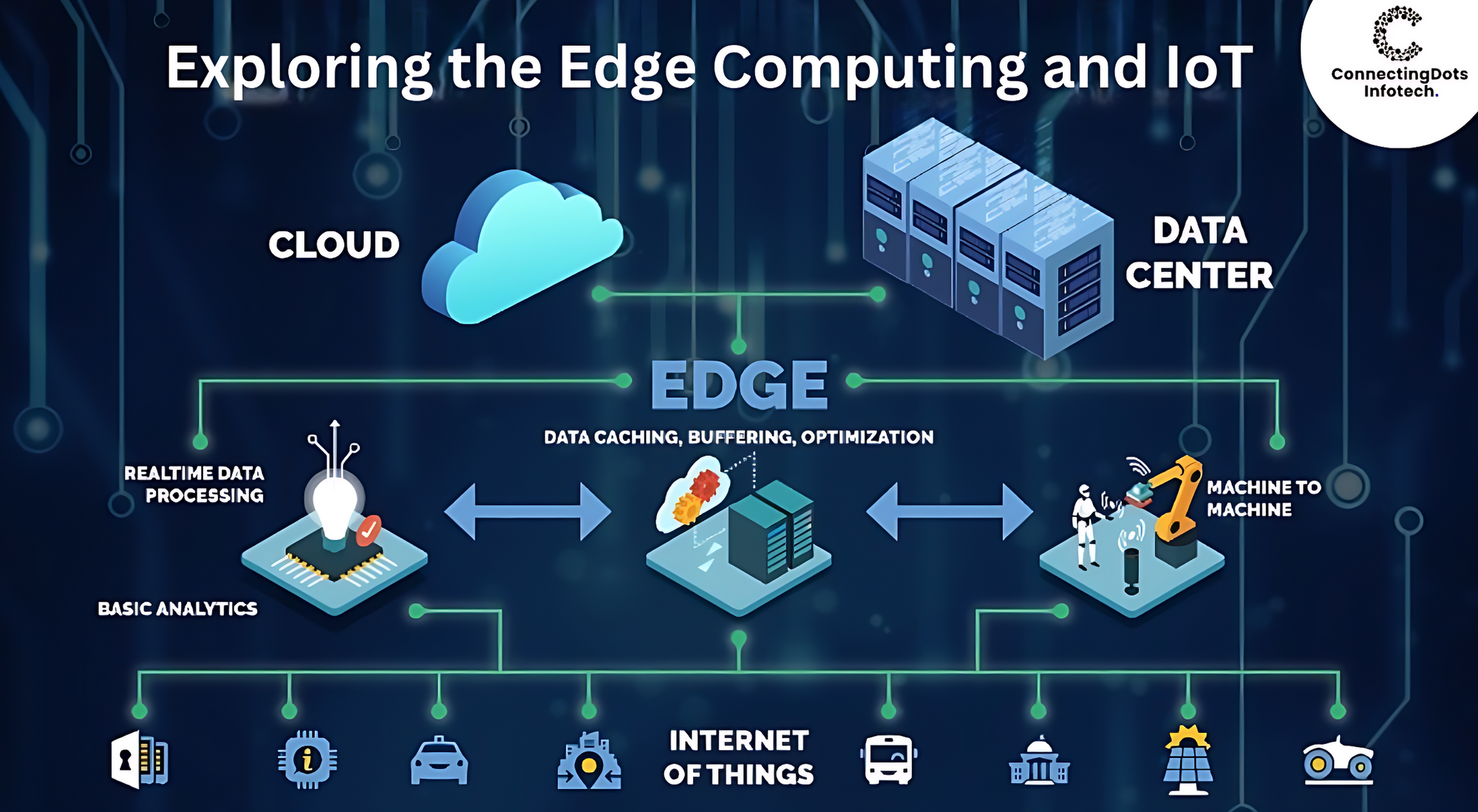
Edge computing represents a fundamental departure from the traditional paradigm of routing all enterprise data through centralized cloud repositories or on-premises server farms. By shifting computation, storage, and analytics closer to the physical location where data is generated—whether that is an internet-of-things (IoT) sensor on a manufacturing floor, a retail point-of-sale terminal, or a cellular base station—architects can drastically reduce round-trip latency and conserve valuable network bandwidth.
However, this decentralization introduces significant engineering complexities. Traditional data centers benefit from robust physical security, tightly controlled environmental conditions, and centralized administrative oversight. Distributing infrastructure across thousands of remote, unmonitored, or semi-public locations strips away these built-in protections. It forces system designers to rethink everything from hardware provisioning to firmware updates and identity management.
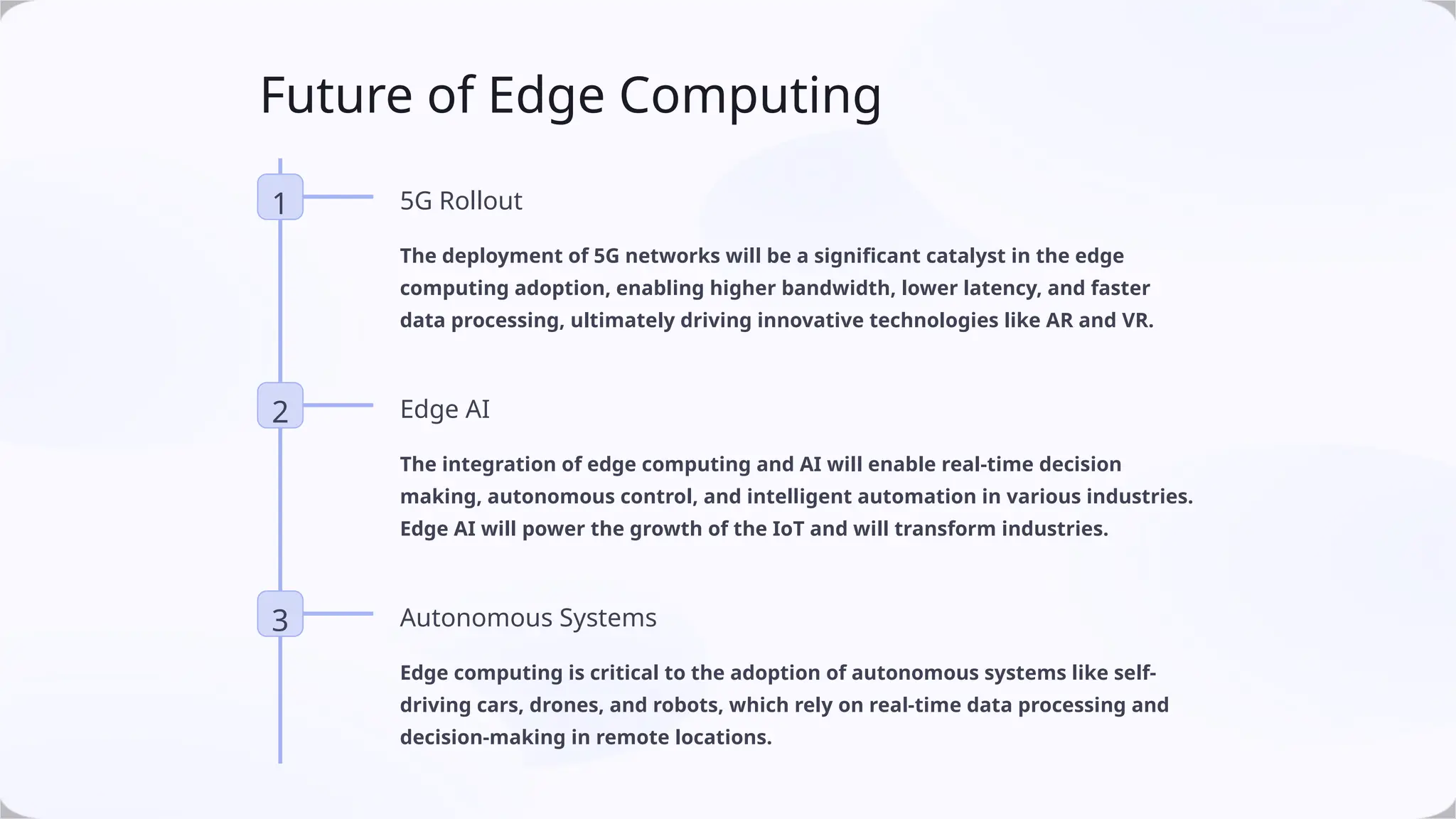
Within this technical evolution, industry figures and analysts like Helen Hathaway have helped frame the conversation around the friction points of implementation. The debate is rarely about whether edge computing offers performance benefits—that is widely accepted for real-time applications like autonomous vehicles, industrial automation, and augmented reality. Instead, the core of the debate centers on governance, the economics of distributed maintenance, and the security vulnerabilities inherent in sprawling, heterogeneous networks.
Core Pillars of the Edge Computing Debate
To fully understand the discourse surrounding edge computing, it is necessary to examine the primary technical and economic pillars that divide enterprise architects and IT strategists.
1. Security and Attack Surface Expansion
Centralized cloud environments allow organizations to concentrate their security defenses around a well-defined perimeter. Edge computing, by contrast, shatters that perimeter into countless micro-perimeters. Each edge node represents a potential physical and digital entry point for malicious actors.
- Physical Vulnerability: Edge devices are frequently deployed in unsecured locations where they can be physically accessed, tampered with, or stolen.
- Update Lag: Ensuring that hundreds or thousands of remote nodes run patched, vulnerability-free software requires sophisticated, automated over-the-air (OTA) update pipelines that can fail catastrophically if corrupted.
- Identity Sprawl: Managing cryptographic keys, certificates, and access credentials across a massive fleet of edge hardware introduces enormous administrative overhead.
2. Data Governance, Sovereignty, and Compliance
As data is collected and processed locally, organizations face intricate regulatory landscapes. When localized nodes process personally identifiable information (PII) or sensitive corporate assets outside of designated jurisdictional boundaries, compliance with frameworks such as GDPR or HIPAA becomes exceptionally difficult. The debate often centers on whether local processing reduces exposure by minimizing data transit or increases risk through decentralized, poorly audited storage.
3. Total Cost of Ownership (TCO) and Maintenance
While marketing literature often emphasizes the cost-saving potential of reduced bandwidth consumption, the operational expenditure (OpEx) of maintaining a distributed fleet can quickly eclipse initial savings. Dispatching technicians to service failed hardware in remote or hazardous environments introduces labor costs that do not exist in centralized hyperscale facilities.
| Architectural Dimension | Centralized Cloud Computing | Edge Computing Infrastructure |
|---|---|---|
| Latency Profile | Higher round-trip latency (tens to hundreds of milliseconds) | Ultra-low latency (single-digit milliseconds) |
| Bandwidth Demand | High volume of continuous data transmission to core | Optimized; local filtering reduces backhaul traffic |
| Security Management | Centralized perimeter, uniform patching, strict physical access | Distributed micro-perimeters, complex OTA updates, physical exposure |
| Maintenance Model | Hyperscale data center technicians on-site | Remote fleet management; potential truck rolls for physical repairs |
| Resilience | Dependent on continuous wide-area network (WAN) connectivity | Capable of autonomous, localized operation during network outages |
Operational Implications and Enterprise Strategy
For organizations weighing an investment in edge infrastructure, navigating the debate requires a systematic approach to workload placement. Not every application belongs at the edge, and treating edge computing as a universal replacement for cloud computing is a common strategic misstep.
Assessing Workload Suitability
Enterprise architects must evaluate workloads against strict operational criteria before migrating them to the edge:
- Time-Sensitivity: If an application requires sub-millisecond reaction times (such as robotic collision avoidance or high-frequency financial trading), it is an ideal candidate for edge deployment.
- Bandwidth Constraints: Environments with intermittent or expensive satellite or cellular backhaul benefit immensely from local data aggregation and filtering, transmitting only summary insights back to the core.
- Regulatory Restrictions: Workloads bound by strict data localization laws may utilize edge nodes configured to process and store data entirely within a specific geographic or legal boundary.
Infrastructure Standardization
A major takeaway from contemporary architecture debates is the necessity of standardization. Organizations that allow disparate teams to deploy ad-hoc edge hardware inevitably face severe technical debt. Establishing a unified software-defined infrastructure layer—utilizing lightweight containerization, orchestration tools like Kubernetes adapted for resource-constrained environments, and standardized zero-trust security frameworks—is essential for long-term operational viability.
Frequently Asked Questions
What is the primary driving force behind edge computing adoption?
The primary driver is the need for ultra-low latency and real-time data processing. As applications generate massive volumes of time-sensitive data at the physical source, waiting for data to travel to a centralized cloud data center and back introduces unacceptable delays.
Does edge computing replace traditional cloud computing?
No. Edge computing and centralized cloud computing are complementary architectures. Edge infrastructure handles real-time, localized processing and initial data filtering, while centralized cloud repositories manage heavy analytical workloads, long-term data archival, and global fleet management.
What are the biggest security risks associated with edge deployments?
The primary risks include physical tampering with remote hardware, the complexity of managing large-scale cryptographic certificate lifecycles, and vulnerabilities arising from delayed or failed software patching across distributed nodes.
How do organizations manage maintenance costs for remote edge nodes?
Organizations mitigate maintenance costs by investing in robust automation, including zero-touch provisioning, automated container orchestration, and predictive health monitoring that identifies hardware degradation before catastrophic failure occurs.
Next Actions for Architecture Teams
Organizations looking to establish or refine their edge computing strategy should begin by conducting a comprehensive workload audit. Identify specific business processes that genuinely require real-time local processing or face severe bandwidth bottlenecks. Once target workloads are identified, establish a standardized, security-first framework encompassing automated fleet management, zero-trust access controls, and clear data governance policies before scaling hardware deployments across the network perimeter.
Image Gallery