Why a Life Insurance Policy Matters for Your Future
A life insurance policy provides a critical financial safety net by ensuring your dependents receive a tax-free death benefit upon your passing. Beyond protection, certain policies build cash value that can fund retirement, pay for edu...
A life insurance policy provides a critical financial safety net by ensuring your dependents receive a tax-free death benefit upon your passing. Beyond protection, certain policies build cash value that can fund retirement, pay for education, or cover emergency expenses, making it a cornerstone of long-term wealth preservation and estate planning in 2026.
Contents
The Foundational Role of Financial Security for Beneficiaries
At its most fundamental level, life insurance is a contract designed to mitigate the financial risk of death. For most individuals, their primary economic asset is their ability to earn an income over several decades. If that income is suddenly removed, the financial trajectory of the surviving family members can be devastated.
In the current economic landscape of 2026, where the cost of living and housing remain significant portions of the average household budget, a life insurance policy acts as an income replacement tool. This death benefit is typically paid out as a lump sum, providing immediate liquidity that can be used for:
- Mortgage and Debt Liquidation: Eliminating high-interest debt or paying off a mortgage ensures that surviving family members can remain in their homes without the burden of monthly payments they can no longer afford.
- Daily Living Expenses: Covering recurring costs such as utilities, groceries, and transportation during the difficult transition period following a loss.
- Childcare and Education: Securing the future of dependents by funding primary education or creating a dedicated college savings pool.
The psychological peace of mind provided by a policy is often as valuable as the financial protection itself. Knowing that your family will not be forced into a radical lifestyle change or financial insolvency allows for more confident long-term planning in other areas of life.
Life Insurance as a Tool for Wealth Accumulation
While term life insurance focuses purely on protection for a specific period, permanent life insurance products—such as Whole Life and Universal Life—serve a dual purpose: protection and wealth accumulation. These policies include a cash value component that grows over time on a tax-deferred basis.
The Mechanics of Cash Value Growth
A portion of your premium is directed into an internal account that earns interest or is tied to the performance of an index or investment portfolio. As this account grows, it becomes a "living benefit" that the policyholder can access while they are still alive.
Under the Internal Revenue Code Section 7702, the growth within these policies is not taxed annually. This creates a powerful compounding effect that can outperform taxable accounts over several decades. In 2026, as tax rates remain a central concern for high-earning professionals, the ability to accumulate wealth in a tax-advantaged environment is increasingly attractive.
Accessing Policy Equity
Policyholders can typically access their cash value through withdrawals or policy loans. Policy loans are unique because you are technically borrowing against your own collateral (the death benefit). These loans often feature:
- Lower interest rates than traditional bank loans.
- No mandatory repayment schedule (though unpaid loans reduce the final death benefit).
- No credit checks for the loan process.
This makes life insurance an excellent source of "opportunity fund" capital, which can be used to invest in real estate, fund a business venture, or supplement retirement income during market downturns to avoid selling other assets at a loss.
Strategic Estate Planning and Tax Mitigation in 2026
The year 2026 marks a significant juncture in estate planning due to the scheduled expiration of certain federal tax provisions. With the potential for lower estate tax exemptions, more families may find their assets subject to significant taxation upon transfer to the next generation.
Covering Estate Tax Liabilities
For individuals with high net worth, life insurance is often used to provide the liquidity needed to pay federal or state estate taxes. Without a policy, heirs might be forced to sell off illiquid assets—such as a family business or real estate—to meet tax obligations within the required nine-month window. Life insurance ensures that the "estate remains whole," passing the intended value to beneficiaries rather than the government.
The Use of Irrevocable Life Insurance Trusts (ILITs)
To further maximize the efficiency of a policy, many advisors recommend placing the policy within an Irrevocable Life Insurance Trust (ILIT). By doing so, the death benefit is generally removed from the insured's taxable estate. This structure allows for the seamless transfer of wealth, providing beneficiaries with the funds to settle any remaining estate debts or taxes without depleting the inherited assets.
Understanding Policy Types and Suitability
Selecting the right policy is a matter of matching the product's features to your specific financial goals and time horizon. The following table compares the primary categories of life insurance available in 2026.
| Feature | Term Life Insurance | Whole Life Insurance | Universal Life Insurance |
|---|---|---|---|
| Duration | Fixed period (10-30 years) | Lifelong (Permanent) | Lifelong (Flexible) |
| Premium Cost | Lowest initial cost | Highest initial cost | Moderate/Adjustable |
| Cash Value | None | Guaranteed growth | Variable growth |
| Flexibility | Low (Fixed terms) | Low (Rigid structure) | High (Adjustable premiums) |
| Primary Goal | Temporary protection | Legacy & predictable growth | Flexibility & wealth building |
| Suitability | Young families, debt coverage | High-net-worth, estate tax | Investors seeking control |
Term Life: The Efficient Choice for Temporary Needs
Term life remains the most accessible option for individuals who need high coverage amounts for a specific duration. It is ideal for covering a 30-year mortgage or the years until children reach adulthood. However, it lacks any "return on investment" if the policyholder outlives the term.
Permanent Life: The Asset-Class Approach
For those who view life insurance as an asset class, permanent policies provide a "forced savings" mechanism. Whole life offers guarantees that are attractive to risk-averse planners, while Universal Life (including Variable and Indexed variants) offers the potential for higher returns and the ability to adjust premiums based on changing financial circumstances.
Determining Coverage Needs and the Underwriting Process
In 2026, the process of securing life insurance has been streamlined by accelerated underwriting and the use of digital health data. However, the fundamental factors that determine your eligibility and premium rates remain consistent.
The Underwriting Variables
Underwriters evaluate risk based on several core pillars:
- Age and Health: Younger, healthier applicants secure the lowest rates. Chronic conditions or tobacco use significantly increase premiums.
- Lifestyle Factors: High-risk hobbies (e.g., private aviation) or occupations can impact pricing.
- Financial Justification: Carriers will only issue a policy for an amount that makes sense relative to your income and net worth to prevent "over-insurance."
Calculating the "Gap"
To determine how much insurance matters for your future, you must calculate the gap between your family's future financial requirements and your current assets. A common rule of thumb is to aim for 10 to 15 times your annual income, but a more precise "needs-based" analysis considers:
- Total outstanding debt.
- Present value of future college tuition.
- Inflation-adjusted income replacement for a set number of years.
- Funeral and final expenses (averaging $10,000–$15,000 in 2026).
Enhancing Your Future with Policy Riders
Life insurance can be customized through "riders"—add-on provisions that provide extra benefits, often while the insured is still alive. These are essential for comprehensive future-proofing.
- Long-Term Care (LTC) Rider: Allows you to access a portion of the death benefit to pay for home health care or nursing home stays if you become unable to perform activities of daily living.
- Waiver of Premium: Ensures the policy remains in force without further premium payments if the insured becomes totally disabled.
- Accelerated Death Benefit: Permits the policyholder to receive a portion of the proceeds if diagnosed with a terminal or chronic illness.
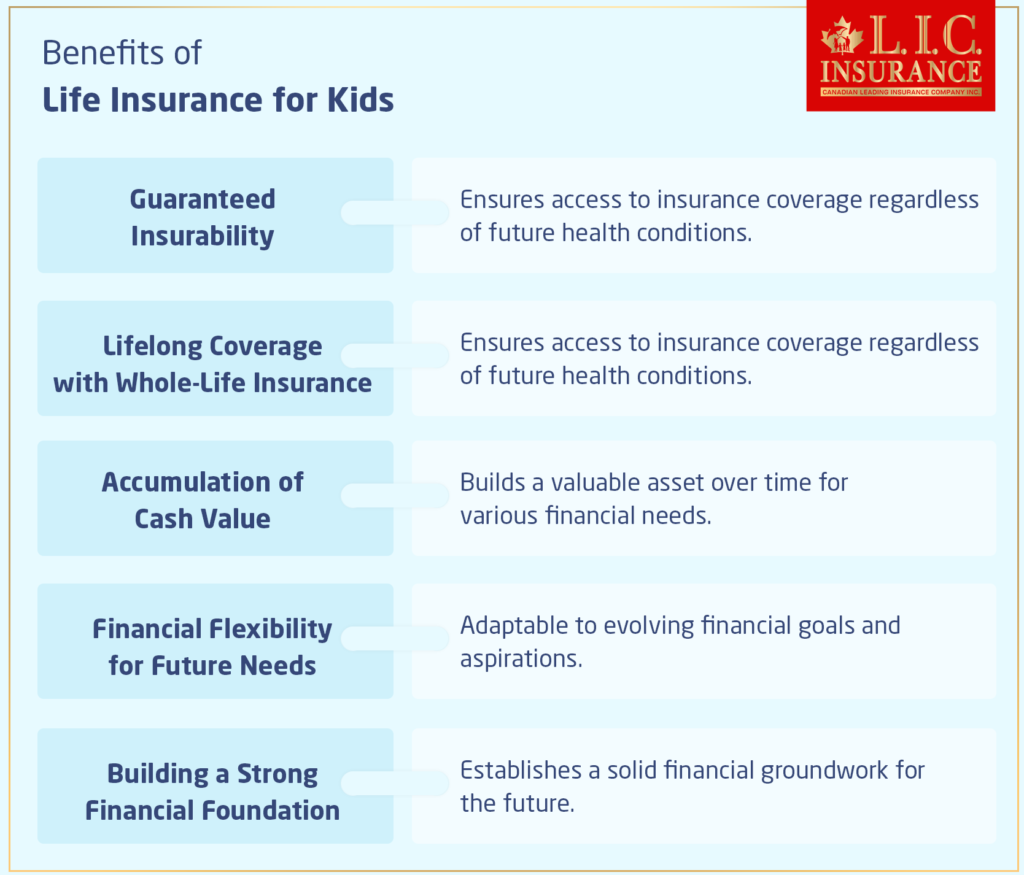
- Guaranteed Insurability: Allows the purchase of additional coverage at specific intervals without undergoing a new medical exam, which is vital as health may decline with age.
Common Pitfalls and Strategic Considerations
While a life insurance policy is a powerful tool, its effectiveness depends on proper management and avoiding common mistakes:
- Treating it as a "Set it and Forget it" Asset: Your need for insurance changes as you age, pay off debt, or increase your wealth. An annual review is necessary to ensure beneficiaries and coverage amounts are still appropriate.
- Naming Minor Children as Direct Beneficiaries: Insurance companies cannot pay death benefits directly to minors. This can lead to court-supervised guardianships and legal delays. Using a trust or the Uniform Transfers to Minors Act (UTMA) is often a better path.
- Under-insuring a Non-Working Spouse: The cost to replace the services provided by a stay-at-home parent (childcare, household management) is often underestimated. Both partners should typically have coverage.
- Lapsing a Policy for Short-Term Cash: Surrendering a permanent policy early can result in significant surrender charges and the loss of protection that would be much more expensive to replace later in life.
Frequently Asked Questions
Is the death benefit from a life insurance policy taxable?
In most cases, the death benefit paid to beneficiaries is not subject to federal income tax. This is one of the most significant advantages of life insurance. However, if the policy is part of a very large estate, it may be subject to federal or state estate taxes unless it is owned by an entity like an ILIT. Interest earned on the death benefit (if the payout is delayed) is taxable.
Can I change my beneficiaries after the policy is issued?
Yes, unless you have designated a "copy-protected" or irrevocable beneficiary, you can change your beneficiaries at any time by filing a form with the insurance carrier. It is recommended to review these designations every few years or after major life events like marriage, divorce, or the birth of a child.
What happens if I outlive my term life insurance policy?
If you reach the end of a term policy, the coverage simply expires. Some policies offer a "return of premium" rider (at a higher cost) that refunds your premiums, while others may allow you to convert the term policy into a permanent policy without a new medical exam. If you still need coverage, you would otherwise need to apply for a new policy at your current age and health status.
How does inflation affect my life insurance policy?
Inflation erodes the purchasing power of a fixed death benefit over time. A $500,000 policy purchased today will buy significantly less in twenty years. To combat this, you can purchase a policy with an "increasing death benefit" option or periodically purchase additional small policies to "ladder" your coverage as your needs and the cost of living rise.
Can the insurance company cancel my policy if my health declines?
No. As long as you continue to pay your premiums on time, the insurance company cannot cancel your coverage due to changes in your health. This is why securing a policy while you are healthy is a vital strategic move—it "locks in" your insurability for the future regardless of medical developments.
Final Recommendation
For anyone looking to secure their financial future in 2026, the first step is to conduct a formal needs analysis. Evaluate your current debt, future obligations, and legacy goals. If you have dependents or significant debt, start with a high-quality term policy to ensure immediate protection. If you are in a higher tax bracket or have a stable surplus of cash flow, consult with a financial advisor about integrating a permanent policy into your broader investment and estate strategy. The best time to secure a policy is always "today," as premiums only increase with age and the risk of health-related exclusions.
Image Gallery