Who Did Bryan Kohberger Kill? The Victims of the Moscow, Idaho Murders
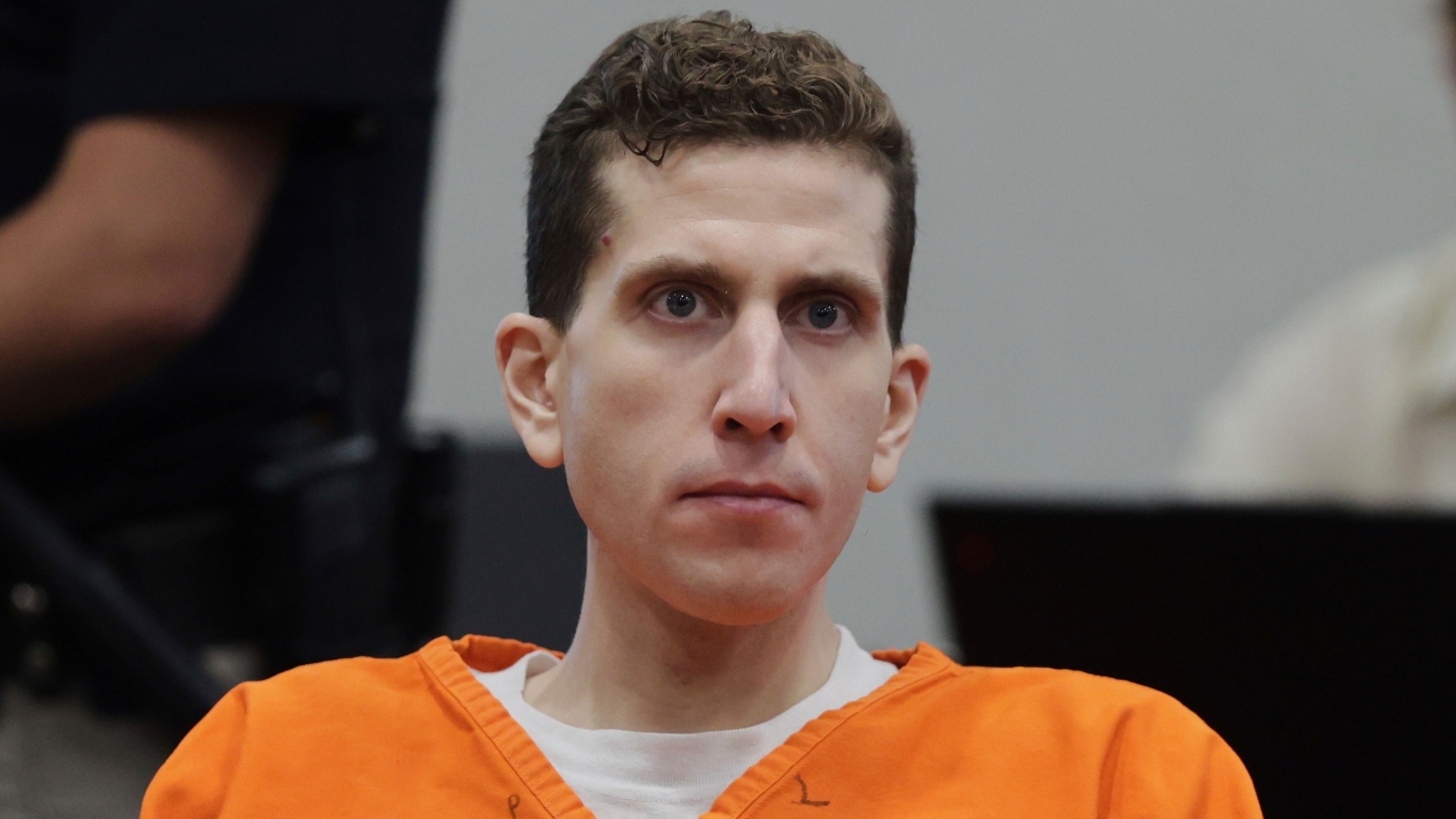
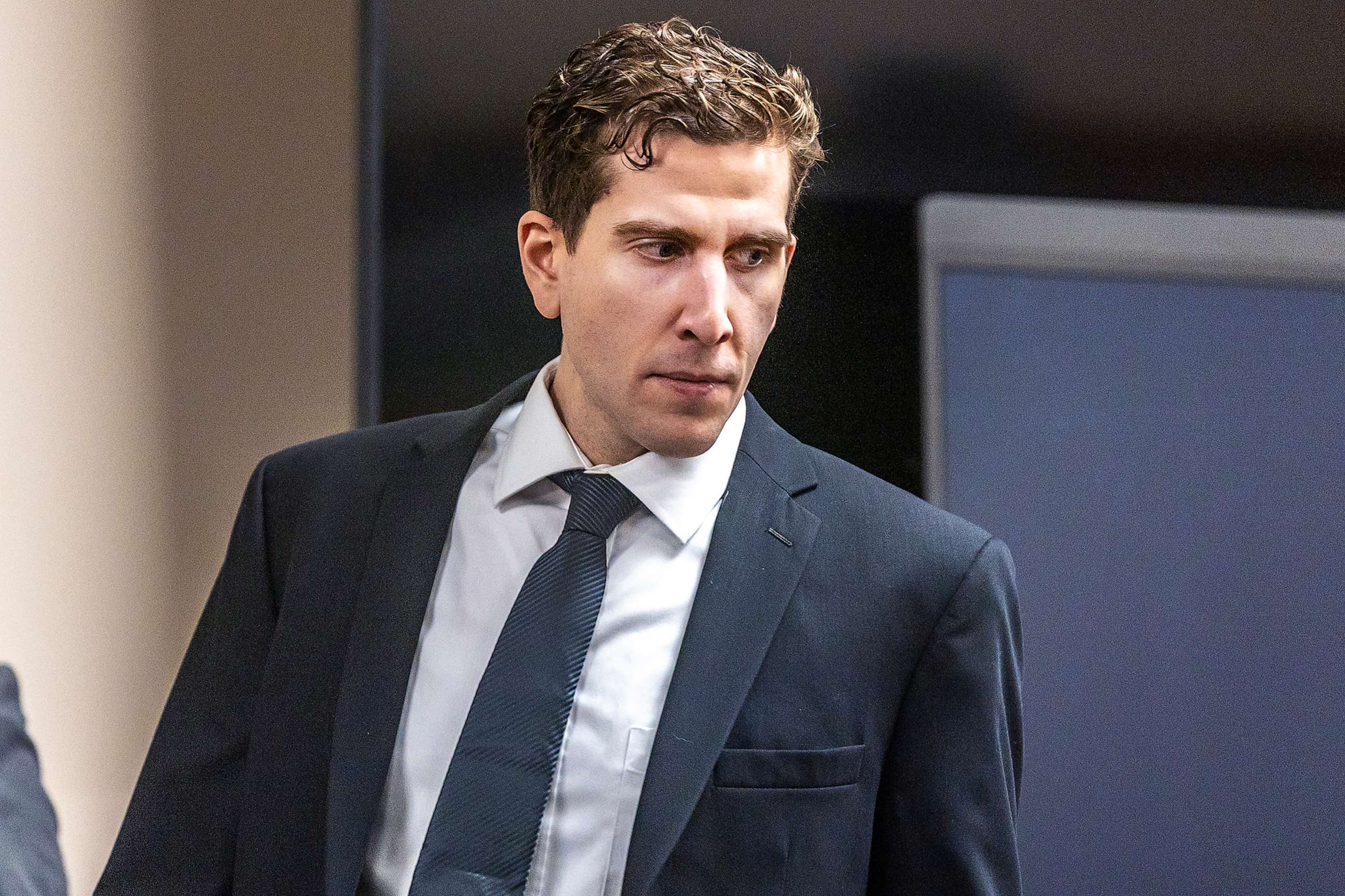
Bryan Kohberger was charged with and stood trial for the murders of four University of Idaho students: Kaylee Goncalves, Madison Mogen, Xana Kernodle, and Ethan Chapin. These four individuals were fatally stabbed in the early morning h...
Bryan Kohberger was charged with and stood trial for the murders of four University of Idaho students: Kaylee Goncalves, Madison Mogen, Xana Kernodle, and Ethan Chapin. These four individuals were fatally stabbed in the early morning hours of November 13, 2022, at an off-campus residence located at 1122 King Road in Moscow, Idaho.
Contents
The case, which gained international attention due to its brutality and the initial lack of a suspect, eventually led to the arrest of Kohberger, a PhD student in criminology at the nearby Washington State University. As of 2026, the legal proceedings and trial outcomes have provided a comprehensive look at the lives lost and the evidence that linked Kohberger to the crime scene. Understanding the identities of the victims and the circumstances of the event is essential for a complete view of this landmark criminal case.
Profiles of the Four Victims
To understand the magnitude of the tragedy, one must look beyond the headlines at the four young lives that were cut short. All four victims were students at the University of Idaho, and their deaths left a profound void in the Moscow community.
Kaylee Goncalves (21)
Kaylee Goncalves, from Rathdrum, Idaho, was a senior majoring in general studies. Known for her outgoing personality and strong family ties, Kaylee was preparing for a significant transition in her life at the time of the murders. She had already completed her graduation requirements and was planning a move to Texas for a new job in IT. She was an active member of the Alpha Phi sorority. Kaylee and Madison Mogen had been best friends since elementary school, a bond that lasted until their final moments.
Madison Mogen (21)
Madison "Maddie" Mogen, of Coeur d’Alene, Idaho, was a senior majoring in marketing. Like Kaylee, she was a member of a sorority—Pi Beta Phi— and was known for her kindness and infectious smile. Maddie worked at a local restaurant called the Mad Greek, which later became a point of interest for investigators looking for potential overlaps between the victims and the suspect. On the night of the murders, Maddie and Kaylee were together at a local bar and a food truck before returning home.
Xana Kernodle (20)
Xana Kernodle was a junior from Post Falls, Idaho, majoring in marketing. She was a member of the Pi Beta Phi sorority and was described by friends as a "firecracker" with a resilient and positive spirit. Xana lived in the King Road house and was in a relationship with Ethan Chapin. Investigators noted that Xana fought back during the attack, as evidenced by defensive wounds found during the autopsy—a detail that highlighted the violent nature of the encounter.
Ethan Chapin (20)
Ethan Chapin was a triplet from Conway, Washington, and a freshman majoring in recreation, sport, and tourism management. He was a member of the Sigma Chi fraternity. Unlike the other three victims, Ethan did not reside at the 1122 King Road house; he was staying over for the night with his girlfriend, Xana Kernodle. Ethan was known for his athletic ability and his deep bond with his siblings, both of whom also attended the University of Idaho.
| Victim Name | Age | Hometown | Major | University Affiliation |
|---|---|---|---|---|
| Kaylee Goncalves | 21 | Rathdrum, ID | General Studies | Alpha Phi |
| Madison Mogen | 21 | Coeur d’Alene, ID | Marketing | Pi Beta Phi |
| Xana Kernodle | 20 | Post Falls, ID | Marketing | Pi Beta Phi |
| Ethan Chapin | 20 | Conway, WA | Recreation | Sigma Chi |
The Events of November 13, 2022
The timeline of the killings is central to the prosecution's case against Bryan Kohberger. According to forensic evidence and surveillance footage, the murders occurred between 4:00 AM and 4:25 AM.
The victims had spent the Saturday evening separately. Kaylee and Madison were downtown at the Corner Club and a food truck, while Xana and Ethan were at the Sigma Chi fraternity house. All four returned to the three-story rental home on King Road by approximately 2:00 AM. Two other roommates were in the house at the time but were not targeted in the attack.
The house itself was a well-known social hub for students, making it an active environment with frequent visitors. However, on that specific Sunday morning, the quiet of the neighborhood was shattered. The 911 call was not placed until nearly noon that day, reporting an "unconscious individual." When police arrived, they discovered the four bodies on the second and third floors. The cause of death for all four was multiple stab wounds from a large fixed-blade knife.
The Identification and Arrest of Bryan Kohberger
For nearly seven weeks, the Moscow Police Department, in collaboration with the FBI and the Idaho State Police, searched for a suspect. The breakthrough came through a combination of traditional detective work and modern technology.
The White Hyundai Elantra
Early in the investigation, police sought information on a white 2011-2013 Hyundai Elantra spotted near the crime scene during the window of the murders. Surveillance footage from the neighborhood and the Washington State University (WSU) campus in Pullman—just 10 miles away—helped investigators track the vehicle's movements. This vehicle was eventually linked to Bryan Kohberger, who was a graduate student at WSU.
DNA and Forensic Evidence
A critical piece of evidence was a tan leather knife sheath found on the bed next to Madison Mogen’s body. DNA recovered from the snap of the sheath was analyzed using Investigative Genetic Genealogy (IGG). This process allowed investigators to compare the crime scene DNA against public genealogy databases, leading them to Kohberger’s family. Following the surreptitious collection of DNA from the Kohberger family's trash in Pennsylvania, a direct match was established.
The Arrest
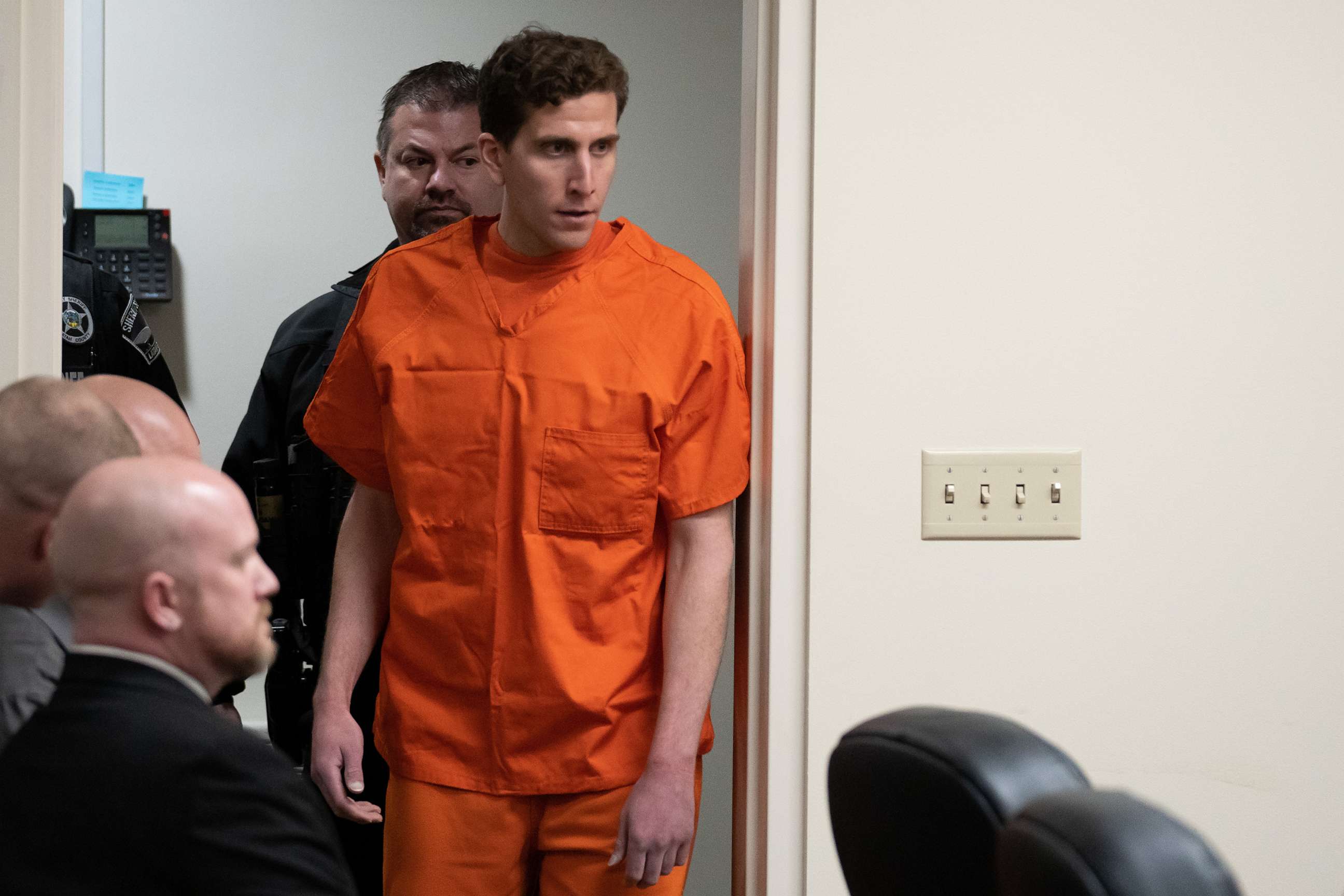
On December 30, 2022, Bryan Kohberger was apprehended at his parents' home in Albrightsville, Pennsylvania. He was subsequently extradited to Idaho to face four counts of first-degree murder and one count of felony burglary.
The Legal Proceedings and 2026 Status
By 2026, the legal landscape of the Kohberger case has moved through several critical phases. Following his arrest, a grand jury indicted Kohberger in May 2023, which bypassed the need for a preliminary hearing. When asked to enter a plea, Kohberger "stood silent," prompting the judge to enter a "not guilty" plea on his behalf.
Change of Venue
One of the most significant legal shifts occurred when the defense successfully argued for a change of venue. Due to the intense local publicity and the emotional weight of the case in Latah County, the trial was moved to Boise, Ada County. This move was intended to ensure a more impartial jury pool, as the Moscow community was deemed too closely connected to the tragedy.
The Trial Evidence
During the trial, the prosecution presented a mountain of circumstantial and forensic evidence. This included:
- Cell Tower Data: Records showed Kohberger’s phone pinging near the King Road residence at least 12 times in the months leading up to the murders, suggesting possible stalking behavior.
- Surveillance Footage: Video of the white Elantra circling the house four times before stopping.
- The Knife Sheath: The presence of Kohberger’s DNA on the sheath found at the scene.
- Eyewitness Testimony: A surviving roommate reported seeing a tall, masked figure with "bushy eyebrows" leaving the house through the sliding glass door on the night of the killings.
The defense, meanwhile, attempted to challenge the validity of the DNA evidence and provided an alibi claiming Kohberger was "out driving" at the time of the murders, a common habit of his.
Impact on the Moscow Community
The murders changed Moscow, Idaho, forever. For years, the town was known primarily as a peaceful college town. The 2022 events brought a media circus and a sense of fear that lingered long after Kohberger's arrest. The University of Idaho has since implemented increased security measures and created a permanent memorial to honor the four students.
The house at 1122 King Road, which became a grim landmark, was demolished in December 2023. The university made this decision to help the community heal and to prevent the site from becoming a destination for "true crime" tourists. In its place, a memorial garden was planned to serve as a space for reflection and remembrance of the vibrant lives of Kaylee, Madison, Xana, and Ethan.
Frequently Asked Questions
What was Bryan Kohberger’s motive?
As of 2026, a definitive motive remains a subject of legal and psychological debate. While prosecutors established a pattern of stalking and interest in the victims, they are not legally required to prove why a crime was committed, only that it was committed by the defendant. His background in criminology led many to speculate he was attempting to commit a "perfect crime."
Were there any survivors in the house?
Yes, two other roommates were in the house at the time of the murders. They were located on the first floor and the second floor. One roommate reported hearing crying and seeing a masked figure, but she remained in her room in a state of "shock" or "frozen fright" for several hours before the police were eventually called. They were cleared of any involvement early in the investigation.
Did Bryan Kohberger know the victims?
There is no confirmed evidence that Kohberger had a personal relationship with any of the victims. However, digital evidence suggested he followed some of the victims on social media and had been in the vicinity of the house on multiple occasions prior to the attack.
Is the death penalty an option in this case?
Yes, the state of Idaho filed a notice of intent to seek the death penalty. Prosecutors cited the "utter disregard for human life" and the "exceptionally heinous, atrocious, or cruel" nature of the crimes as aggravating factors that justify capital punishment under Idaho law.
What kind of knife was used?
The murder weapon was identified as a large, fixed-blade knife, specifically a Ka-Bar style knife. While the sheath was found at the scene, the actual knife used in the killings was never recovered by investigators.
Recommendation for Further Information
For those looking to follow the legal documentation of this case, the Idaho Judicial Branch maintains a public record of filings related to The State of Idaho v. Bryan C. Kohberger. Additionally, the "Vandal Healing Garden" project at the University of Idaho offers updates on how the community is memorializing the victims. If you are interested in supporting the families, many have established scholarships and foundations in the names of Kaylee, Madison, Xana, and Ethan to support future students and local causes.
Image Gallery