Health Insurance and Workers Compensation Types Explained
Navigating the landscape of health insurance and workers compensation requires understanding two fundamentally different systems designed to cover medical expenses and lost wages. Health insurance covers general, non-work-related illne...
Navigating the landscape of health insurance and workers compensation requires understanding two fundamentally different systems designed to cover medical expenses and lost wages. Health insurance covers general, non-work-related illnesses and injuries, while workers compensation is a specialized, employer-paid program dedicated exclusively to job-related injuries and occupational illnesses.
Contents
Understanding how these two systems operate, where they overlap, and how their various types function is vital for both employers and employees. Mismanaging a claim or confusing the coverage boundaries can lead to delayed medical care, unexpected out-of-pocket costs, and legal or administrative complications. Below is a comprehensive breakdown of the core definitions, structural types, operational differences, and strategic management practices for both health insurance and workers compensation.
Foundational Differences: Health Insurance Versus Workers Compensation
To understand either system, one must first recognize that health insurance and workers compensation are governed by entirely different legal frameworks, funding mechanisms, and policy objectives. They serve distinct purposes in the financial and medical safety net.
Health Insurance Purpose and Scope
Health insurance is designed to provide broad medical coverage for an individual or a family, regardless of where or how an illness or injury occurs. Whether an employee develops pneumonia at home, breaks a bone playing weekend soccer, or requires routine preventative care, health insurance steps in to share the cost of doctor visits, prescriptions, hospital stays, and specialized treatments.
Funding for health insurance typically comes from a combination of employer contributions, employee payroll deductions, and individual premium payments. Coverage terms are governed by private contracts or public program rules, such as the Affordable Care Act (ACA), Medicare, or Medicaid.
Workers Compensation Purpose and Scope
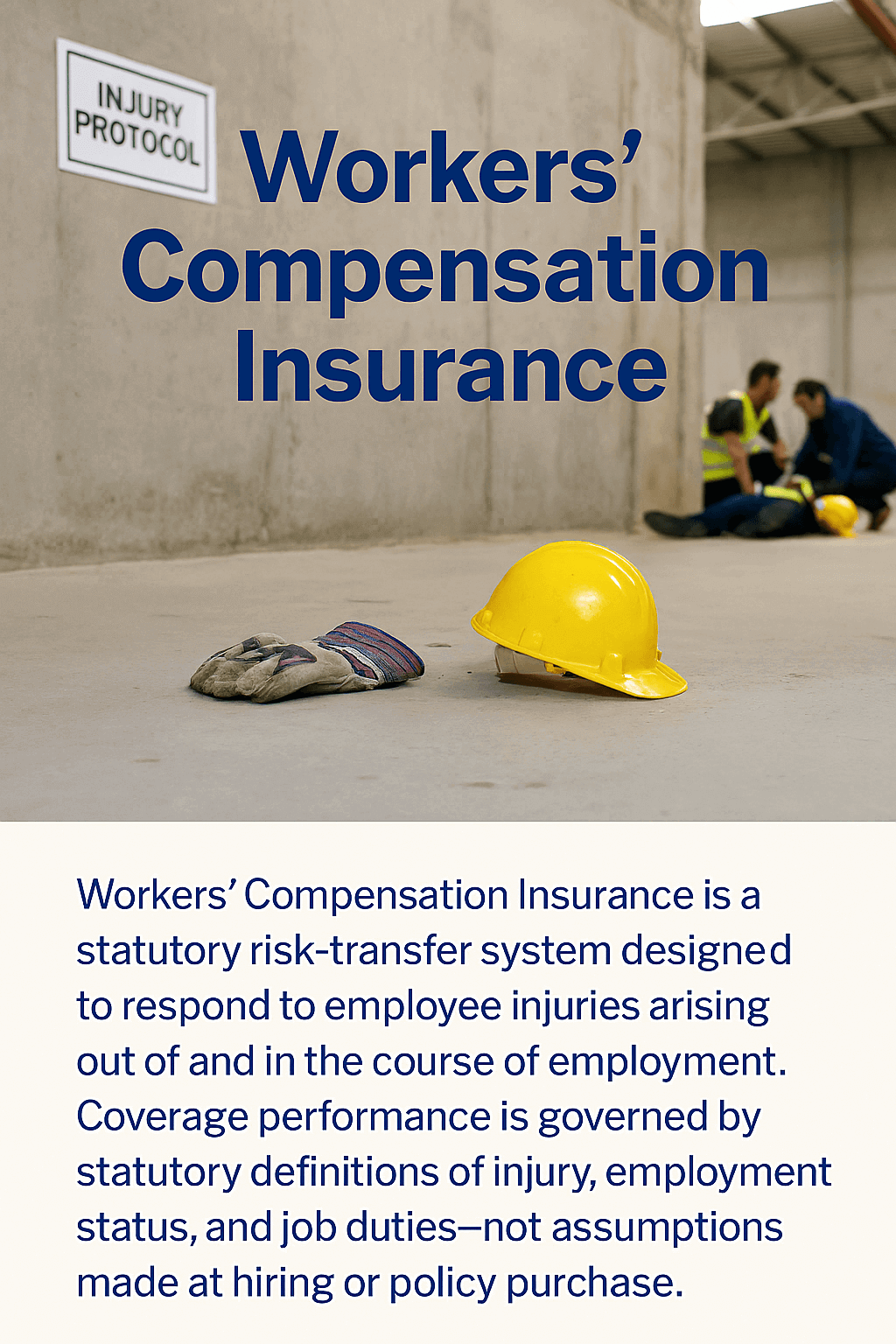
Workers compensation is a mandatory, state-regulated insurance system that provides cash benefits and medical care to workers who are injured or disabled on the job. Unlike health insurance, workers compensation operates on a "no-fault" basis. This means an injured employee receives medical and wage-replacement benefits regardless of who caused the accident, provided the injury arose out of and in the course of employment.
In exchange for this guaranteed coverage, workers generally surrender their right to sue their employer for negligence in civil court. Funding for workers compensation is provided entirely by the employer through insurance premiums or self-insurance reserves; employees contribute nothing toward the cost.
Types of Health Insurance Plans Explained
Health insurance plans vary significantly in how they structure provider networks, manage referrals, and share costs. Choosing the right type depends on geographic availability, budget, and the desire for specialist access without administrative hurdles.
Health Maintenance Organization (HMO)
HMO plans require members to receive care exclusively from physicians and facilities within a predefined network.
- Primary Care Physician (PCP): Members must select a PCP who acts as the coordinator of all care.
- Referrals: To see a specialist, the member must obtain a referral from their PCP. Non-emergency care received outside the network is generally not covered, making out-of-pocket costs high if network rules are ignored.
- Cost Structure: HMOs typically feature lower monthly premiums and minimal out-of-pocket deductibles compared to other plan types.
Preferred Provider Organization (PPO)
PPO plans offer greater flexibility when selecting healthcare providers.
- Network Flexibility: Members can see any doctor or specialist without a referral, though staying within the preferred network results in significantly lower coinsurance and copays.
- Out-of-Network Coverage: PPOs provide partial coverage for out-of-network care, though the patient is responsible for higher cost-sharing and potential balance billing.
- Cost Structure: Premiums and deductibles are generally higher than those of HMOs, reflecting the added value of provider flexibility.
Exclusive Provider Organization (EPO)
EPO plans represent a middle ground between HMOs and PPOs.
- No Out-of-Network Care: Like an HMO, an EPO does not cover care received outside its designated provider network, except in medical emergencies.
- No Referrals Required: Unlike an HMO, members can schedule appointments directly with network specialists without obtaining a prior referral from a primary care physician.
- Cost Structure: Premiums are typically moderate, sitting between HMO and PPO price points.
High-Deductible Health Plan (HDHP) with Health Savings Account (HSA)
HDHPs feature higher deductibles and lower monthly premiums than traditional managed care plans.
- Financial Integration: These plans are often paired with a tax-advantaged Health Savings Account (HSA), allowing individuals to save pre-tax dollars for qualified medical expenses.
- Preventative Care: Under federal rules, preventative care is typically covered at 100% even before the annual deductible is met.
- Suitability: HDHPs appeal to healthy individuals or those seeking long-term tax-advantaged health savings, but they require careful budgeting for years with high medical utilization.
Types of Workers Compensation Benefits and Coverage Structures
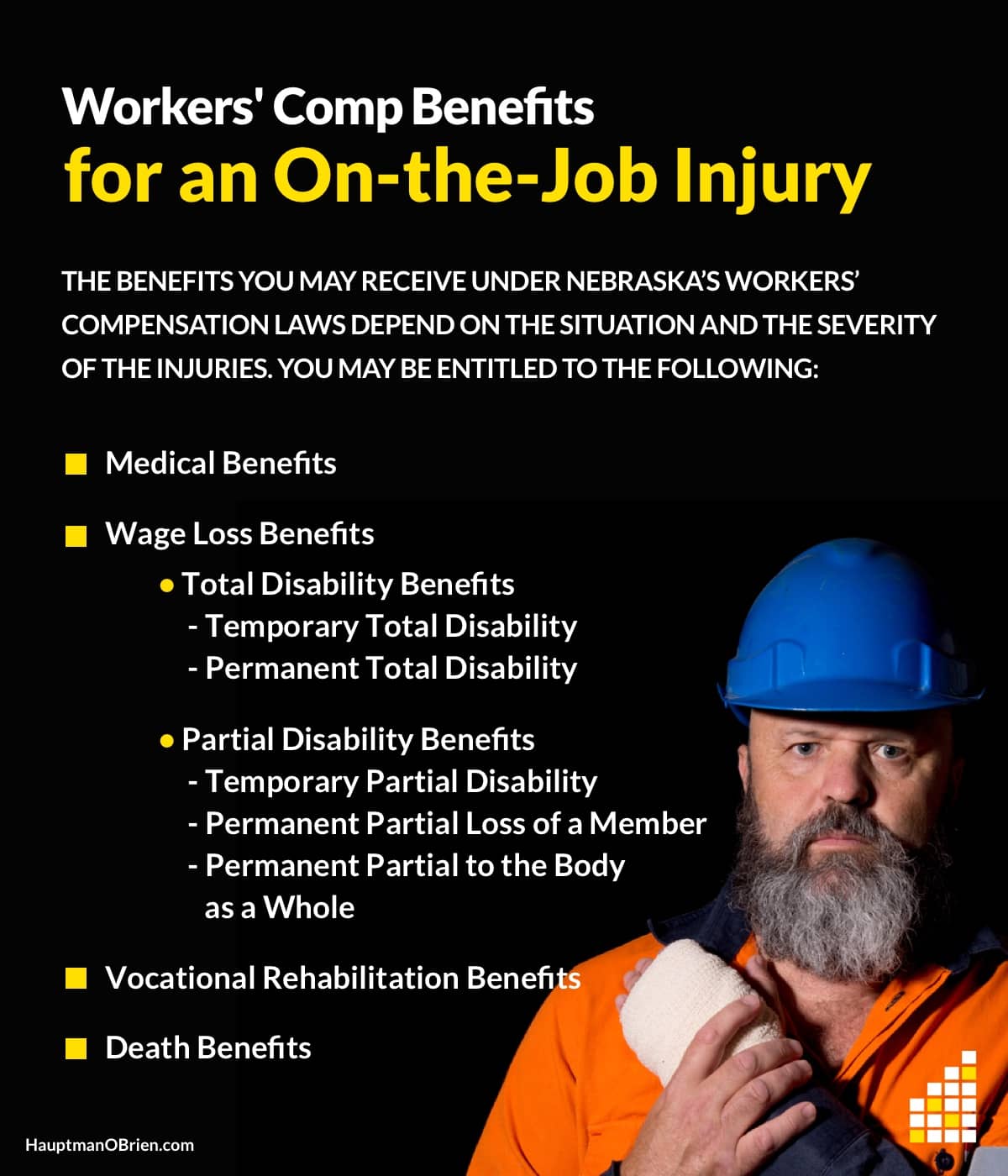
Workers compensation is not a single uniform product; rather, it comprises several distinct categories of benefits designed to address the multifaceted impact of a workplace injury.
Medical Treatment Benefits
This core benefit covers all reasonable and necessary medical care required to treat a work-related injury or illness.
- Scope: Includes emergency room visits, surgeries, doctor consultations, physical therapy, prescription medications, and necessary medical equipment like crutches or wheelchairs.
- Provider Control: Depending on state regulations, the employer or insurance carrier may dictate which physicians the employee can visit, particularly during the initial stages of treatment.
Temporary Disability Benefits
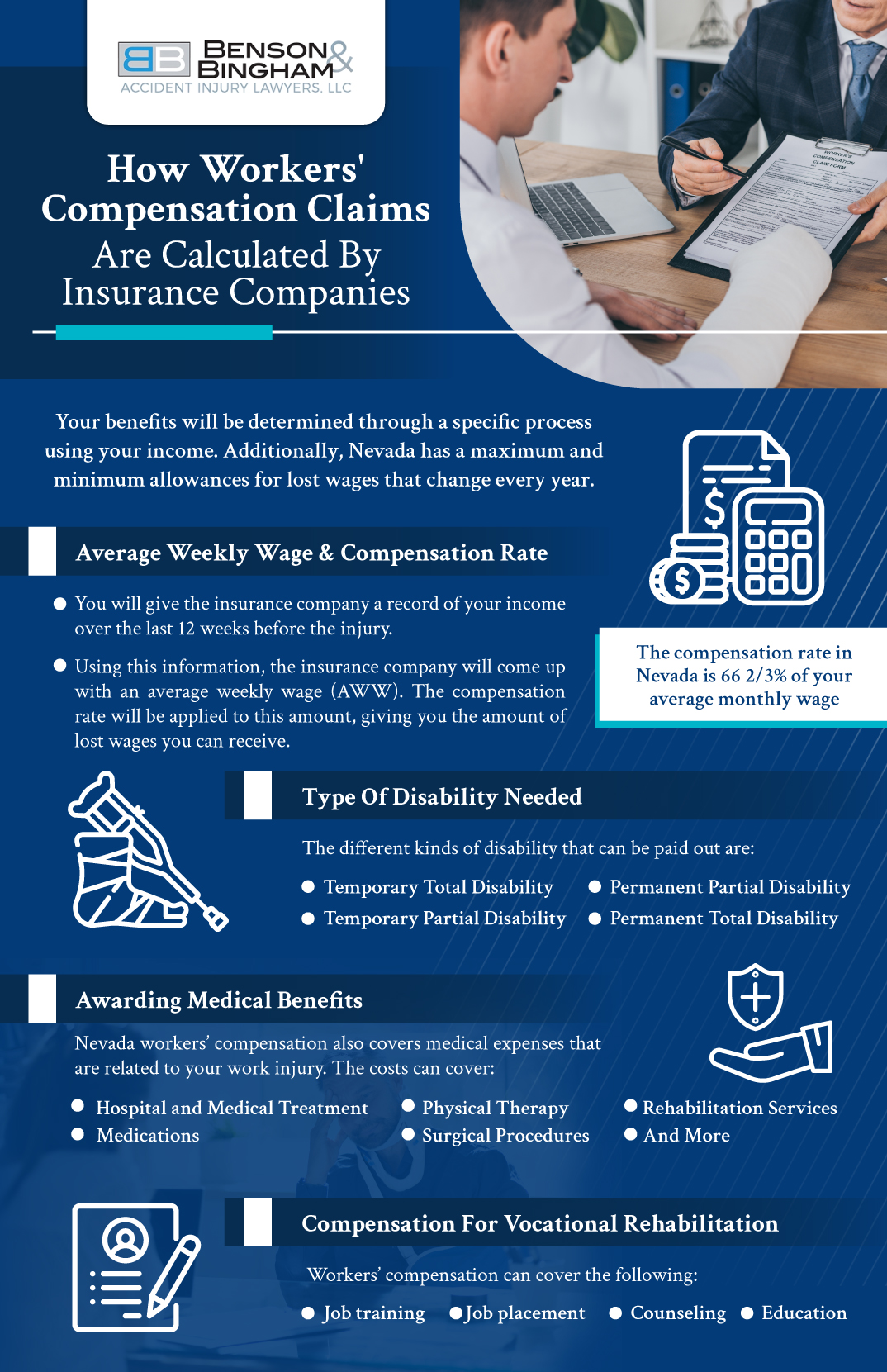
When a workplace injury prevents an employee from working while recovering, temporary disability benefits replace a portion of lost wages.
- Temporary Total Disability (TTD): Paid when an employee is completely unable to work for a temporary period.
- Temporary Partial Disability (TPD): Paid when an employee can return to work on light duty or restricted hours but earns less than their pre-injury wage.
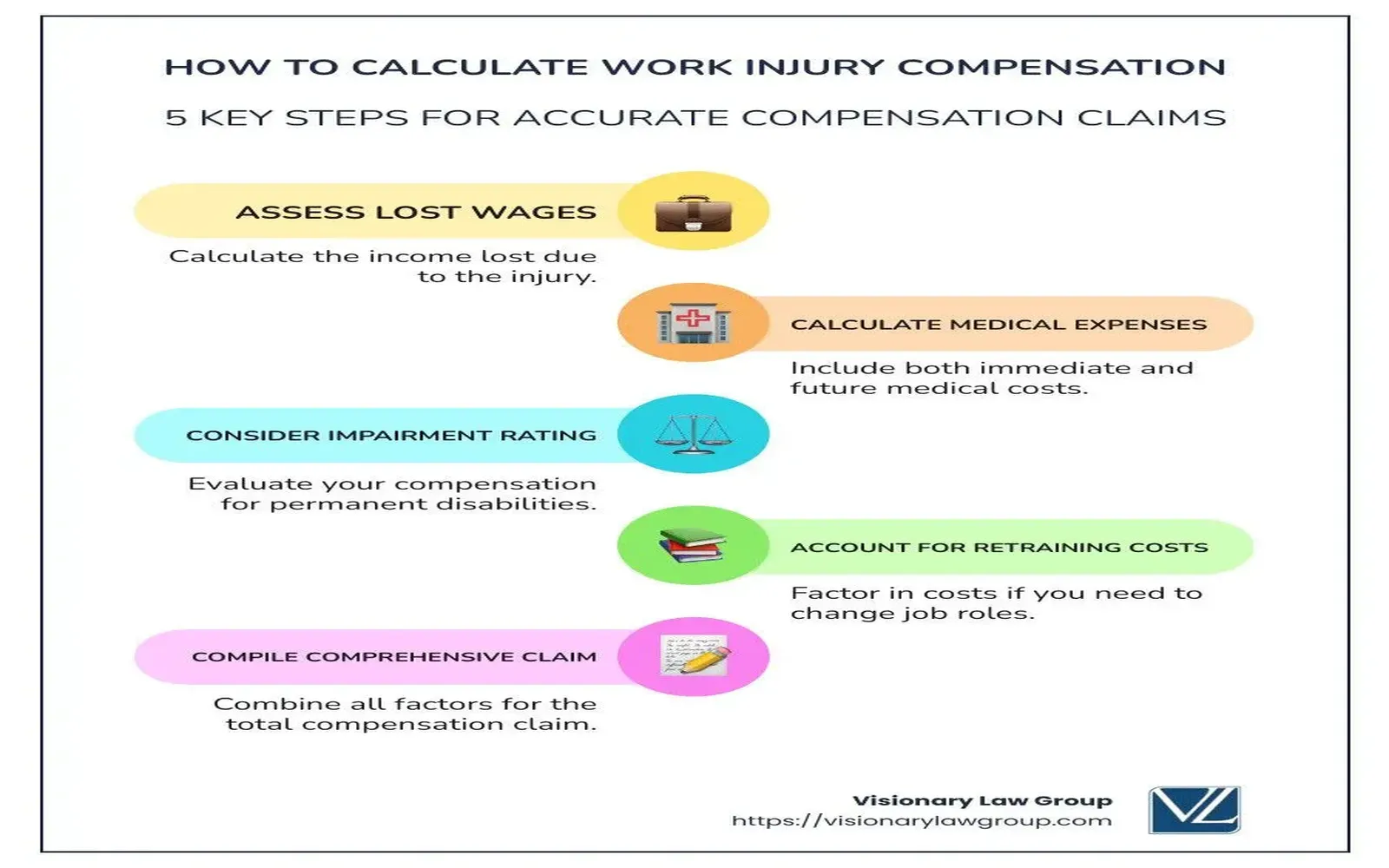
- Calculation: Typically calculated as a percentage (often two-thirds) of the employee’s average weekly wage, subject to state-mandated maximum and minimum caps.
Permanent Disability Benefits
If an injury results in long-lasting or permanent physical limitations that impair an employee’s earning capacity, permanent disability benefits are triggered.
- Permanent Partial Disability (PPD): Awarded when a specific body part or function suffers lasting impairment, but the worker can still engage in some form of employment.
- Permanent Total Disability (PTD): Awarded when an injury is so severe that the worker is permanently unable to engage in any gainful employment.
Vocational Rehabilitation Benefits
When an injury prevents an employee from returning to their previous occupation, vocational rehabilitation assists with career transition.
- Services: Includes job retraining, skills assessment, resume development, and placement assistance to help the worker re-enter the workforce in a suitable capacity.
Death Benefits
If a workplace injury or illness results in an employee's death, workers compensation provides financial support to surviving dependents.
- Scope: Covers statutory funeral and burial expenses, alongside regular income replacement payments distributed to surviving spouses, children, or other eligible dependents based on state guidelines.
Comparison of Health Insurance and Workers Compensation
| Feature | Health Insurance | Workers Compensation |
|---|---|---|
| Primary Trigger | Any illness, injury, or preventative need, regardless of origin. | Injuries and illnesses arising directly out of and in the course of employment. |
| Fault Standard | No-fault (covers care regardless of who is sick or how it happened). | No-fault (covers work accidents regardless of ordinary worker negligence). |
| Funding Source | Employer contributions, employee payroll deductions, individual pay. | Fully funded by the employer (no employee financial contributions). |
| Cost Sharing | Premiums, deductibles, copays, and coinsurance paid by the insured. | No deductibles, copays, or premiums for the injured worker. |
| Wage Replacement | Generally not provided (unless paired with separate disability insurance). | Included (temporary and permanent disability wage replacement benefits). |
| Legal Rights | Does not restrict the right to sue third parties; standard medical liability applies. | Replaces the right to sue the employer for workplace negligence (exclusive remedy). |
Intersection, Coordination, and Disputes Between Systems
Because health insurance and workers compensation serve different domains, strict boundaries govern when each system applies. Misunderstandings at these boundaries create administrative friction and coverage denials.
The Problem of Dual Jurisdiction and Denied Claims
When an injury occurs, determining whether it is work-related is the first critical step. If an employee is injured while performing job duties, workers compensation is the exclusive remedy. However, employers and insurers frequently dispute whether an injury truly arose out of employment—for example, in cases involving pre-existing degenerative conditions, repetitive strain injuries developed over years, or incidents occurring during a lunch break.
If a workers compensation claim is denied, the employee may attempt to bill their private health insurance. Conversely, if private health insurance discovers an injury is work-related, insurers will often reject the claim and redirect the provider to the workers compensation carrier.
Coordination of Benefits
To prevent fraudulent double-recovery, coordination rules dictate that workers compensation is primary for any medical treatment related to a verified workplace injury. Private health insurance policies universally contain "exclusion clauses" for work-related injuries covered by workers compensation.
If an employee uses private health insurance to treat a work injury before the workers compensation claim is accepted, the health insurer has a legal right of subrogation. This means the health plan can demand reimbursement from the workers compensation carrier once the claim is approved.
Frequently Asked Questions
Can I use my personal health insurance for a workplace injury?
Generally, no. Private health insurance policies explicitly exclude coverage for injuries or illnesses sustained on the job that are eligible for workers compensation. Using personal health insurance for a work-related injury can lead to claim denials or investigations into misrepresentation once insurers identify the occupational context.
What happens if my workers compensation claim is denied?
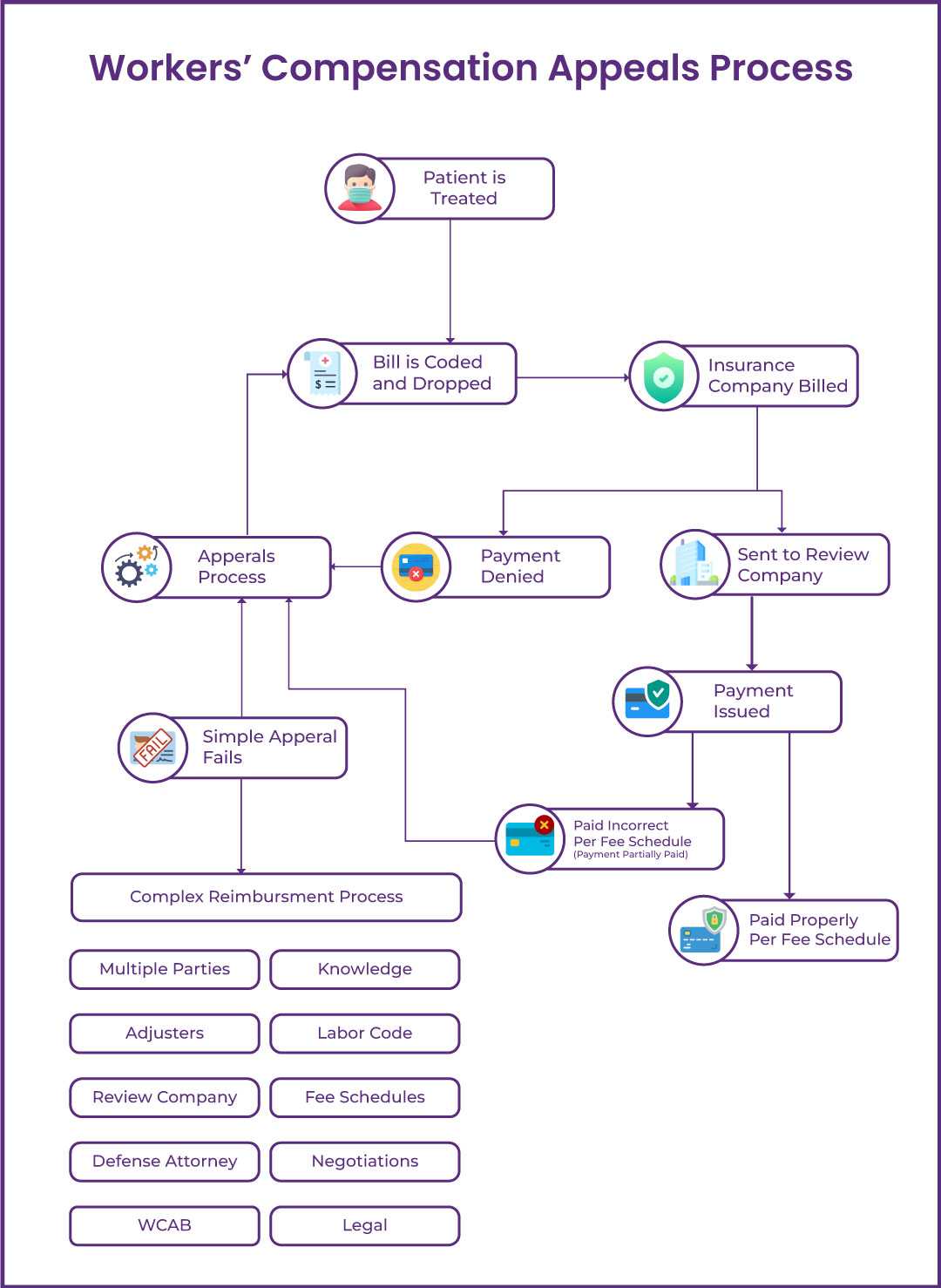
If your workers compensation claim is denied, you have the right to appeal the decision through your state’s workers compensation board or industrial commission. During the appeals process, you can consult with your private health insurance provider or a specialized workers compensation attorney to ensure your medical needs are addressed while the dispute is litigated.
Do employees pay anything toward workers compensation?
No. Workers compensation is entirely funded by employers through mandatory insurance policies or state-approved self-insurance programs. Deducting workers compensation costs from employee paychecks violates labor and insurance regulations in all jurisdictions.
Can an employer fire an employee for filing a workers compensation claim?
No. State and federal laws prohibit employers from retaliating against employees for exercising their legal right to file a workers compensation claim. Retaliation includes wrongful termination, demotion, reduction in hours, or harassment. If retaliation occurs, the employee may pursue a separate legal claim against the employer.
How do pre-existing conditions affect workers compensation?
A pre-existing condition does not automatically disqualify an employee from receiving workers compensation. If a work-related incident aggravates, accelerates, or worsens a pre-existing medical condition, the resulting disability and medical treatment are generally compensable under workers compensation laws, though apportionment rules may apply depending on the state.
Strategic Next Steps for Employers and Employees
For employers, maintaining compliant workers compensation coverage and partnering with reputable health insurance brokers is essential for risk management, workforce retention, and legal compliance. Ensuring clear reporting protocols for workplace injuries prevents minor incidents from escalating into costly legal disputes.
For employees, understanding the distinct boundaries of these two insurance types ensures prompt access to medical care and financial protection. Always report workplace injuries to your supervisor immediately, adhere to designated medical provider networks for workers compensation claims, and consult human resources or legal professionals if coverage disputes arise.
Image Gallery