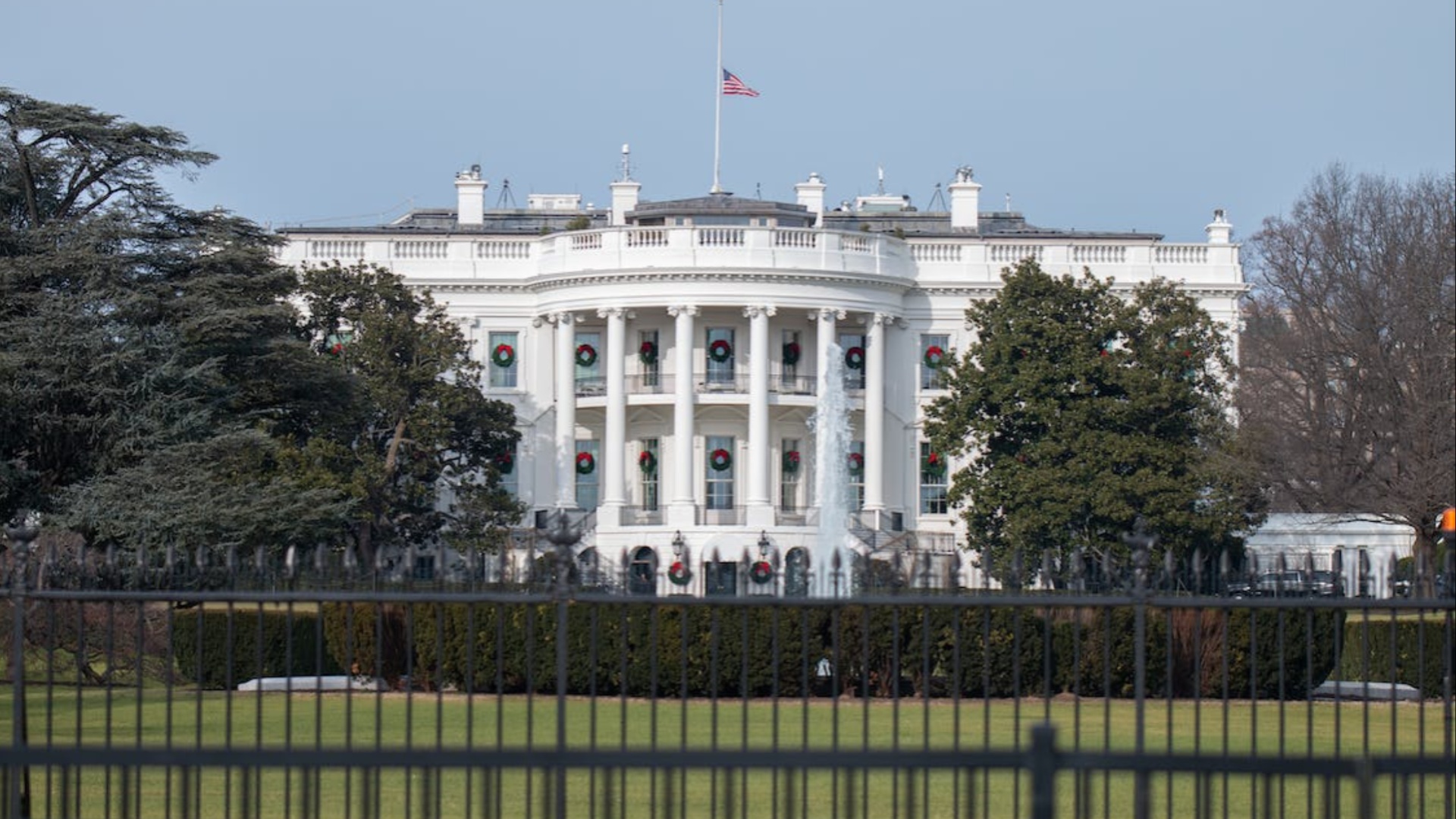
Understanding the White House Taylor Swift Song Incident: A Detailed Explanation
The "White House Taylor Swift song incident" refers to the controversy surrounding the unauthorized or politically charged use of Taylor Swift’s music and likeness in connection with events, social media communications, or promotional...
The "White House Taylor Swift song incident" refers to the controversy surrounding the unauthorized or politically charged use of Taylor Swift’s music and likeness in connection with events, social media communications, or promotional materials associated with the White House or its political affiliates. This incident primarily centers on the intersection of intellectual property rights, celebrity endorsement, and the role of popular culture in modern political communication.
Contents
The Context of Celebrity and Political Communication
To understand why a "Taylor Swift song incident" involving the White House draws such significant public and legal attention, one must first recognize the evolution of political messaging. In the current media landscape, the White House—and political entities operating within its orbit—frequently utilize cultural touchstones to increase engagement across digital platforms. Taylor Swift, as one of the most commercially successful and culturally influential artists of the 2020s, represents a pinnacle of reach.
When a White House account or an affiliated campaign organization uses a copyrighted track, they must navigate a complex legal landscape. Music rights are governed by intricate licensing agreements. These agreements usually fall into two categories: synchronization rights (for visual media) and master use licenses. If these protocols are not meticulously followed, the copyright holder—in this case, Swift or her record label—has the legal standing to challenge the usage.
Intellectual Property Rights and Political Endorsement
The core of the incident involves the Right of Publicity and copyright law. While the White House operates as a public entity, the use of a private citizen’s creative work for political purposes carries legal and ethical baggage.
- Copyright Infringement: If a song is used in a video clip posted to social media without a specific license, it constitutes a violation of the Copyright Act. Even if the platform (such as X, formerly Twitter, or Instagram) has blanket licenses, these licenses rarely extend to political campaign activities or partisan messaging.
- Right of Publicity: This legal doctrine protects individuals from having their persona, voice, or image used for commercial or political gain without their consent. The "incident" typically gains heat when observers perceive that the White House or a related entity is implying an endorsement from the artist that may not exist.
- The Implied Endorsement: The primary risk for the White House in these scenarios is the public perception that the artist supports a specific policy or political figure. When the music is used in a video that promotes a political agenda, the artist often faces backlash from fans who hold opposing views, leading to public clarifications or "cease and desist" signals.
Legal Mechanisms of the Dispute
When incidents involving high-profile artists and government or political accounts occur, the process usually unfolds through specific legal and social channels. The artist’s legal team typically monitors the usage of their intellectual property.
- Notice and Takedown: In the first instance, an artist’s management will issue a demand to the platform hosting the content to remove the media. This is a standard procedure under the Digital Millennium Copyright Act (DMCA).
- Private Negotiation: In cases involving government-adjacent accounts, these disputes are often settled privately. Lawyers for the White House or political organizations clarify that the usage was a technical error or an automated content oversight, rather than a calculated attempt to claim endorsement.
- Public Statement: Often, the artist or their representative will issue a brief statement clarifying their lack of involvement, which effectively quells the news cycle and serves as a firm boundary-setting exercise.
Comparison of Usage Risks
To better understand why the White House and similar entities must be cautious, consider the differences in how music is permitted in various spheres of influence.
| Usage Type | Licensing Requirement | Legal Vulnerability |
|---|---|---|
| Personal Social Media | Platform-blanket licenses apply | Minimal |
| Commercial Advertising | Sync and Master License required | High |
| Political Campaigning | Express, specific permission needed | Very High |
| News Reporting/Fair Use | Limited; varies by jurisdiction | Moderate |
The Role of Fan Engagement and Digital Virality
A critical factor in the White House-Taylor Swift narrative is the role of the "Swifties"—the artist’s dedicated fan base. Because this audience is highly active on social media and possesses significant digital literacy, any unauthorized use of her music is quickly identified and amplified.
This creates a self-policing mechanism. While a minor official account might use a song accidentally, the speed with which the fan community tracks such usage forces the White House to address the situation almost immediately. This dynamic has changed how government communications offices operate. Many now employ dedicated digital media lawyers to review content before it goes live to ensure that no copyrighted material, especially music associated with high-profile artists, is included without explicit clearance.
Common Misconceptions
There are several persistent myths regarding why these incidents occur. It is frequently assumed that because a song is "popular" or "trending" on a platform, it is free for anyone to use. This is inaccurate.
- The Platform Fallacy: Just because an app offers a library of music for public use does not mean that commercial or government entities can leverage those tools for official communication. The license provided by the platform is strictly for personal, non-commercial use.
- The Public Domain Myth: Some believe that music used in public events or political speeches is automatically in the public domain. Musical compositions and sound recordings are protected by copyright for the life of the creator plus 70 years, and these protections are strictly enforced.
Next Actions for Organizations
If an organization finds itself in a position similar to the White House regarding the use of music, the following steps are generally advised to mitigate legal risk:
- Audit Existing Content: Review all social media archives to ensure that copyrighted music is not being used in promotional materials.
- Establish a Music Policy: Create a clear internal policy that dictates all content creators must use royalty-free music or original compositions produced specifically for the organization.
- Legal Consultation: Before posting content that features any celebrity or recognizable creative work, consult with legal counsel regarding the Right of Publicity and trademark implications.
- Swift Resolution: If a claim of unauthorized use is raised, remove the content immediately and issue a standard acknowledgement if required by the artist's legal counsel.
Frequently Asked Questions
1. Is it legal for the White House to use Taylor Swift’s music in official videos? No, not without an express license. Political and government entities are not exempt from copyright laws, and they must secure specific agreements if they intend to use a recording in a video that conveys a specific message or promotion.
2. Does the "Fair Use" doctrine protect political accounts? Fair use is a legal defense, not a right. It is very difficult to argue that using a popular song in a promotional or political video qualifies as fair use, as such use typically does not fall into categories like news reporting, criticism, or parody.
3. Why do these incidents happen so frequently? They often occur due to the rapid pace of digital content production. Social media teams often pull "trending audio" to ensure their posts reach a wider audience, inadvertently bypassing the legal review process required for such high-profile assets.
4. What are the consequences of using music without a license? Consequences can include DMCA takedown notices, the suspension of social media accounts, and potential litigation for copyright infringement, which can lead to significant financial penalties.
5. How can I ensure my organization avoids these issues? The most effective way to avoid copyright issues is to use licensed libraries (such as Epidemic Sound or Artlist) or to commission custom music. Avoid using trending commercial music from major labels entirely in professional or official social media.
Moving Forward
The incident serves as a primary example of how the boundaries of intellectual property are tested in the digital age. As the White House and other major institutions continue to reach audiences through social media, the necessity for robust legal oversight in content creation will only increase. By respecting the creative rights of artists and maintaining clear boundaries between official government communications and commercial creative assets, these entities can avoid the reputational and legal pitfalls that come with unauthorized song usage.
Image Gallery