The Legacy of John and Joan Hill: A Houston True Crime Mystery
The story of John and Joan Hill remains one of the most compelling and controversial true crime sagas in American history, centered on the 1969 death of socialite Joan Robinson Hill and the subsequent 1972 murder of her husband, Dr. Jo...
The story of John and Joan Hill remains one of the most compelling and controversial true crime sagas in American history, centered on the 1969 death of socialite Joan Robinson Hill and the subsequent 1972 murder of her husband, Dr. John Hill. Their lives, marked by wealth, medical ambition, and family vendettas, have been immortalized in literature and film as a quintessential Texas tragedy.
Contents
The Socialite and the Surgeon: A Houston Power Couple
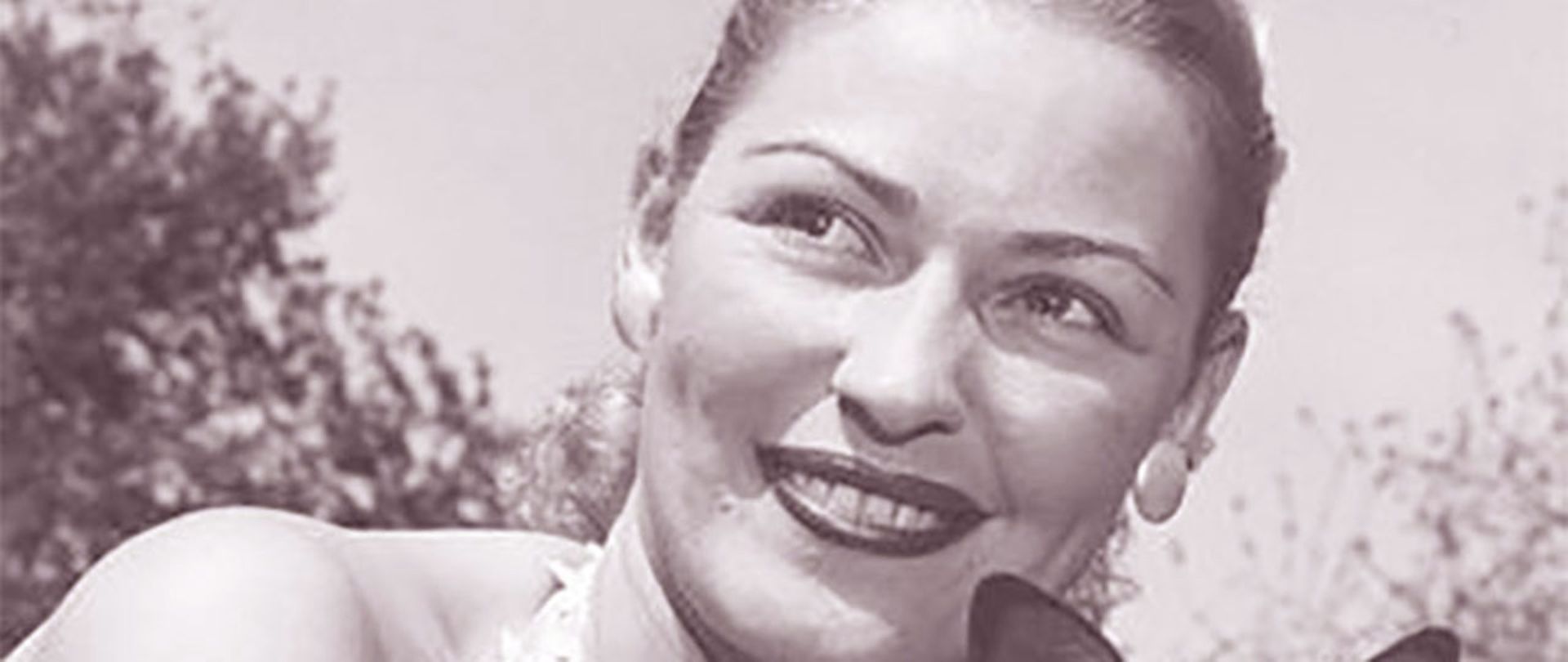
To understand the tragedy of John and Joan Hill, one must first look at the social landscape of Houston, Texas, in the 1950s and 60s. Joan Robinson was the adopted daughter of Ash Robinson, a wealthy and fiercely protective oilman. Joan was a celebrated equestrian, known nationally for her skill in the show ring, particularly with five-gaited horses. She was a fixture of the Houston social scene, embodying the grace and privilege of the River Oaks neighborhood.
In the mid-1950s, Joan met John Hill, a talented and ambitious medical student with a passion for music. Despite Ash Robinson’s initial reservations, the two married in 1957. John Hill eventually became a highly successful plastic surgeon, known for his technical skill and his involvement in the city's growing medical community. On the surface, the Hills represented the pinnacle of Houston success: a beautiful, athletic heiress and a brilliant, rising doctor.
However, the marriage was reportedly strained by John’s demanding career, his intense musical hobbies—which included playing several instruments and conducting a home orchestra—and his eventual extramarital affairs. By the late 1960s, the facade of the perfect marriage began to crumble, setting the stage for a series of events that would shock the nation.
The Fatal Illness of March 1969
The core of the mystery begins in March 1969. Joan Robinson Hill, who was typically vibrant and healthy, suddenly became ill with what appeared to be a severe stomach ailment. Over several days, her condition deteriorated rapidly. Despite her worsening state, Dr. John Hill did not immediately admit her to a major hospital. Instead, he eventually took her to Sharpstown General, a small hospital where he had significant influence, rather than the renowned Texas Medical Center.
Joan died on March 19, 1969, at the age of 38. The official cause of death was initially listed as pancreatitis, but the circumstances raised immediate red flags for her father, Ash Robinson. He was convinced that John had murdered Joan to be with his mistress, Ann Kurth, and to avoid a costly divorce that would strip him of the Robinson fortune.
The Controversy of the Autopsy
The medical handling of Joan’s body remains a point of intense scrutiny. Before an autopsy could be performed by the county medical examiner, John Hill authorized a private autopsy and allowed the body to be embalmed shortly thereafter. This action significantly complicated future forensic investigations, as embalming fluid destroys much of the chemical evidence required to detect certain toxins or infections.
Ash Robinson used his considerable resources to push for further investigation. Eventually, Joan’s body was exhumed for multiple subsequent autopsies. Forensic experts, including the renowned Dr. Milton Helpern, were brought in to examine the remains. These later examinations suggested that Joan might have died from a massive infection, leading to the sensational theory that John had fed her pastries laced with fecal bacteria to induce a "natural" death.
The Legal Battle: Murder by Omission
In 1971, the State of Texas brought John Hill to trial. Notably, he was not charged with direct murder but with "murder by omission." The prosecution argued that Hill had intentionally failed to provide his wife with the necessary medical care that would have saved her life, thereby causing her death through negligence.
The trial was a media sensation. It featured testimony from John's second wife, Ann Kurth, who made shocking claims that John had confessed to killing Joan and had even tried to kill Kurth herself. Her testimony was so inflammatory and legally problematic that it resulted in a mistrial. Before a second trial could be convened, the case took an even darker turn.
Understanding "Murder by Omission" in 1970s Texas
At the time, charging a physician with murder by omission was a rare and difficult legal strategy. It required proving that:
- The defendant had a legal duty to act (which a husband and doctor clearly did).
- The defendant deliberately withheld care with the intent to cause death.
- The withholding of care was the direct cause of the victim's demise.
The complexity of the medical evidence, coupled with the "he-said-she-said" nature of the personal testimonies, made this one of the most difficult cases for the Harris County District Attorney's office to prosecute.
The Assassination of Dr. John Hill
In September 1972, while awaiting his second trial, Dr. John Hill was shot and killed in his River Oaks mansion. The shooting occurred in front of his third wife, Connie Hill, and his mother. The gunman, Bobby Wayne Vandiver, was eventually apprehended but was killed in an unrelated police shootout before he could testify about who hired him.
The investigation into John Hill's death led back to a woman named Lilla Paulus, a former madam with links to the Houston underworld, and ultimately to Ash Robinson. While Ash Robinson was never convicted of the murder, many, including the authors who chronicled the case, believed he had orchestrated the hit as an act of vigilante justice for his daughter's death.
| Key Figure | Role in the Saga | Ultimate Fate |
|---|---|---|
| Joan Robinson Hill | Socialite and equestrian | Died of a mysterious infection in 1969. |
| Dr. John Hill | Plastic surgeon; husband of Joan | Assassinated in his home in 1972. |
| Ash Robinson | Oilman; father of Joan | Died in 1985; never charged with John's murder. |
| Ann Kurth | John's mistress and second wife | Wrote a tell-all book; died in 1990. |
| Bobby Wayne Vandiver | Hired hitman | Killed by police in 1974. |
| Lilla Paulus | Intermediary for the hit | Convicted of murder and died in prison in 1986. |
Analyzing the Cultural Impact: Blood and Money
The story of John and Joan Hill was brought to a global audience by Thomas Thompson’s 1976 true crime masterpiece, Blood and Money. The book provided an exhaustive look at the case, the culture of Houston’s elite, and the psychological warfare between Ash Robinson and John Hill. It is still considered one of the finest examples of the genre, alongside Truman Capote's In Cold Blood.
In 1981, the story was adapted into a television movie titled Murder in Texas, starring Farrah Fawcett as Joan Robinson Hill and Sam Elliott as a character based on the legal figures involved. These dramatizations have ensured that the case remains a subject of fascination for true crime enthusiasts and historians alike.
The Medical Mystery Perspective
From a modern medical standpoint, the death of Joan Robinson Hill is often analyzed through the lens of toxic shock or a severe streptococcal infection. In 1969, the understanding of "toxic shock syndrome" was not yet fully developed (it was formally named in 1978). While the "poisoned pastry" theory makes for a compelling narrative, many medical historians suggest that Joan may have succumbed to an aggressive bacterial infection that John Hill, either through incompetence or malice, failed to treat with basic antibiotics and intravenous fluids.
Current Status and Legacy in 2026
As of 2026, the case of John and Joan Hill is viewed as a foundational moment in Houston's modern history. The Robinson family estate and the Hill mansion remain landmarks of interest for those studying the city's past. The legal precedents regarding medical negligence and the ethical boundaries of private investigations have been shaped by the fallout of this case.
For researchers and descendants, the story serves as a cautionary tale about the intersection of extreme wealth, obsession, and the failings of the justice system. The "Hill-Robinson" saga is frequently cited in discussions about how the American legal system handled high-society crimes before the era of DNA evidence and modern forensic technology.
Frequently Asked Questions
Was John Hill ever actually convicted of Joan's murder?
No. John Hill was only ever tried once, and that trial ended in a mistrial. He was killed before the state could bring him to trial for a second time. Consequently, he remains legally innocent of his wife's death, though public opinion remains sharply divided.
Did Ash Robinson really hire a hitman to kill John Hill?
While Ash Robinson was never formally charged or convicted of the murder of John Hill, the testimony of Lilla Paulus and the investigation into the hitman, Bobby Wayne Vandiver, strongly suggested his involvement. Robinson maintained his innocence until his death in 1985, claiming he only wanted justice for his daughter through legal means.
What happened to Robert "Boot" Hill, the couple's son?
Robert Hill, known as "Boot," was a child when his mother died and his father was killed. He was eventually raised by his grandmother and later moved away from the intense public scrutiny of Houston. He has generally avoided the spotlight, though he participated in some interviews regarding his father's estate and legacy in later years.
Where can I find the official records of the Hill trials?
Official transcripts and police records are archived within the Harris County District Clerk's office and the Houston Police Department historical archives. Many of these documents have been digitized or are accessible for historical research upon request, providing a primary source look at the 1971 mistrial.
Is the book "Blood and Money" factually accurate?
Thomas Thompson’s Blood and Money is highly regarded for its deep research and interviews with the primary participants. While it uses some narrative techniques common in "New Journalism," its factual timeline and depiction of the legal proceedings are considered accurate by historians. However, readers should note that some dialogue was reconstructed based on interviews.
Recommendation for Further Research
For those interested in the technical and legal nuances of the case, it is recommended to consult the Texas State Historical Association's entries on the Robinson and Hill families. Additionally, reviewing the 1971 Texas appellate court records regarding the mistrial offers a deep dive into the rules of evidence that shaped the outcome of the first trial. If you are visiting Houston, the River Oaks neighborhood still contains many of the locations mentioned in the case, though they are private residences and should be viewed with respect for current occupants.
Image Gallery