Comprehensive Overview of Full-Size Cooling Sheets for Hot Sleepers
Cooling sheets are specialized bedding designed to regulate body temperature and manage moisture throughout the night. By utilizing breathable natural fibers or advanced moisture-wicking synthetics, these sheets help hot sleepers and t...
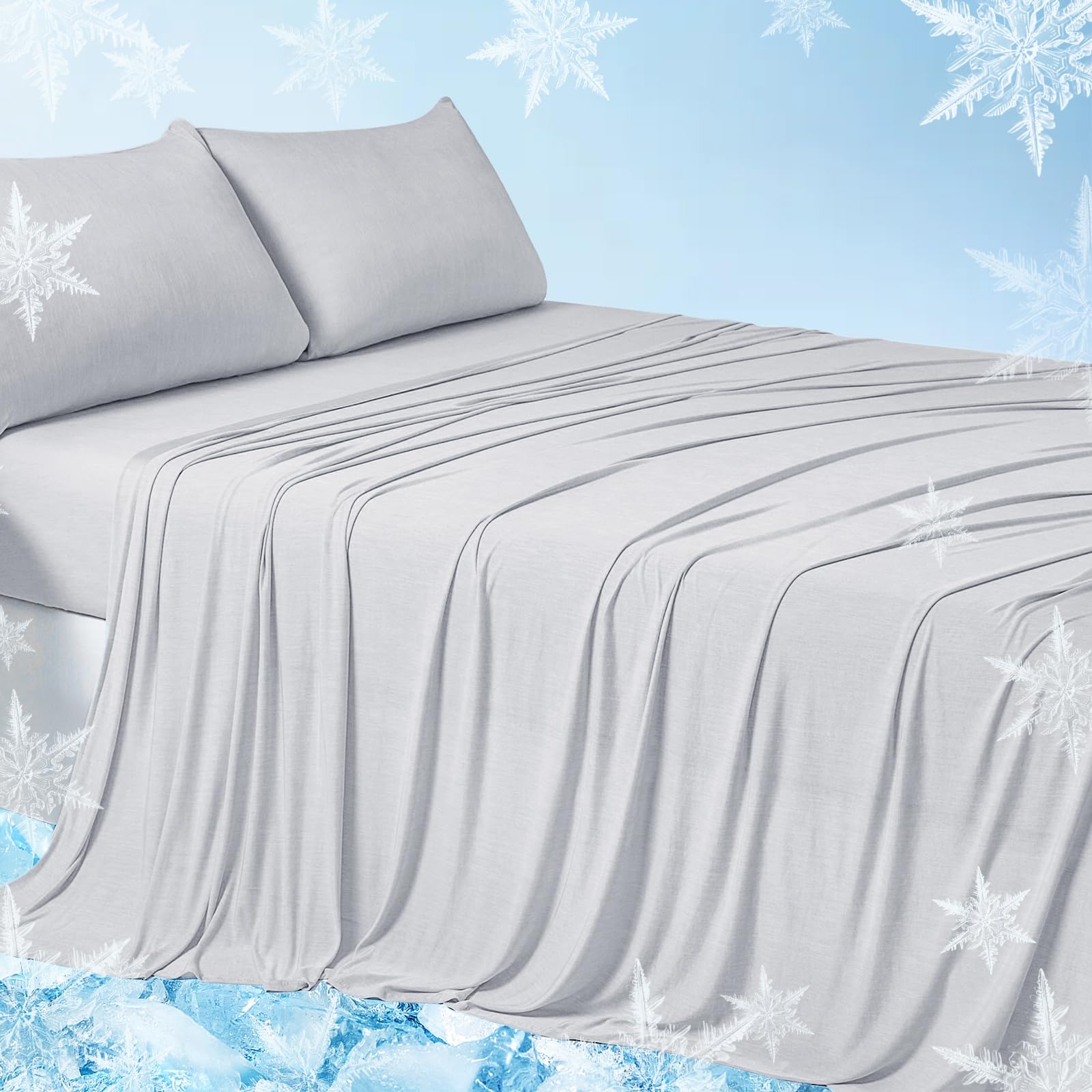
Cooling sheets are specialized bedding designed to regulate body temperature and manage moisture throughout the night. By utilizing breathable natural fibers or advanced moisture-wicking synthetics, these sheets help hot sleepers and those prone to night sweats maintain a comfortable thermal environment, specifically tailored to the dimensions of a standard full-size mattress.
Contents
The Science of Sleep and Temperature Regulation
Achieving restorative sleep depends heavily on the body’s ability to lower its core temperature. As the sun sets and we prepare for rest, the human body naturally sheds heat. However, traditional bedding—particularly high-thread-count sateen or heavy synthetics—can act as an insulator, trapping that heat against the skin. This leads to a spike in core temperature, resulting in restlessness, frequent waking, and night sweats.
By 2026, the bedding industry has significantly refined the science of thermoregulation. Cooling sheets work through two primary mechanisms: breathability and moisture-wicking. Breathability refers to the airflow permitted by the fabric’s weave and fiber structure, allowing heat to escape. Moisture-wicking involves pulling sweat away from the body to the surface of the fabric, where it can evaporate quickly. For those seeking full-size cooling sheets, understanding these mechanisms is the first step in selecting a set that offers more than just a "cool to the touch" marketing claim.
Key Materials Used in Cooling Bedding
The material composition is the most critical factor in determining how well a sheet set will perform. While "cooling" is often used as a generic term, different fibers offer distinct tactile experiences and performance levels.
Bamboo-Derived Fabrics (Viscose and Lyocell)
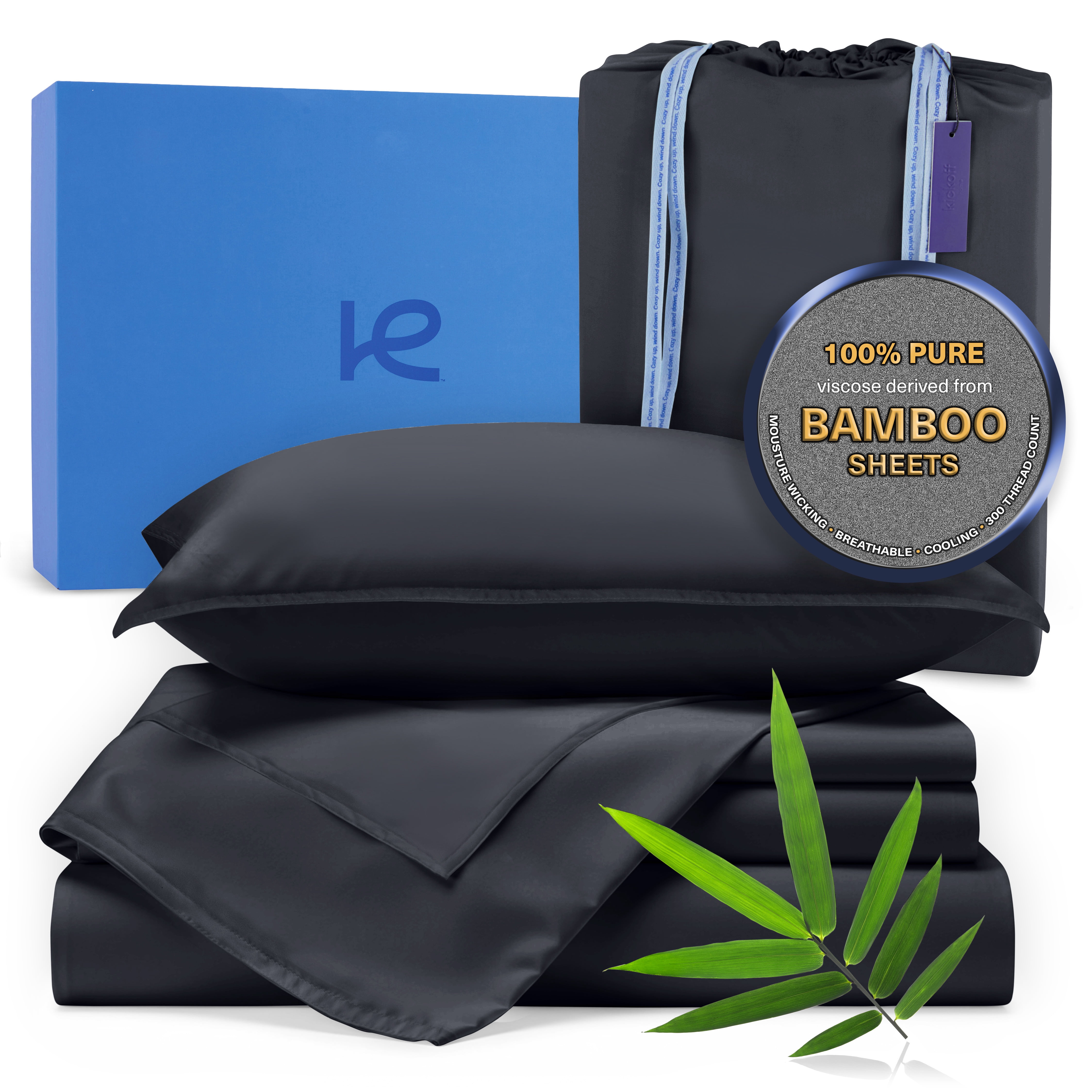
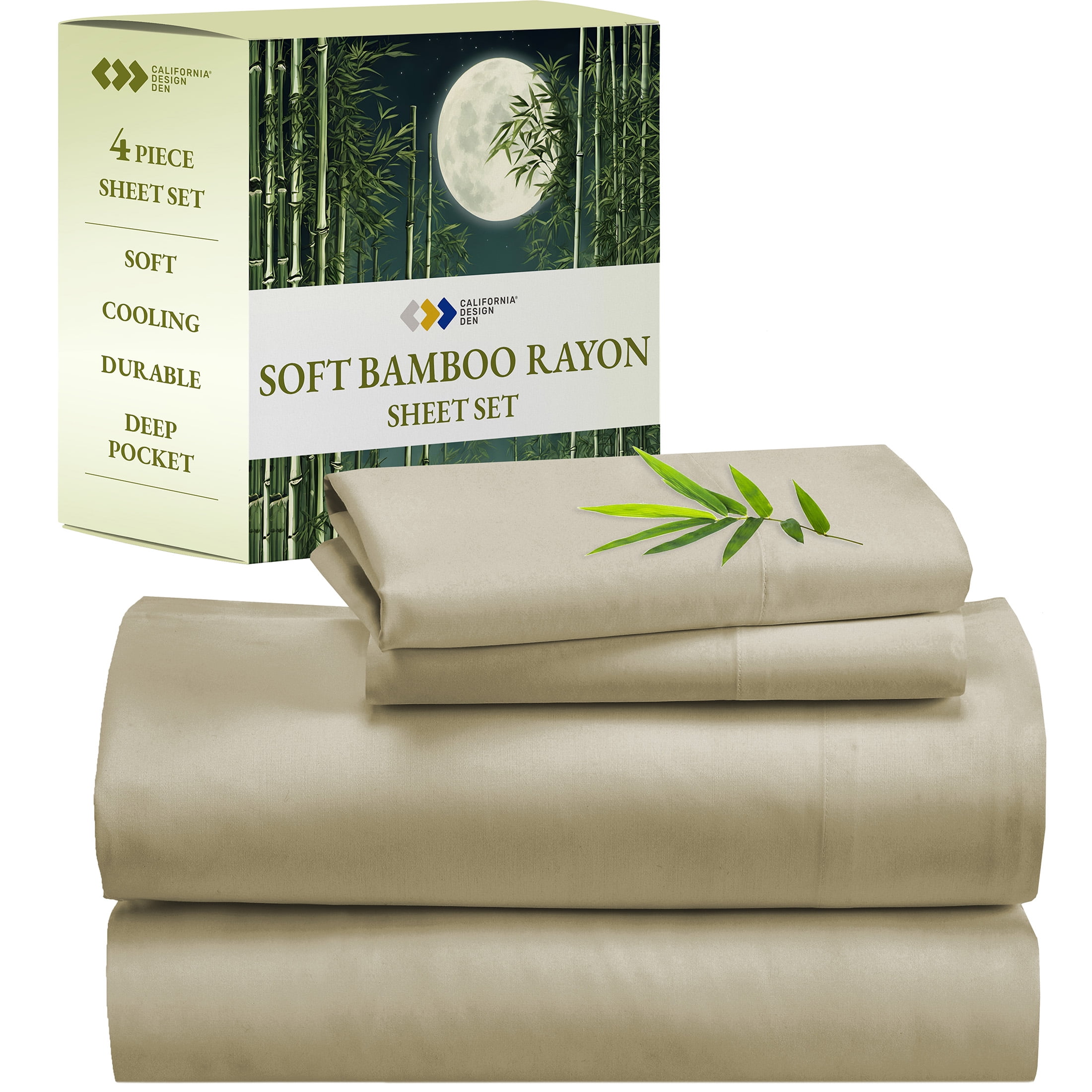
Bamboo has become a staple in the cooling market due to its natural properties. The fibers are highly absorbent—often more so than cotton—which makes them excellent for wicking away moisture. Bamboo sheets are typically available in two forms: viscose and Lyocell. Viscose is the more common, affordable option, offering a silk-like drape and a cool surface. Lyocell (often processed under the brand name Tencel) is considered a more eco-friendly and durable evolution, utilizing a closed-loop manufacturing process that preserves the fiber’s integrity and cooling efficiency.
Eucalyptus (Tencel Lyocell)
Similar to bamboo, eucalyptus-derived Tencel is prized for its smooth texture and exceptional breathability. It is naturally hydrophilic, meaning it loves water, allowing it to manage perspiration effectively. For a full-size bed, Tencel sheets offer a lightweight feel that doesn't "cling" to the sleeper, facilitating better air circulation across the mattress surface.
Percale Cotton
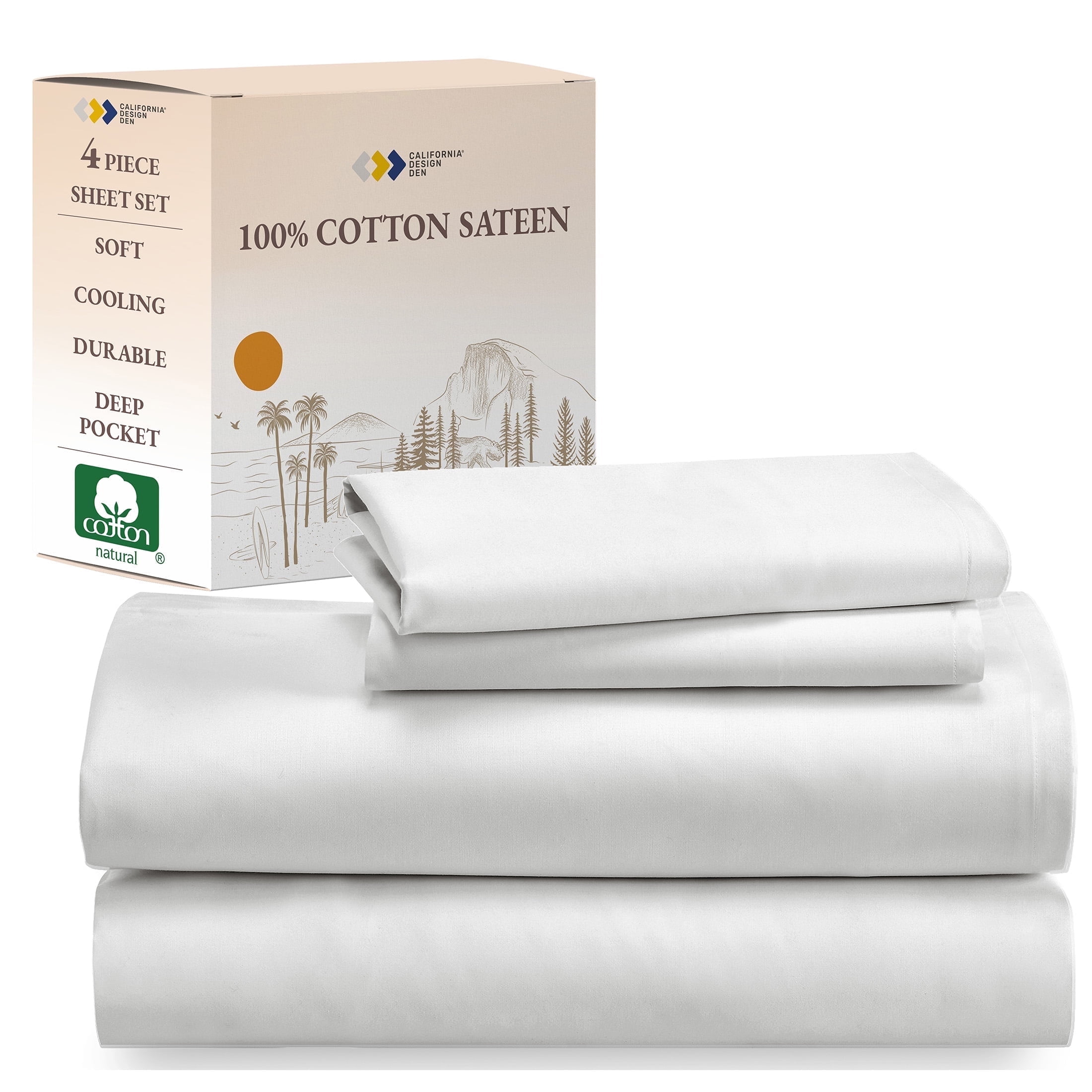
Not all cotton is created equal when it comes to heat. While sateen weaves are heavy and heat-trapping, the percale weave is the gold standard for breathability. Percale features a "one-over, one-under" weave pattern that results in a crisp, matte finish similar to a high-end hotel sheet. This structure allows for maximum airflow. When looking for full-size cooling sheets in cotton, consumers should prioritize long-staple or extra-long-staple cotton (like Supima or Egyptian) in a percale weave with a moderate thread count.
Linen
Linen is one of the oldest and most effective cooling materials known to man. Derived from the flax plant, linen fibers are thicker and the weave is more open than cotton. This creates a highly breathable fabric that naturally stands away from the skin, allowing air to move freely. While linen has a distinct, textured feel that some find "rough" initially, it softens significantly over time and remains one of the most durable cooling options available in 2026.
Understanding Full-Size Dimensions and Fit
When shopping for "full-size" (also known as "double") cooling sheets, it is essential to consider the specific dimensions of the mattress. A standard full-size mattress measures 54 inches wide by 75 inches long. However, the "depth" of the mattress is where many buyers encounter issues.
Standard vs. Deep Pocket
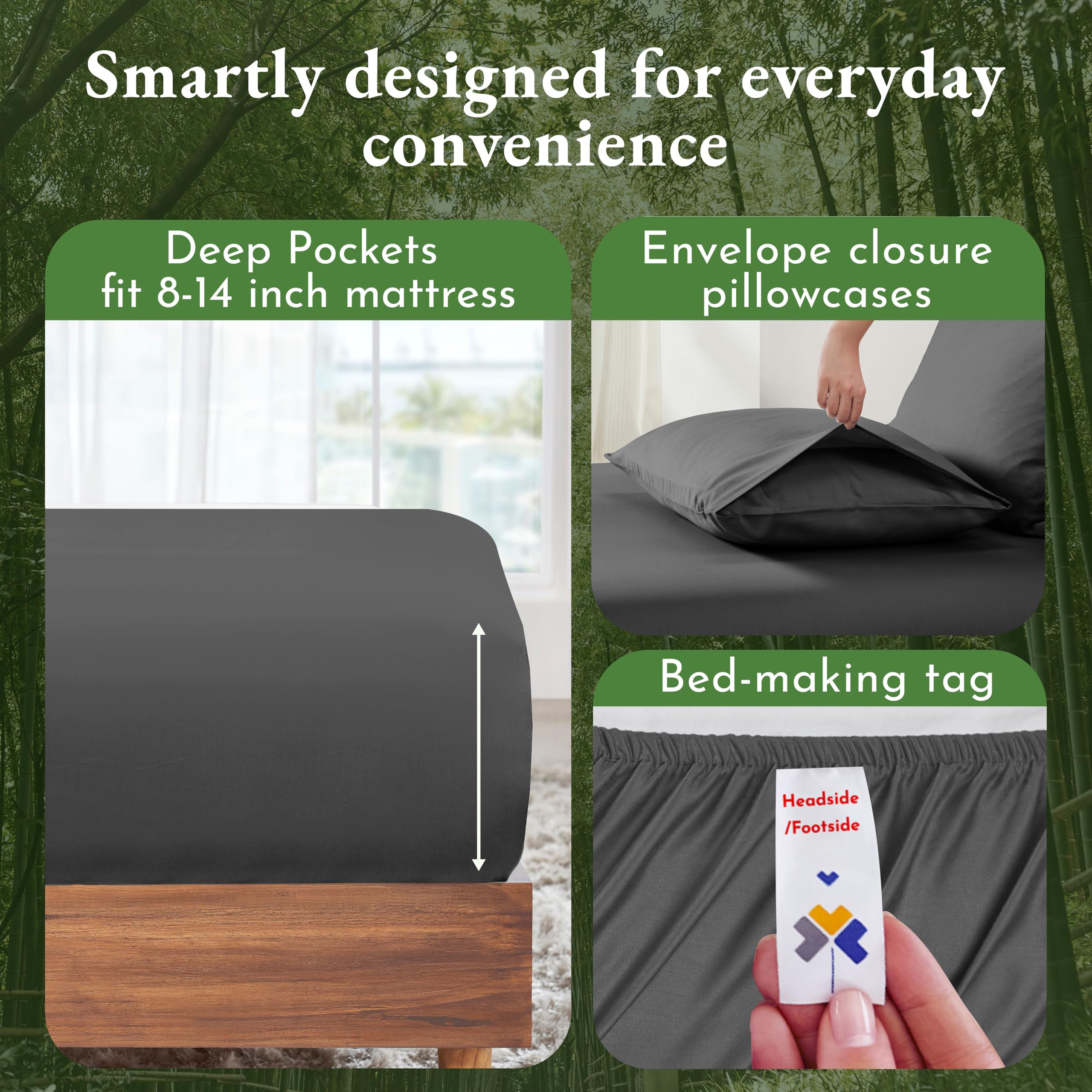
In recent years, the popularity of hybrid mattresses and thick pillow-top layers has increased the average height of full-size beds. Standard cooling sheets typically fit mattresses up to 12 inches deep. If your full-size mattress includes a cooling gel topper or is a high-profile model, you must look for "deep pocket" or "extra deep pocket" cooling sheets. These usually accommodate depths of 16 to 22 inches.
A poor fit can negate the cooling benefits. If a fitted sheet is too tight, it can compress the mattress layers, potentially reducing the effectiveness of built-in cooling foams. Conversely, a sheet that is too loose will bunch up, creating friction and heat traps during the night.
The Myth of High Thread Count
One of the most persistent misconceptions in the bedding industry is that a higher thread count equals higher quality. In the context of cooling, the opposite is often true.
Thread count measures the number of horizontal and vertical threads per square inch. When this number exceeds 400 or 500, the fabric becomes denser and heavier. This density restricts airflow, essentially turning the sheet into an insulator. For optimal cooling in full-size sheets:
- Cotton Percale: Aim for a thread count between 200 and 400.
- Bamboo/Tencel: Thread count is less standardized, but a range of 250 to 350 is often ideal for balancing durability with breathability.
- Linen: Measured by weight (grams per square meter) rather than thread count; look for mid-weight linens for year-round cooling.
Comparison of Cooling Sheet Materials
The following table compares the primary materials used in full-size cooling sheets to help consumers weigh the trade-offs between feel, performance, and maintenance.
| Material | Primary Cooling Mechanism | Feel/Texture | Durability | Price Range (Full) |
|---|---|---|---|---|
| Bamboo Viscose | Moisture-wicking | Silky, limp drape | Moderate | $70 – $130 |
| Tencel Lyocell | Moisture-wicking | Smooth, buttery | High | $100 – $180 |
| Cotton Percale | High Breathability | Crisp, matte | Very High | $50 – $150 |
| Linen | Airflow & Heat Dissipation | Textured, airy | Extremely High | $150 – $300 |
| Advanced Synthetics | Phase Change Material (PCM) | Athletic, slick | High | $120 – $220 |
Maintenance and Longevity of Cooling Sheets
To preserve the cooling properties of these specialized fabrics, proper care is mandatory. Heat is the enemy of cooling fibers. High-temperature washing and drying can damage the molecular structure of bamboo and Tencel, causing them to lose their moisture-wicking capabilities and become "pilled" or rough.
- Wash in Cold Water: Use a gentle cycle with a mild, liquid detergent. Avoid bleach, as it weakens natural fibers.
- Skip the Fabric Softener: Fabric softeners work by coating fibers in a thin layer of wax or silicone. This coating "clogs" the pores of the fabric, severely reducing breathability and moisture-wicking performance.
- Low Heat Drying: If possible, line dry your cooling sheets. If using a dryer, use the lowest heat setting. Remove them while slightly damp to prevent over-drying, which can make fibers brittle.
- Rotate Sets: To extend the life of your full-size cooling sheets, it is recommended to have at least two sets in rotation. This prevents the accelerated wear that comes from constant washing of a single set.
Frequently Asked Questions
Do cooling sheets actually lower your body temperature?
Cooling sheets do not act like an air conditioner; they do not generate cold. Instead, they facilitate the body's natural cooling process. By preventing heat from being trapped and moving sweat away from the skin, they allow your body to regulate its temperature more efficiently, which results in a lower skin temperature and a more comfortable sleep environment.
Are full-size cooling sheets different from "Double" sheets?
No, "Full" and "Double" are terms used interchangeably in the United States and Canada for a mattress that is 54" x 75". When purchasing cooling sheets, ensure the packaging specifies these dimensions, as international "Double" sizes (such as those in the UK or Europe) may vary slightly.
How long do cooling sheets usually last?
The lifespan depends on the material. Cotton percale and linen are exceptionally durable and can last 5 to 10 years with proper care. Bamboo and Tencel are softer and more prone to thinning or pilling over time, generally lasting 2 to 4 years before they may need replacement.
Can I use a mattress protector with cooling sheets?
Yes, but you must choose a breathable mattress protector. If you place high-performance cooling sheets over a non-breathable plastic or vinyl mattress protector, the heat will be trapped at the protector level, significantly diminishing the effectiveness of the sheets. Look for protectors made with Tencel or breathable membranes.
Why do some cooling sheets feel "slick" or "slimy"?
This is common with certain synthetic blends or lower-quality bamboo viscose. It is often a result of chemical finishes applied to the fabric to make it feel "cool to the touch" instantly. High-quality natural cooling sheets like percale or linen will feel dry and crisp rather than slick.
Final Recommendations for Buyers
When selecting full-size cooling sheets, the "best" option depends on your specific type of heat. If you are a "dry" hot sleeper who simply feels overheated, Cotton Percale or Linen are the superior choices for their unmatched airflow. If you suffer from night sweats or live in a high-humidity environment, Tencel Lyocell or Bamboo will provide better relief due to their superior moisture-wicking properties.
Always verify the mattress depth before purchasing to ensure a secure fit, and avoid the temptation of high-thread-count marketing. By prioritizing material integrity and weave over branding gimmicks, you can significantly improve your sleep quality and thermal comfort throughout the night.
Image Gallery