Understanding the Illinois Life and Health Insurance Guaranty Association: Coverage, Limits, and Protection
The Illinois Life and Health Insurance Guaranty Association is a statutory safety net designed to protect policyholders, certificate holders, and annuitants against financial loss if a member insurance company becomes insolvent or is u...
The Illinois Life and Health Insurance Guaranty Association is a statutory safety net designed to protect policyholders, certificate holders, and annuitants against financial loss if a member insurance company becomes insolvent or is unable to fulfill its contractual obligations. Funded by assessments levied on solvent member insurers operating within the state, the Association steps in to continue coverage, manage claims, and pay benefits up to statutory limits established by Illinois law.
Contents
Introduction to the Illinois Life and Health Insurance Guaranty Association
Navigating the financial services landscape requires a clear understanding of the regulatory frameworks and safety nets established to protect consumers. When an individual purchases a life insurance policy, an annuity, or a health insurance plan, they enter into a long-term contract relying on the financial stability of the issuing carrier. However, market shifts, economic downturns, and operational missteps can occasionally lead to insurance company insolvencies. To shield everyday consumers from the devastating impacts of such failures, states across the United States have established guaranty associations.
In Illinois, this crucial role is fulfilled by the Illinois Life and Health Insurance Guaranty Association (ILHIGA). Operating under the authority of the Illinois Insurance Code (215 ILCS 5/531.01 et seq.), the Association provides a secondary layer of security. It ensures that valid claims are paid and policies remain active, even if the original insurer fails. Understanding how this organization functions, what types of policies fall under its protection, and what statutory limits apply is essential for anyone holding insurance or retirement products within the state.
Purpose and Statutory Authority
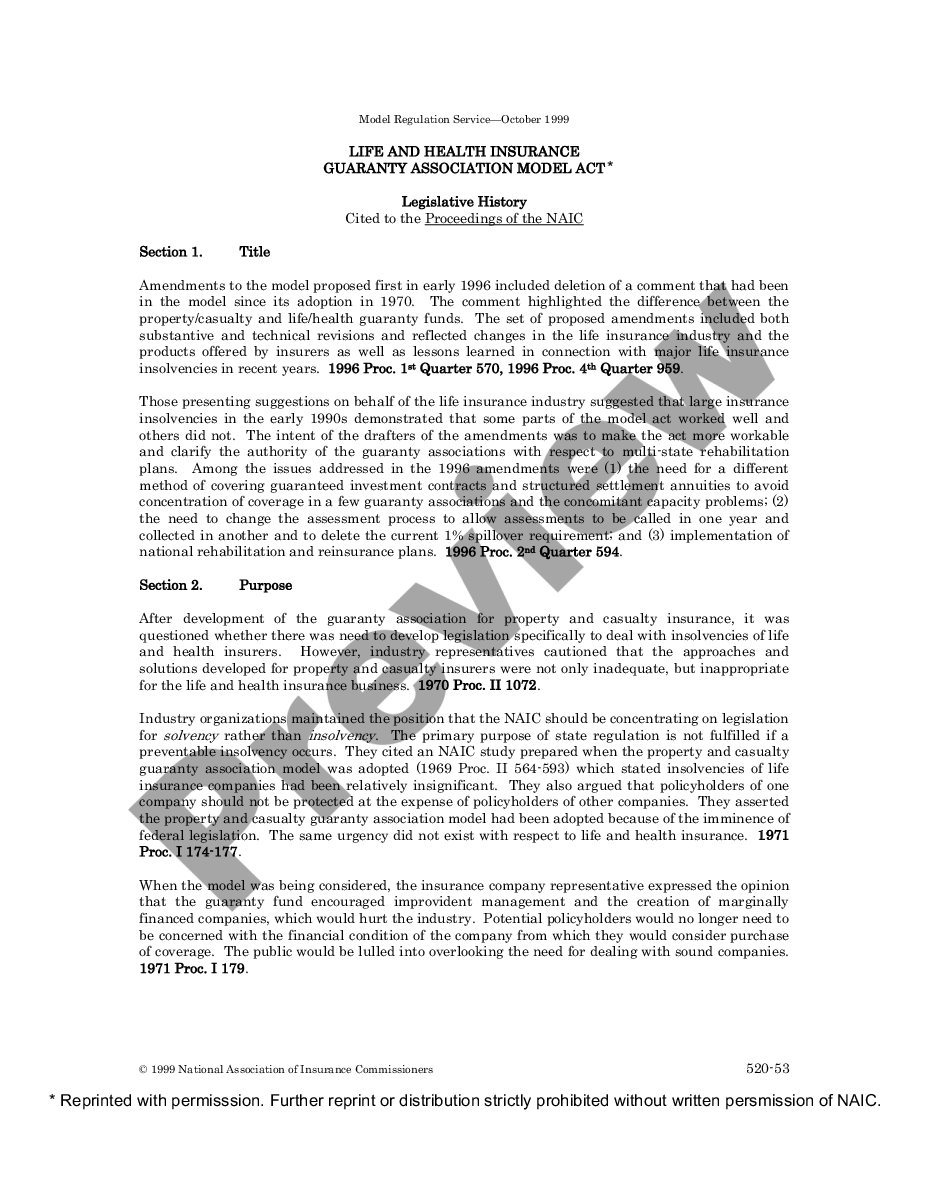
The primary mission of the Illinois Life and Health Insurance Guaranty Association is to maintain public confidence in the insurance industry by protecting policyholders against financial loss due to the insolvency of member insurers.
Legislative Framework
Established by the Illinois General Assembly, the Association operates under specific state statutes that dictate its powers, duties, and limitations. Every licensed life, health, and annuity insurer writing business in Illinois is required by law to be a member of the Association as a condition of maintaining its certificate of authority. This mandatory membership ensures that the financial backing of the guaranty system is shared broadly across the active industry.
How the Safety Net Operates
When an Illinois-licensed life or health insurance company is declared insolvent by a court of law and placed into liquidation, the ILHIGA is legally triggered. The Association then steps into the shoes of the failed insurer—up to statutory coverage limits—to:
- Assure that policy benefits are continued.
- Pay valid claims.
- Assistance in transferring policies to a solvent, healthy insurance carrier.
By absorbing the shock of insolvency, the Association prevents systemic disruption in the insurance market and ensures that vulnerable consumers, such as retirees relying on annuity payments or families depending on life insurance death benefits, are not left entirely unprotected.
Scope of Coverage and Protected Products
Not every insurance product or financial arrangement issued in Illinois is covered by the Guaranty Association. Understanding the boundary lines between protected and unprotected products is critical for financial planning and risk assessment.
Eligible Lines of Insurance
Generally, the ILHIGA provides protection for direct, nongroup life insurance, health insurance, and annuity policies. These categories are further subdivided into specific structures:
- Life Insurance: Individual and group term life, whole life, universal life, and variable life insurance policies (though variable features may have distinct handling depending on separate accounts).
- Health Insurance: Individual and group disability income insurance, long-term care insurance, medical and hospital expense coverage, and Medicare supplement policies.
- Annuities: Individual and group fixed and variable annuities, allocated and unallocated funding agreements, and structured settlement annuities.
Excluded Products and Limitations
State law explicitly excludes certain types of coverage and financial instruments from guaranty association protection. Consumers should review their policy documents and consult financial professionals to identify any potential gaps. Common exclusions include:
- Unlicensed Entities: Policies or contracts issued by organizations that are not licensed or authorized to write insurance in Illinois, such as unauthorized foreign insurers or certain unapproved risk-retention groups.
- Self-Funded Plans: Employer-sponsored self-funded health plans (governed by ERISA rather than state insurance law), where the employer—not an insurance company—bears the financial risk.
- Unallocated Annuity Contracts: Certain contracts not issued to and owned by individuals, except where specific statutory exceptions apply to retirement plan benefits.
- Investment-Only Products: Investment products that do not incorporate an insurance or annuity element.
- Interest Guarantees: That portion of any policy or contract guaranteeing an interest rate that exceeds statutory maximum calculation formulas.
Statutory Coverage Limits
The protection offered by the Illinois Life and Health Insurance Guaranty Association is not unlimited. State statute defines explicit caps on what the Association will pay or guarantee per individual, regardless of how many policies that person held with the insolvent insurer or how large those policies were.
Summary of Statutory Caps
The following table outlines the general statutory limits provided by the ILHIGA framework for covered policies. These limits apply per individual life, regardless of the number of policies or contracts owned.
| Insurance Product Category | Maximum Guaranty Association Coverage Limit |
|---|---|
| Life Insurance Death Benefit | Generally up to $300,000 per life |
| Life Insurance Net Cash Surrender | Generally up to $100,000 per life |
| Health Insurance Claims / Benefits | Generally up to $500,000 (comprehensive health / medical) |
| Annuity Present Value / Cash Value | Generally up to $250,000 per life |
| Unallocated Annuity Contracts | Generally up to $5,000,000 per contract holder |
Note: Statutory limits can be subject to legislative adjustments and specific contractual interpretations. Policyholders should verify current figures directly through official state regulatory channels.
Aggregate Caps per Individual
In addition to limits on specific product types, the statute often imposes an aggregate ceiling on total benefits payable to any single individual across multiple policy types issued by the same failed company. This ensures that the finite resources of the guaranty fund are distributed equitably among all affected policyholders.
How the Assessment Mechanism Works
The ILHIGA does not maintain a massive permanent pool of cash sitting idle; instead, it operates on a post-insolvency assessment model backed by statutory authority.
Assessing Solvent Insurers
When an insurance company fails and the cost of fulfilling its obligations exceeds its remaining assets, the Guaranty Association calculates the funding shortfall. It then levies assessments against all remaining solvent member insurance companies licensed in Illinois. These assessments are proportional to each company's market share within the relevant line of business (life, health, or annuities) in the state.
Industry and Consumer Impact
Member insurers typically recover these assessments over time through standard business operations, meaning the cost of insurer failures is distributed broadly across the insurance-buying public. This system avoids the need for taxpayer-funded bailouts while maintaining high consumer confidence in the private insurance market.
What Happens When an Insurer Fails: The Process for Policyholders
Discovering that an insurance company has been designated insolvent can be alarming. However, a structured legal and administrative process protects policyholders during this transition.
1. Rehabilitation and Receivership
Before liquidation occurs, the Illinois Department of Insurance (IDOI) and state courts frequently attempt to rehabilitate troubled insurers. Rehabilitation involves restructuring debt, selling off non-core assets, or freezing certain cash surrender values to stabilize the company.
2. Order of Liquidation
If rehabilitation efforts fail, the court issues an order of liquidation, appointing a liquidator (often the Director of Insurance) to wind down the company's affairs. At this exact juncture, the ILHIGA is formally triggered.
3. Continuation of Coverage or Transfer
Policyholders do not automatically lose their coverage. The Association generally continues coverage by paying claims and collecting premiums. Simultaneously, the Association works to transfer the block of policies to a financially stable, solvent insurance carrier through an assumption reinsurance agreement. Once transferred, policyholders receive new certificates or policy endorsements reflecting the new solvent insurer.
4. Filing Claims and Communication
The ILHIGA or the appointed liquidator will issue formal notices to all known policyholders, outlining how claims should be submitted and whether any temporary administrative freezes apply to policy loans or cash surrenders. Policyholders must continue paying regular premiums to keep their policies in force during the transition; failing to pay premiums can result in policy lapse and loss of coverage rights.
Frequently Asked Questions
Is the Illinois Life and Health Insurance Guaranty Association a government agency?
No. The ILHIGA is a legal entity created by statute, operating as a nonprofit association of member insurers. While it is strictly regulated by the State of Illinois and works closely with the Illinois Department of Insurance, it is funded by the insurance industry rather than state tax revenues.
Does the Guaranty Association cover out-of-state policies?
Generally, protection is tied to state residency. To be eligible for protection from the ILHIGA, a policyholder must typically be a resident of Illinois at the time the member insurer is declared insolvent. Non-residents may receive coverage under very narrow conditions, such as if the issuing company was domiciled in Illinois and no other state guaranty association provides coverage.
Are variable life insurance and variable annuities fully protected?
Variable products contain investment sub-accounts where the risk is borne directly by the policyholder rather than the insurance company's general account. While the insurance guarantees within these contracts (such as guaranteed minimum death benefits) may enjoy guaranty association protection up to statutory limits, the variable investment portions depend on the performance of underlying securities and are handled according to specific statutory guidelines.
What should I do if my insurance company is placed in liquidation?
First, do not panic or cancel your policy prematurely, as doing so may forfeit your coverage or surrender value. Continue paying your premiums as billed. Monitor official communications from the Illinois Department of Insurance or the ILHIGA, keep meticulous records of your policy documents, and consult a qualified financial advisor or insurance professional if you have questions regarding your specific coverage levels.
Conclusion and Next Actions
The Illinois Life and Health Insurance Guaranty Association serves as a vital structural safeguard within the state's financial ecosystem, offering a reliable safety net when insurer insolvencies occur. While the Association provides substantial protection for life insurance, health plans, and annuities up to statutory limits, consumers should proactively review their financial portfolios, verify that their insurers are licensed in Illinois, and avoid over-allocating funds beyond statutory coverage caps with a single carrier. For official guidance, current insolvency lists, and detailed statutory references, consult the official website of the Illinois Life and Health Insurance Guaranty Association or the Illinois Department of Insurance.
Image Gallery