How to Use a Social Skills Checklist Effectively
A social skills checklist is a structured evaluation tool used to assess, track, and guide interpersonal behavior, communication patterns, and emotional regulation across various developmental and professional stages. Utilizing this to...
A social skills checklist is a structured evaluation tool used to assess, track, and guide interpersonal behavior, communication patterns, and emotional regulation across various developmental and professional stages. Utilizing this tool effectively requires understanding its core components, establishing a baseline observation period, implementing targeted interventions, and regularly reviewing progress to ensure meaningful behavioral growth.
Contents
Understanding the Core Purpose of a Social Skills Checklist
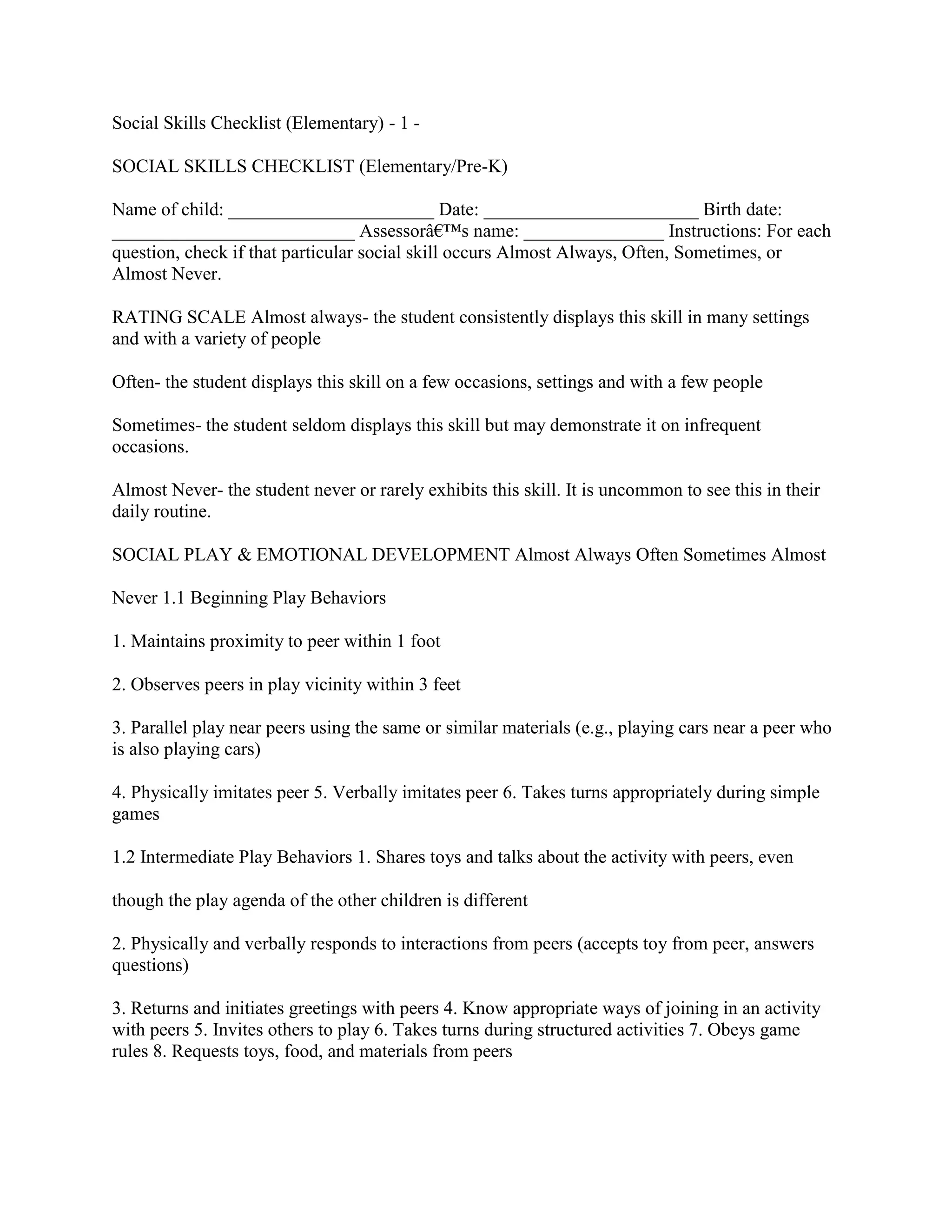
Before integrating any behavioral assessment into a routine, educators, clinicians, or parents must understand what a social skills checklist is designed to achieve. These instruments do not merely label a person as socially adept or deficient; rather, they break down complex human interactions into discrete, observable behaviors. By isolating specific actions—such as making eye contact, initiating a conversation, reading non-verbal cues, or managing frustration—the checklist transforms vague impressions into actionable data.
The primary value of this instrument lies in its diagnostic clarity and progress-tracking capabilities. In educational and therapeutic environments, a well-structured assessment tool helps pinpoint exact areas where an individual might struggle. For instance, a child might excel at following classroom rules but fail miserably at peer-group entry during recess. A broad observation would miss this nuance, whereas a granular evaluation tool highlights it immediately. Furthermore, these lists serve as a common language for multidisciplinary teams, including speech-language pathologists, occupational therapists, teachers, and parents, ensuring everyone works toward identical developmental milestones.
Essential Prerequisites Before Assessment
Administering a social skills checklist without preparation often leads to skewed results, subjective bias, and ineffective intervention strategies. Establishing a reliable baseline requires careful preparation, contextual awareness, and the selection of an appropriate evaluation tool tailored to the individual's age, cognitive level, and cultural background.
Selecting the Right Instrument
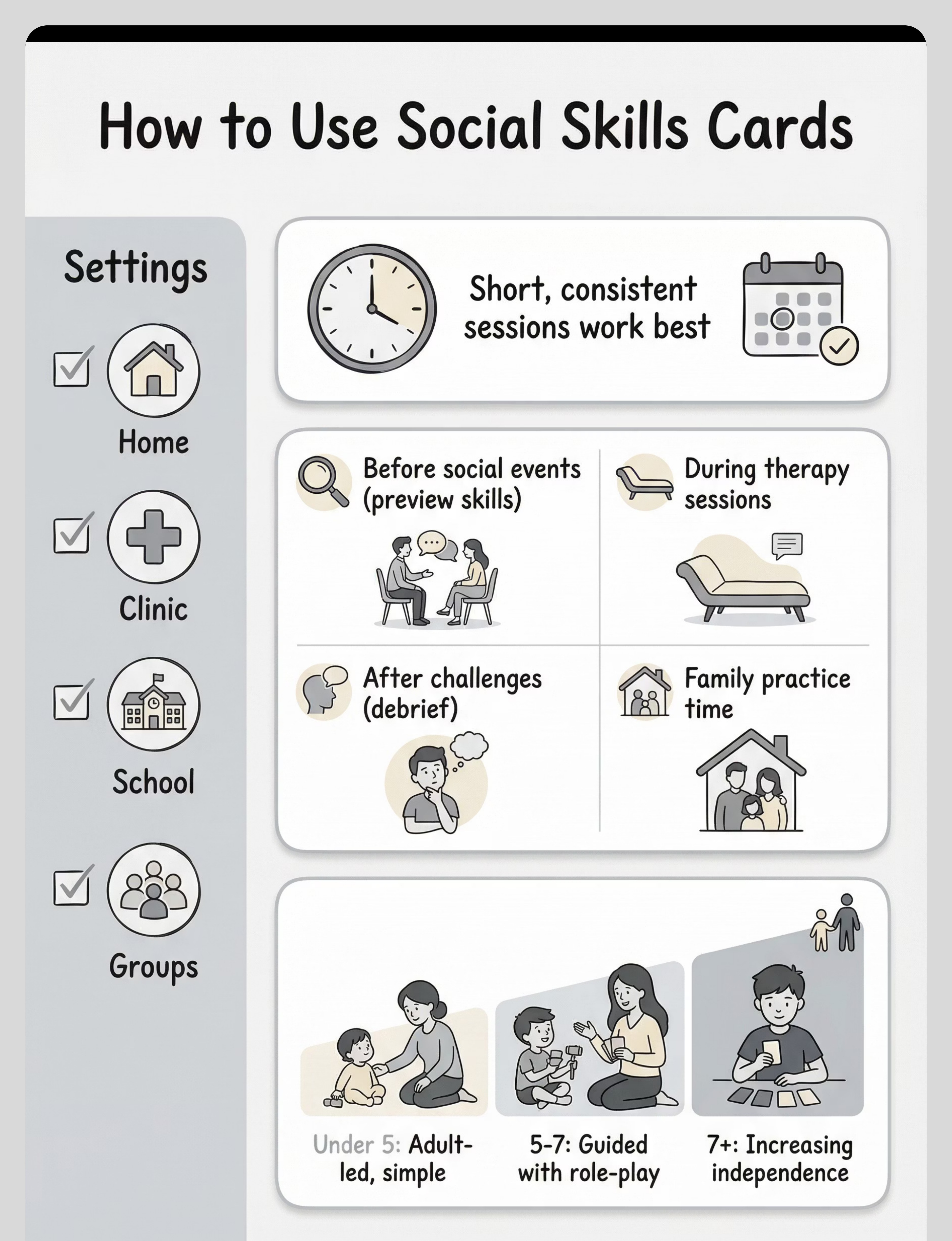
Not all behavioral assessments are created equal. Some checklists are designed specifically for early childhood development, focusing on parallel play and basic sharing, while others target adolescents or adults in workplace settings, emphasizing professional boundaries, conflict resolution, and digital communication etiquette. When choosing a checklist, consider the following parameters:
- Age Appropriateness: Ensure the developmental expectations match the chronological age of the individual.
- Environmental Context: Determine whether the tool evaluates home, school, workplace, or community interactions.
- Inclusivity and Bias: Verify that the assessment accounts for neurodiversity, cultural differences, and alternative communication styles without penalizing differences that are not genuine social deficits.
Establishing Observation Windows
An accurate assessment cannot occur during a single snapshot in time. Human behavior fluctuates based on fatigue, environmental stressors, and the presence of familiar versus unfamiliar peers. Observers should plan multiple observation windows across different settings and times of day. For example, a student might exhibit strong social engagement during structured group projects in the morning but display withdrawal during unstructured free play in the afternoon. Documenting these contextual shifts prevents misdiagnosing situational anxiety as a chronic social skills deficit.
Step-by-Step Guide to Implementing the Checklist
Executing the evaluation process requires systematic observation, objective scoring, and collaborative analysis. Rushing through the items compromises the integrity of the data and ultimately delays effective support.
Step 1: Conduct Naturalistic Observations
Observers should watch the individual in natural environments without altering the setting. The goal is to record actual behavior rather than ideal behavior. During this phase, the observer takes running records or brief field notes regarding specific interactions, keeping the criteria of the checklist in mind without filling it out prematurely.
Step 2: Score Objectively Using Defined Metrics
Most checklists rely on rating scales, such as frequency metrics (Never, Sometimes, Often, Always) or mastery levels (Not Yet Developing, Emerging, Proficient). Evaluators must guard against the "halo effect"—where a positive impression in one area unduly influences ratings in unrelated categories—and recency bias, where only the most recent interaction is remembered and scored. Every rating should be backed by observed instances rather than assumptions.
Step 3: Analyze Discrepancies Across Multiple Informants
A comprehensive evaluation often utilizes multiple checklists completed by different people who interact with the individual, such as a parent, a teacher, and a self-evaluation by the individual themselves. Comparing these scores frequently reveals contextual variability. If a child scores high on social engagement at home but low at school, the intervention must focus on the environmental stressors of the classroom rather than teaching fundamental social mechanics.
| Evaluation Perspective | Primary Focus Area | Potential Blind Spot | Best Mitigation Strategy |
|---|---|---|---|
| Parent / Caregiver | Structured home routines, sibling dynamics, compliance | Limited peer interaction data outside the home | Combine with school or community observations |
| Teacher / Educator | Group settings, following instructions, academic peer work | May miss subtle internalizing behaviors or anxiety | Use structured teacher-rating scales alongside anecdotal logs |
| Self-Evaluation | Internal emotional state, perceived social intent | Lack of self-awareness or social blindness | Compare self-ratings directly with objective observer data |
Designing Targeted Interventions from Checklist Data
Once the evaluation is complete and areas for growth are identified, the true work begins. A completed checklist should not sit in a binder; it serves as the blueprint for an individualized intervention plan.
Prioritizing Target Behaviors
Attempting to correct every deficient item on a long assessment list simultaneously will overwhelm the individual and dilute the effectiveness of the training. Evaluators must collaborate with the team to select two to three high-priority target behaviors. Priority should be given to behaviors that:
- Enhance immediate safety or physical well-being.
- Remove barriers to peer acceptance and friendship building.
- Build foundational skills upon which more complex social behaviors rely (e.g., teaching active listening before attempting negotiation tactics).
Utilizing Evidence-Based Teaching Strategies
With specific goals established, implement structured teaching methodologies tailored to the identified gaps. Common evidence-based approaches include:
- Social Stories: Short narratives that describe social situations, cues, and appropriate responses in a clear, reassuring manner.
- Behavioral Rehearsal / Role-Playing: Practicing target interactions in a controlled, low-stakes environment before applying them in real-world scenarios.
- Video Modeling: Having the individual watch video recordings of peers or actors successfully executing the target social skill.
Monitoring Progress and Maintaining Long-Term Success
Social skill acquisition is rarely a linear process. Individuals may take two steps forward during structured intervention periods and one step back when introduced to new environments or academic stressors. Regular re-evaluation is essential to ensure strategies remain effective.
Re-administering the exact same checklist every three to six months allows the support team to measure longitudinal growth objectively. If a particular skill remains stagnant despite consistent intervention, the team must troubleshoot the approach. Common reasons for stagnation include unclear behavioral definitions, lack of reinforcement in natural environments, or underlying sensory and executive functioning barriers that were not addressed in the initial assessment.
Ultimately, the goal of using a social skills checklist is to foster genuine, confident human connection and self-advocacy. When utilized with patience, objectivity, and a commitment to individual empowerment, these tools transform complex behavioral challenges into clear pathways for personal growth.
Frequently Asked Questions
What is the main purpose of a social skills checklist?
The primary purpose is to break down complex interpersonal behaviors into observable, measurable components. This allows educators, clinicians, and parents to identify specific social strengths, pinpoint exact areas of difficulty, and track developmental progress over time.
How often should a social skills checklist be updated?
For individuals undergoing active intervention or therapy, checklists are typically re-administered every three to six months. This timeframe is long enough to implement targeted strategies and observe meaningful behavioral changes without losing momentum.
Can individuals complete a social skills checklist for themselves?
Yes, many checklists include a self-reporting component. Self-evaluations provide valuable insight into an individual's self-awareness and personal perception of their social interactions, though they should be compared with external observer ratings for a complete picture.
Do social skills checklists work for neurodivergent individuals?
Yes, when chosen carefully. Modern assessment tools are increasingly designed to recognize and respect neurodivergent communication styles, focusing on effective connection and self-advocacy rather than enforcing rigid, neurotypical conformity.
What should I do if an individual shows no progress on targeted skills?
A lack of progress usually indicates that the intervention strategy needs adjustment, the target behavior is too broad, or underlying barriers such as anxiety or sensory overload are being overlooked. Review the environmental context and consult with a multidisciplinary specialist to refine the approach.
Image Gallery