Where to Find Eclipse Glasses: Safe Buying Outlets and Free Local Sources
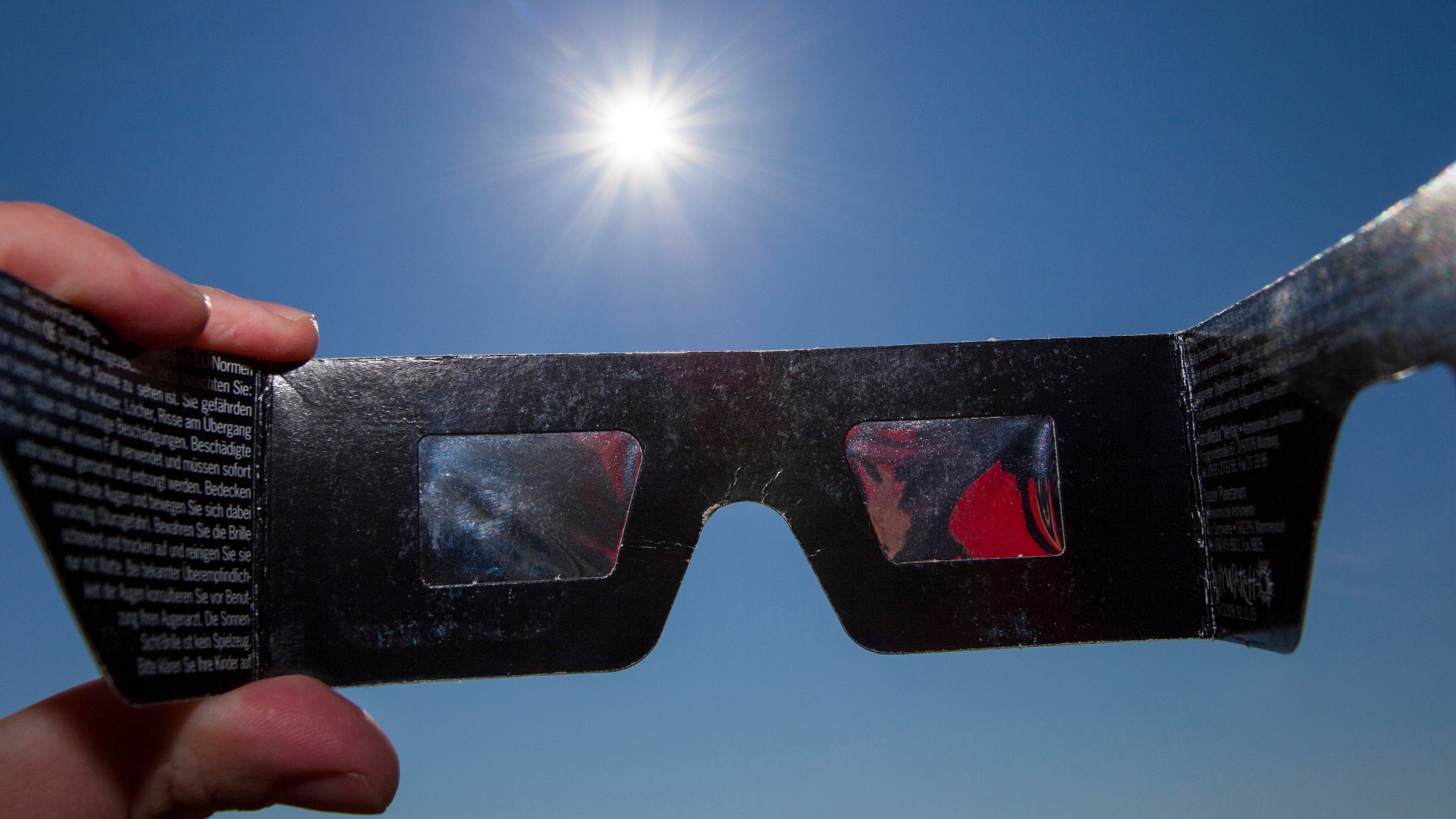
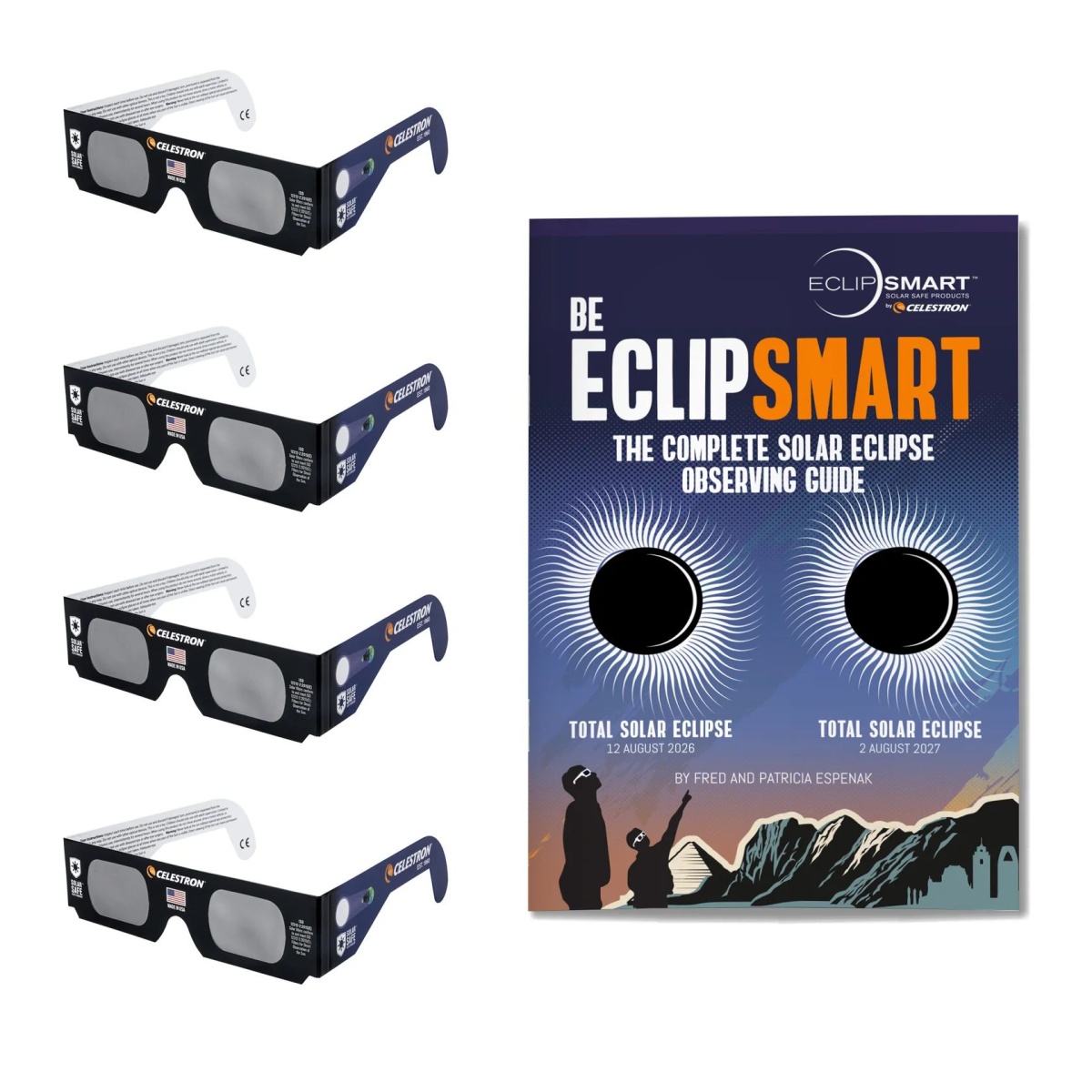
You can find certified solar eclipse glasses through vetted online manufacturers, major national retailers, local public libraries, science museums, and planetariums. To protect your eyes from dangerous solar radiation during an eclips...
You can find certified solar eclipse glasses through vetted online manufacturers, major national retailers, local public libraries, science museums, and planetariums. To protect your eyes from dangerous solar radiation during an eclipse, you must use glasses verified to meet the ISO 12312-2 international safety standard and listed on the American Astronomical Society (AAS) approved supplier register.
Contents
Why Solar Eye Safety Requires Certified ISO 12312-2 Glasses
Viewing any portion of the sun's bright disk without proper specialized filters can cause permanent ocular damage, commonly known as solar retinopathy. The retina lacks pain receptors, meaning photothermal and photochemical damage occurs without any immediate discomfort. Ordinary sunglasses—regardless of how dark their tint, polarized coating, or UV rating may be—transmit thousands of times too much visible and infrared light to protect your vision.
Safe solar viewing glasses utilize specialized black polymer or aluminized Mylar materials designed to meet the rigorous international standard ISO 12312-2 (often designated as ISO 12312-2:2015). Filters meeting this technical specification attenuate visible sunlight to safe levels (reducing intensity by approximately 99.999%) while effectively blocking harmful ultraviolet (UV) radiation (100 nm to 400 nm) and near-infrared radiation (780 nm to 1400 nm).
To safeguard the public against counterfeit solar viewers that falsely display compliance markings, the American Astronomical Society (AAS) Solar Eclipse Task Force maintains an actively updated register of verified manufacturers and distributors. These entities provide laboratory test documentation proving their eclipse viewers comply with ISO 12312-2 requirements.
Where to Buy Eclipse Glasses in Physical Retail Stores
When an optical solar event approaches, many brick-and-mortar retail chains stock ISO-compliant eclipse glasses. Purchasing in person allows immediate physical inspection of the frame markings and optical film before buying.
Major Department, Home Improvement, and Grocery Chains
National retail chains typically carry paper frame solar eclipse viewers in their seasonal, optical, or checkout sections. Vetted chains that frequently stock AAS-approved solar glasses include:
- Home Improvement Stores: Home Depot, Lowe's, and Menards frequently carry bulk packs and individual pairs of certified viewers produced by recognized U.S. manufacturers.
- Big-Box Retailers: Target, Walmart, and Meijer stock certified viewers in their seasonal or optical departments.
- Grocery Chains: Regional supermarkets such as Kroger, H-E-B, Wegmans, and Hy-Vee often carry eclipse shades near customer service counters or pharmacy registers.
- Office Supply Stores: Staples and Office Depot supply single-unit solar glasses and multi-packs intended for business or school groups.
- Pharmacy and Convenience Stores: CVS, Walgreens, and Rite Aid carry solar eclipse viewing glasses, often displayed on seasonal counter displays.
Before purchasing at any retail store, examine the packaging and printed frame details to verify that the manufacturer matches an entity listed on the official AAS suppliers page.
Science Museums, Planetariums, and Specialty Outlets
Educational institutions and science centers are exceptional local retail sources for authentic eclipse glasses. Their gift shops source optical equipment directly from scientific manufacturers:
- Museum Gift Shops: Local science centers, natural history museums, and air and space museums sell individual glasses and handheld solar viewers.
- Planetariums and Observatories: University-affiliated and public planetariums stock certified viewers and often offer professional advice on safe solar observation.
- Specialty Outdoor Stores: Outfitters like REI regularly carry solar viewers designed for outdoor education and skywatching trips.
Verified Online Vendors and Direct Manufacturers
Buying directly from established manufacturers or certified online distributors ensures that the optical film used in your glasses underwent rigorous testing at accredited laboratory facilities.
Approved Solar Filter Manufacturers
Directly ordering from primary manufacturers eliminates intermediary supply chains and reduces the risk of encountering counterfeit optical viewers. Leading ISO-certified manufacturers include:
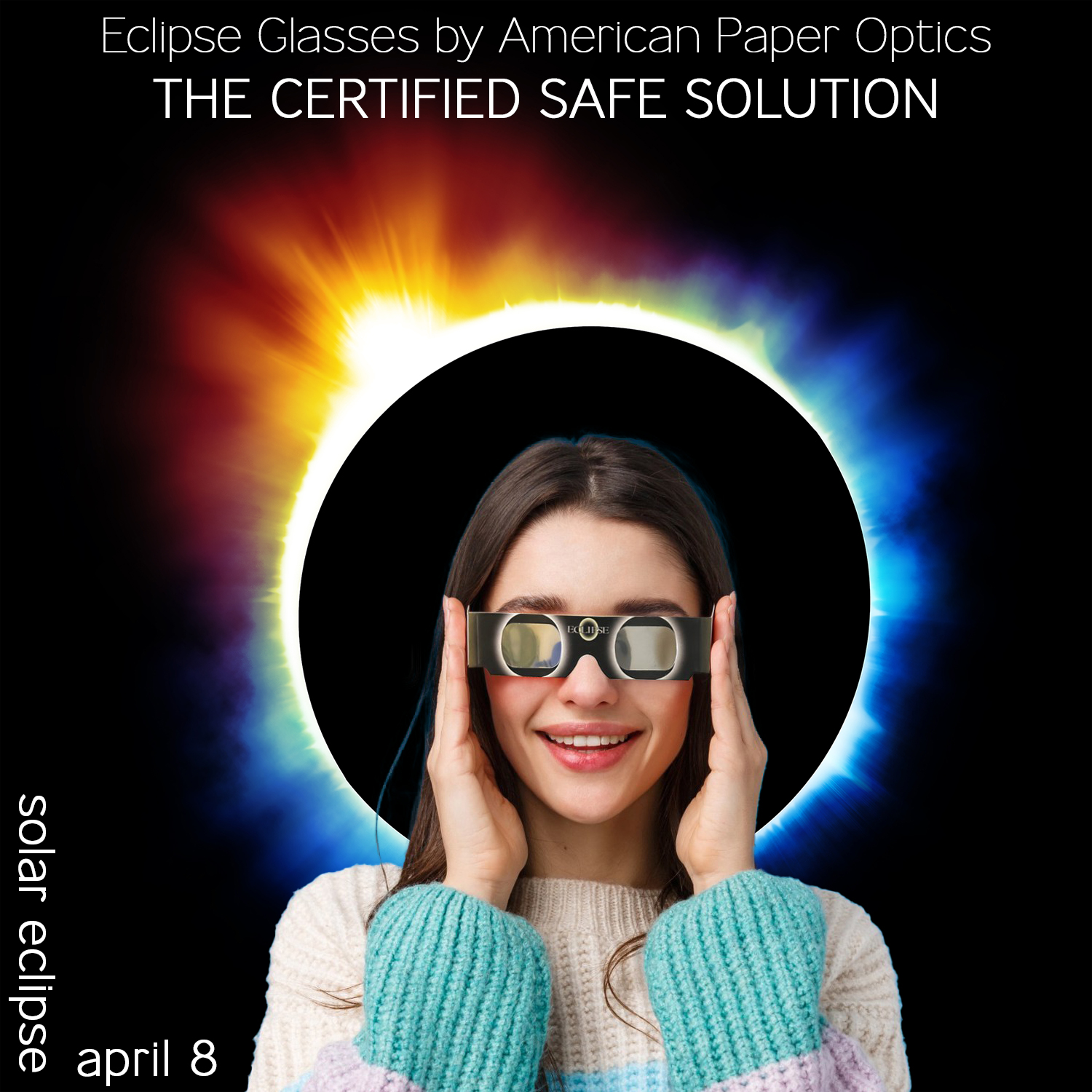
- American Paper Optics: One of the world's largest producers of cardboard solar eclipse glasses and plastic-framed eclipse viewers, based in the United States.
- Rainbow Symphony: A long-established manufacturer producing ISO-compliant paper viewers, shade-card viewers, and plastic frame solar glasses utilizing black polymer filters.
- Thousand Oaks Optical: A specialized solar filter manufacturer producing high-density optical film viewers, solar filters for telescopes, and rigid polymer plates.
- Lunt Solar Systems: Known primarily for manufacturing dedicated hydrogen-alpha solar telescopes, Lunt produces ISO-certified sun viewing glasses and handheld solar cards.
- Seymour Solar: A manufacturer supplying custom solar filter sheets and certified handheld viewing glasses for field observation.
Cautions When Using Online Marketplaces
E-commerce marketplaces such as Amazon, eBay, Temu, and Walmart Marketplace host thousands of independent third-party sellers. During high-demand eclipse periods, unverified sellers may list counterfeit or untested glasses bearing forged ISO symbols.
If buying through an e-commerce platform, ensure the item is Sold by and Shipped by the manufacturer directly (such as American Paper Optics or Rainbow Symphony) or an authorized distributor explicitly recognized by the AAS. Avoid listings where the brand name is non-descript, mixed, or missing clear contact details.
How to Get Free Eclipse Glasses in Your Community
If retail stock is exhausted or you want to avoid purchasing individual pairs, numerous community organizations distribute ISO-compliant solar viewing glasses to the public at no cost.
- Community Free Distribution Outlets
- Public Library Networks
- Planetariums & Observatories
- University Astronomy Depts
Public Libraries and Educational Grants
Public library systems serve as the primary distribution nexus for free eclipse safety gear. Educational initiatives, such as those supported by the Space Science Institute's STAR Net project and philanthropic grants from the Gordon and Betty Moore Foundation, distribute millions of certified eclipse viewers to thousands of public library branches across North America.
To receive free viewers from a library:
- Contact your municipal or county public library branch weeks before a solar event.
- Attend a library-hosted solar science workshop or community briefing, where glasses are frequently distributed to attendees.
- Check regional library system announcements for curbside distribution days or family literacy kits that include solar glasses.
Astronomy Clubs and Community Watch Events
Amateur astronomy societies and university physics departments organize public viewing events during partial and total solar eclipses. These organizations often receive corporate or institutional sponsorship to supply attendees with free, certified glasses.
Look up local chapters of the Astronomical League, NASA Solar System Ambassadors, or local university observatories to view their scheduled public outreach gatherings.
Comparing Sources for ISO-Certified Eclipse Glasses
The following reference matrix compares various distribution channels by availability, cost structure, verification ease, and risk factor:
| Outlet Category | Typical Cost | Availability | Verification Ease | Risk Level / Notes |
|---|---|---|---|---|
| Direct Manufacturers | $1.50 – $4.00 per pair | High (when ordered early) | Highest (Direct lab testing records) | Lowest Risk: Direct provenance from AAS-vetted factories. |
| National Retailers | $2.00 – $5.00 per pair | Variable (sells out rapidly) | Moderate (Inspect physical print on frame) | Low Risk: Major retail chains usually buy from legitimate domestic suppliers. |
| Public Libraries | Free | Limited supply per person | High (Sourced via federal/grant initiatives) | Lowest Risk: Vetted centrally by educational institutions like STAR Net. |
| Science Museums | $2.50 – $6.00 per pair | Moderate | High (Educational supply chains) | Lowest Risk: Science institutions strictly enforce safety standards. |
| Third-Party Online Marketplaces | $0.50 – $3.00 per pair | High | Difficult | High Risk: High incidence of counterfeit ISO labels among unauthorized re-sellers. |
How to Test and Verify Authentic Solar Glasses
Never rely solely on a printed "ISO 12312-2" icon, as fraudulent manufacturers easily print fake text on substandard cardboard. Perform a thorough physical and optical inspection before pointing your eyes toward the sun.
Step 1: Examine Printed Markings and Frames
Legitimate solar viewers feature comprehensive printed documentation directly on the frame:
- The manufacturer's full name, mailing address, and website URL.
- Clear instructions stating that the viewers must not be used if torn, punctured, scratched, or separated from the frame.
- Statements indicating compliance with ISO 12312-2 (or ISO 12312-2:2015).
- Warnings against using the paper glasses in combination with cameras, binoculars, or telescopes.
Step 2: The Indoor Ambient Light Test
Put the glasses on indoors in a normally lit room.
- Result: You should see absolutely nothing except extremely bright light sources (such as an uncovered halogen bulb, a bare clear-filament LED, or a smartphone flashlight held close).
- Ordinary household fixtures, walls, furniture, and computer screens should remain completely invisible through the black polymer film.
Step 3: Outdoor Testing (Non-Solar Objects)
Look outdoors on a bright day without looking directly at the sun:
- Standard daylight scenes, trees, vehicles, and clouds must remain totally invisible.
- If light from reflective surfaces or ambient daylight easily passes through the lens, the material is not dense enough for safe direct solar observation—discard the glasses immediately.
Step 4: Direct Solar Inspection
If the glasses pass indoor and ambient outdoors tests, briefly glance at the sun through the filters:
- The solar disk should appear sharp, comfortable to look at, and devoid of blinding glare.
- Depending on the filter type, the sun will appear either natural white (Mylar/aluminized filters) or warm yellow-orange (black polymer filters).
- If the sun appears painfully bright, surrounded by a heavy glare burst, or hazy, immediately look away and discard the viewers.
Safe DIY Alternatives and What Not to Use
If certified solar eclipse glasses are unavailable in your area, you can still view the eclipse safely through indirect projection or specialized industrial hardware.
Indirect Projection Methods (100% Safe)
Indirect projection allows you to watch the moon pass over the sun's image without looking directly at the sky.
- Sunlight
- Small Pinhole in Cardboard
- Shadow / Light Beam
- White Paper Screen
- Projected Eclipse Image
- Pinhole Projector: Punch a smooth, tiny hole through a sheet of cardstock or aluminum foil taped over cardboard. Standing with the sun behind you, project the sun's light through the pinhole onto a secondary white surface (like a piece of paper or the sidewalk). The light dot on the paper will form an inverted image of the eclipsed sun.
- Household Objects: Hold a colander, cheese grater, or slotted spoon in sunlight. The tiny openings will project dozens of crescent sun images onto the ground or a wall.
- Hand Grid: Cross the fingers of one hand over the fingers of the other at right angles. The small gaps between your fingers act as multiple pinhole projectors.
Shade 14 Welder's Glass
If you prefer direct viewing but lack paper eclipse glasses, specialized arc welding glass can serve as a suitable substitute:
You must use Shade 14 welder's glass (or darker).
Shades lower than 14 (such as Shade 10 or 12) transmit dangerous levels of infrared light and will cause eye damage during prolonged exposure.
Because shade 14 glass is extremely dark, it is generally sold at specialty welding supply distributors rather than local hardware stores.
Solar Eye Protection Safety Comparison
- SAFE FOR DIRECT SOLAR VIEWING
- ISO 12312-2 Certified Paper/Plastic Viewers
- Shade 14 Welder's Glass
- DANGEROUS / UNSAFE (DO NOT USE)
- Standard or Polarized Sunglasses
- Exposed Film / Unexposed X-Ray Film
- Smoked Glass or Tinted Acrylic
- Unfiltered Camera / Telescope Eyepieces
- SAFE FOR DIRECT SOLAR VIEWING
Unsafe Materials: What NOT to Use
Never attempt to view the sun using any of the following items, as they fail to absorb harmful non-visible radiation:
- Standard or Polarized Sunglasses: Even multiple pairs of dark, UV-blocking polarized sunglasses stacked together fail to attenuate extreme visible and infrared intensity.
- Exposed Camera Film or X-Rays: Developed film negatives, floppy disk interiors, or medical X-ray films do not block infrared light safely.
- Smoked Glass or Tinted Acrylic: Soot applied to glass creates uneven coatings that easily scratch off or fail to filter UV light.
- Telescopes or Binoculars without Front Filters: NEVER look at the sun through an optical aid while wearing regular eclipse glasses. The lenses of binoculars or telescopes act as magnifying glasses, focusing intense heat and light that will instantly melt the eclipse glass material and burn your eyes.
Frequently Asked Questions
Can I reuse eclipse glasses from a previous solar eclipse?
Yes, you can reuse solar eclipse glasses if they meet the ISO 12312-2 international standard and remain in flawless condition. Inspect the optical film closely under bright ambient light. If you discover scratches, punctures, pinhole tears, or film separating from the cardboard frame, throw them away immediately. If stored in a dry, cool place free from creasing, modern black polymer glasses can be kept for years without degradation.
Are regular UV400 sunglasses safe for eclipse viewing if I stack three pairs?
No. UV400 sunglasses block ultraviolet radiation, but they do not reduce intense visible sunlight or near-infrared radiation to safe levels. Stacking multiple pairs of dark sunglasses fails to achieve the 99.999% sunlight reduction provided by ISO 12312-2 certified solar filters, exposing your retinas to severe thermal and optical injury.
What should I do if my eclipse glasses do not have an ISO label printed on them?
If your glasses do not feature an ISO 12312-2 label, the manufacturer's name, and complete contact details printed directly on the frame, do not use them for direct solar viewing. Use an indirect projection method (such as a cardstock pinhole projector) instead to view the solar event safely.
Why do my solar glasses block out all light inside my house?
This complete darkness is normal and necessary. Certified solar eclipse glasses filter out approximately 99.999% of visible light alongside UV and infrared energy. As a result, standard indoor light fixtures and daylight reflections are entirely invisible through the high-density optical film. Only direct, unfiltered sunlight or extremely intense filament light bulbs will show through.
Can I look at the sun through a camera lens while wearing eclipse glasses?
No. You must never look through an camera viewfinder, telescope, or binoculars while wearing solar eclipse glasses. Concentrated light passing through magnifying lenses acts like a magnifying glass with sunlight, instantly melting through the paper eclipse frame film and inflicting permanent optical damage. Cameras require specialized solar filters mounted securely over the front objective lens.
Actionable Steps for Acquiring Solar Eclipse Glasses
- Check the AAS Register First: Cross-reference any store, online vendor, or brand with the American Astronomical Society list of approved solar viewer suppliers.
- Order Online Early: Secure your glasses 1–2 months before an anticipated solar eclipse from direct domestic manufacturers (such as Rainbow Symphony or American Paper Optics) to avoid shipping delays and inventory shortages.
- Contact Local Community Outlets: Check with local public library branches, university physics departments, and local planetariums for scheduled free distribution events.
- Inspect Every Pair: Perform the indoor ambient light test and visual frame inspection before putting on your solar viewers on the day of the skywatching event.
Image Gallery



![6 PACK] Solar Eclipse Glasses NASA Approved 2024 - Philippines | Ubuy](https://m.media-amazon.com/images/I/71tUnTPQbsL._AC_SL1500_.jpg)