Acklands-Grainger Inc. Changes and Ongoing Debates: A Comprehensive Analysis
Acklands-Grainger Inc. has undergone structural transformations, shifting from a legacy brick-and-mortar industrial distributor to a digital-first, centralized supply chain operator under the Grainger Canada banner. Major ongoing debat...
Acklands-Grainger Inc. has undergone structural transformations, shifting from a legacy brick-and-mortar industrial distributor to a digital-first, centralized supply chain operator under the Grainger Canada banner. Major ongoing debates surrounding the organization focus on cross-border pricing disparities, public sector procurement contracts, branch network closures in remote regions, and market competition with emerging e-commerce channels.
Contents
The Corporate Evolution: From Acklands to Grainger Canada
To understand the modern operations and policy discussions surrounding Acklands-Grainger Inc., one must examine its deep historical roots in the Canadian industrial landscape. Founded in 1889 in Winnipeg, Manitoba, as a manufacturer of wooden wagon parts, Acklands Limited expanded over a century to become Canada’s largest distributor of industrial, maintenance, repair, and operational (MRO) supplies, alongside safety equipment and fasteners.
In 1996, U.S.-based MRO leader W.W. Grainger, Inc. acquired Acklands Limited, creating Acklands-Grainger Inc. (AGI). For over two decades, the company operated under this joint name, leveraging Acklands' deep brand recognition in Western and Central Canada while integrating Grainger’s massive global supply chain and product catalog.
- Acklands Founded (1889)
- W.W. Grainger Acquisition (1996)
- Brand Transition to Grainger Canada (2010s–Present)
In recent years, W.W. Grainger initiated a global alignment strategy. This led to a progressive rebrand from Acklands-Grainger to Grainger Canada. While the legal entity in corporate filings often remains Acklands-Grainger Inc., the commercial identity, customer portals, and marketing channels have largely unified under the global parent brand. This shift was not merely cosmetic; it marked a fundamental change in how the company structures its sales, fulfillment, catalog management, and regional branch infrastructure across Canada's provinces and territories.
Operational Restructuring and Model Shifts
The transition of Acklands-Grainger Inc. reflects broader macroeconomic trends in industrial distribution: the shift from decentralized physical counter locations to high-tech distribution centers, automated inventory replenishment, and enterprise e-commerce portals.
Branch Consolidation and the Digital Pivot
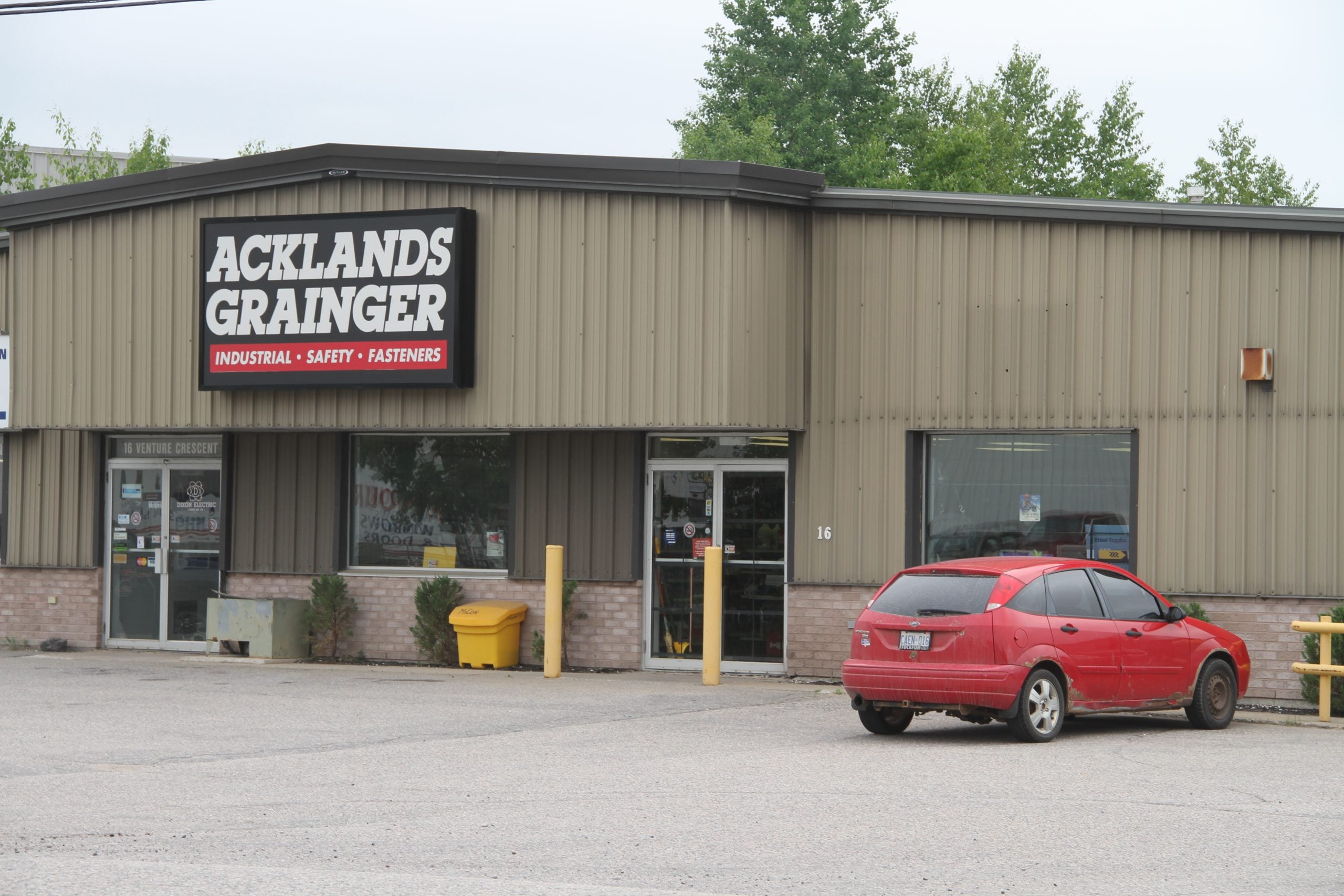
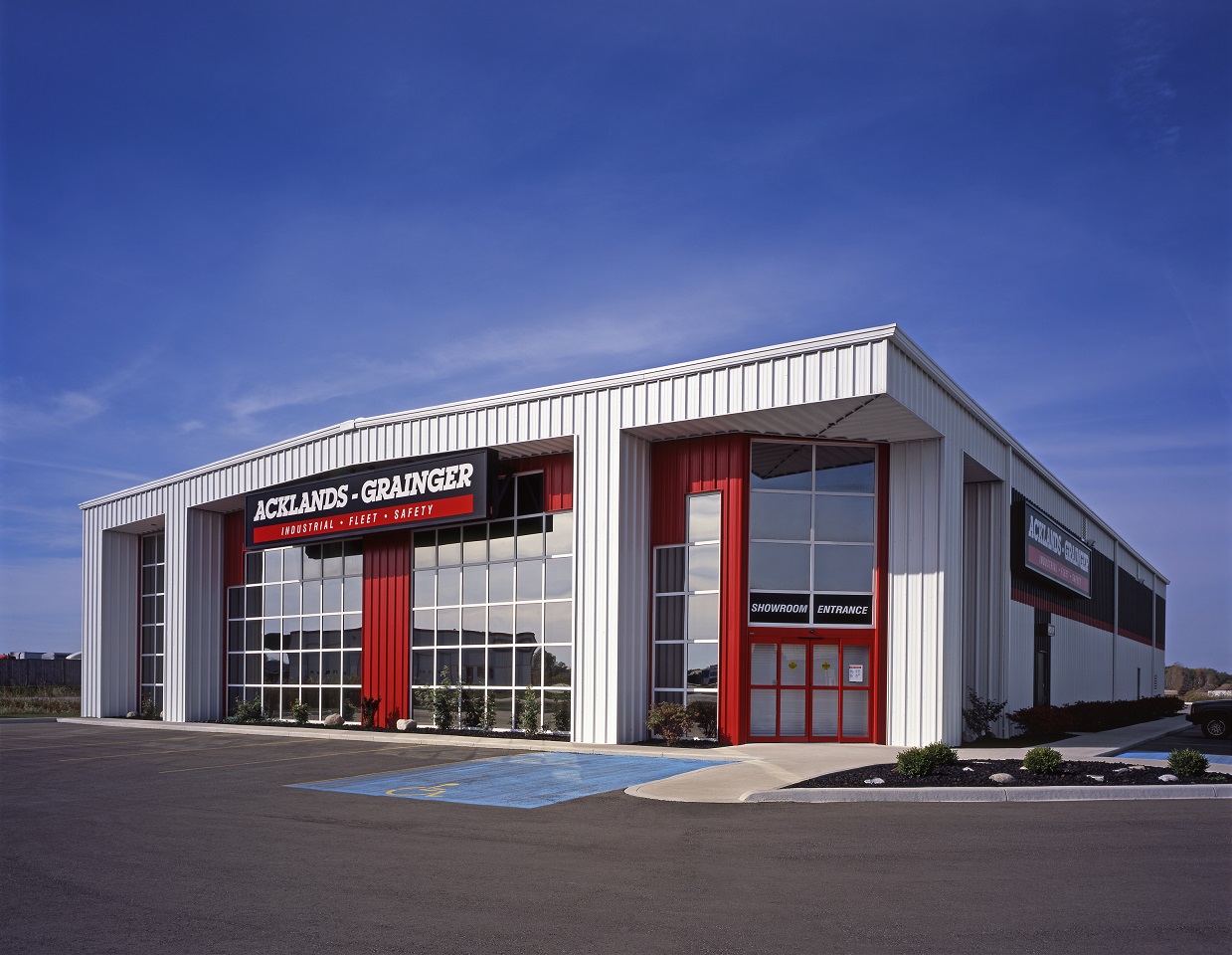
Historically, Acklands-Grainger operated more than 150 physical branches across Canada. These branches served as local trade counters where tradespeople, plant managers, and municipal workers could purchase tools, safety gear, and replacement parts directly over the counter.
Over the past decade, Grainger executed a comprehensive branch network optimization strategy. Dozens of physical branches were closed or consolidated into regional distribution hubs. The rationale behind this shift included:
- Reduction of Real Estate Overhead: Maintaining physical storefronts in small and mid-sized markets created substantial operational expenses relative to counter sales volume.
- Behavioral Shifts in B2B Procurement: Enterprise buyers increasingly placed orders through electronic data interchange (EDI), enterprise resource planning (ERP) integrations (such as SAP and Coupa), or web portals rather than visiting physical counters.
- Inventory Depth Constraints: Local branches could carry only a fraction of the company’s extensive stock keeping units (SKUs). Centralized distribution centers could house hundreds of thousands of SKUs, guaranteeing broader product availability for next-day delivery.
Supply Chain Centralization and Distribution Centers
To support branch closures without sacrificing delivery speed, Acklands-Grainger invested heavily in large-scale distribution centers (DCs). Key facilities, such as the major distribution hub in Caledon, Ontario, and distribution operations in Edmonton, Alberta, were built or expanded with advanced warehouse management systems (WMS) and automated material handling equipment.
This hub-and-spoke model relies on heavy freight logistics partners to service remote regions, relying on predictive inventory stocking to ensure high fulfillment rates for critical MRO inventory.
Vendor-Managed Inventory (VMI) and KeepStock
As trade counters closed, Acklands-Grainger expanded its vendor-managed inventory solutions, marketed primarily under the KeepStock portfolio. Rather than requiring customers to visit a branch or wait for standard shipments, the company installs automated vending machines, onsite consignment lockers, and barcode scanning systems directly inside customer manufacturing plants, mine sites, and fleet maintenance facilities. This software-driven model locks in recurring revenue while embedding the distributor directly into the customer's operational workflow.
Key Debates Surrounding Acklands-Grainger Inc.
The structural changes within Acklands-Grainger Inc. have generated significant debate among industrial customers, public procurement regulators, trade unions, and regional economic advocates.
- Cross-Border Pricing Parity & Currency Margins
- Public Sector Procurement & Sole-Source Contracts
- Rural Access & Loss of Local Trade Counters
- Market Dominance vs. Independent Competitors
1. Cross-Border Pricing Parity and Currency Margins
One of the most persistent controversies in Canadian industrial procurement is the pricing disparity between U.S. and Canadian MRO suppliers. Because Acklands-Grainger operates as a subsidiary of a U.S. corporation, Canadian buyers have frequently raised concerns over price differentials for identical products sold in the United States versus Canada.
Historically, list prices in Canada were often significantly higher than currency-adjusted U.S. prices. Industrial procurement managers argued that cross-border tariffs, shipping surcharges, and currency exchange markups were disproportionately passed on to Canadian buyers.
In response, W.W. Grainger undertook corporate-wide web price restructuring initiatives to align list prices more closely with market dynamics, reducing reliance on steep, negotiated discounts off inflated list prices. However, debate remains among mid-tier buyers regarding transparent pricing, particularly during periods of high inflation and trade tariff volatility.
2. Public Sector Procurement and Contracting Transparency
Acklands-Grainger Inc. has long been a major supplier to federal, provincial, and municipal government entities across Canada. The company frequently secures lucrative master service agreements (MSAs) and standing offers with organizations such as Public Services and Procurement Canada (PSPC).
Debates in this area center around three main issues:
- Contract Concentration: Critics and smaller domestic distributors argue that massive multi-year standing offers favor multinational entities like Acklands-Grainger, creating high barriers to entry for smaller, local independent distributors.
- Benchmarking and Price Audits: Government oversight bodies periodically review master procurement contracts to verify that contracted prices reflect competitive market rates. Discussions continue regarding whether bulk-purchasing agreements deliver true cost savings when factoring in shipping fees and standardized line-item markups.
- Buy-Canadian Policy Obligations: As public procurement guidelines increasingly prioritize domestic supply chain resilience and Indigenous enterprise participation, major contractors like Acklands-Grainger face growing scrutiny over their sourcing practices and vendor diversity initiatives.
3. Impact of Branch Closures on Rural and Resource-Dependent Economies
While branch consolidation makes financial sense on a corporate balance sheet, its real-world impact on resource-dependent communities—particularly in Northern Ontario, Western Canada’s oil patch, and rural mining corridors—has sparked intense local debate.
In many remote towns, an Acklands-Grainger branch was the sole local supplier of critical safety equipment, specialized hydraulic fittings, welding gases, and industrial tools. When these trade counters close:
- Work Stoppage Risks Increase: If a plant or drilling rig experiences a sudden equipment breakdown, waiting 24 to 48 hours for a shipment from a centralized DC in Toronto or Edmonton can lead to costly operational downtime.
- Increased Shipping Expenses for Small Orders: Small business contractors who previously walked into a local branch to buy minor replacement parts must now pay freight surcharges or meet high minimum order thresholds for free shipping.
- Local Job Losses: Branch closures eliminate technical sales roles, counter staff positions, and local warehouse jobs in small municipalities, concentrating employment in major metropolitan hubs.
4. Digital Disruption and Competition with E-Commerce Giants
The evolution of Acklands-Grainger is also heavily influenced by competitive pressures from non-traditional MRO distributors. The growth of platforms like Amazon Business, along with specialized digital distributors and direct-to-consumer manufacturer models, has eroded traditional distributor margins.
- Traditional Trade Counter Model
- Physical Storefront
- Limited In-Stock SKUs
- Over-the-Counter Sales
- High Local Real Estate Cost
- Modern Enterprise E-Commerce Model
- Centralized Mega-DC
- 500,000+ Online SKUs
- Vending / KeepStock EDI
- Consolidated Freight Hubs
Industry analysts actively debate whether legacy distributors can maintain their dominant market share against pure-play e-commerce platforms. While Grainger’s robust customer integration software (ERP connectivity, custom punchout catalogs, and compliance reporting) provides a strong moat among large enterprise clients, mid-market and small business buyers frequently shop based purely on real-time price and delivery speed, where digital competitors challenge established players.
Comparative Matrix: Operational Models Over Time
The structural shifts within Acklands-Grainger Inc. can be understood by comparing the legacy operational structure with the modern enterprise model currently deployed across Canada.
| Feature / Dimension | Legacy Acklands-Grainger Model | Modern Grainger Canada Operating Model | Impact on Procurement & Buyers |
|---|---|---|---|
| Primary Sales Channel | Physical trade counters, local branch sales representatives. | Digital portals (Grainger.ca), ERP punchout catalogs, automated EDI. | Faster order placement for enterprise clients; reduced face-to-face interaction. |
| Fulfillment Infrastructure | Network of 150+ regional retail and industrial branches. | Large automated Distribution Centers supported by freight logistics hubs. | Broader SKU availability per order; potential delays for emergency local pickups. |
| Inventory Management | On-shelf branch inventory, manual phone re-ordering. | KeepStock vending machines, onsite consignment lockers, auto-replenishment. | Lower stockouts for onsite client operations; higher technical integration requirements. |
| Pricing Architecture | Higher catalog list prices with deep customized account discounts. | Simplified, market-aligned list pricing with volume contract schedules. | Improved pricing transparency, though cross-border parity remains debated. |
| Target Customer Profile | Mixed (walk-in trade contractors, SMEs, large industrial facilities). | Enterprise accounts, institutional/public sector, large resource & manufacturing operations. | Shift away from walk-in retail; heavy optimization for high-volume contract buyers. |
Strategic Guidance for B2B Buyers and Industrial Procurement Leaders
Organizations managing procurement contracts with Acklands-Grainger Inc. (or evaluating alternative MRO vendor networks) should execute a structured vendor management strategy.
1. Optimize Contract Pricing Schedules
Because industrial product categories carry widely varying gross margins, buyers should not accept blanket discount percentages across an entire supplier catalog.
- Segment SKUs into Core vs. Non-Core: Establish deep custom pricing on high-frequency "core" items (e.g., specific PPE, common fasteners, high-wear cutting tools).
- Audit Freight Terms: Negotiate clear freight-prepaid thresholds, particularly if operating in Northern or rural locations affected by physical branch closures.
- Monitor Benchmark Pricing: Conduct regular spot-checks against alternative industrial suppliers and regional competitors to ensure pricing remains aligned with broader market shifts.
2. Leverage Onsite Inventory Automation
To offset the loss of local trade counters, procurement teams should evaluate automated inventory solutions. Implementing vendor-managed vending machines or barcode-scanned stockrooms reduces administrative order-processing costs, prevents stockouts of critical safety gear, and eliminates unapproved tail-spend by employees buying items off-contract.
3. Maintain Emergency Sourcing Protocols
Relying entirely on a centralized distribution model introduces vulnerability to transport delays, adverse weather conditions, and freight network interruptions. Industrial facilities should maintain relationships with local independent supply stores for urgent, same-day component needs that cannot wait for distribution center shipment cycles.
Frequently Asked Questions
Is Acklands-Grainger Inc. still operating in Canada?
Yes, Acklands-Grainger Inc. continues to operate as a leading industrial distributor in Canada, though it primarily markets its products and services under the commercial brand Grainger Canada.
Why did Acklands-Grainger close so many of its local branch stores?
The company consolidated its physical branch network to lower real estate overhead and adapt to shifting buyer habits. Most corporate procurement orders are now placed online or via ERP system integrations, allowing the company to consolidate inventory into high-capacity automated distribution centers rather than small local storefronts.
What is KeepStock, and how does it relate to physical branch closures?
KeepStock is Grainger’s suite of inventory management solutions, including onsite industrial vending machines, consignment lockers, and scanning software. It was expanded to provide business clients with instant, 24/7 access to essential tools and safety supplies directly at their job sites, counterbalancing the reduction of walk-in trade counters.
How do U.S. and Canadian pricing structures differ for Grainger products?
Historically, Canadian catalog pricing was higher due to currency conversion rates, import tariffs, cross-border freight costs, and localized distribution expenses. While Grainger has implemented price-restructuring initiatives to increase pricing transparency across North America, price variances can still occur depending on trade dynamics and supply chain costs.
What alternatives exist for businesses needing immediate local industrial supplies?
Businesses that require immediate, same-day pickup often partner with regional independent MRO distributors, local hardware trade outlets, or specialized stocking distributors (such as Fastenal or local hydraulic and welding supply outlets) that maintain physical retail counters in smaller industrial markets.
Recommendation and Next Steps
To maximize value when partnering with major MRO distributors like Acklands-Grainger Inc., industrial enterprise leaders should take the following immediate actions:
- Perform an MRO Spend Analysis: Review historical purchasing data to identify high-volume SKUs and verify that contracted tier discounts are accurately applied at checkout.
- Assess Onsite Stocking Needs: Determine whether deploying vendor-managed inventory (such as KeepStock lockers) can replace the need for local branch visits while lowering internal inventory handling costs.
- Establish Dual-Sourcing Policies: Maintain service agreements with local or regional suppliers to cover critical emergency items requiring same-day pickup, ensuring operational continuity if central distribution shipments face delays.
EDITORIAL CATEGORY METADATA:
Image Gallery