Porting Employer-Paid Life Insurance: Eligibility, Costs, and Process
Porting employer-paid life insurance allows you to maintain your group term life coverage as an individual policy after leaving your job. By "porting" the benefit, you transition from the employer’s master policy to a private account,...
Porting employer-paid life insurance allows you to maintain your group term life coverage as an individual policy after leaving your job. By "porting" the benefit, you transition from the employer’s master policy to a private account, often without a medical exam, provided you apply within the standard 31-day eligibility window.
Contents
Understanding Life Insurance Portability
Life insurance portability is a specific provision found in many group life insurance contracts that allows an insured employee to "take the policy with them" when they leave their place of employment. In the insurance industry, this is formally known as a portability elective. Most employer-sponsored plans are "term" policies, meaning they provide coverage for a specific period—in this case, the duration of your employment. When that employment ends, the coverage typically terminates unless action is taken to port or convert the policy.
The primary advantage of porting is the ability to maintain continuous coverage. This is particularly valuable for individuals who may have developed health conditions during their tenure that would make qualifying for a new, private life insurance policy difficult or prohibitively expensive. When you port a policy, you are essentially continuing the term insurance coverage you already had, though the premium structure and ownership of the policy shift from the employer to you.
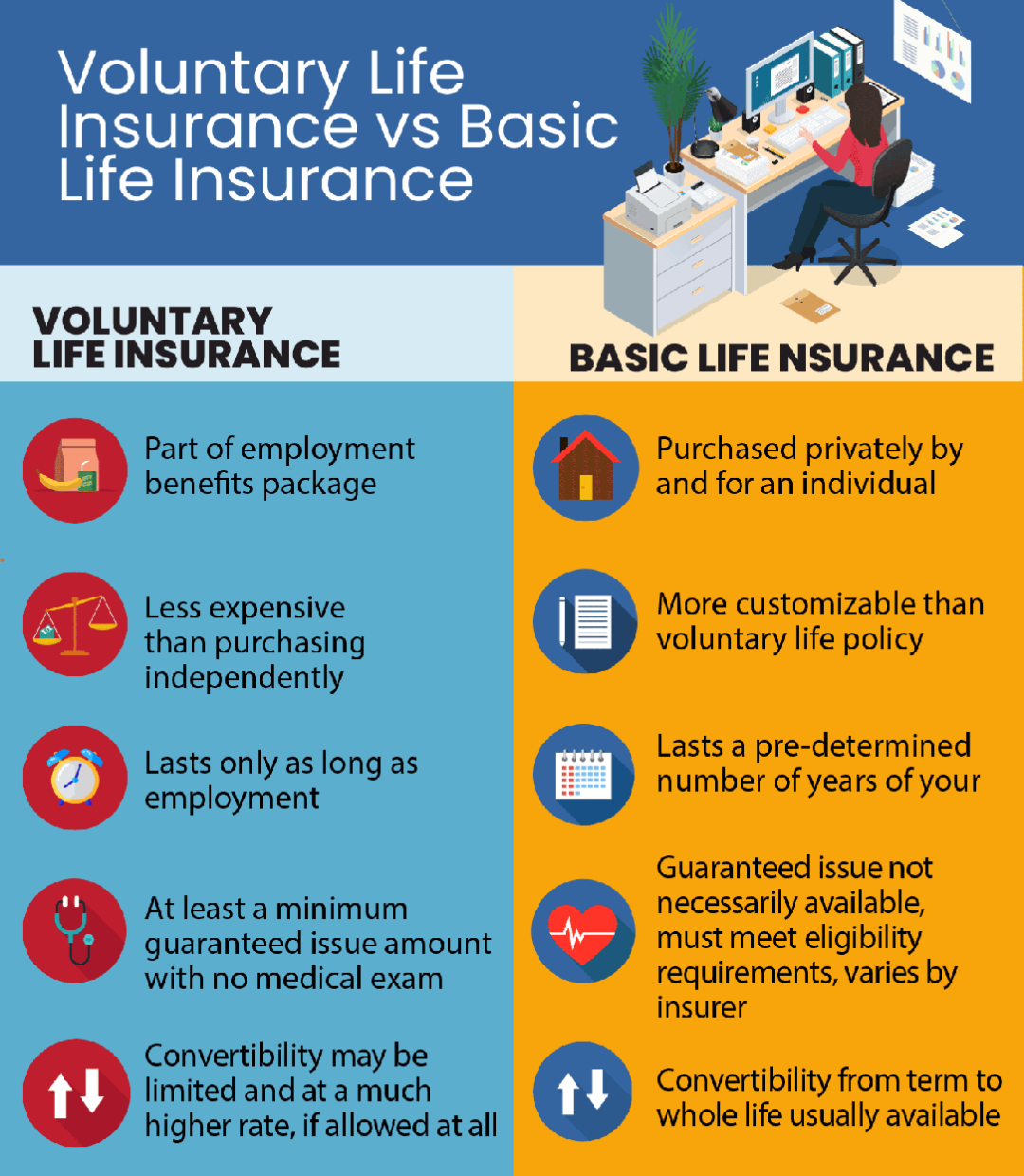
It is important to distinguish between "Basic Life" (the coverage the employer pays for) and "Supplemental Life" (the extra coverage you pay for via payroll deduction). While many plans allow for the portability of both, some contracts only allow the supplemental portion to be ported. In 2026, as remote work and frequent job transitions remain standard, understanding these nuances is critical for maintaining a robust financial safety net.
Porting vs. Conversion: Key Differences
When leaving an employer, you are often presented with two options for keeping your life insurance: porting and conversion. While they sound similar, they function very differently and serve different financial needs.
Portability (Term Insurance)
Porting typically allows you to keep your coverage as a term life insurance policy. Term insurance is generally less expensive than permanent insurance because it does not build cash value; it simply pays a death benefit if the insured passes away during the term. Ported policies often have "age-banded" premiums, meaning the cost will increase as you enter new age brackets (e.g., every five years). Portability is often the preferred choice for younger, healthy workers who need a high death benefit at a lower cost while they look for a new role.
Conversion (Permanent Insurance)
Conversion allows you to change your group term coverage into an individual permanent (whole) life insurance policy. Unlike porting, conversion is a right mandated by many state laws. Even if your group policy does not offer a portability provision, it must almost always offer a conversion option. Permanent policies are significantly more expensive—often five to ten times the cost of term insurance—but they build cash value and the premiums remain level for life. Conversion is generally the better option for individuals with serious health issues, as insurance companies are usually required to offer conversion regardless of the insured's medical status.
Eligibility Requirements for Porting Your Policy in 2026
Not everyone who leaves a job is eligible to port their life insurance. Eligibility is dictated by the specific language in the employer’s summary plan description (SPD) and the master contract held by the insurer. As of 2026, several standard conditions must usually be met:
- Reason for Leaving: Portability is typically reserved for those who leave employment voluntarily or due to a reduction in force. If an employee is terminated for "gross misconduct," the insurer may deny the request to port. Furthermore, if you are leaving employment because you are totally disabled, most contracts require you to use the "Waiver of Premium" provision or the "Conversion" option rather than portability.
- Age Limitations: Most insurance carriers, such as MetLife, Prudential, and New York Life, place an upper age limit on portability. It is common for the right to port to expire once an employee reaches age 65, 70, or sometimes 75. Beyond this age, the insurer may require conversion to a permanent policy instead.
- Minimum Coverage Period: Some plans require you to have been covered under the group policy for a minimum amount of time—often 6 or 12 months—before you are eligible to port the coverage.
- Active Work Requirement: You must generally be "actively at work" on your last day. If you were already on an extended leave of absence or disability leave, the portability rules might differ.
- Policy Status: You cannot port a policy that has already lapsed. You must initiate the process while the coverage is still active or within the very short grace period (usually 31 days) following your last day of work.
The Step-by-Step Process to Port Your Coverage
The window for porting life insurance is notoriously brief. If you miss the deadline, you generally lose the right to port without undergoing a full medical underwriting process, which defeats one of the primary benefits of the provision.
Step 1: Obtain the Portability Election Form
Upon your departure, your HR department or benefits administrator should provide you with a "Notice of Eligibility" and the corresponding portability application. If they do not provide this during your exit interview, you must proactively request it. In 2026, many companies use automated platforms like Workday or Benefitfocus, where these forms can be downloaded directly from the employee portal.
Step 2: Review the Coverage Limits
Decide how much coverage you want to keep. You can usually port the full amount you had as an employee, or you can choose a lesser amount (often in increments of $10,000). You cannot, however, increase your coverage amount during the porting process without undergoing a medical exam (Evidence of Insurability).
Step 3: Calculate the New Premium
The rate you paid as an employee (or the "hidden" rate the employer paid) will change. When you port, you will likely be moved to a "Ported Group Rate" table. These rates are often higher than the active employee rates because the insurance company no longer has the "active worker" discount and must account for the administrative costs of individual billing.
Step 4: Submit Application and First Premium
Submit the completed forms to the insurance carrier—not your former employer. You must usually include the first month’s or quarter's premium with the application. This must be postmarked within 31 days of your coverage termination date. This 31-day window is a strict industry standard.
Cost Considerations and Premium Adjustments
One of the biggest surprises for employees porting their coverage is the cost. While the coverage remains "term," the price increases for two reasons. First, the employer is no longer subsidizing the cost. If your employer was paying for $50,000 of coverage, you now assume 100% of that cost. Second, ported rates often include a "retention loading" fee to cover the risk the insurer takes by allowing people to keep coverage without medical questions.
Premiums for ported policies are typically age-banded. This means the price is fixed for a period (usually five years) based on your current age. When you move from age 44 to 45, or 49 to 50, your premium will jump to the next bracket. It is essential to request a "Rate Sheet" from the insurer to see how your costs will escalate over the next 10 to 20 years.
| Feature | Portability (Group Term) | Conversion (Whole Life) | New Individual Term Policy |
|---|---|---|---|
| Policy Type | Term Life | Permanent / Whole Life | Term Life |
| Medical Exam | Usually None | None | Required (usually) |
| Premiums | Moderate (increases with age) | High (fixed/level) | Low (fixed for term) |
| Cash Value | No | Yes | No |
| Deadline | Strictly 31 Days | Strictly 31 Days | Anytime |
| Max Age | Often 65-75 | No limit (usually) | Based on health/age |
Common Challenges and Troubleshooting
The transition from a group policy to a ported individual policy is a frequent source of administrative errors. Being aware of potential pitfalls can help ensure your beneficiaries remain protected.
Missing the 31-Day Window
The most common issue is the "31-day rule." Many employees believe they have more time or wait for a COBRA notice to arrive before thinking about life insurance. However, life insurance is not covered under COBRA. COBRA applies to health, dental, and vision benefits. Life insurance has its own separate timeline, and the clock starts ticking the moment your employment ends.
Incomplete Employer Sections
Portability forms often require a section to be filled out by the employer’s benefits administrator to verify the amount of coverage you had and your date of termination. If your former employer is slow to respond, it can jeopardize your deadline. In 2026, most insurers allow you to submit your portion of the form with a copy of your last pay stub or benefit statement to "stop the clock" while the employer's verification is pending.
Evidence of Insurability (EOI)
If you try to port a coverage amount higher than what was "Guaranteed Issue" (the amount you could get without a medical exam) while you were employed, the insurer may require an EOI. This involves a health questionnaire and potentially a blood draw. If you have underlying health issues, it is usually safer to port only the amount you were already approved for to avoid a denial.
Billing Lapses
Once you port your policy, you are responsible for paying the insurer directly. Ensure you set up "Electronic Funds Transfer" (EFT) immediately. If a ported policy lapses due to non-payment, it is extremely difficult to reinstate without a full medical exam.
FAQs
Can I port my spouse’s or child’s life insurance?
Yes, in most cases, if you have supplemental coverage for a spouse or children under your employer's plan, you can port their coverage along with your own. The same 31-day deadline and age-banding rules generally apply to their portions of the policy as well.
Is ported life insurance cheaper than buying a private policy?
Usually, no. If you are in excellent health, a new private term life insurance policy will almost always be cheaper than porting a group policy. Porting is specifically advantageous for those with pre-existing conditions or those who need a "bridge" of coverage for a few months while they transition to a new job with its own benefits package.
Does ported life insurance include Accidental Death and Dismemberment (AD&D)?
Generally, no. AD&D is often a separate rider that is "employer-paid" and usually does not have a portability provision. Most ported policies only cover the "Base" and "Supplemental" life insurance portions. Check your specific certificate of insurance to see if AD&D is an eligible "portable" benefit.
What happens if the former employer changes insurance carriers?
Once you have ported your policy, you are no longer tied to your former employer's group contract. If the company switches from MetLife to Cigna a year after you leave, your ported MetLife policy remains an individual contract between you and MetLife. It will not be affected by the company's changes.
Practical Recommendations
If you are leaving your employer, your first action should be to review your Summary Plan Description to verify if portability is even an option. If it is, compare the ported premium rates against the cost of a new individual term policy. If you are in good health, use the 31-day window to apply for a private policy; if that policy is approved, you can let your group coverage go.
However, if you have any health concerns—ranging from high blood pressure to more serious chronic conditions—you should port your employer-sponsored coverage immediately to ensure you do not have a gap in protection. You can always cancel the ported policy later if you find a better private option, but you cannot "get back" the right to port once that 31-day window closes. For more information on your rights regarding group benefits, you can consult the U.S. Department of Labor's ERISA guidelines.
Image Gallery