The History of Manchester United Goalkeepers: From Munich Heroes to Modern Playmakers
The history of Manchester United goalkeepers is defined by eras of world-class stability punctuated by turbulent periods of transition. Since the club’s inception, the "number one" shirt has been worn by legendary figures like Harry Gr...
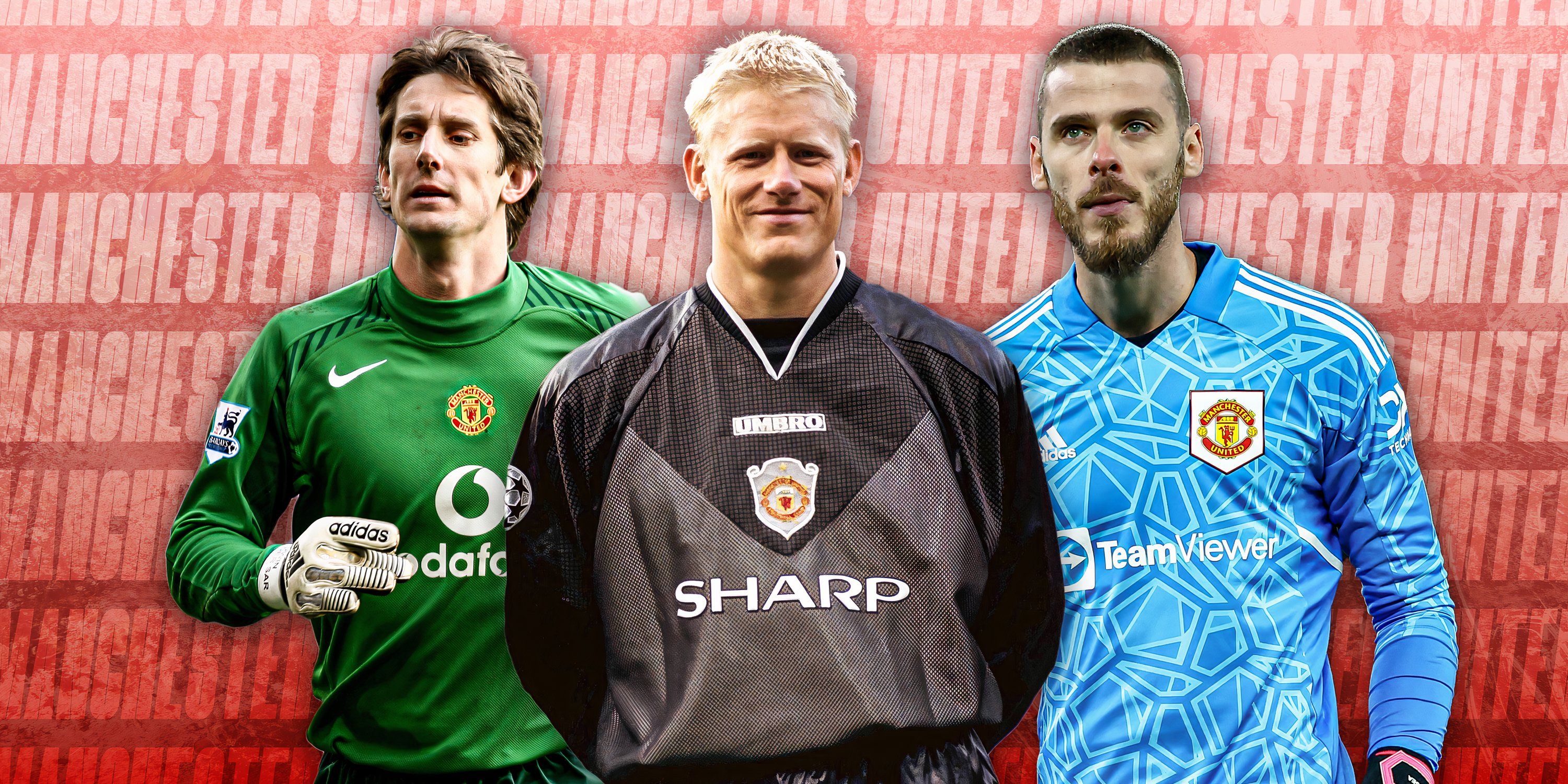
The history of Manchester United goalkeepers is defined by eras of world-class stability punctuated by turbulent periods of transition. Since the club’s inception, the "number one" shirt has been worn by legendary figures like Harry Gregg, Alex Stepney, Peter Schmeichel, Edwin van der Sar, and David de Gea, each of whom played a pivotal role in the club's domestic and European triumphs.
Contents
The Early Pioneers and the Hero of Munich
In the early decades of the 20th century, goalkeepers at Manchester United were often reliable but rarely attained the global superstar status seen in the modern game. However, the post-war era under Sir Matt Busby changed the trajectory of the position. The most significant figure of this period was Harry Gregg, who joined the club in December 1957 for a world-record fee for a goalkeeper at the time (£23,500).
Gregg’s legacy is inextricably linked to the Munich Air Disaster of 1958. Beyond his immense talent as a shot-stopper, he was hailed as the "Hero of Munich" for his bravery in rescuing teammates, including Bobby Charlton and Jackie Blanchflower, as well as other passengers from the burning wreckage. Despite the physical and emotional scars of the tragedy, Gregg remained a cornerstone of the rebuilding United side, though he famously never won a major medal with the club due to injuries and the timing of United’s subsequent trophy wins.
Following the Gregg era, the club sought a long-term successor who could anchor a team capable of conquering Europe. This search led them to Alex Stepney, who signed from Chelsea in 1966. Stepney became one of the most decorated and durable keepers in the club's history. He was the man between the sticks during the 1968 European Cup Final at Wembley, where his crucial save against Eusebio late in the match allowed United to eventually defeat Benfica 4-1. Stepney held the record for most appearances by a Manchester United goalkeeper (539) for 45 years, a testament to his consistency and the trust placed in him by multiple managers.
The Peter Schmeichel Revolution
The 1980s were a period of relative flux, with Gary Bailey providing solid service before injuries cut his career short. When Sir Alex Ferguson took over in 1986, he experimented with several options, including Jim Leighton and Les Sealey. However, the signing that redefined the position for the Premier League era was Peter Schmeichel in 1991.
Signed for a modest £505,000 from Brøndby, Schmeichel is frequently cited as the "bargain of the century." He brought a physical presence and an intimidating aura that revolutionized how the position was played. Schmeichel was known for his "star jump" save technique—a move borrowed from handball—and his ability to launch immediate counter-attacks with massive, accurate hand-throws.
During his eight seasons at Old Trafford, Schmeichel won five Premier League titles, three FA Cups, and the UEFA Champions League. His tenure culminated in the 1998-99 Treble, where his captaincy in the final against Bayern Munich served as the perfect swansong. His departure in 1999 left a void that proved remarkably difficult to fill, leading to a period often referred to by fans as the "wilderness years" for United goalkeepers.
The Post-Schmeichel Struggles
Replacing a legend is a monumental task, and Manchester United struggled for six years to find a worthy successor to Schmeichel. Sir Alex Ferguson cycled through nearly a dozen goalkeepers, none of whom could maintain the required level of consistency for a club competing at the highest level.
- Mark Bosnich: Returning for a second spell, the Australian struggled with fitness and lifestyle issues.
- Fabien Barthez: A World Cup winner with France, Barthez was brilliant but erratic. His eccentric style often led to high-profile errors that undermined his world-class shot-stopping.
- Tim Howard & Roy Carroll: Both showed promise but lacked the psychological resilience to handle the pressure of the Old Trafford spotlight, famously typified by the "goal that wasn't" involving Pedro Mendes and Carroll.
This period taught the club a vital lesson: a Manchester United goalkeeper requires more than technical skill; they need a specific temperament to handle the isolation and scrutiny of the role.
The Edwin van der Sar Era: Calmness Restored
In 2005, United finally solved the goalkeeping puzzle by signing Edwin van der Sar from Fulham. At 34, many critics thought his best years were behind him, but the Dutchman proved to be the missing piece in Ferguson’s second great side. Van der Sar brought a sense of "ice-cool" composure that settled the defense in front of him, particularly the legendary pairing of Rio Ferdinand and Nemanja Vidić.
Van der Sar’s tenure was defined by record-breaking statistics and clutch performances. In the 2008-09 season, he set a world league record by going 1,311 minutes without conceding a goal. His crowning moment came in the 2008 Champions League Final in Moscow, where he saved Nicolas Anelka’s penalty in the shootout to secure United’s third European crown. He retired in 2011, having restored the prestige of the United number one shirt.
David de Gea and the Decade of Reflexes
Replacing Van der Sar was a daunting task, but United looked to the future by signing a 20-year-old David de Gea from Atlético Madrid in 2011. While his early months were marred by criticisms of his physical stature and ability to handle crosses, De Gea evolved into arguably the greatest pure shot-stopper in the world during the mid-2010s.
During the post-Ferguson era, a period of decline for the club as a whole, De Gea was often the sole reason United remained competitive. He won the Sir Matt Busby Player of the Year award four times—a record for any player at the time—and surpassed Alex Stepney's appearance record for a goalkeeper.
De Gea’s style was reactive and reflex-based. However, as football evolved toward a model where goalkeepers are expected to be "11th outfield players" involved in the build-up, De Gea’s traditional style became a point of tactical friction. By the time he departed in 2023, he had kept more clean sheets (190) than any other keeper in United’s history.
Statistical Comparison of Manchester United Goalkeeping Legends
The following table compares the most influential keepers in the club's history based on their primary statistics during their time at Old Trafford.
| Goalkeeper | Years Active | Total Appearances | Clean Sheets | Major Trophies Won |
|---|---|---|---|---|
| Alex Stepney | 1966–1978 | 539 | 175 | 1 First Div, 1 FA Cup, 1 UCL |
| Peter Schmeichel | 1991–1999 | 398 | 180 | 5 PL, 3 FA Cup, 1 UCL |
| Edwin van der Sar | 2005–2011 | 266 | 135 | 4 PL, 1 League Cup, 1 UCL |
| David de Gea | 2011–2023 | 545 | 190 | 1 PL, 1 FA Cup, 2 League Cups, 1 UEL |
| André Onana | 2023–Present | 110* | 38* | 1 FA Cup* |
*Data as of early 2026; figures rounded for career context.
The Modern Pivot: André Onana and the Playmaker Role
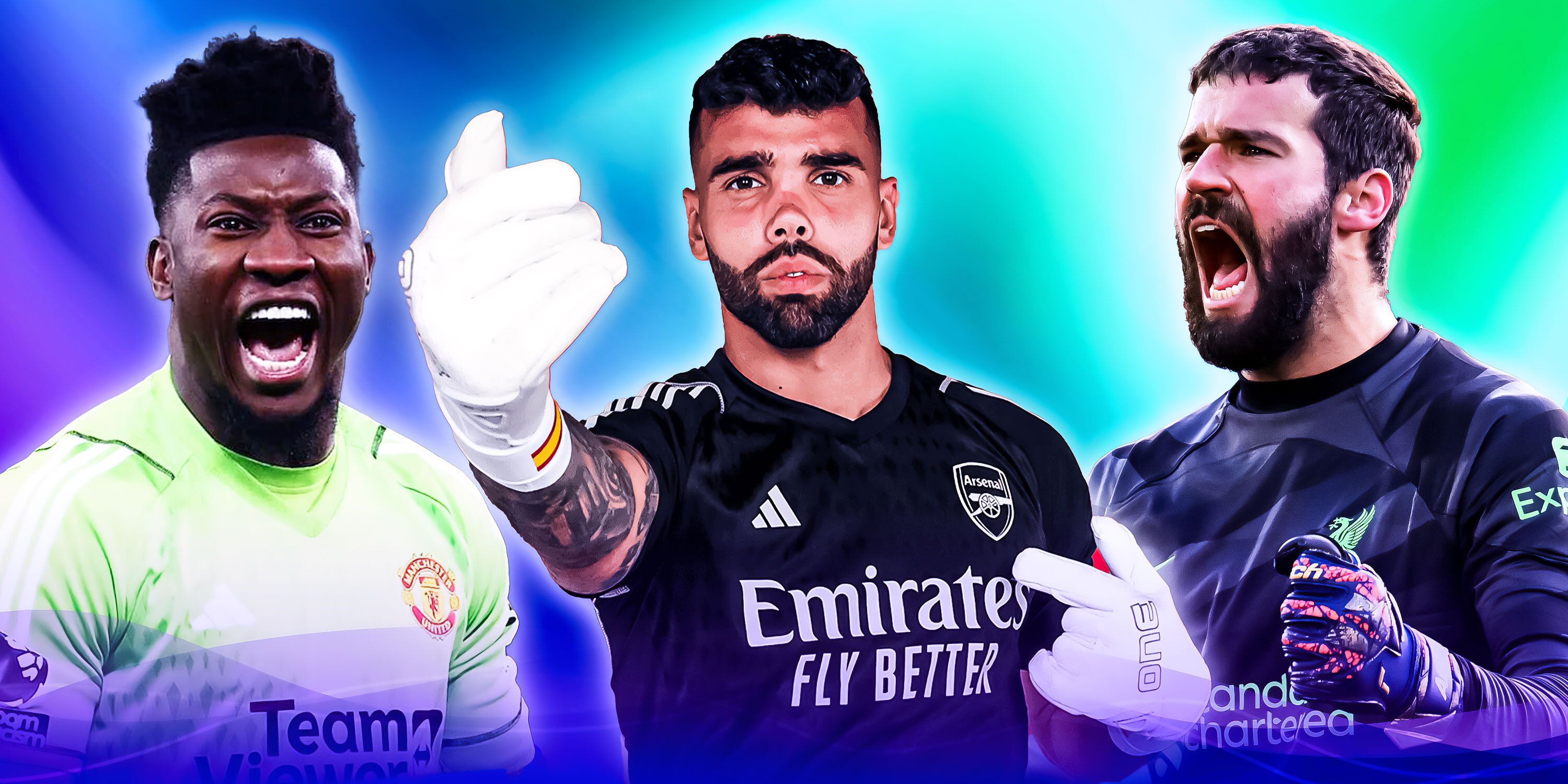
The appointment of Erik ten Hag led to a fundamental shift in the profile of the Manchester United goalkeeper. In 2023, the club signed André Onana from Inter Milan to replace De Gea. Onana represented a move away from pure shot-stopping toward a "proactive" goalkeeping model.
Onana’s role in 2024 and 2025 has been characterized by high positioning, risk-taking in possession, and acting as a primary distributor for the team's attacks. While this transition initially faced scrutiny due to the high-risk nature of the style, it aligned with the global trend of goalkeepers being integrated into the tactical structure of the outfield play. By 2026, Onana has established himself as the prototype for the modern United keeper—one who values ball retention as much as a diving save.
Frequently Asked Questions
Who has kept the most clean sheets for Manchester United?
David de Gea holds the record for the most clean sheets in Manchester United history, with 190 shutouts in 545 appearances. He surpassed the previous record held by Peter Schmeichel during the 2022-23 season.
Which Manchester United goalkeeper won the most trophies?
Peter Schmeichel is widely considered the most decorated in terms of major trophy impact, winning 15 trophies in total, including five Premier League titles and the 1999 Champions League. However, Edwin van der Sar also boasts a high trophy-per-season ratio, winning four league titles in just six years.
Why was Harry Gregg called the "Hero of Munich"?
Harry Gregg earned the title for his selfless actions during the 1958 Munich Air Disaster. After escaping the crashed plane, he returned to the wreckage twice to pull survivors to safety, including a baby and his pregnant mother, despite the immediate danger of an explosion.
Who was the tallest goalkeeper to play for Manchester United?
Edwin van der Sar, standing at approximately 6'6" (1.97m), is one of the tallest prominent keepers in the club's history. His height and wingspan were crucial to his dominance in the penalty area and his ability to intercept crosses.
How did the role of the Manchester United goalkeeper change under Erik ten Hag?
Under Ten Hag, the role transitioned from a "reactive" shot-stopper (typified by De Gea) to an "active" playmaker (typified by Onana). The goalkeeper is now expected to stay higher up the pitch, assist in the build-up phase, and possess the passing range of a midfielder.
Expert Recommendation for Fans and Researchers
To truly appreciate the history of Manchester United goalkeepers, fans should look beyond the highlight reels of saves. Researching the defensive structures that supported these keepers—such as the Bruce-Pally or Vidic-Ferdinand eras—provides context for their success. For those interested in the technical evolution of the role, studying the training methods introduced by coaches like Eric Steele (who brought in De Gea) or Richard Hartis offers deep insight into how United remains at the forefront of goalkeeping development.
Image Gallery