Why Reputation Monitoring Matters for Businesses Today
Reputation monitoring is the strategic process of tracking, analyzing, and influencing how a brand is perceived across digital platforms. In an ecosystem where customer sentiment can spread globally in seconds, monitoring provides the...
Reputation monitoring is the strategic process of tracking, analyzing, and influencing how a brand is perceived across digital platforms. In an ecosystem where customer sentiment can spread globally in seconds, monitoring provides the actionable data necessary to protect brand equity, manage crisis communications, and maintain trust with stakeholders, ultimately safeguarding long-term revenue.
Contents
The Mechanics of Digital Perception
In 2026, the digital footprint of a business extends far beyond its official website. Customers evaluate brands through a decentralized network of social media, review aggregators, industry forums, and search engine results. Reputation monitoring functions as a centralized intelligence system that captures mentions and sentiment data from these disparate sources.
At its core, the practice involves three phases: collection, analysis, and response. Collection relies on listening tools that scan keywords, brand names, and key executives across the web. Analysis involves sentiment classification—distinguishing between constructive feedback, neutral mentions, and active brand disparagement. Response is the tactical execution of addressing concerns, which could range from a direct customer service intervention to a broader public relations campaign. Without these systems, a business is effectively operating in a vacuum, blind to the narrative shaping its market position.
Economic Implications of Brand Sentiment
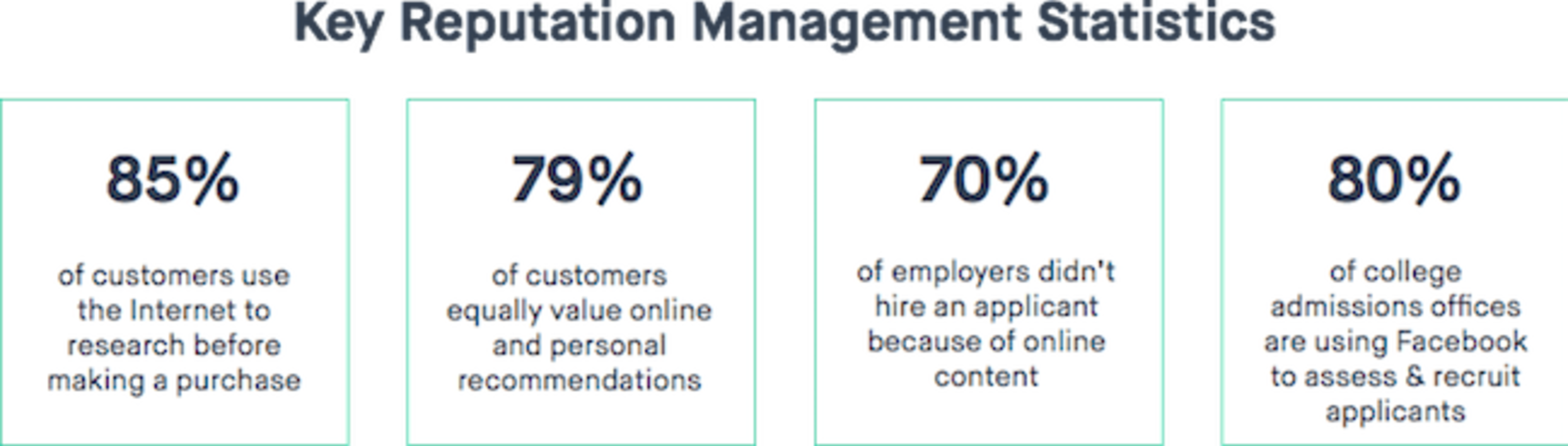
The connection between online reputation and financial performance is direct and quantifiable. Consumer trust acts as a barrier to entry for competitors and a multiplier for customer lifetime value. When potential clients research a service provider, they are not merely looking for pricing; they are conducting a risk assessment.
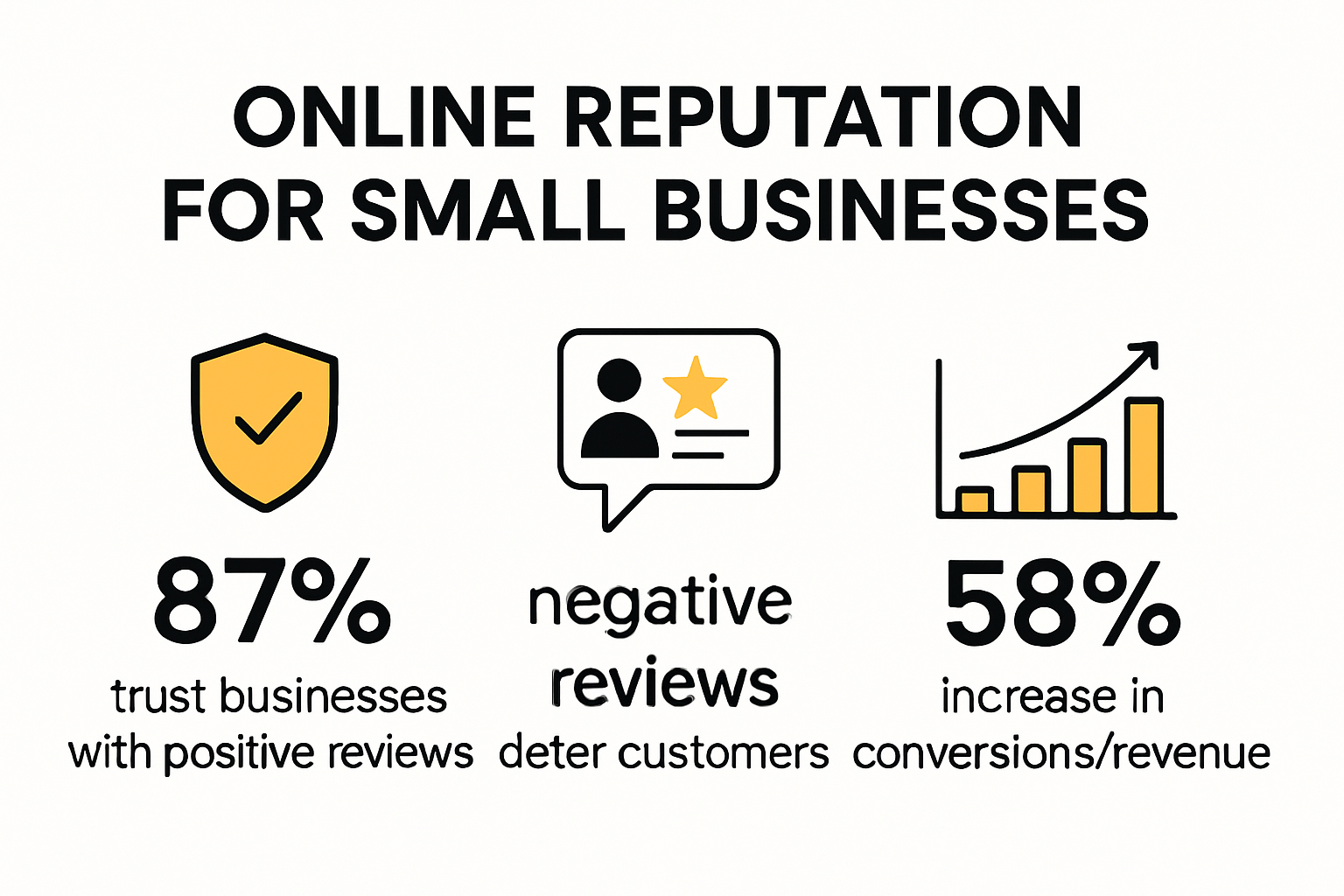
Positive reviews and high search engine rankings for authoritative content correlate with lower customer acquisition costs. Conversely, a failure to monitor the reputation landscape can lead to "sentiment leakage," where a single unresolved customer issue escalates into a viral thread that impacts brand equity. Monitoring allows companies to mitigate this risk by identifying emerging issues before they reach a critical mass, effectively capping the potential damage and reducing the need for costly emergency marketing pivots.
Protecting Trust in a Data-Driven Environment
The digital economy is built on information asymmetry. Consumers often possess more information about a company’s failures than the company itself, primarily because platforms like review sites and social networks prioritize high-engagement, often inflammatory, content. Reputation monitoring levels this playing field.
By maintaining a proactive monitoring stack, businesses can:
- Verify authenticity: Identify fake reviews or malicious bot activity that could artificially deflate ratings.
- Identify gaps in service: Aggregate recurring complaints to provide insights for product development and operational improvements.
- Maintain search engine authority: Ensure that the content appearing in search results is accurate and reflects the brand’s current value proposition rather than outdated or misleading information.
Comparison of Reputation Management Strategies
The following table contrasts reactive approaches with active, integrated monitoring strategies common in modern business operations.
| Feature | Reactive Management | Active Reputation Monitoring |
|---|---|---|
| Response Time | High (Days/Weeks) | Low (Minutes/Hours) |
| Data Source | Anecdotal / Internal reports | Real-time sentiment analytics |
| Crisis Mitigation | Damage control after impact | Early warning of potential threats |
| Resource Allocation | High-cost emergency PR | Scalable, continuous software use |
| Search Engine Result Page (SERP) Influence | Negligible | Highly targeted through content optimization |
Operational Prerequisites for Implementation
For a business to effectively monitor its reputation, it must first establish an infrastructure for data aggregation. This requires defining the scope of the "digital ecosystem" relevant to the specific industry. For a local service provider, this might mean focusing heavily on Google Business Profile, Yelp, and local news forums. For a global enterprise SaaS provider, the focus shifts to professional networks like LinkedIn, tech-specific forums (e.g., Stack Overflow or Reddit), and international news outlets.
Prerequisites include:
- Defined Keyword Set: Identifying the variations of brand names, product titles, and executive names to be tracked.
- Access and Permissions: Ensuring the communication team has administrative access to social media channels and review platform portals.
- Internal Escalation Protocols: Establishing a clear chain of command for when sentiment analysis identifies a "high-risk" mention, such as a legal threat or a significant data security concern.
Navigating Common Pitfalls and Limitations
One common error businesses make is confusing "monitoring" with "suppression." Attempting to delete, ignore, or aggressively fight negative feedback often results in the "Streisand effect," where the original issue gains significantly more visibility due to the defensive reaction. Effective monitoring should be viewed as an opportunity for engagement rather than a tool for erasure.
Additionally, monitoring tools are only as effective as the analysis applied to them. Over-reliance on automated sentiment scores—which often struggle with sarcasm, irony, or complex industry jargon—can lead to poor decision-making. Human oversight is essential for interpreting the nuance of complex consumer feedback to ensure that responses remain authentic and professional.
Frequently Asked Questions
How does reputation monitoring differ from standard social media management? Social media management focuses on content distribution and community engagement. Reputation monitoring is broader; it tracks mentions in places where the company is not actively posting content, such as third-party review sites or industry-specific news outlets.
Can reputation monitoring help improve my SEO? Yes. Search engines prioritize user experience and brand authority. By consistently monitoring and responding to reviews and fostering positive mentions, you improve your brand's prominence, which contributes to higher search engine rankings.
What is the minimum required budget for reputation monitoring? Costs vary based on the scale of your digital footprint. Small businesses can utilize free or low-cost automated alerts like Google Alerts, while larger organizations require enterprise-grade SaaS platforms that offer sentiment analysis and reporting, which can range from hundreds to thousands of dollars per month.
How do I handle negative reviews without appearing defensive? Transparency is key. Acknowledge the issue, express a desire to resolve it offline to protect privacy, and avoid jargon or templated robotic responses. Use the feedback to show that your business values accountability.
Is it legal to monitor what people say about my business? Yes. You can legally monitor public content published on the internet. However, you must comply with privacy laws regarding the collection of personal data (such as GDPR or CCPA) if you are scraping or storing user information beyond public comments.
Next Steps for Implementation
To begin, conduct a "reputation audit" to understand your current digital standing. Perform manual searches for your brand name across major search engines and social platforms to establish a baseline. Following this, select a reputation monitoring tool that aligns with your specific industry needs. Finally, integrate these insights into your weekly internal reviews to ensure that customer feedback directly influences your company's operational goals for 2026.
Image Gallery