Different Types of LLC Businesses: A Comprehensive Guide to Structure and Selection
The primary types of LLC businesses include Single-Member LLCs, Multi-Member LLCs, Series LLCs, Professional LLCs (PLLCs), and Low-profit Limited Liability Companies (L3Cs). These structures differ based on ownership volume, management...
The primary types of LLC businesses include Single-Member LLCs, Multi-Member LLCs, Series LLCs, Professional LLCs (PLLCs), and Low-profit Limited Liability Companies (L3Cs). These structures differ based on ownership volume, management style, and specialized regulatory requirements. Choosing the correct type depends on your tax objectives, the number of owners, and the specific professional licensing requirements of your industry.
Contents
The Limited Liability Company (LLC) remains the most versatile business structure in the United States in 2026. By combining the asset protection of a corporation with the tax flexibility of a partnership, the LLC allows entrepreneurs to safeguard personal wealth while avoiding the rigid formalities of a traditional C-Corp. However, the term "LLC" is an umbrella that covers several distinct variations, each with unique legal and tax implications.
Fundamental Operational LLC Types
The most common way to categorize an LLC is by the number of owners, known as "members." This distinction is critical because it dictates how the Internal Revenue Service (IRS) views the entity for tax purposes and how the governing documents should be drafted.
Single-Member LLC (SMLLC)
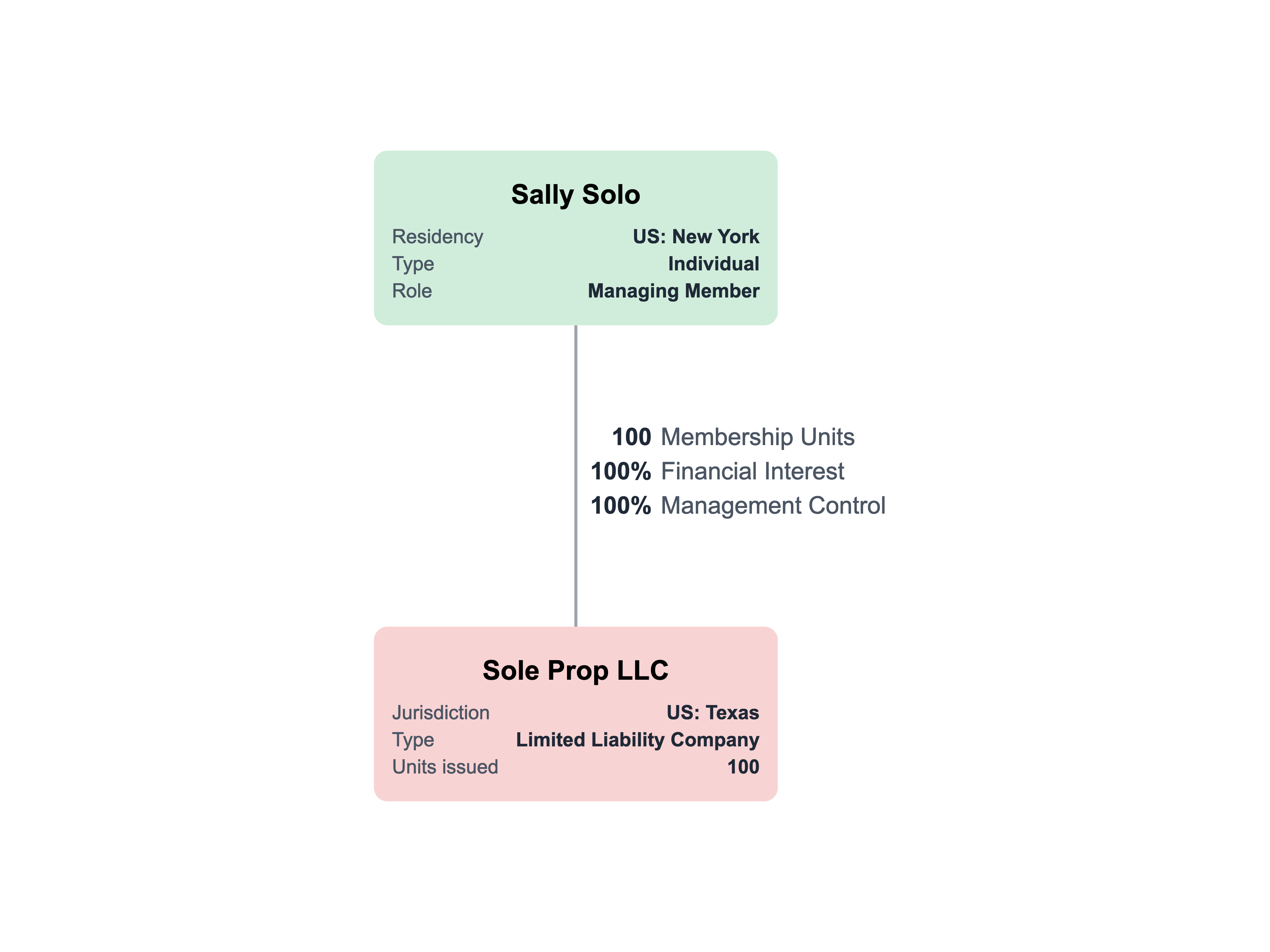
A Single-Member LLC has only one owner. In the eyes of the law, the SMLLC is a separate legal entity that provides the owner with limited liability protection, meaning personal assets like homes and savings are generally shielded from business debts.
For federal tax purposes, the IRS treats an SMLLC as a "disregarded entity" by default. This means the business does not file a separate income tax return; instead, the owner reports business income and expenses on Schedule C of their personal Form 1040. While simple, SMLLC owners must be diligent about maintaining a "corporate veil." If an owner mixes personal and business funds, a court may allow creditors to "pierce the veil," holding the individual personally liable for business obligations.
Multi-Member LLC (MMLLC)
A Multi-Member LLC consists of two or more owners. These members can be individuals, corporations, or even other LLCs. By default, the IRS treats an MMLLC as a partnership. The entity must file an informational return (Form 1065), but the business itself pays no income tax. Instead, profits and losses "pass through" to the members, who receive a Schedule K-1 to report their share on their individual tax returns.
The complexity of an MMLLC lies in the Operating Agreement. This internal document is essential for defining how profits are distributed, how decisions are made, and what happens if a member wants to leave the business. Without a robust agreement, the business is subject to the default state laws, which may not align with the members' intentions.
Management-Based LLC Classifications
Beyond ownership, LLCs are categorized by who holds the decision-making power. This distinction is usually codified in the Articles of Organization filed with the Secretary of State.
Member-Managed LLC
In a member-managed structure, all owners participate in the day-to-day operations and decision-making of the business. This is the default state for most small businesses and startups. It is ideal for "hands-on" owners who want direct control over every aspect of the company, from signing contracts to hiring employees.
Manager-Managed LLC
In a manager-managed LLC, the members appoint one or more "managers" to run the company. These managers can be specific members or outside professionals who do not own a stake in the company. This structure is preferred when:
- Certain members are "silent investors" who provide capital but do not want operational responsibility.
- The business has a large number of members, making collective decision-making impractical.
- The members prefer to hire an executive with specific industry expertise to lead the organization.
Specialized Legal LLC Entities
As the legal landscape has evolved, several specialized LLC types have emerged to serve niche industries or specific strategic goals.
Series LLC (SLLC)
The Series LLC is a unique structure that allows a single "master" LLC to create separate "cells" or series under its umbrella. Each series operates as an independent unit with its own assets, members, and liabilities.
The primary advantage of a Series LLC is liability segregation. For example, a real estate investor might own ten rental properties. By placing each property in a separate series within one Series LLC, a lawsuit related to Property A cannot reach the assets of Property B or the master LLC. This reduces filing fees and administrative burdens compared to forming ten separate LLCs. However, not all states recognize Series LLCs, and their treatment in bankruptcy court remains a complex legal area. The Uniform Law Commission provides ongoing guidance on the Protected Series Act which many states have adopted.
Professional LLC (PLLC)
A PLLC is designed for licensed professionals such as doctors, lawyers, accountants, and engineers. In many states, these professionals are prohibited from forming a standard LLC to prevent them from shielding themselves from professional malpractice claims.
A PLLC provides limited liability for the general business debts of the firm, but it does not protect a professional from their own malpractice. It does, however, protect one partner from the malpractice committed by another partner. Formation usually requires proof of licensure from the respective state board.
Low-profit Limited Liability Company (L3C)
The L3C is a hybrid structure that bridges the gap between a non-profit and a for-profit entity. Its primary goal must be a socially beneficial purpose, with profit-making as a secondary objective. The L3C was specifically designed to attract "Program-Related Investments" (PRIs) from private foundations, which are legally required to direct a portion of their funds to charitable or educational causes.
Summary of LLC Types and Characteristics
| LLC Type | Best Suited For | Tax Default | Key Benefit |
|---|---|---|---|
| Single-Member | Solopreneurs / Freelancers | Disregarded Entity | Simplicity & Protection |
| Multi-Member | Partnerships / Small Teams | Partnership | Shared Capital/Expertise |
| Series LLC | Real Estate / Asset Holding | Varies by Series | Liability Segregation |
| Professional (PLLC) | Licensed Professionals | Varies | Shields against partner malpractice |
| L3C | Social Enterprises | Varies | Attracts foundation funding |
| Restricted LLC | Family Wealth Transfer | Partnership | Lower gift tax valuations |
Tax Classification Options
It is a common misconception that an LLC is a "tax bracket." In reality, an LLC is a legal entity that chooses how it wants to be taxed. This is often referred to as the "Check-the-Box" system by the IRS.
S-Corp Election
An LLC can elect to be taxed as an S-Corporation by filing Form 2553. This is a popular strategy for profitable LLCs to reduce self-employment taxes. In a standard LLC, the owner pays self-employment tax (Social Security and Medicare) on the entire net income. Under an S-Corp election, the owner-employee takes a "reasonable salary" (subject to payroll taxes) and receives the remaining profit as a distribution (not subject to self-employment tax).
C-Corp Election
An LLC can also choose to be taxed as a C-Corporation. While this introduces "double taxation" (tax at the corporate level and tax on dividends), it can be beneficial for businesses that plan to reinvest large portions of their profits or those looking to attract venture capital, as it allows for easier equity management and specific tax credits under Section 1202 for qualified small business stock.
Compliance and Regulatory Requirements in 2026
Regardless of the type of LLC you choose, federal and state compliance is mandatory. As of 2026, the Corporate Transparency Act (CTA) is fully implemented. Almost all LLCs are considered "reporting companies" and must file a Beneficial Ownership Information (BOI) report with the Financial Crimes Enforcement Network (FinCEN).
Failure to report the individuals who own or control at least 25% of the company can result in significant daily fines. Additionally, most states require an Annual Report or Biennial Statement to keep the business in "Good Standing." This filing typically involves a fee and an update of the business address and registered agent information.
How to Choose the Right LLC Type
Selecting the right structure requires an analysis of your business goals and risk profile.
- Assess Your Liability: If you are in a high-risk industry like construction or medicine, a PLLC or a multi-structured Series LLC might be necessary.
- Evaluate Your Ownership: Are you working alone? A Single-Member LLC is likely sufficient. Do you have investors? A manager-managed MMLLC provides the necessary control.
- Project Your Income: If you expect to net over $80,000 to $100,000 annually, consult with a tax professional about the S-Corp election to minimize self-employment taxes.
- Check Your State Laws: Not every state offers the L3C or Series LLC. Verify availability with your Secretary of State before drafting your formation documents.
Frequently Asked Questions
Can I change my LLC type after formation?
Yes, you can generally change your LLC's internal structure by amending your Operating Agreement and filing Articles of Amendment with the state. For example, you can transition from member-managed to manager-managed. Changing tax status (e.g., electing S-Corp status) involves specific IRS deadlines, usually within 75 days of the start of the tax year.
Is an Anonymous LLC a different legal type?
No. An "Anonymous LLC" is a standard LLC formed in states like Delaware, Wyoming, or New Mexico that do not require the names of members to be listed in public records. It is a privacy feature of the state's filing system rather than a different legal structure of the LLC itself.
Do all states recognize the Series LLC?
No. As of 2026, only about 20 states and the District of Columbia have statutes explicitly authorizing Series LLCs. If you form a Series LLC in a state that recognizes them but do business in a state that does not, you may lose the liability protections between the different series.
What is the difference between an LLC and a PLLC?
The primary difference is the requirement of professional licensing. A PLLC is mandatory in many states for specific licensed vocations (like law or medicine) to ensure that the state licensing board maintains oversight. A standard LLC cannot be used for these professions in those specific jurisdictions.
Does a Single-Member LLC need an Operating Agreement?
While not always legally required by the state, it is highly recommended. An Operating Agreement for an SMLLC helps reinforce the separation between the individual and the business, which is vital for maintaining limited liability protection if the business is ever sued.
Next Steps for Business Owners
If you are ready to form an LLC, begin by conducting a name availability search through your Secretary of State's portal. Once a unique name is secured, draft an Operating Agreement that reflects your chosen management style—even if you are the sole owner. Finally, ensure you are prepared for federal compliance by visiting the Small Business Administration (SBA) for resources on local licensing and registration requirements. Consult with a qualified legal or tax professional to ensure your chosen structure aligns with your long-term financial strategy.
Image Gallery