Dreamer: A Comprehensive Look at the 2005 Film
Dreamer: Inspired by a True Story is a 2005 sports drama film directed by John Gatins that follows the emotional journey of a former horse trainer and his daughter as they nurse an injured racehorse back to health. The film explores th...
Dreamer: Inspired by a True Story is a 2005 sports drama film directed by John Gatins that follows the emotional journey of a former horse trainer and his daughter as they nurse an injured racehorse back to health. The film explores themes of family restoration, resilience, and the bond between humans and animals, ultimately culminating in a return to the competitive racing circuit.
Contents
Overview and Premise of the 2005 Film
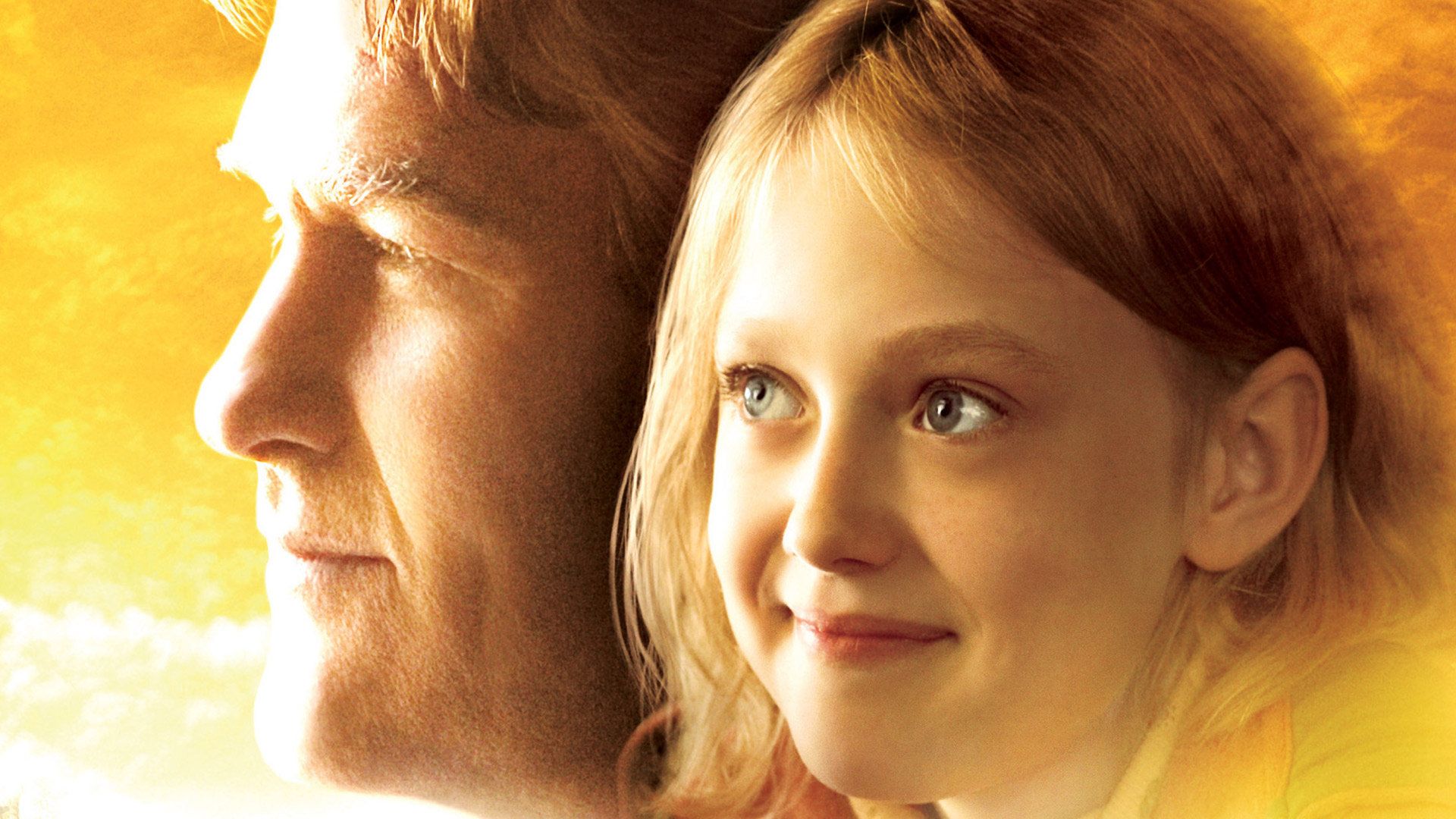
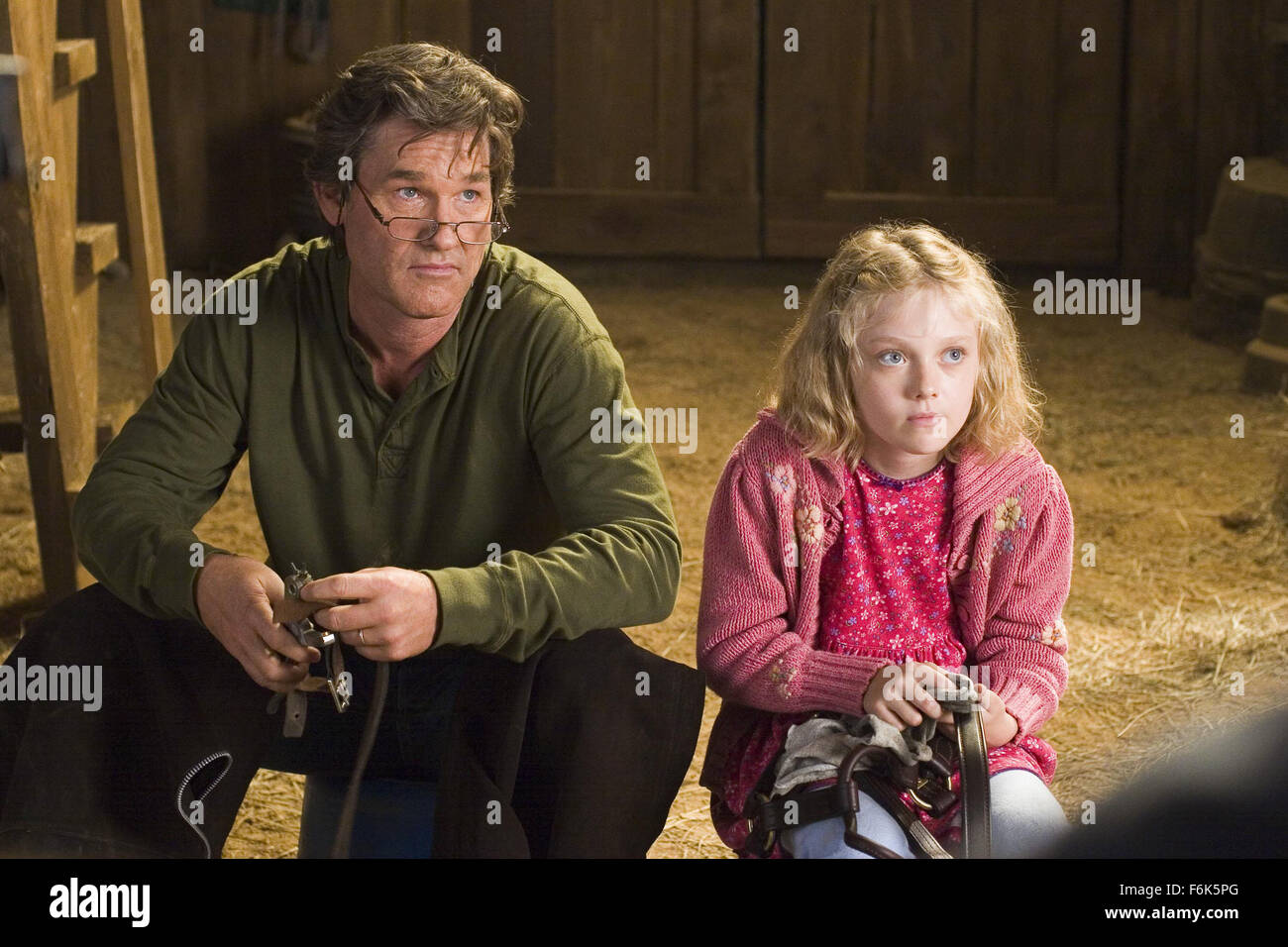
Released in October 2005 by DreamWorks Pictures, Dreamer: Inspired by a True Story centers on Ben Crane, played by Kurt Russell, a former horse trainer who has become estranged from his family due to his obsessive focus on his career. The narrative shifts when a promising thoroughbred named Sonador (Spanish for "Dreamer") suffers a catastrophic leg injury during a race. The horse’s owner, wanting to put the animal down, fires Ben and gifts him the injured horse instead of severance pay.
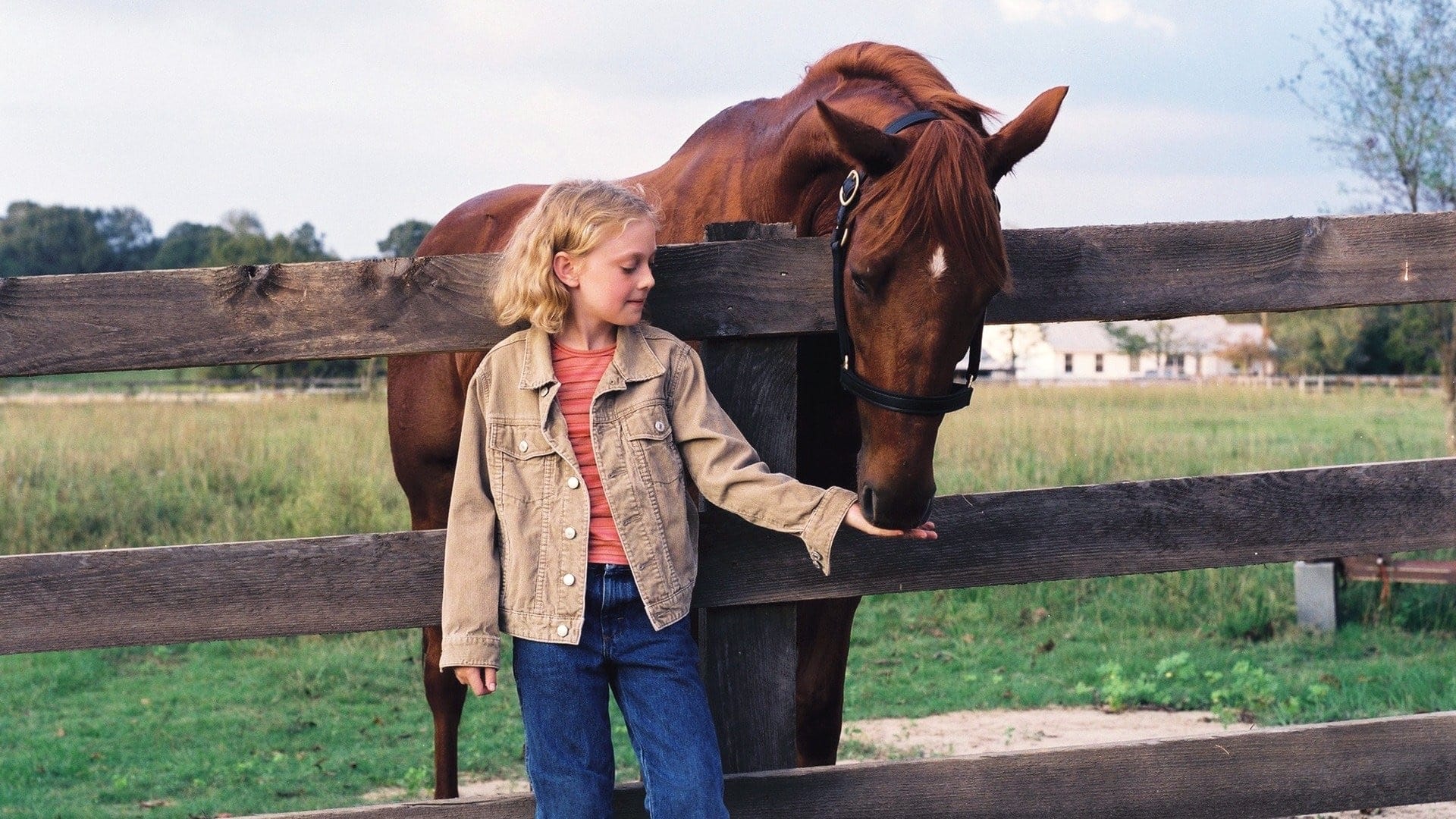
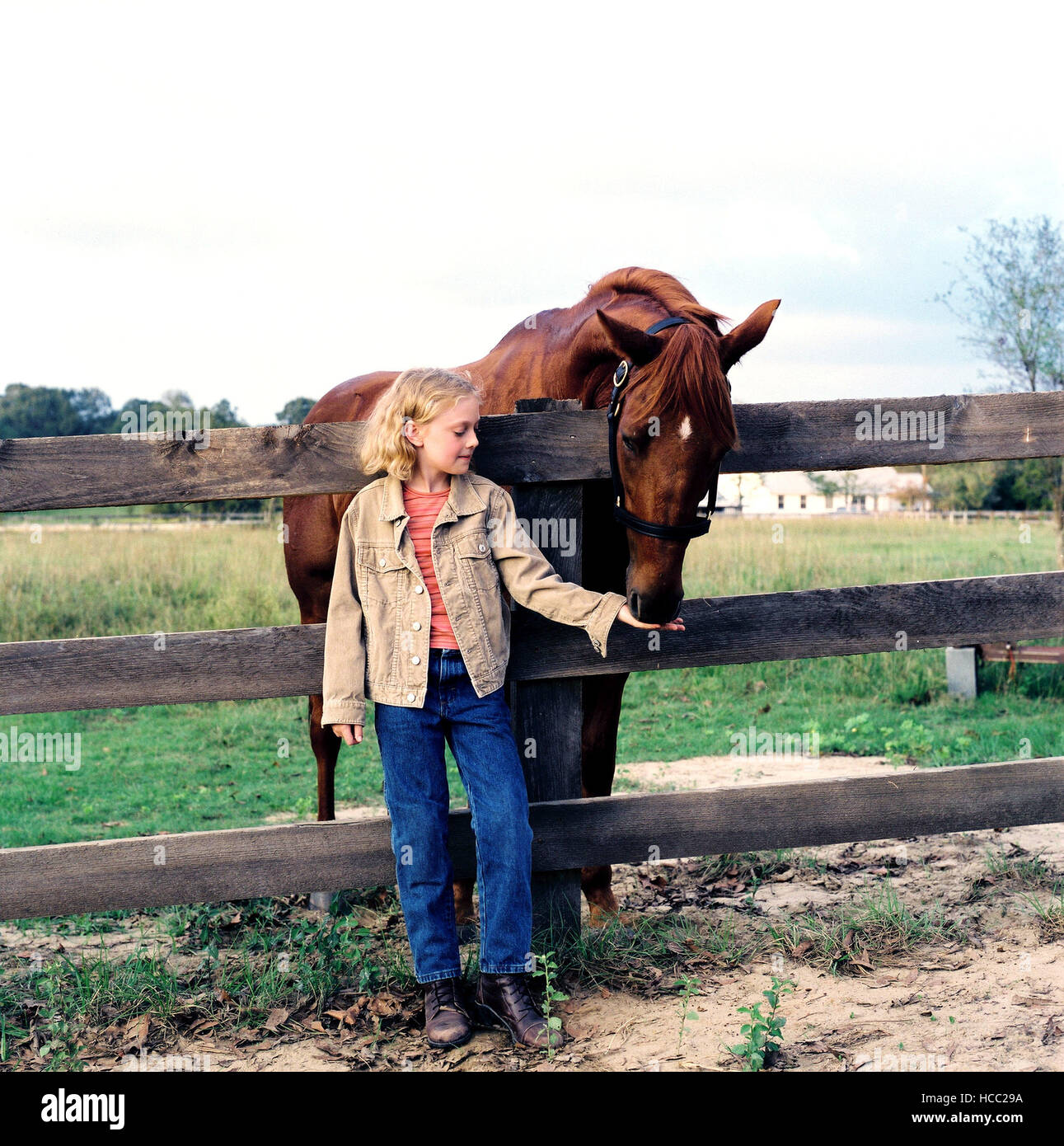
Ben, alongside his young daughter Cale, played by Dakota Fanning, decides to rehabilitate Sonador against all professional advice. The film functions as a classic "underdog" sports narrative, utilizing the recovery of the horse as a metaphor for the healing of the Crane family unit. While the film is marketed as being inspired by a true story, it is largely a fictionalized account that draws loosely from the recovery of a real-life racehorse named Mariah’s Storm, who suffered a similar injury and went on to have a successful breeding career and influential progeny.
Production and Cast
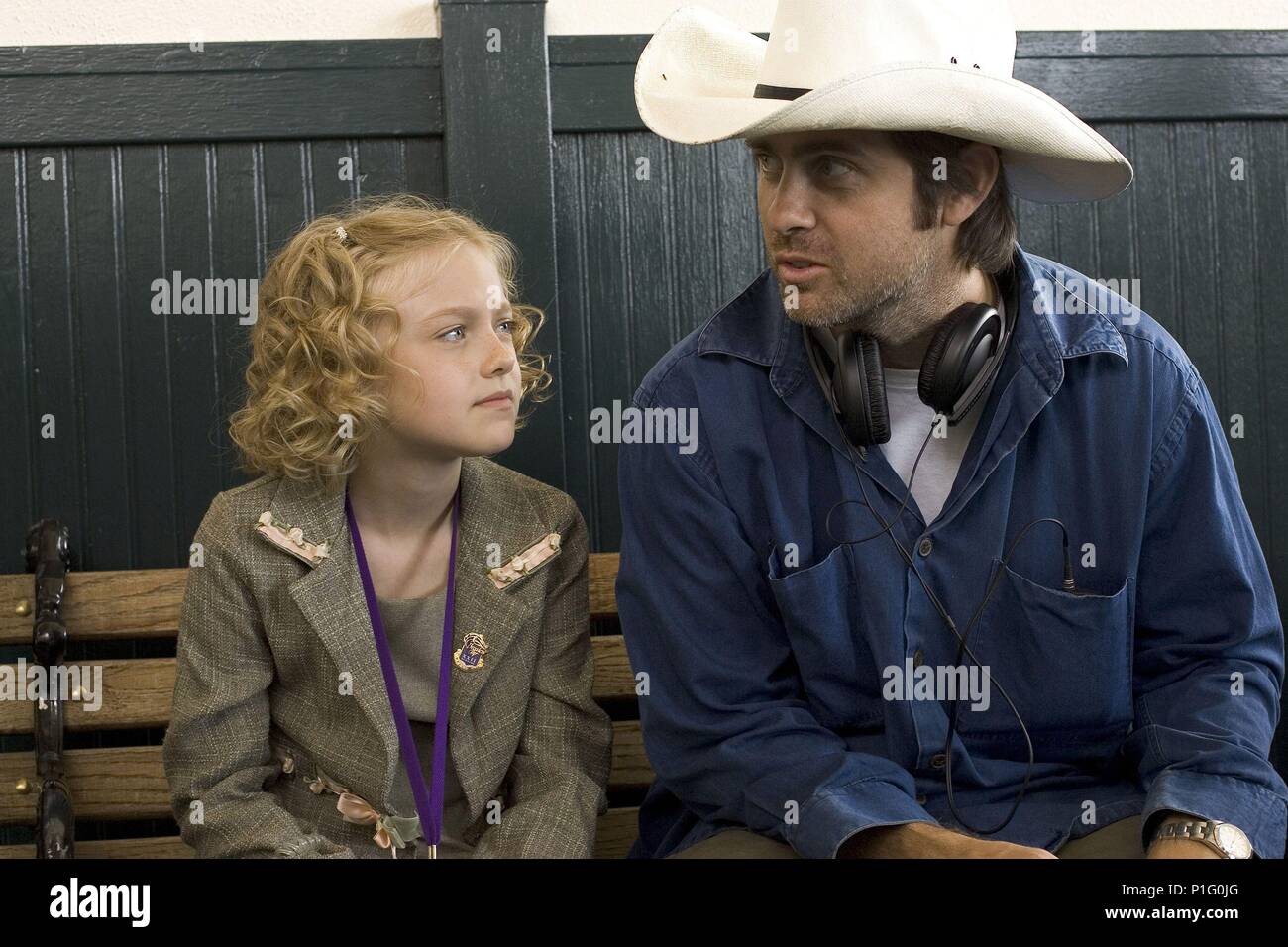
The production of Dreamer was a mid-budget project that relied heavily on the star power of its leads and the emotional resonance of its script. John Gatins, who wrote and directed the film, emphasized practical horse work, using several different horses to portray Sonador throughout the various stages of her physical recovery.
- Kurt Russell as Ben Crane: A veteran actor known for his ability to play rugged, grounded characters. His performance provides the film with a sense of blue-collar authenticity.
- Dakota Fanning as Cale Crane: At the time of the film’s release, Fanning was one of the most prominent child actors in Hollywood. Her performance is central to the film’s emotional appeal, acting as the driving force that keeps the rehabilitation project moving forward.
- Supporting Cast: The film also features Kris Kristofferson as Pop Crane, the disgruntled patriarch of the family, and Elisabeth Shue as Lily Crane, who provides the necessary domestic balance to the tensions between father and daughter.
The cinematography by Fred Murphy focuses on the sweeping vistas of the Kentucky landscape, establishing the horse racing industry's setting as both a place of business and a place of deep personal tradition.
Thematic Elements: Resilience and Connection
The core appeal of Dreamer lies in its exploration of second chances. Both the horse and the human protagonists are "broken" at the start of the film—the horse physically, and the family emotionally. The rehabilitation process serves as a narrative device that forces the characters to communicate and reconcile.
The horse racing industry is portrayed as cold and transactional, contrasting sharply with the intimate, often unpolished methods Cale and Ben use to train Sonador. This thematic dichotomy highlights a common trope in American cinema: the triumph of heart and intuition over sterile corporate efficiency. In 2026, the film is often studied in the context of family-oriented drama from the mid-2000s, as it exemplifies a period where live-action, non-franchise sports films were a standard staple of major studio output.
Technical and Practical Aspects of Horse Racing in Film
For viewers interested in the technical aspects of the film, it is important to distinguish between the cinematic representation and the actual regulations of thoroughbred racing. The film captures the atmosphere of the Kentucky racing scene, including the stakes of the Breeders' Cup, but prioritizes dramatic pacing over the strict bureaucratic reality of the sport.
The training sequences, while dramatized, reflect real-world rehabilitation techniques for equine athletes, such as hydrotherapy and controlled exercise. While the horse depicted in the film is shown returning to the track for a high-stakes race, in professional practice, such a return after a compound fracture would be considered medically exceptional and carries significant veterinary risks.
Comparison of Film Elements
| Feature | Representation in Dreamer | Reality in Professional Racing |
|---|---|---|
| Recovery Timeline | Compressed for dramatic effect | Often spans 18–24 months minimum |
| Training Style | Intuitive and family-led | Managed by professional teams/veterinarians |
| Race Participation | High-level competition following injury | Rare; horses are typically moved to stud/breeding |
| Veterinary Oversight | Secondary to family drama | Primary factor in racing eligibility |
Critical Reception and Legacy
Upon its release in 2005, Dreamer received generally favorable reviews, with critics praising the chemistry between Russell and Fanning. The film was recognized for being a "clean" family drama, a rarity in the market at the time, which helped it maintain long-term popularity on home video and television syndication.
While it did not reshape the genre of sports films, it cemented its place in the mid-2000s canon of "inspirational" cinema. As of 2026, the film remains a common recommendation for audiences seeking low-intensity, emotionally driven stories that focus on animal-human companionship. Its legacy is tied to the "inspired by" trend of the era, where studios frequently looked to real-world incidents to ground fictional narratives in a sense of perceived reality.
Frequently Asked Questions
Is Dreamer based on a real horse? The character of Sonador is a fictional creation. However, the writer/director was inspired by the story of Mariah's Storm, a racehorse who suffered a similar leg injury and made an improbable return to the track.
What is the age rating of the film? The film is rated PG for some language and thematic elements. It is generally considered appropriate for family viewing.
Was the film actually filmed in Kentucky? Yes, much of the film was shot on location in Kentucky to capture the authentic environment of the thoroughbred horse racing industry.
What does the word "Sonador" mean? "Sonador" is the Spanish word for "dreamer," which serves as the namesake for the horse and the title of the film.
Is this film historically accurate regarding horse racing? The film captures the spirit of the industry but takes significant liberties with the medical realities of racehorse recovery. It is a work of fiction that uses racing as a backdrop for a story about family healing.
Where can one watch this film today? As of 2026, the film is available on various major digital streaming platforms and for digital rental. Availability fluctuates by region and licensing agreements with the production studio.
Recommendations for Viewers
If you are interested in Dreamer, the best way to approach the film is as a character-driven drama rather than a documentary on equestrian sport. For viewers who appreciate the themes of animal-human connection, the film serves as a high-quality example of the genre. If you are specifically interested in the reality of horse racing, it is recommended to supplement the film with documentaries concerning the history of the Breeders' Cup to see how the sport functions in actual, non-fictional settings. If you find the dynamic between the lead characters compelling, look for other family dramas from the same director, John Gatins, who has a history of exploring similar emotional narratives in a sports context.
Image Gallery