A Comprehensive Guide to the Steel Pier Musical: History, Score, and Legacy
The Steel Pier musical is a 1997 Broadway production created by the legendary songwriting duo John Kander and Fred Ebb, with a book by David Thompson. Set in 1933 Atlantic City, the show explores the desperate world of Great Depression...
The Steel Pier musical is a 1997 Broadway production created by the legendary songwriting duo John Kander and Fred Ebb, with a book by David Thompson. Set in 1933 Atlantic City, the show explores the desperate world of Great Depression-era dance marathons, blending a romantic, supernatural narrative with high-energy swing music and athletic choreography.
Contents
As of 2026, Steel Pier remains a significant piece of musical theatre history, often cited as one of the most ambitious "hidden gems" of the Kander and Ebb catalog. While its original Broadway run was relatively short, the show’s sophisticated score and demanding ensemble roles have made it a favorite for collegiate programs and regional theater revivals. This guide examines the show’s origins, its complex plot, the celebrated musical score, and its enduring influence on the genre.
The Historical Context: Atlantic City and the Great Depression
To understand the atmosphere of the Steel Pier musical, one must first understand the era it depicts. In 1933, the United States was in the depths of the Great Depression. Atlantic City, New Jersey, served as a surreal backdrop—a place of leisure and "Boardwalk Empire" glamour that stood in stark contrast to the national economic collapse.
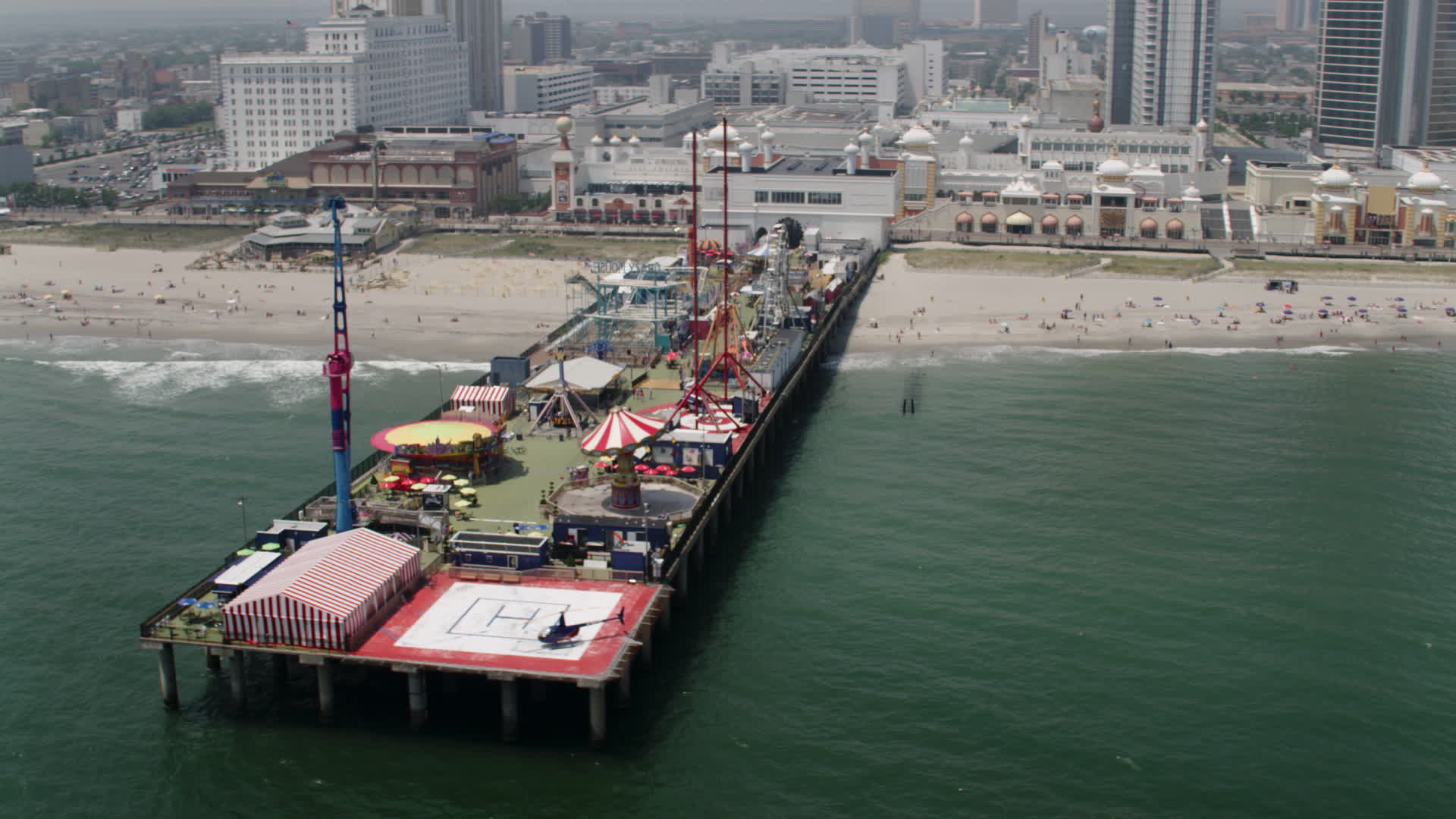
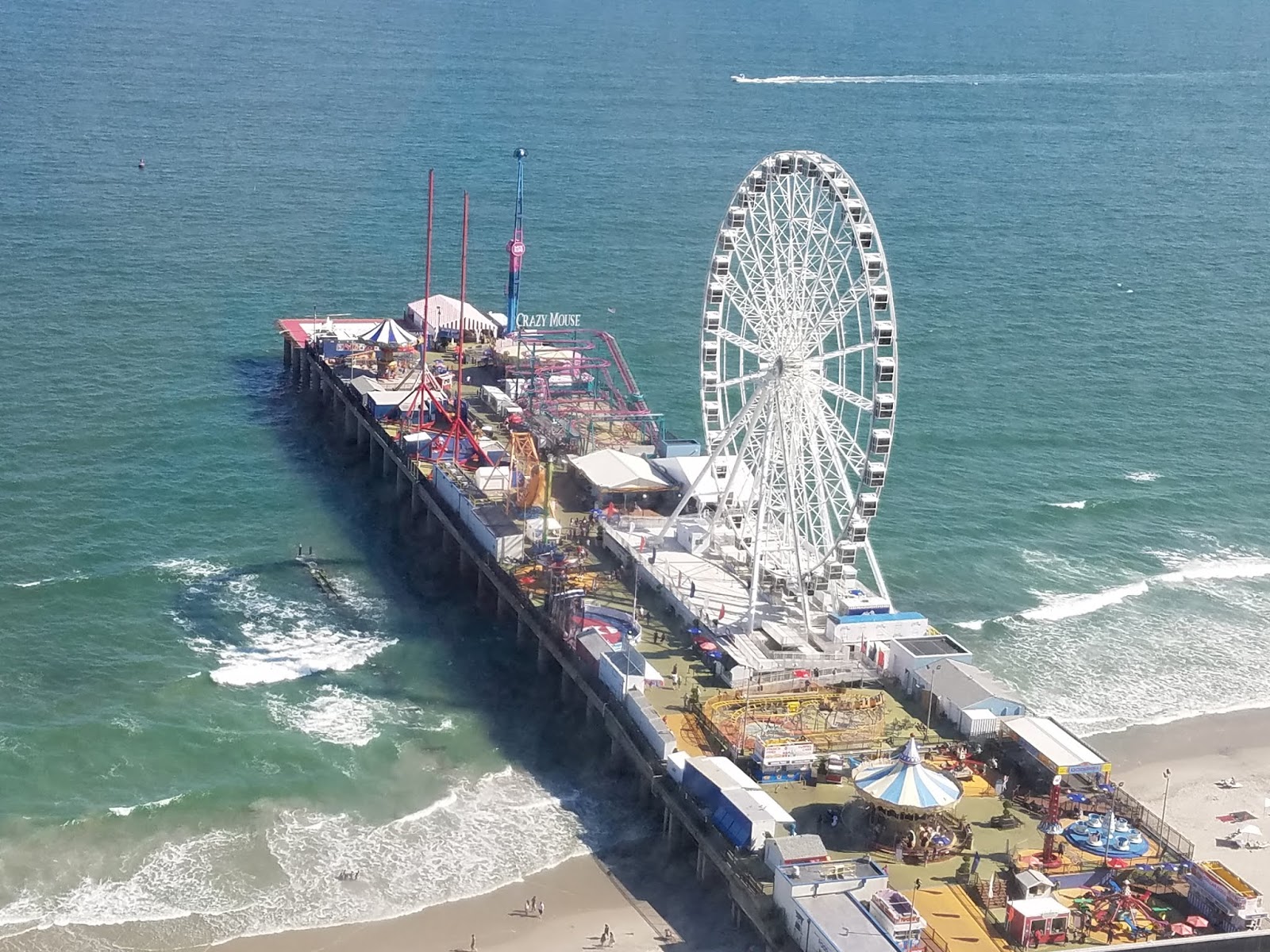
The Steel Pier itself was a real-world landmark, known as the "Showplace of the Nation." It extended 1,000 feet into the Atlantic Ocean and hosted everything from big band concerts to diving horses. However, the musical focuses on a darker side of Depression-era entertainment: the dance marathon.
The Phenomenon of Dance Marathons
Dance marathons were endurance contests where couples competed to stay on their feet for weeks at a time, with only brief rest periods. These events were frequently rigged or staged for drama, but for the contestants, they were a means of survival. Winners could earn cash prizes, but perhaps more importantly, the contestants were provided with free meals as long as they remained in the competition. Steel Pier captures the exhaustion, the artifice, and the sheer desperation of those looking to "dance their way to a better life."
Plot Summary: Love and Deception on the Boardwalk
The narrative of Steel Pier follows Rita Racine, a veteran marathon dancer and the "star" attraction of the circuit. Rita is secretly married to Mick Hamilton, the show’s manipulative promoter. Mick convinces Rita to enter one final marathon at the Steel Pier, promising her that the prize money will finally allow them to retire and open a quiet business together.
The story takes a turn for the surreal when Rita is paired with a mysterious aviator named Bill Kelly. As the marathon progresses, Rita finds herself falling for Bill, whose optimism and genuine care contrast sharply with Mick’s exploitation. However, there is a supernatural catch: Bill is an aviator who crashed his plane and has been granted three weeks—the duration of the marathon—to return to Earth and find closure.
The musical balances three primary layers:
- The Public Spectacle: The high-energy, staged entertainment presented to the "paying customers" in the audience.
- The Private Reality: The physical pain, exhaustion, and backstage politics of the dancers.
- The Romantic Fantasy: The ethereal connection between Rita and Bill as they navigate a world where time is literally running out.
The Musical Score: Kander and Ebb’s Signature Sound
John Kander (composer) and Fred Ebb (lyricist) are responsible for some of the most iconic musicals in history, including Chicago and Cabaret. In Steel Pier, they utilized their mastery of period-accurate pastiche to create a score that sounds like the big band era of the early 1930s.
Key Musical Numbers
The score is noted for its range, moving from brassy, upbeat dance numbers to haunting, introspective ballads.
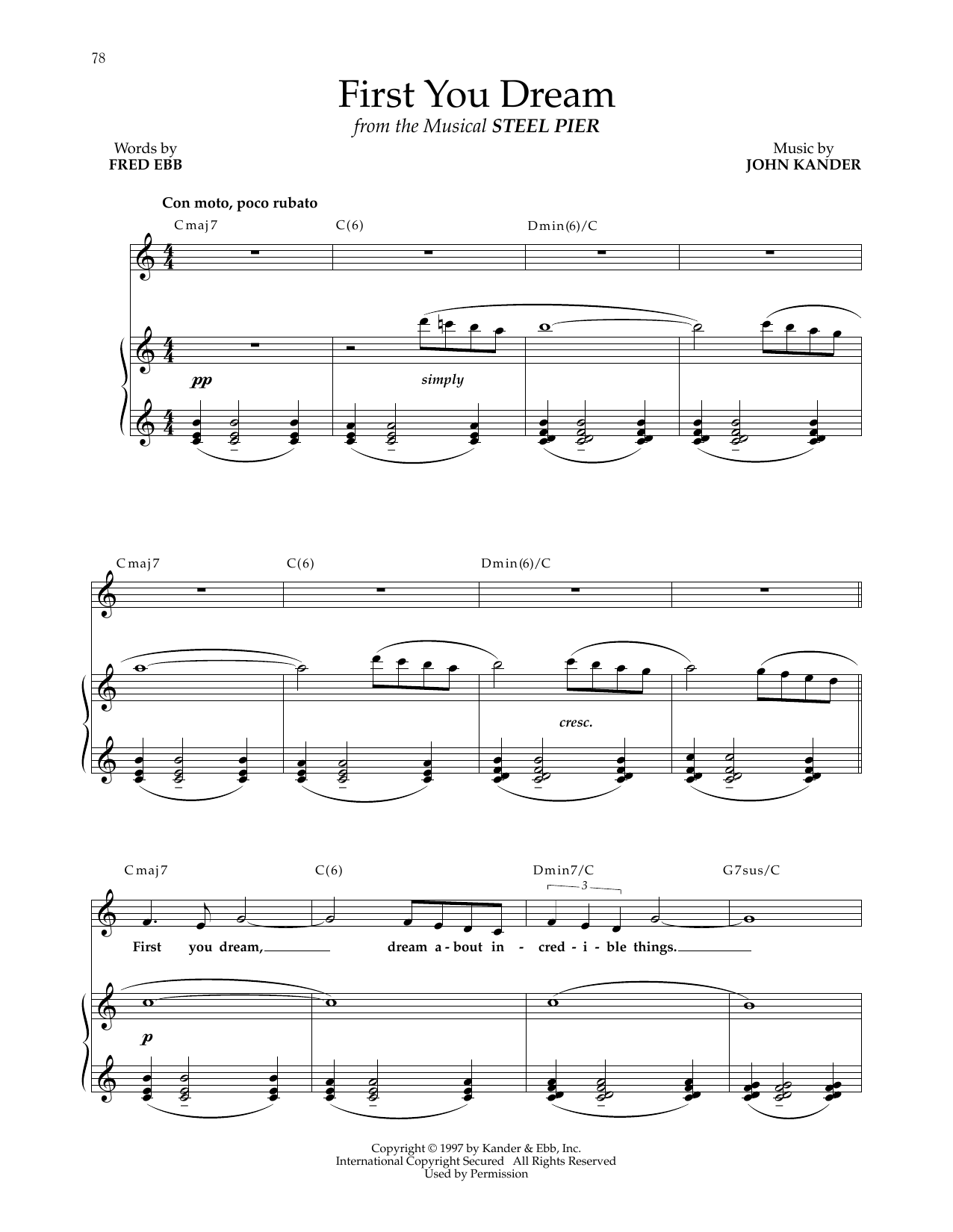
- "First You Dream": The show’s centerpiece ballad and an anthem of hope. It has since become a standard in the musical theatre cabaret circuit, performed by legends like Audra McDonald and Marin Mazzie.
- "Steel Pier": The opening number that establishes the setting and the frantic energy of the boardwalk.
- "Everybody’s Girl": A comedic "character song" for the role of Shelby, originally played by Debra Monk. It is a masterclass in Kander and Ebb’s "vamps" and remains a popular audition piece.
- "Running in Place": A song that perfectly encapsulates the physical and emotional fatigue of the marathon contestants.
Character and Casting Overview
The original 1997 Broadway cast featured a lineup of seasoned veterans and rising stars. The vocal demands of the show are high, requiring strong belt capabilities and the ability to sing while performing strenuous choreography.
| Character | Original Broadway Actor | Role Description | Key Song(s) |
|---|---|---|---|
| Rita Racine | Karen Ziemba | The weary marathon star seeking a new life. | "Willing to Ride," "First You Dream" |
| Bill Kelly | Daniel McDonald | A mysterious pilot who becomes Rita's partner. | "Second Chance," "First You Dream" |
| Mick Hamilton | Gregory Harrison | The ruthless promoter and Rita's secret husband. | "The Only Game in Town" |
| Shelby Stevens | Debra Monk | A brassy, former socialite and marathon regular. | "Everybody's Girl" |
| Mr. Walker | Joel Blum | A seasoned dancer and Shelby's partner. | "Dance with Me" |
The 1997 Broadway Production and Reception
Directed by Scott Ellis and choreographed by Susan Stroman, Steel Pier opened at the Richard Rodgers Theatre on April 24, 1997. The production was a massive undertaking, featuring a large ensemble and a set design by Tony Walton that attempted to recreate the scale of the Atlantic City boardwalk.
Choreography as Narrative
Susan Stroman’s choreography was central to the show’s identity. Because the characters are technically dancing for the entire show, the movement had to convey different stages of fatigue. Stroman used "clockwork" movements and grueling repetitions to show the audience the toll the marathon took on the human body, contrasted with the effortless, soaring "flying" sequences involving Bill.
The 1997 Tony Awards "Shutout"
Steel Pier holds a unique, if somewhat bittersweet, record in Broadway history. It was nominated for 11 Tony Awards, including Best Musical, Best Original Score, and Best Book. However, it did not win a single category. That year, it faced stiff competition from Titanic (which won Best Musical) and the high-concept The Life. Despite the lack of trophies, the high number of nominations solidified the industry's respect for the craftsmanship of the show.
Why the Musical Remains Relevant in 2026
Decades after its premiere, the Steel Pier musical continues to find life in professional regional theaters and conservatories. There are several reasons for its enduring appeal:
- The "Lost Generation" Aesthetic: The show captures a specific American cultural moment (the 1930s) that remains fascinating to modern audiences. Its themes of economic hardship and the search for escape resonate during periods of modern financial uncertainty.
- Ensemble Opportunities: Unlike many musicals that focus solely on two or three leads, Steel Pier requires a large, talented ensemble of "marathoners." Each couple has its own mini-arc, providing excellent opportunities for performers to showcase both acting and dance skills.
- Licensing for New Generations: The rights to perform the show are held by Concord Theatricals, making it accessible for educational institutions. It is frequently chosen by university theater departments because it challenges students with Stroman-style choreography and sophisticated Kander/Ebb harmonies.
- Critical Re-evaluation: In the years since 1997, critics have often looked back at Steel Pier as a show that was ahead of its time. Its use of a supernatural "angel" figure in a gritty, realistic setting is now seen as a precursor to more modern experimental musical structures.
Technical Requirements and Production Challenges
Producing Steel Pier is no small feat. It is often categorized as a "heavy" show due to its technical and physical requirements.
- Choreographic Stamina: The dancers are onstage for long stretches, simulating the physical breakdown of a marathon. This requires a highly disciplined cast with significant endurance.
- Set and Atmosphere: Creating the illusion of the pier and the Atlantic Ocean is vital. The original production used a massive rolling platform to simulate the dance floor moving through space.
- The "Airplane" Element: The show involves several sequences where Rita and Bill "fly." While this can be done through simple lighting and stagecraft in smaller productions, it remains a challenge to make these moments feel magical rather than kitschy.
Frequently Asked Questions
Is the Steel Pier musical based on a true story?
The Steel Pier musical is a fictional story, but it is heavily inspired by real historical events and locations. The Steel Pier in Atlantic City was a real venue, and dance marathons were a massive craze during the 1930s. The character of Rita Racine is a composite of the many professional marathoners of that era.
What is the significance of the ending?
The ending of Steel Pier is poignant and somewhat open to interpretation. As the marathon concludes, Bill must return to the afterlife, and Rita must face a future without him. The resolution focuses on Rita’s newfound independence and her decision to leave her manipulative husband, Mick, proving that the "dream" she found with Bill gave her the strength to face reality.
Where can I listen to the music?
The Original Broadway Cast Recording is available on all major streaming platforms. It features the original cast, including Karen Ziemba and Debra Monk, and is the best way to experience the complexity of the Kander and Ebb score.
Is the show suitable for all ages?
Steel Pier is generally considered appropriate for teens and adults. While it deals with mature themes such as emotional manipulation, the desperation of the Depression, and death, it does so through a classic musical theatre lens. There is minimal profanity and no graphic violence.
How does the show compare to other Kander and Ebb musicals?
While Chicago and Cabaret are more cynical and overtly political, Steel Pier is more romantic and atmospheric. It shares the duo's love for "show business" as a metaphor for life, but it leans more into the sentimental and the supernatural than their more famous works.
Summary of Best Next Actions
If you are a fan of musical theatre or a production professional looking for your next project, Steel Pier offers a rich, rewarding experience. To engage further:
- For Listeners: Start with the "Original Broadway Cast Recording" to familiarize yourself with the standout tracks "First You Dream" and "Everybody's Girl."
- For Performers: Look into the sheet music available through major retailers; "Willing to Ride" and "Running in Place" are excellent selections for dramatic musical theatre auditions.
- For Producers: Contact Concord Theatricals to review the script and licensing requirements. Ensure your venue has the stage depth and your cast has the dance stamina required for this specific production.
Image Gallery