The Most Popular Baby Names of 2010: Rankings, Trends, and Cultural Influences
In 2010, the most popular baby names in the United States were Jacob for boys and Isabella for girls. This year marked the 12th consecutive year that Jacob held the top spot for boys, while Isabella secured the number-one position for...
In 2010, the most popular baby names in the United States were Jacob for boys and Isabella for girls. This year marked the 12th consecutive year that Jacob held the top spot for boys, while Isabella secured the number-one position for the second year in a row, largely driven by pop culture influences.
Contents
The year 2010 represented a fascinating intersection of traditional naming conventions and the massive impact of modern media. As we look back from the perspective of 2026, the children born in 2010 are now sixteen years old, entering the pivotal years of late adolescence and preparing for adulthood. The names chosen for them reflect a specific moment in cultural history, influenced by literature, cinema, and a shift toward softer, vowel-heavy phonetic structures. Understanding these rankings requires looking beyond mere numbers to the societal drivers that shaped the identity of an entire generation.
The Dominance of Jacob and the Rise of the "Modern-Traditional" Boy Names
For over a decade leading up to 2010, the name Jacob was an immovable force in American nurseries. Its appeal lay in its "Goldilocks" positioning: it felt ancient and biblical, yet it possessed a friendly, approachable energy that avoided the perceived stiffness of names like John or Richard. In 2010, 21,875 boys were named Jacob in the U.S. alone, according to the Social Security Administration (SSA).
While Jacob held the throne, the top ten list for boys in 2010 revealed a broader trend toward names that felt both sturdy and rhythmic. Names like Ethan and Jayden signaled a departure from the mid-century classics. Jayden, in particular, represented the peak of the "-den" naming trend (including Aiden, Hayden, and Brayden) that defined the early 21st century. This trend was characterized by a preference for two-syllable names with a soft consonant start and a nasal ending.
Top 10 Baby Boy Names of 2010
The following table outlines the most popular choices for boys in 2010, illustrating the preference for biblical roots and the emerging "modern" sound.
| Rank | Name | Approximate Occurrences | Primary Origin |
|---|---|---|---|
| 1 | Jacob | 22,122 | Hebrew |
| 2 | Ethan | 18,000 | Hebrew |
| 3 | Michael | 17,350 | Hebrew |
| 4 | Jayden | 17,170 | Modern Invention |
| 5 | William | 17,050 | Germanic |
| 6 | Alexander | 15,400 | Greek |
| 7 | Noah | 14,800 | Hebrew |
| 8 | Daniel | 14,750 | Hebrew |
| 9 | Aiden | 14,000 | Irish/Gaelic |
| 10 | Anthony | 13,000 | Latin |
The presence of William and Alexander in the top ten highlights a perennial preference for "royal" or "classic" names that offer a sense of stability. These names are often considered "safe" choices that age well, providing a professional veneer for the child’s future. In 2026, many of the Williams and Alexanders born in 2010 are likely finding that their names have maintained a timeless quality that transcends the specific trends of their birth year.
Isabella and the Phenomenon of Romantic Feminine Names
For girls, the 2010 rankings were dominated by names that were unabashedly feminine, ending in the soft "a" sound. Isabella took the top spot for the second year, following a decade-long climb. The name's popularity is often attributed to the Twilight saga, where the protagonist, Isabella "Bella" Swan, became a cultural icon for young parents of that era.
However, Isabella was not an isolated success. It was part of a larger movement toward "liquid" names—names full of vowels and soft consonants that flow easily when spoken. Sophia, Emma, and Olivia followed closely behind. These names felt sophisticated and international, working well in both English-speaking countries and across Europe and Latin America.
The Shift from Emma to Sophia
While Emma had been a powerhouse throughout the 2000s, 2010 saw Sophia beginning its march toward future dominance. Sophia, meaning "wisdom" in Greek, appealed to parents looking for a name that was both intellectual and beautiful. By 2010, the variations of this name (including Sofia) were becoming so prevalent that they collectively represented one of the most significant naming trends of the century.
Top 10 Baby Girl Names of 2010
The girls' list shows a high concentration of names with Latinate origins, emphasizing elegance and tradition.
| Rank | Name | Approximate Occurrences | Primary Origin |
|---|---|---|---|
| 1 | Isabella | 22,880 | Italian/Spanish |
| 2 | Sophia | 20,600 | Greek |
| 3 | Emma | 17,350 | Germanic |
| 4 | Olivia | 17,000 | Latin |
| 5 | Ava | 15,400 | Germanic/Latin |
| 6 | Emily | 14,300 | Latin |
| 7 | Abigail | 14,200 | Hebrew |
| 8 | Madison | 13,150 | English |
| 9 | Chloe | 11,750 | Greek |
| 10 | Mia | 10,600 | Latin |
The name Madison is a notable inclusion in the top ten. Originally a surname, its transition to a popular female first name was largely sparked by the 1984 film Splash, but it maintained its popularity through 2010 due to its modern, gender-neutral roots that had become firmly established as feminine.
Cultural Drivers: Why These Names Won in 2010
To understand why "Jacob" and "Isabella" were the most famous baby names of 2010, we must look at the specific cultural landscape of the time. Naming trends do not happen in a vacuum; they are reflections of the media we consume and the values we hold.
The "Twilight" Effect
It is impossible to discuss 2010 baby names without mentioning the Twilight book and film series. The two lead characters, Isabella (Bella) and Jacob, both occupied the #1 spots in the 2010 rankings. While Jacob was already popular, the series cemented its status and likely extended its reign. Isabella’s rise was even more meteoric, jumping from the mid-80s in the rankings in the 1990s to #1 by 2009 and 2010.
The Preference for "A" and "O" Vowels
Linguistically, 2010 was the year of the vowel. For girls, names ending in "a" (Isabella, Sophia, Ava, Mia) were the standard. For boys, there was a shift toward names with strong "o" sounds (Noah, Anthony) or the soft "a" (Jayden, Aiden). This reflected a move away from the harsher, consonant-heavy names of the mid-20th century, such as Gary, Bruce, or Deborah.
Regional Variations and Diversity
While the national rankings provide a broad overview, regional data from 2010 shows significant variations. For example:
- In the American South: Traditional names like William and Elizabeth held stronger positions.
- In the Northeast: Sophia and Isabella were even more dominant in states like New York and New Jersey.
- In the West: Name like Alexander and Daniel saw higher relative usage.
According to the Social Security Administration’s historical database, these regional differences often reflect ethnic diversity and local traditions, though the top national names usually appear in the top five across most states.
Comparing 2010 to the Names of 2026
As we examine these names from our current year, 2026, we see how much has changed in a decade and a half. The babies of 2010 were born into a world where the first iPad had just been released and social media was becoming the primary mode of communication. Their names represent a "pre-pandemic" world where naming was influenced by blockbusters and traditional religious roots.
In 2026, naming trends have moved toward even more unique and nature-based names (like Luna, Willow, or River), or names that are entirely gender-neutral. The names of 2010, like Jacob and Isabella, now feel like the "established" names of the older teenage cohort. While they are still used today, they are no longer the trendsetting choices they once were.
Global Perspectives: 2010 Names Outside the US
The dominance of these names wasn't limited to the United States. In 2010, many English-speaking countries saw similar trends, though with local flair.
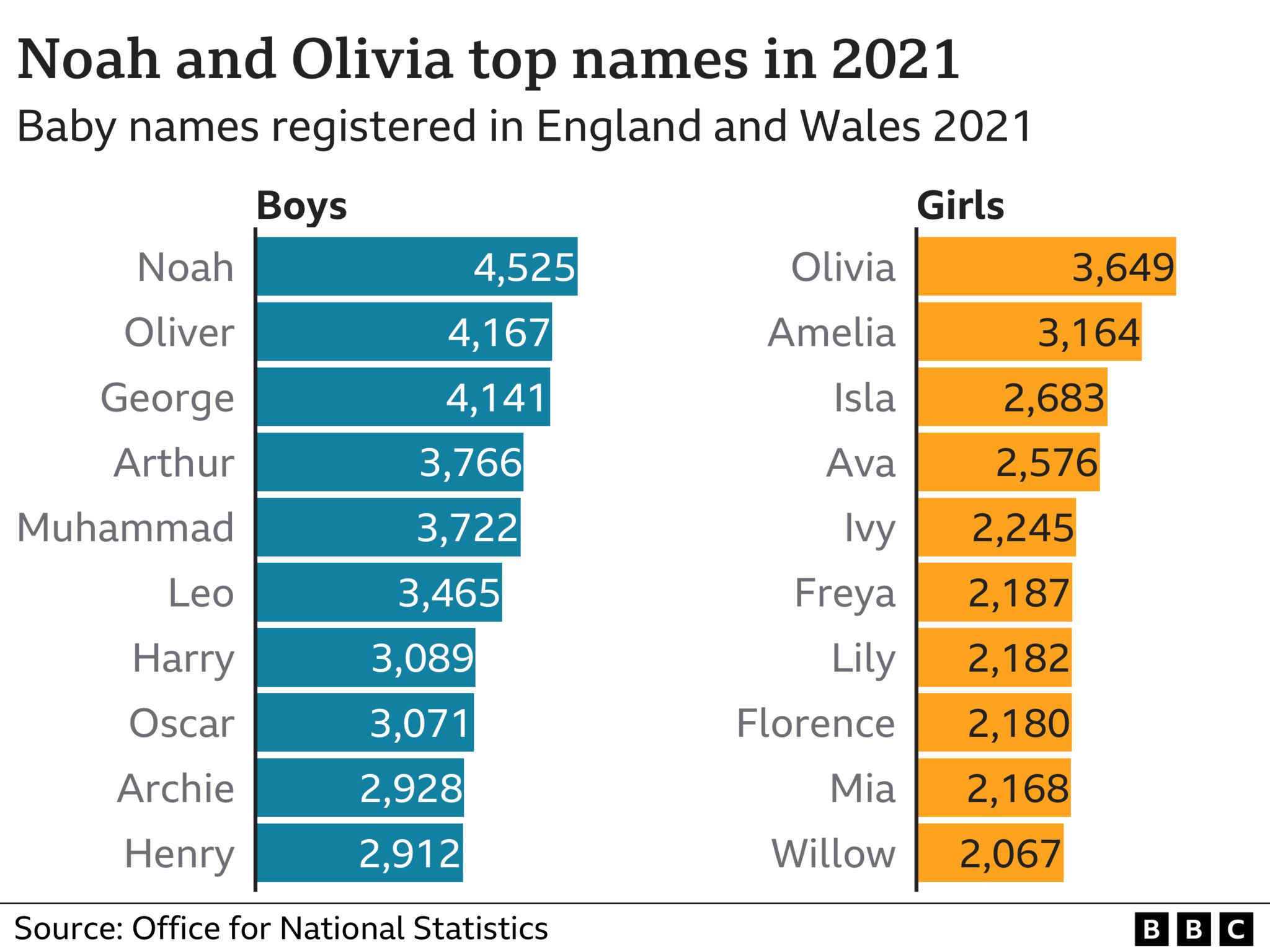
- United Kingdom: In England and Wales, the top names for 2010 were Oliver and Olivia. While Olivia was also top-five in the US, Oliver was much more popular in the UK than it was in the US at that time (though it would eventually climb the US charts later in the decade).
- Australia: Similar to the UK, William and Charlotte were major players in the Australian rankings for 2010, showing a strong Commonwealth influence.
- Canada: Canadian parents mirrored US trends closely, with Liam and Maya making stronger showings in certain provinces alongside Jacob and Isabella.
The Office for National Statistics in the UK provides extensive data showing that while the US and UK share many linguistic roots, the UK tends to favor "nickname-names" (like Alfie or Archie) more than American parents did in 2010.
Frequently Asked Questions
Why was Jacob so popular for such a long time?
Jacob's popularity, which lasted from 1999 to 2012 at the #1 spot, can be attributed to its "cross-over" appeal. It is a traditional biblical name that fits well with religious families, yet it feels modern enough for secular parents. It also offers the friendly nickname "Jake," which has a timeless, athletic, and approachable image in American culture.
Did any names see a massive drop in 2010?
Names that were extremely popular in the 1980s and 1990s, such as Joshua, Christopher, and Ashley, began their steady decline in 2010. While they remained in the top 50, they were no longer seen as the "fashionable" choices, replaced by the more melodic sounds of Ethan, Noah, and Sophia.
How did celebrities influence baby names in 2010?
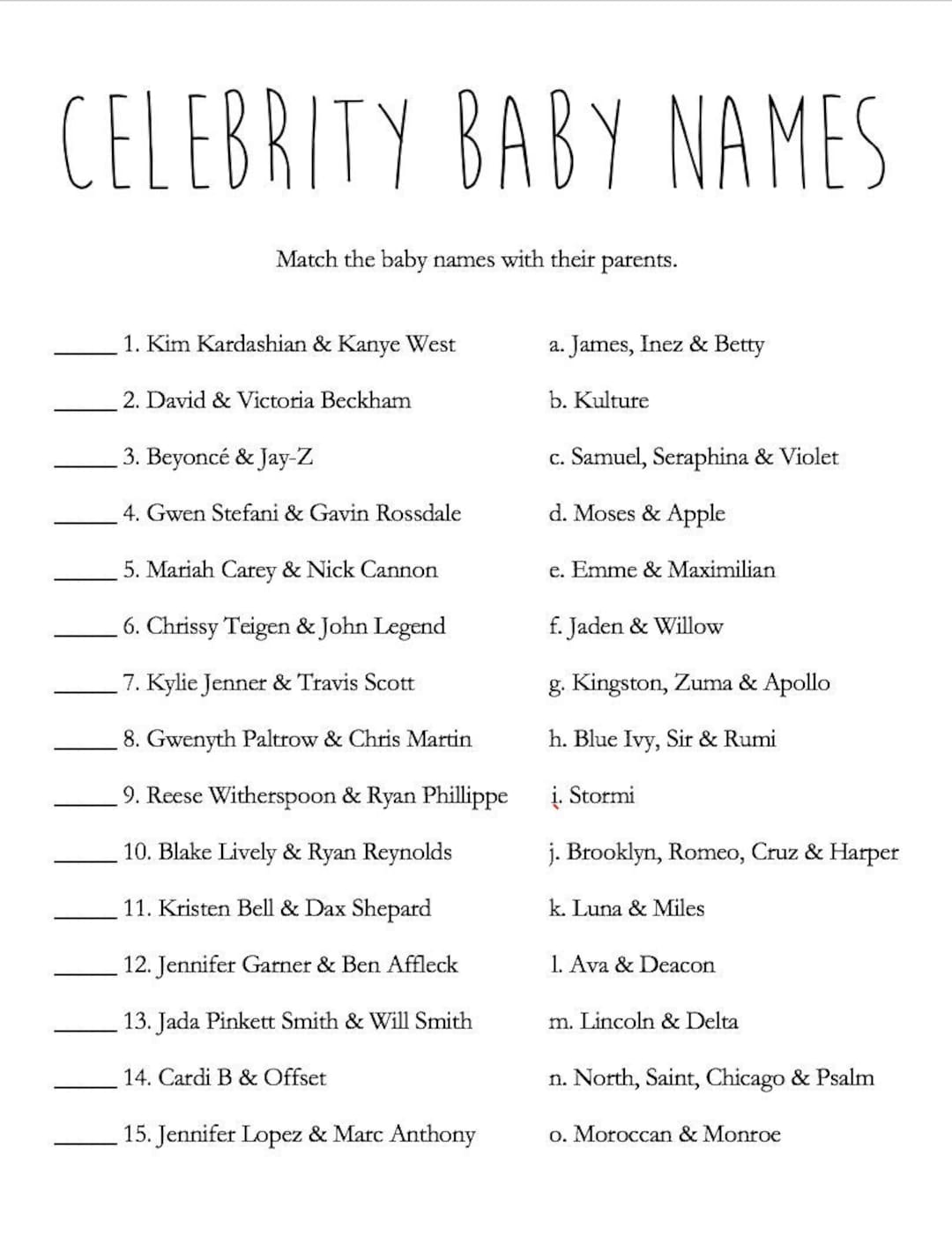
Beyond the Twilight characters, celebrity baby names in 2010 started a trend toward more adventurous choices. For example, the birth of Benjamin (son of Gisele Bündchen and Tom Brady) reinforced the popularity of classic names, while more "unusual" celebrity choices of that era paved the way for the hyper-unique names we see in 2026.
Are the names of 2010 still common today in 2026?
Yes, names like Olivia and Noah have actually increased or maintained their popularity since 2010. However, names like Isabella and Jacob have slightly receded from their #1 positions, settling into the top 20 or 30 as newer trends emerge.
Where can I find the official list of 2010 baby names?
The most authoritative source for US baby names is the Social Security Administration (SSA). They provide an annual list based on Social Security card applications, which captures virtually every birth in the country. You can access their historical data tools to see rankings by state, decade, and popularity change.
Conclusion: The Legacy of the 2010 Cohort
The most famous baby names of 2010—Jacob and Isabella—serve as a linguistic time capsule. They represent a period of American life characterized by a love for romanticism, a respect for biblical tradition, and a deep-seated connection to popular entertainment. For the parents of 2010, these names offered a sense of beauty and strength during a time of global economic recovery and technological transition.
For those researching family history or social trends in 2026, understanding the 2010 rankings is essential for identifying the "Class of 2028" as they enter the workforce and higher education. These names are not just labels; they are a reflection of the cultural DNA of a generation that grew up in the digital age.
Image Gallery