Understanding Auto Insurance Pricing by Age Group
Auto insurance pricing by age group is determined by statistical risk assessments, where insurers analyze historical claims data to establish that younger and older drivers typically pose a higher probability of accidents compared to m...
Auto insurance pricing by age group is determined by statistical risk assessments, where insurers analyze historical claims data to establish that younger and older drivers typically pose a higher probability of accidents compared to middle-aged adults, resulting in significantly varied premium rates across different life stages.
Contents
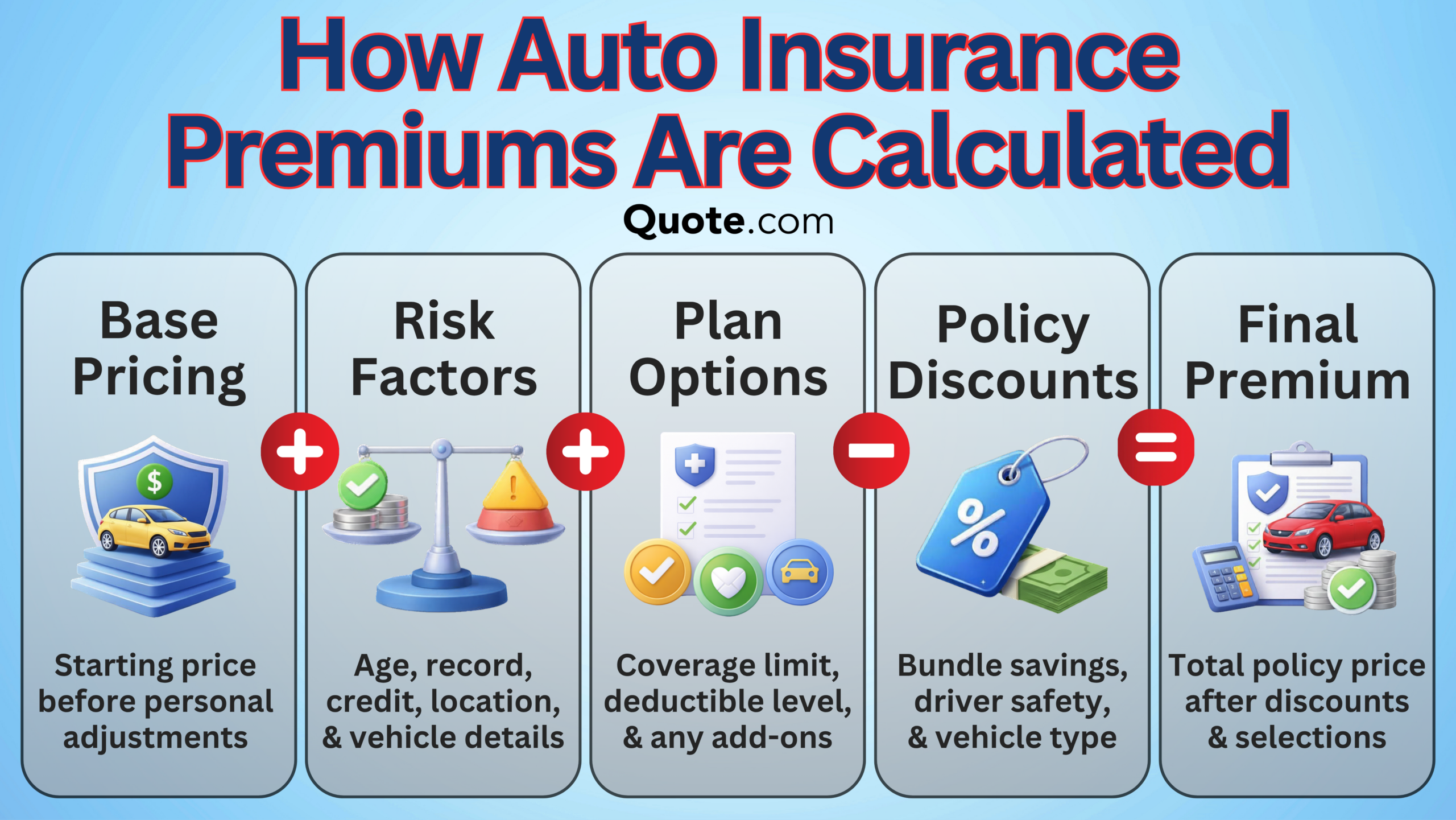
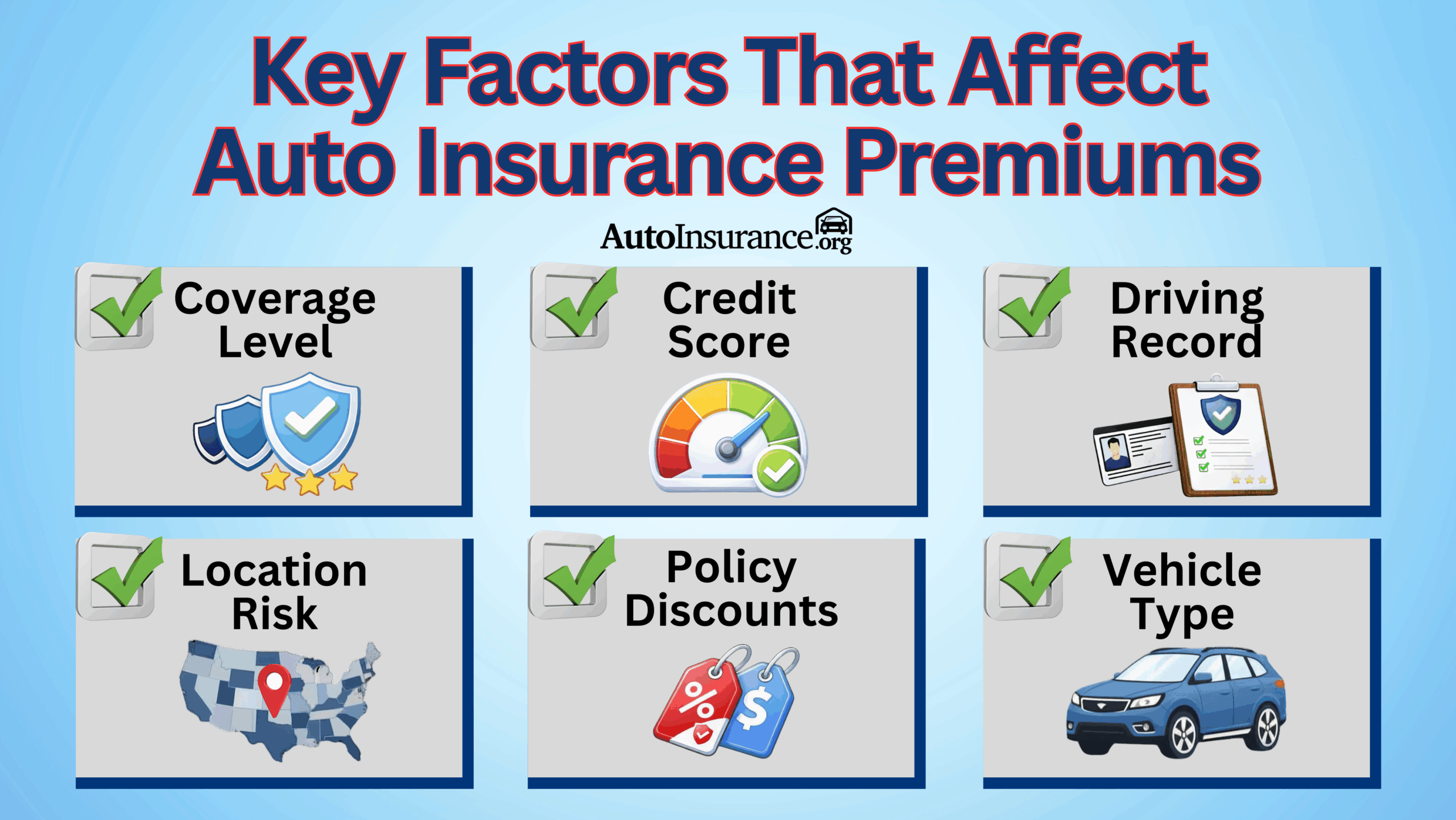
When shopping for vehicle coverage, understanding how insurance providers evaluate risk is essential for finding affordable policies. Auto insurance pricing is not arbitrary; it is driven by rigorous actuarial science, historical loss data, and statistical probability. Among the myriad factors that influence your monthly or annual premium—such as vehicle make and model, geographic location, driving history, and credit score—the age of the driver remains one of the most powerful determinants.
Car insurance companies track millions of driving records to evaluate how crash frequency and severity correlate with chronological age. This data reveals distinct risk curves that dictate pricing structures. Younger drivers face the steepest financial hurdles due to inexperience, while middle-aged motorists enjoy the most competitive rates. As drivers enter their senior years, risk profiles shift once again, triggering upward adjustments in premium calculations. Analyzing these trends helps policyholders anticipate costs, budget effectively, and implement strategies to mitigate high rates.
The Actuarial Science Behind Age-Based Pricing
Insurance companies operate on the principle of risk pooling. By collecting premiums from a large group of policyholders, insurers accumulate the capital necessary to pay out claims for the unfortunate few who experience accidents. To ensure financial stability, the cost charged to each individual must accurately reflect their statistical likelihood of filing a claim.
Actuaries use demographic data to segment drivers into distinct cohorts. Age serves as a primary proxy for driving experience, maturity, and cognitive or physical reaction times. When an insurer reviews a policy application, the birth date on the driver's license immediately places them into a specific risk bracket. Younger demographics statistically log higher rates of single-vehicle collisions, speeding infractions, and severe accidents. Conversely, adults between the ages of 35 and 60 generally exhibit more stable driving behaviors, lower annual mileage, and lower claim frequencies, making them the most profitable and lowest-risk segment for insurance underwriters.
Beyond raw statistics, insurers factor in the cost of vehicle repairs, medical inflation, and legal liabilities associated with accidents caused by specific age groups. Because younger drivers are more likely to cause multi-vehicle accidents involving substantial bodily injury, the potential payout for an insurer is higher, which drives up the initial cost of coverage.
Teenage Drivers (Ages 16–19): The Peak Risk Bracket
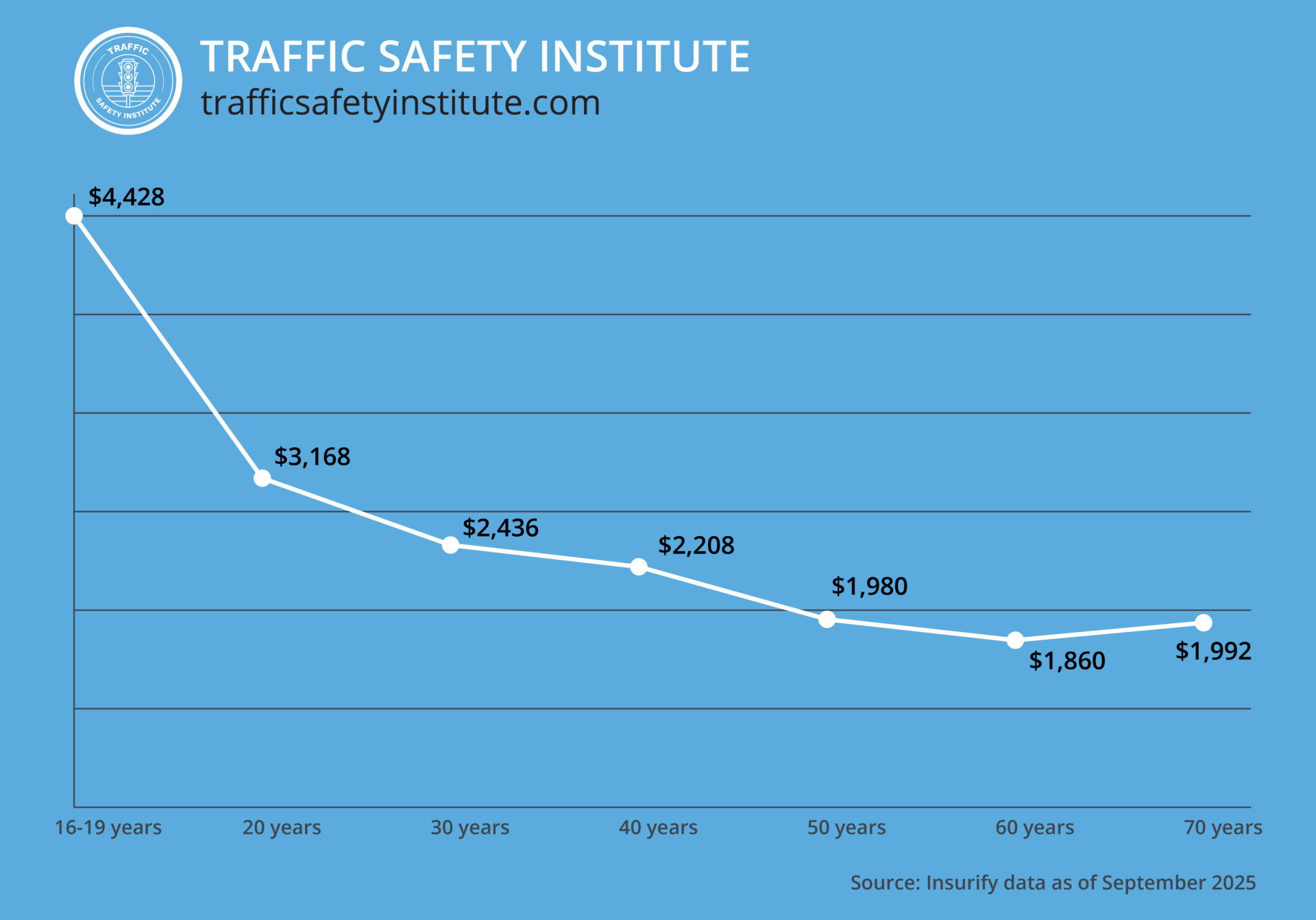
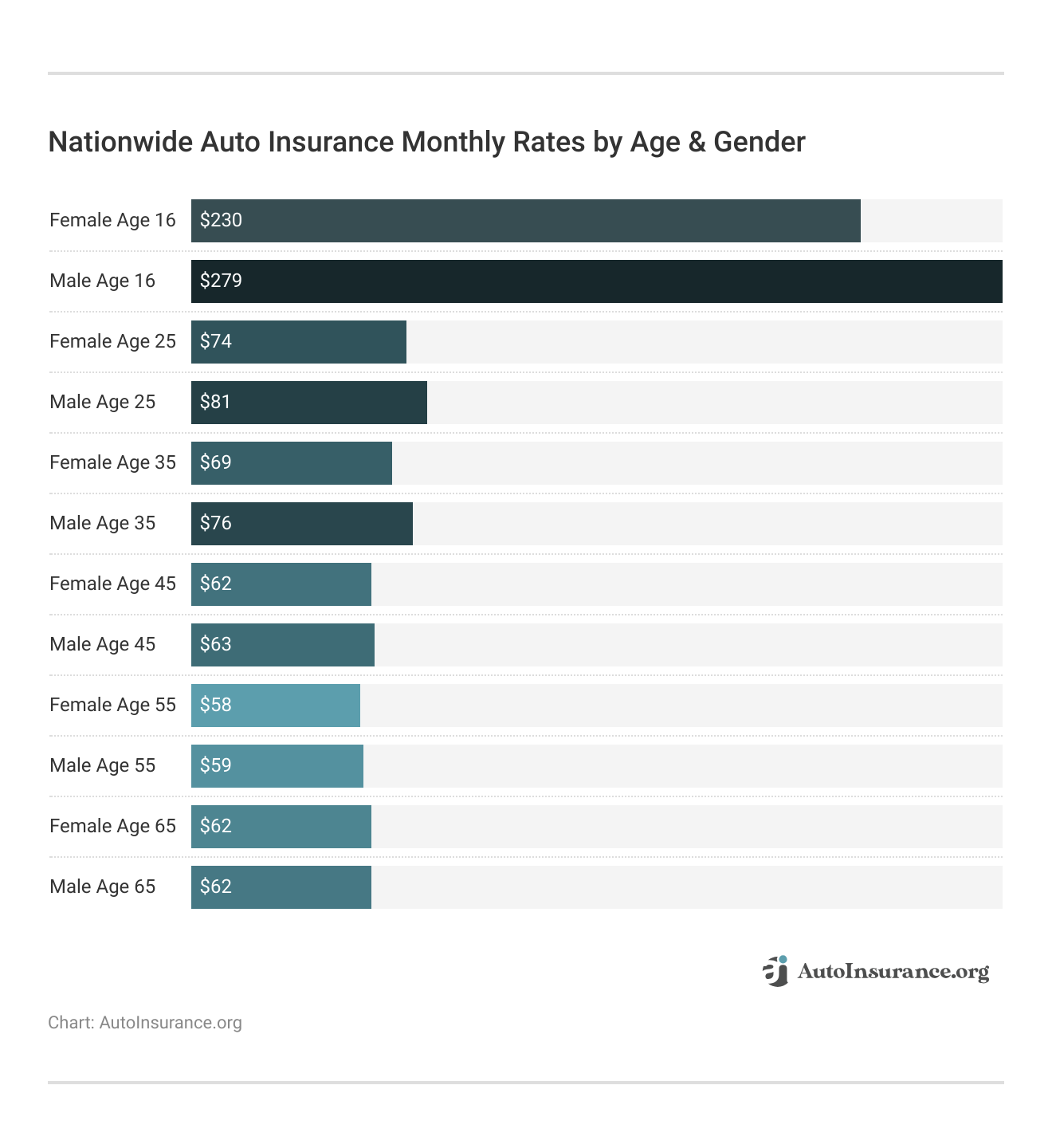
The teenage years represent the most expensive era for auto insurance. According to safety organizations and insurance bureaus, drivers aged 16 to 19 experience the highest crash rates per mile driven of any demographic.
Why Teenage Rates Are Exceptionally High
The primary driver of high premiums for teenagers is inexperience. Operating a motor vehicle safely requires split-second decision-making, spatial awareness, and hazard recognition—skills that only develop through years of actual road practice. Furthermore, adolescent brain development is still ongoing, particularly in areas governing impulse control and risk assessment. This biological factor correlates with a higher propensity for distracted driving, speeding, and peer pressure while behind the wheel.
Statistical data from the Centers for Disease Control and Prevention (CDC) consistently indicates that the fatal crash rate for drivers aged 16 to 19 is disproportionately high compared to older drivers. Because insurers anticipate frequent and costly claims, adding a teenager to an existing family policy or purchasing a standalone policy for a minor results in a dramatic spike in monthly expenses.
Strategies to Lower Teen Insurance Costs
While teen insurance cannot be made inexpensive, several practical strategies help reduce the financial burden:
- Good Student Discounts: Many insurers offer discounts of 10% to 25% for high school or college students maintaining a B average or a 3.0 GPA.
- Driver's Education: Completing a certified defensive driving course demonstrates a proactive approach to safety and often triggers policy discounts.
- Car Selection: Insuring an older, safer, four-door sedan with robust safety ratings is significantly cheaper than insuring a sports car or a brand-new vehicle.
- Joining a Family Policy: Adding a teen as an occasional driver on a parent's policy is almost universally less expensive than purchasing a separate, standalone policy for a minor.
Young Adults (Ages 20–25): Gradual Premium Decreases
As drivers transition out of their teens and into their early twenties, auto insurance pricing begins a slow, steady downward trajectory, provided the individual maintains a clean driving record.
The Milestone of Age 25
The mid-twenties represent a major pricing threshold in the insurance industry. While rates do not drop overnight on a driver's 25th birthday, insurers view drivers aged 25 as significantly more mature and statistically less likely to engage in high-risk behaviors. By this stage, most drivers have accumulated nearly a decade of road experience, completed their education, and established stable employment or residence histories—all secondary metrics that favor lower insurance rates.
However, young adults in college or starting their careers must remain vigilant. Speeding tickets, at-fault accidents, and driving under the influence (DUI) violations during this window will severely penalize a driver, resetting the high-risk pricing penalty and keeping premiums elevated well past the age of 25.
Prime Driving Years (Ages 30–65): Stability and Lowest Rates
For the vast majority of motorists, the decades between 30 and 65 offer the most favorable auto insurance rates. During this window, individuals enter the "prime risk" category.
Characteristics of Prime-Age Drivers
Insurers view prime-age adults as fully established drivers with mature judgment. Statistically, drivers in this demographic drive more defensively, commute predictable routes, and are less likely to participate in risky nighttime driving or street racing. Furthermore, adults in this age bracket are frequently married, homeowners, and parents—lifestyle factors that data correlates with increased caution and lower claim frequencies.
Because the statistical probability of filing a claim reaches its lowest baseline during these years, insurers compete fiercely for this business. Policyholders in this category can easily shop around, leverage bundling discounts (such as combining home and auto insurance), and secure comprehensive coverage at optimal rates.
Senior Drivers (Ages 65 and Older): The Rising Risk Curve
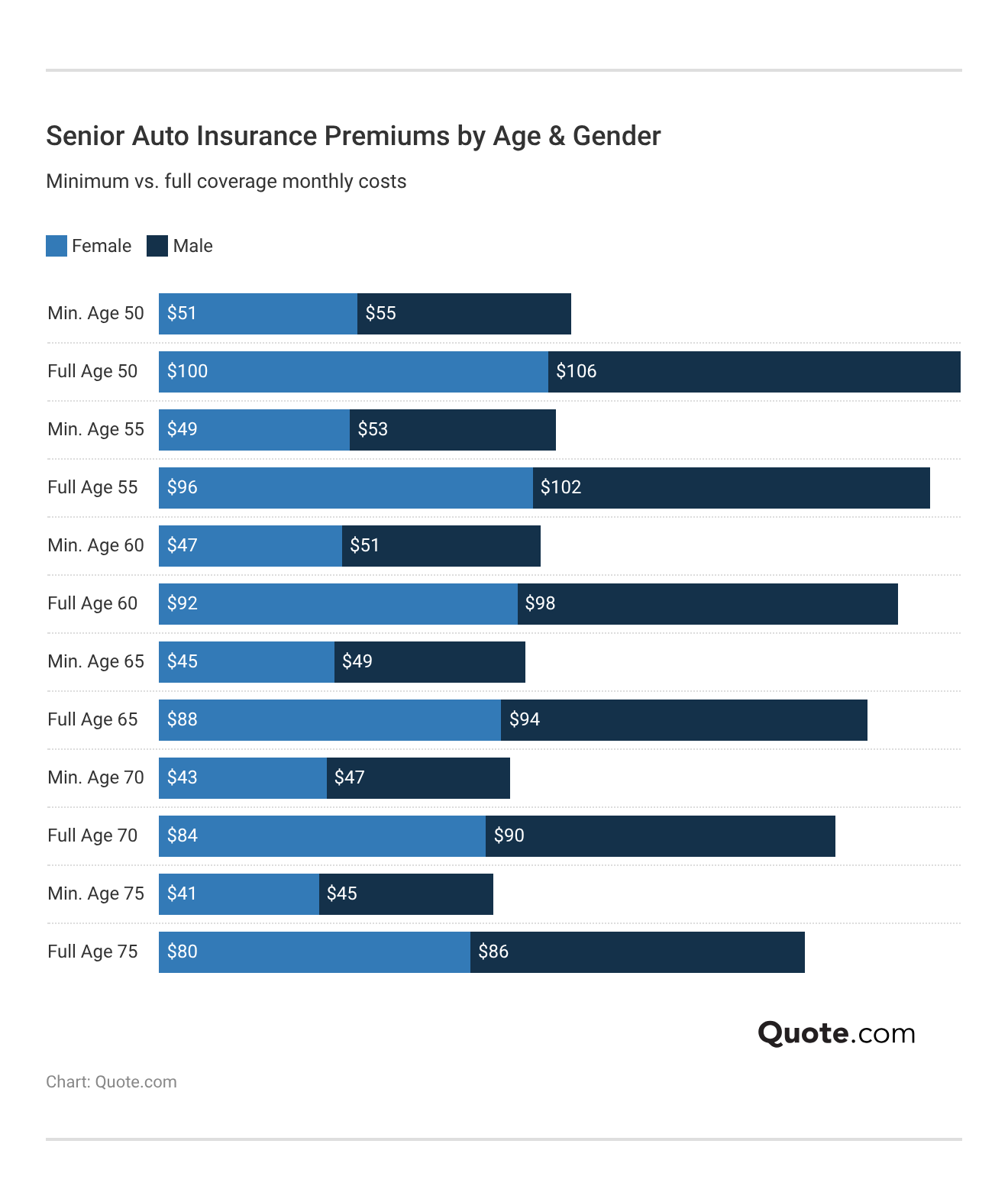
Just as insurance rates peak during adolescence, they begin a gradual climb once drivers enter their senior years, typically starting around age 65 to 70 and accelerating past age 75.
Understanding Senior Risk Factors
The upward adjustment in senior auto insurance pricing is not based on behavioral recklessness, but rather on physical and physiological changes. Aging can impact vision, hearing, flexibility, and reaction times. Additionally, older adults are more fragile physically, meaning that minor collisions that leave younger drivers uninjured can result in severe medical complications and costly bodily injury claims for seniors.
Statistical analyses by the Insurance Institute for Highway Safety (IIHS) show that while older drivers are generally safe and self-regulate by driving fewer miles or avoiding night driving, fatal crash rates begin to increase sharply for drivers aged 75 and older, largely due to intersection navigation and vulnerability to crash injuries.
Managing Insurance Costs in Senior Years
Seniors can utilize specific tools to keep their premiums manageable:
- Senior Defensive Driving Courses: Completing an approved mature driver course can mandate state-regulated insurance discounts.
- Low-Mileage Discounts: Retirees who no longer commute to work drive significantly fewer miles annually, qualifying for low-mileage or usage-based pricing models.
- Vehicle Safety Equipment: Driving vehicles equipped with advanced driver-assistance systems (ADAS) such as blind-spot monitoring, automatic emergency braking, and lane-keep assist can reduce claim risks.
Comparative Overview of Auto Insurance Pricing by Age Group
The following table summarizes the general trajectory of auto insurance pricing, risk characteristics, and primary cost drivers across different age cohorts.
| Age Group | Risk Level | Relative Cost | Primary Pricing Factors | Recommended Cost-Saving Strategy |
|---|---|---|---|---|
| 16–19 (Teens) | Very High | Maximum | Inexperience, lack of impulse control, high accident frequency. | Good student discounts, family policy bundling, safe car choice. |
| 20–25 (Young Adults) | High to Moderate | High (Decreasing) | Gradual experience gain, lifestyle stabilization, milestone of age 25. | Maintain clean record, telematics programs, higher deductibles. |
| 30–65 (Prime Drivers) | Low | Lowest / Baseline | Mature judgment, stable commute patterns, marriage/homeownership status. | Bundle home and auto policies, review coverage limits annually. |
| 65+ (Seniors) | Moderate to High | Increasing | Declining reaction times, physical vulnerability, increased medical claim costs. | Low-mileage discounts, mature driver courses, safety feature discounts. |
Frequently Asked Questions About Age-Based Insurance Pricing
Why does car insurance cost so much for 16-year-olds?
Insurance for 16-year-olds is expensive because statistical data shows they have the highest crash involvement rate of any age group. Insurers must price policies to cover the high probability of expensive property damage and medical claims caused by driver inexperience.
Do insurance rates drop immediately on your 25th birthday?
Rates do not drop instantly overnight, but turning 25 is a major milestone where insurers re-evaluate risk brackets. If you maintain a clean driving record, you will generally see a noticeable decrease in your premiums around this age.
Can seniors get discounts on auto insurance?
Yes. Many insurance providers offer discounts to older drivers who complete certified mature driver safety courses. Additionally, retirees who drive infrequently can benefit significantly from low-mileage or pay-per-mile insurance programs.
Does gender affect auto insurance pricing alongside age?
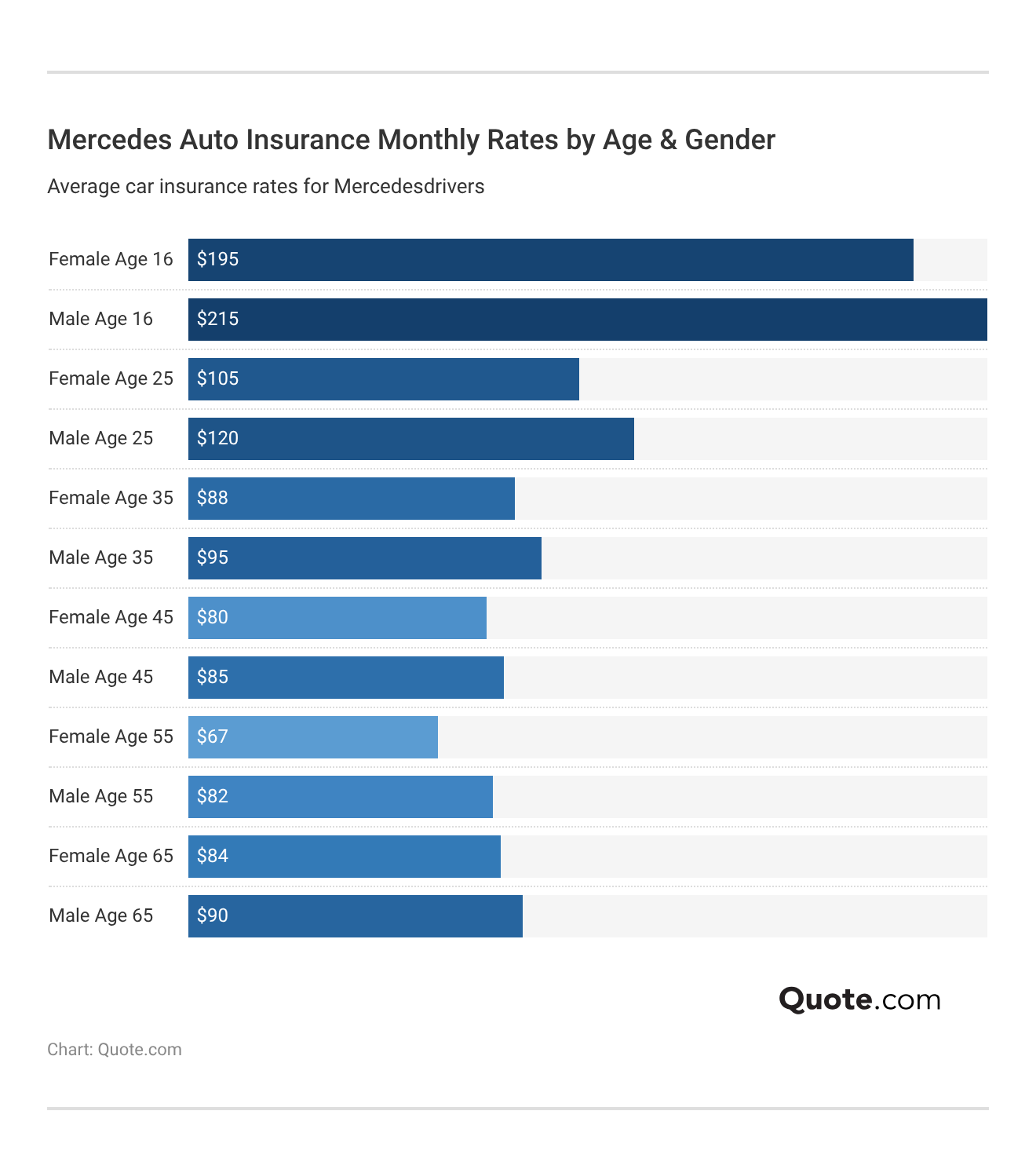
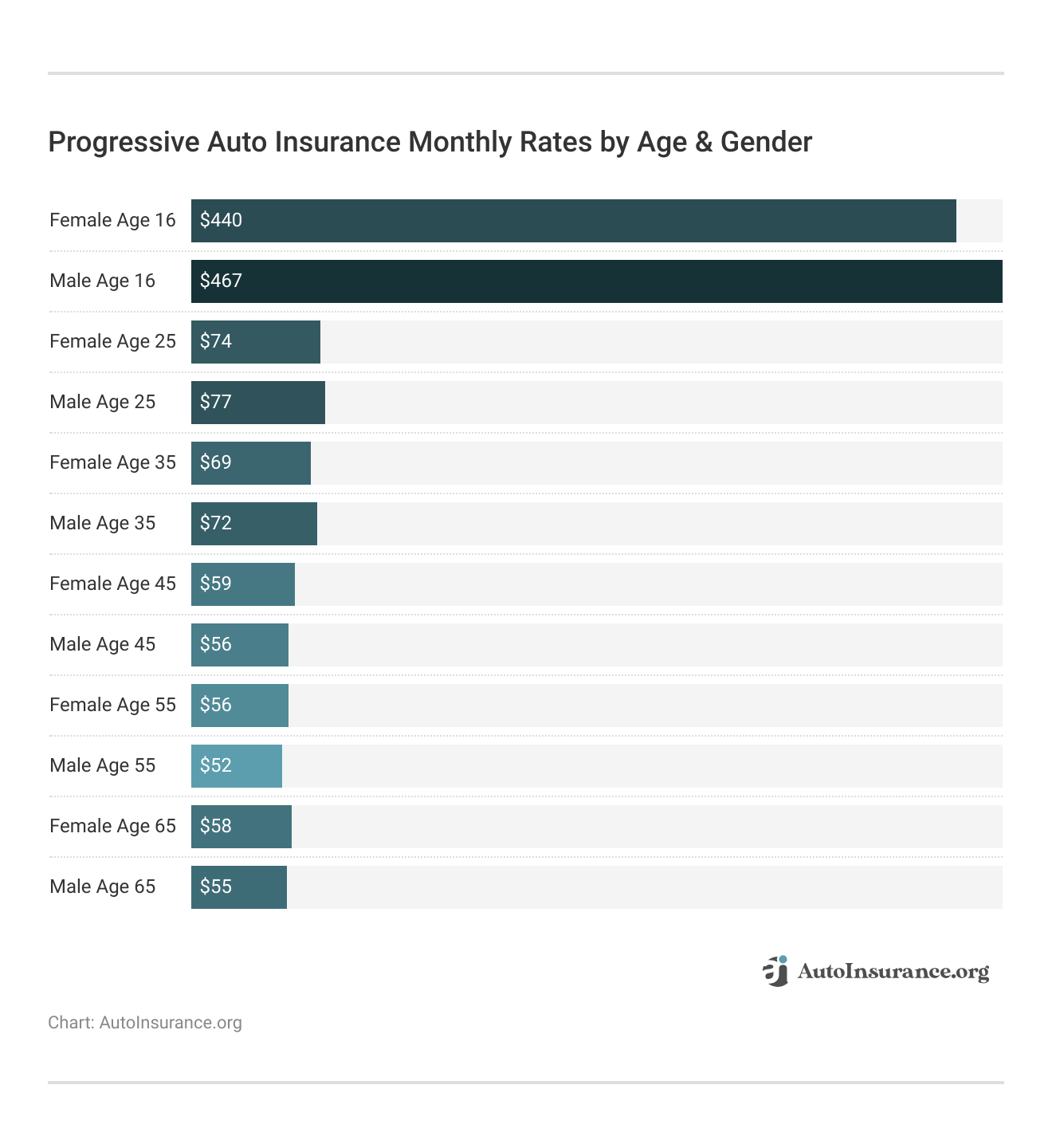
Historically, young male drivers face higher insurance rates than young female drivers because statistical data indicates young males are more prone to high-speed and severe accidents. However, several states (such as California, Massachusetts, and Hawaii) have banned the use of gender in auto insurance pricing calculations.
How can families minimize the cost of adding a teen driver?
Families can lower costs by assigning the teen to the oldest and safest vehicle in the household, enrolling the teen in a good student discount program, and utilizing telematics apps that monitor safe driving habits in exchange for premium reductions.
Practical Next Actions for Policyholders
Navigating auto insurance pricing across different life stages requires proactive management rather than passive acceptance of rate changes. If you are entering a higher-risk demographic—such as adding a teenager to your policy or transitioning into your senior years—do not wait for renewal notices to take action.
Start by auditing your current policy coverage limits and deductibles. Raising your comprehensive and collision deductibles can offset rate increases caused by demographic shifts, provided you maintain an emergency fund to cover out-of-pocket costs if an incident occurs. Next, shop around and compare quotes from at least three different carriers annually. Insurance companies weigh demographic risk factors differently, meaning one provider may penalize a specific age group far more aggressively than another. Finally, inquire directly with your insurance agent about unadvertised discounts, telematics monitoring programs, and loyalty rewards that can neutralize the financial impact of age-based pricing adjustments.
Image Gallery