Comprehensive Guide to Otrivin Side Effects, Usage Safety, and Risk Management
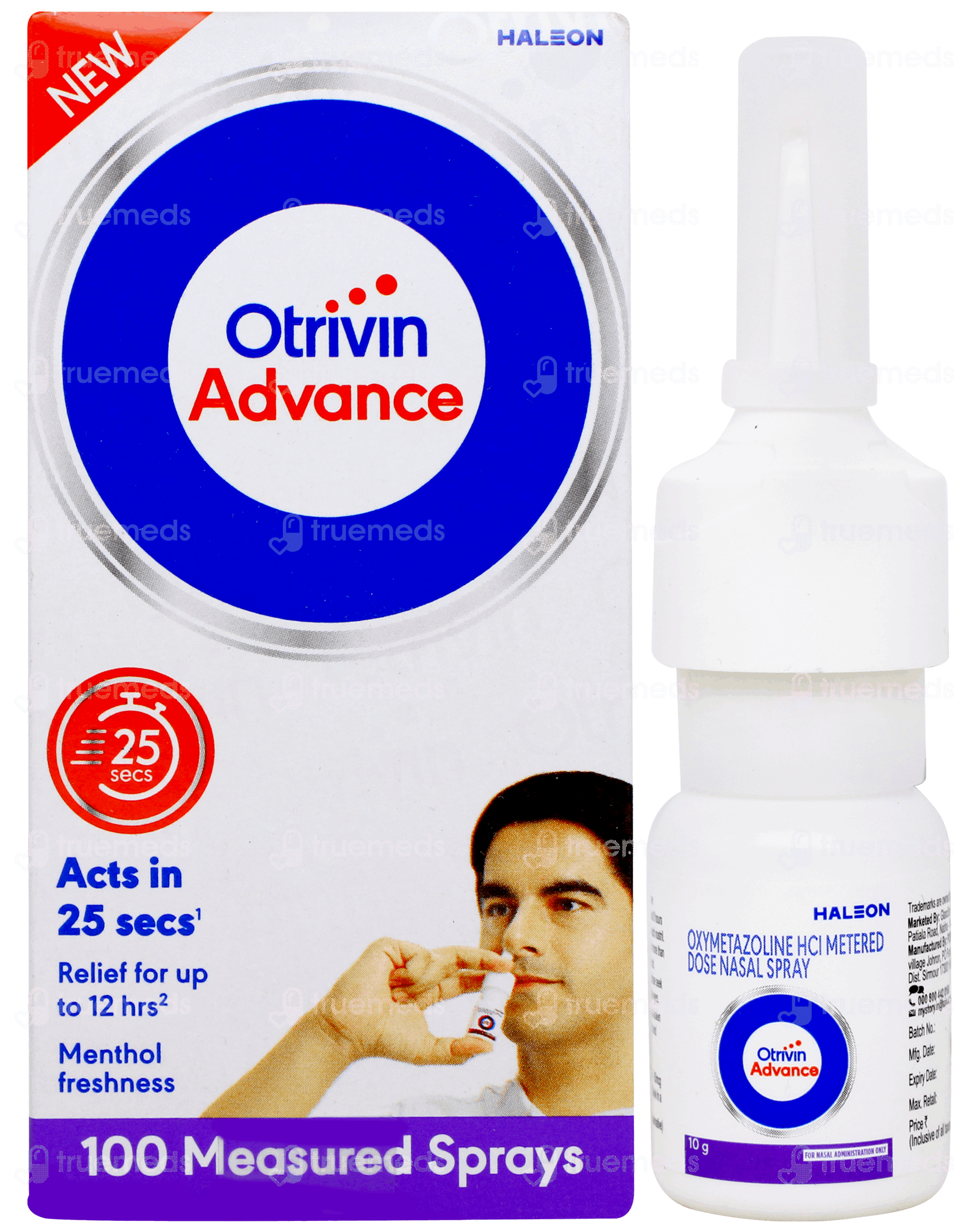
Otrivin is a widely used over-the-counter nasal decongestant spray containing xylometazoline hydrochloride, designed to provide fast and effective relief from nasal congestion associated with colds, sinusitis, and allergies. While it o...
Otrivin is a widely used over-the-counter nasal decongestant spray containing xylometazoline hydrochloride, designed to provide fast and effective relief from nasal congestion associated with colds, sinusitis, and allergies. While it offers rapid relief by constricting blood vessels in the nasal passages, improper or prolonged use can lead to local and systemic side effects, most notably rhinitis medicamentosa, commonly known as rebound congestion. Understanding the pharmacological profile, appropriate usage guidelines, potential adverse reactions, and safe discontinuation strategies is essential for maximizing therapeutic benefits while minimizing health risks.
Contents
Understanding Otrivin and Its Active Ingredient
To fully comprehend the side effect profile of Otrivin, it is necessary to examine how the medication works within the human body. The active pharmaceutical ingredient in standard Otrivin formulations is xylometazoline hydrochloride. Xylometazoline belongs to a class of medications known as sympathomimetic agents, specifically acting as an alpha-adrenergic receptor agonist.
When administered topically into the nasal cavity, xylometazoline targets the alpha-adrenergic receptors located on the blood vessels of the nasal mucosa. By stimulating these receptors, the drug causes vasoconstriction—the narrowing of the blood vessels. This localized reduction in blood flow decreases the swelling of the nasal tissue, thereby opening up the airways and significantly reducing mucus production and nasal stuffiness. Because of its rapid onset of action—often within a few minutes—and its prolonged duration, which can last up to ten hours, it has become a staple in household medicine cabinets around the world.
However, this mechanism of action is inherently tied to the medication's primary risk profile. The artificial constriction of blood vessels alters normal vascular tone in the nasal mucosa. When the medication wears off, a compensatory vasodilation often occurs, which can be more severe than the original condition. This physiological reaction forms the basis of many adverse effects associated with prolonged topical decongestant use.
Common Local Side Effects of Otrivin
Most side effects experienced by users of Otrivin are localized to the site of application—the nasal passages and surrounding upper respiratory structures. These symptoms are generally mild, temporary, and tend to resolve as the body adjusts to the medication or as the drug clears the system.
- Transient Burning and Stinging: Upon application, many users report a brief sensation of stinging or burning inside the nostrils. This is a common reaction to the active ingredient and the preservative agents within the nasal spray solution.
- Nasal Dryness: Because xylometazoline reduces blood flow and mucus secretion to clear congestion, continuous use can dry out the mucosal lining of the nose. This dryness can sometimes cause minor irritation, cracking, or localized discomfort.
- Sneezing: The introduction of a liquid spray, combined with the chemical action on sensitive mucosal nerve endings, can trigger acute bouts of sneezing immediately following administration.
- Increased Nasal Secretions (Rebound Irritation): Paradoxically, as the medication begins to wear off, some individuals experience a temporary increase in watery nasal discharge as the vascular tissue reacts to the retreating vasoconstrictor.
These local symptoms usually do not require medical intervention unless they persist, worsen, or cause significant distress. Users can often minimize local irritation by ensuring proper spray technique—directing the nozzle slightly away from the nasal septum toward the outer ear canal to prevent localized tissue damage.
Systemic Adverse Effects and Absorption Risks
Although Otrivin is administered topically as a local spray, a fraction of the xylometazoline hydrochloride can be absorbed systemically through the highly vascularized nasal mucosa into the bloodstream. Systemic absorption is more likely to occur if the medication is used in excessive doses, applied too frequently, or administered to individuals with compromised or inflamed nasal mucosa.
When systemic absorption reaches significant levels, xylometazoline can stimulate alpha-adrenergic receptors throughout the body, leading to systemic sympathomimetic effects. Common systemic reactions include:
- Cardiovascular Impacts: Users may experience elevated heart rate (tachycardia), palpitations, or transient increases in blood pressure. These effects occur because alpha-agonists can influence heart rate and vascular resistance. Consequently, individuals with pre-existing cardiovascular conditions, hypertension, or cardiac arrhythmias must exercise extreme caution.
- Central Nervous System Effects: Systemic stimulation can affect the central nervous system, manifesting as nervousness, restlessness, tremors, anxiety, or insomnia. Conversely, some individuals, particularly young children or elderly patients, may experience central nervous system depression, leading to excessive drowsiness, sedation, or lethargy.
- Headaches and Dizziness: Changes in cerebral blood flow and systemic vascular tone can occasionally provoke tension-type headaches or feelings of lightheadedness and dizziness.
- Gastrointestinal Disturbances: Nausea and dry mouth are occasionally reported as systemic manifestations of sympathetic nervous system activation.
The Primary Risk: Rhinitis Medicamentosa (Rebound Congestion)
The single most significant risk associated with prolonged Otrivin use is rhinitis medicamentosa, widely referred to as rebound congestion. This condition occurs when the nasal mucosa becomes dependent on the exogenous vasoconstrictor to maintain normal vascular tone.
How Rebound Congestion Develops
When xylometazoline is used continuously for more than three to five consecutive days, the blood vessels in the nasal passages begin to lose their natural ability to constrict on their own. The local receptors downregulate or become desensitized to the drug. As the medication wears off, the blood vessels dilate excessively, causing severe, often worse, nasal congestion than the initial ailment that prompted treatment.
Caught in a cycle, the user applies more Otrivin to relieve the new congestion, which provides temporary relief but further damages the vascular tissue and deepens the dependency. This cycle can quickly spiral into chronic nasal obstruction unrelated to the original cold or allergy.
Distinguishing Features of Rebound Congestion
- Severity: The congestion is typically more intense and constant than the original infection or allergic reaction.
- Lack of Response: Standard doses of the decongestant provide shorter periods of relief, requiring more frequent application.
- Absence of Other Symptoms: Unlike a cold or flu, rhinitis medicamentosa is often isolated to nasal blockage without systemic symptoms like fever, body aches, or purulent discharge.
| Characteristic | Standard Cold/Allergy Congestion | Rhinitis Medicamentosa (Rebound) |
|---|---|---|
| Duration | Resolves within 5 to 7 days (cold) or with allergen avoidance. | Persists indefinitely as long as the topical decongestant is continued. |
| Response to Otrivin | Responds well; duration of relief remains relatively stable. | Requires increasingly frequent applications for diminishing periods of relief. |
| Underlying Cause | Viral infection, immune response to allergens, or inflammation. | Vascular damage, receptor desensitization, and drug dependence. |
| Primary Treatment | Antihistamines, saline rinses, short-term decongestants. | Complete cessation of topical decongestants, intranasal steroids. |
Safe Usage Guidelines and Duration Limits
To prevent adverse effects and avoid the trap of rebound congestion, health authorities and medical professionals emphasize strict adherence to usage guidelines. Otrivin should be viewed as a short-term rescue medication rather than a chronic management tool for long-term nasal problems.
- The Three-to-Five-Day Rule: Never use Otrivin continuously for more than 3 to 5 consecutive days. If nasal congestion persists beyond this timeframe, stop using the spray and consult a healthcare provider to investigate underlying causes such as chronic sinusitis, nasal polyps, or allergic rhinitis.
- Adhere to Dosage Recommendations: Follow the product packaging instructions or professional medical advice regarding dosage. For adults and children over the age specified by the manufacturer, this typically involves one spray into each nostril up to two or three times daily. Overdosing does not accelerate healing and significantly increases the risk of systemic side effects.
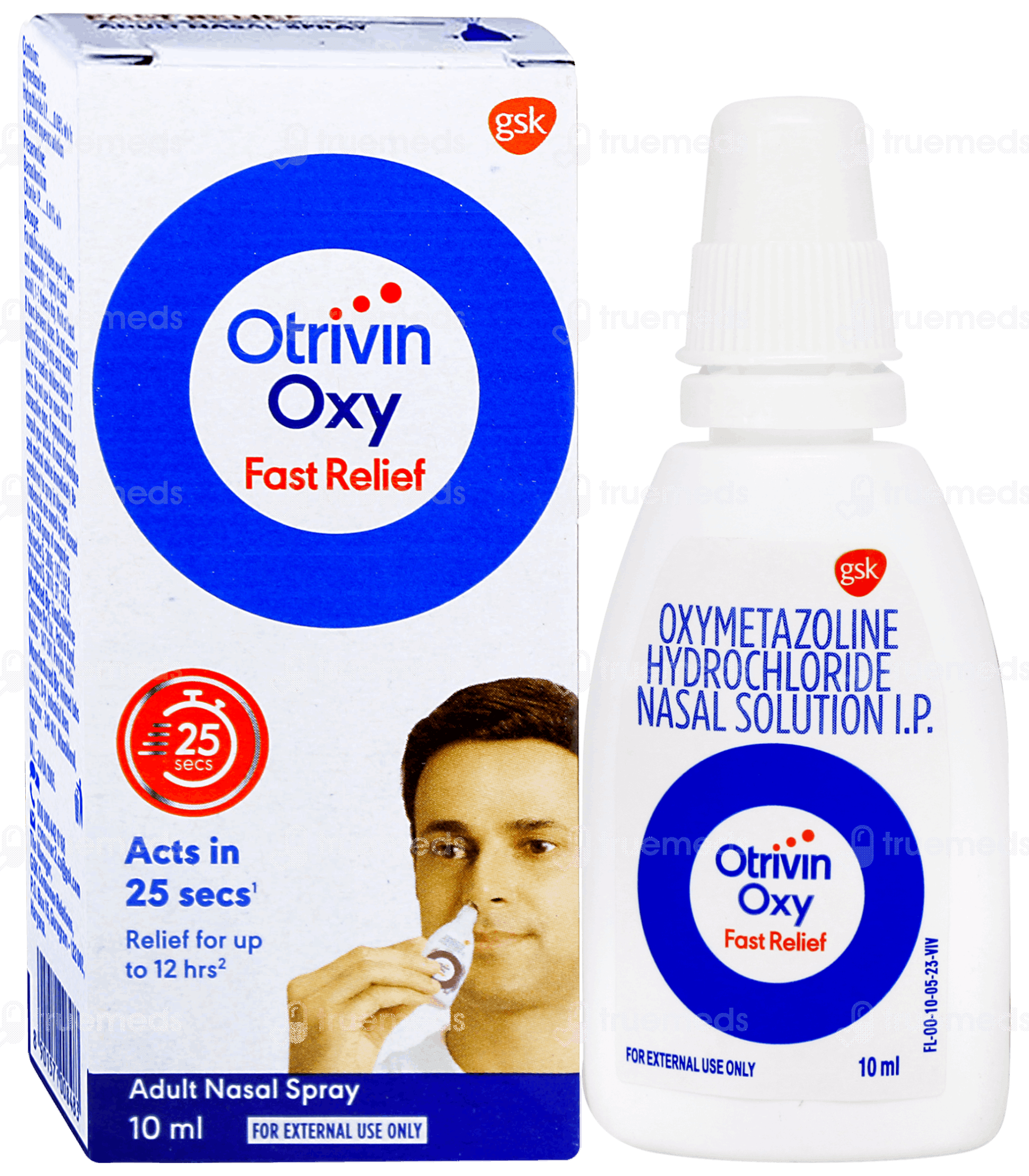
- Proper Administration Technique: Clear the nasal passages gently before use. Hold the bottle upright, insert the nozzle slightly into one nostril while closing the other with a finger, press the pump while breathing in gently through the nose, and repeat for the other nostril. Clean the nozzle after each use to prevent contamination.
- Single-User Bottles: To prevent cross-contamination and the spread of viral or bacterial infections, nasal spray bottles should never be shared among multiple individuals.
Contraindications and High-Risk Populations
Certain individuals should avoid using Otrivin entirely or only use it under the direct supervision of a physician due to heightened vulnerability to its adverse effects.
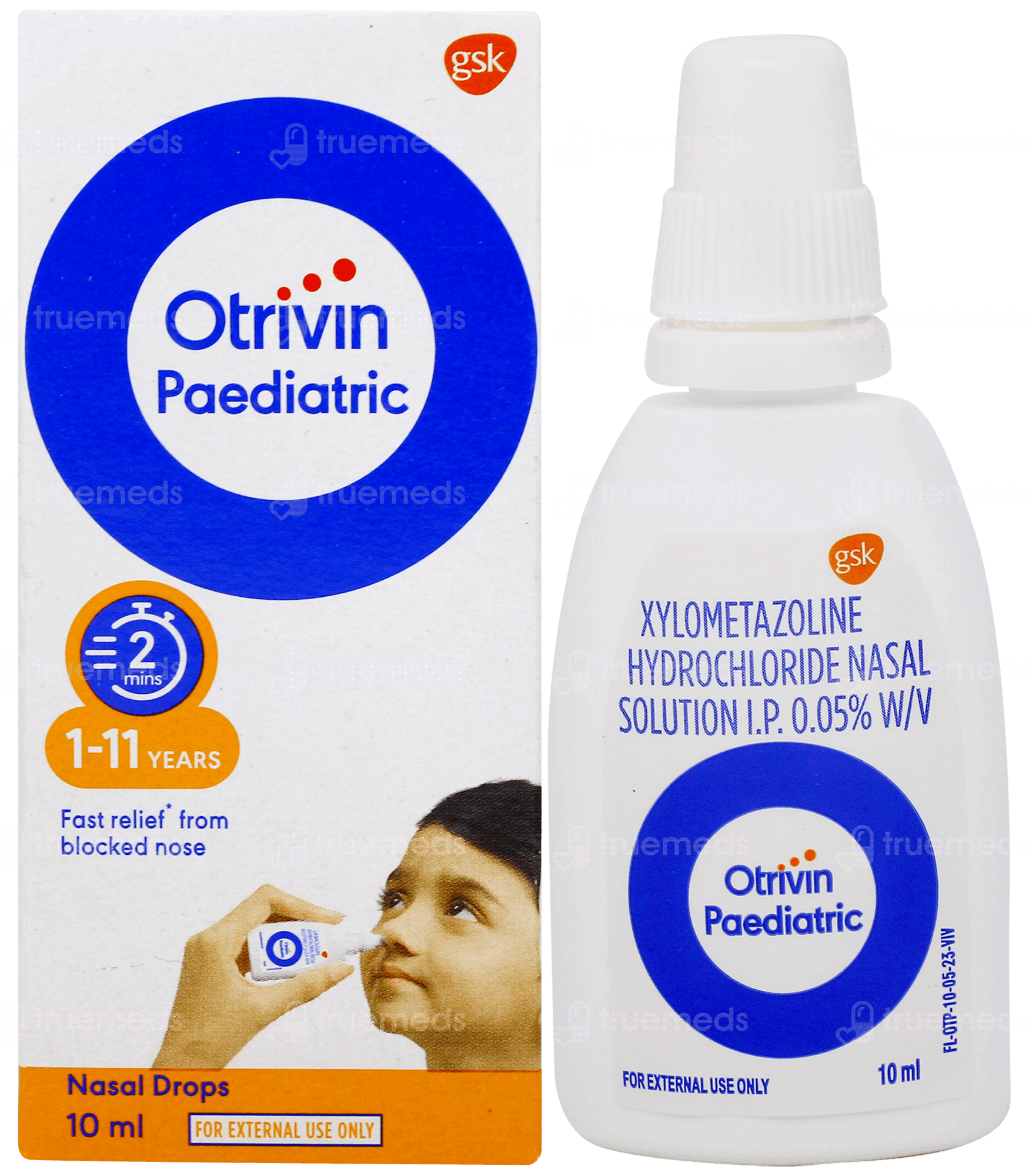
- Children Under Specified Ages: Formulations vary by age group (e.g., Otrivin Adult vs. Otrivin Child). Standard adult formulations must never be given to infants or young children, as they are exceptionally sensitive to systemic side effects such as severe central nervous system depression, profound sedation, and dangerously low body temperature.
- Cardiovascular Disease and Hypertension: Because xylometazoline constricts blood vessels and can elevate blood pressure and heart rate, patients with uncontrolled hypertension, coronary artery disease, or a history of stroke should avoid the medication.
- Hyperthyroidism and Diabetes Mellitus: Sympathomimetic agents can exacerbate metabolic conditions. Individuals with overactive thyroid glands (hyperthyroidism) or diabetes should consult a doctor before use.
- Glaucoma: Patients with narrow-angle glaucoma should exercise caution, as sympathomimetic drugs can occasionally increase intraocular pressure.
- Prostatic Hyperplasia: Men with enlarged prostates and urinary retention issues may experience worsened symptoms due to adrenergic stimulation.
- Monoamine Oxidase Inhibitors (MAOIs): Concurrent use of Otrivin with MAOI antidepressants—or within two weeks of stopping them—can precipitate severe hypertensive crises and must be strictly avoided.
Management and Treatment of Rebound Congestion
If a patient has developed rhinitis medicamentosa, breaking the cycle requires a structured withdrawal plan. Stopping the medication abruptly can cause severe discomfort, but it is necessary to allow the nasal blood vessels to recover their natural tone.
- Cold Turkey Approach: Stopping the topical decongestant entirely. While the first two to three days will involve significant congestion and discomfort, the nasal mucosa gradually recovers its normal function within one to two weeks.
- One-Nostril Weaning: An alternative method involves stopping the spray in one nostril completely while continuing its use in the other until the first nostril clears. Once the first nostril recovers normal function, the second nostril is discontinued. This ensures the user can still breathe through one side during the transition period.
- Intranasal Corticosteroids: Physicians often prescribe short courses of prescription-strength or over-the-counter steroid nasal sprays to reduce mucosal inflammation and ease the transition period during withdrawal.
- Saline Irrigation: Using isotonic or hypernic saline nasal sprays or rinses helps keep the nasal passages moist, thirckens mucus clearance, and provides mechanical soothing without chemical vasoconstriction.
- Oral Decongestants: In some cases, temporary substitution with oral decongestants (such as pseudoephedrine, subject to medical clearance for cardiovascular health) may be utilized, though these also carry systemic side effects.
Frequently Asked Questions
Can I use Otrivin every day during allergy season?
No. Otrivin is not formulated for daily or seasonal chronic use. Continuous application exceeding five days risks severe rebound congestion, turning temporary allergy symptoms into chronic medication-induced swelling. For long-term allergy management, antihistamines, intranasal corticosteroid sprays, or saline rinses are appropriate alternatives.
What should I do if I accidentally swallow Otrivin?
Accidental ingestion of topical nasal sprays, particularly by young children, is a medical concern. Swallowing xylometazoline can lead to severe systemic toxicity, causing profound drowsiness, slowed breathing, drop in body temperature, or cardiovascular instability. If ingestion occurs, contact a poison control center or seek emergency medical attention immediately.
Is Otrivin safe to use during pregnancy and breastfeeding?
Data regarding the safety of xylometazoline during pregnancy and breastfeeding are limited. Because systemic absorption can potentially affect uterine blood flow or pass into breast milk, pregnant or nursing individuals should consult their obstetrician or healthcare provider before using Otrivin, often opting for saline nasal rinses as a safer first-line alternative.
Why does my nose feel more blocked after stopping Otrivin?
This sensation is the hallmark of rebound congestion (rhinitis medicamentosa). The blood vessels in your nasal mucosa have adapted to the daily presence of the vasoconstrictor and dilate beyond their normal baseline when the drug is removed. This temporary worsening is a sign of vascular recovery and typically subsides within 7 to 14 days of complete cessation.
Can children use adult Otrivin if the dose is reduced?
No. Adult formulations contain a higher concentration of xylometazoline than pediatric formulations. Reducing the number of sprays does not guarantee a safe dose for a child and greatly increases the risk of severe systemic poisoning, lethargy, and cardiovascular distress. Always use age-appropriate formulations and consult a pediatrician.
Conclusion and Next Actions
Otrivin is a highly effective tool for managing acute nasal congestion when used strictly as directed. However, the convenience of rapid relief must be balanced against the very real risks of local irritation, systemic cardiovascular stimulation, and the debilitating trap of rebound congestion. By adhering strictly to the three-to-five-day usage limit, respecting contraindications, and seeking professional medical guidance for persistent respiratory symptoms, users can protect their nasal health and avoid unnecessary complications.
If you or someone in your care is experiencing chronic nasal blockage, prolonged reliance on nasal sprays, or signs of systemic adverse reactions, discontinue use of the product and schedule an evaluation with a qualified healthcare professional or otolaryngologist to explore sustainable, safe treatment options.
Image Gallery