Dividends as a Liability: Understanding Why Cash Payouts Appear on the Balance Sheet
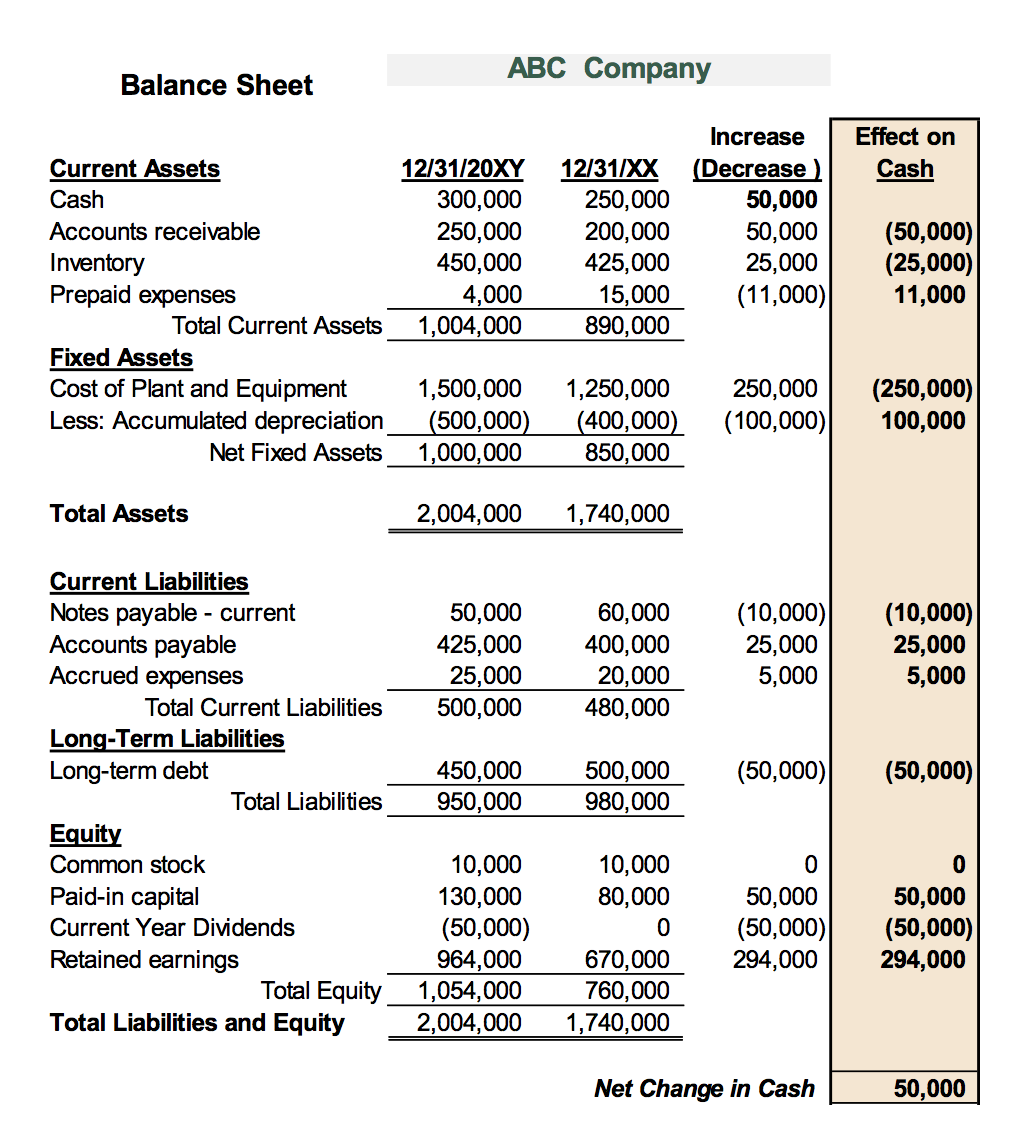
When a board of directors declares a dividend, they initiate a formal obligation that transforms a portion of the company’s retained earnings into a short-term financial liability. This accounting treatment is mandatory under accrual-b...
When a board of directors declares a dividend, they initiate a formal obligation that transforms a portion of the company’s retained earnings into a short-term financial liability. This accounting treatment is mandatory under accrual-based accounting standards because it represents a legally binding debt the corporation owes to its shareholders. Consequently, even before cash leaves the corporate bank account, the balance sheet must reflect the obligation to ensure financial transparency and accurate reporting of the company’s working capital position.
Contents
The Mechanism of Dividend Declaration and Accrual
To understand why dividends appear as liabilities, one must first recognize the distinction between the declaration date, the record date, and the payment date. The process begins with the board of directors officially declaring a dividend. At this precise moment, the dividend ceases to be a discretionary portion of equity and becomes a legal claim against the corporation.
Under Generally Accepted Accounting Principles (GAAP) and International Financial Reporting Standards (IFRS), companies operate on an accrual basis. This means that financial events are recorded when they occur, regardless of when the cash actually moves. By declaring the dividend, the firm assumes a debt. To balance the accounting equation—Assets = Liabilities + Equity—the company must debit "Retained Earnings" (reducing equity) and credit "Dividends Payable" (increasing a current liability). This entry accurately depicts that the company’s net assets have decreased because a portion of those assets is now earmarked for distribution to shareholders.
Dividends Payable in the Current Liabilities Section
On the balance sheet, "Dividends Payable" is categorized as a current liability. This is because, in almost all practical scenarios, a declared dividend is intended to be paid within the next fiscal quarter or, at most, within twelve months.
Classifying this as a current liability is essential for investors and creditors assessing a firm's liquidity. By looking at the balance sheet, a reader can identify exactly how much cash the company is obligated to distribute in the immediate future. If a company has high levels of accounts payable and large declared dividend obligations, its current ratio—a key liquidity metric—will be impacted. The presence of this liability warns creditors that these funds are no longer available for operational reinvestment or debt servicing, even if the cash currently remains in the corporate treasury.
The Impact on the Accounting Equation
The accounting equation must always remain in balance. The movement of dividends from equity to a liability is a zero-sum transaction regarding total balance sheet size, but it is a critical shift in the character of the company’s financial position.
- Retained Earnings (Equity): When dividends are declared, this account decreases. This reflects the reduction in the total value belonging to shareholders that is being retained within the business.
- Dividends Payable (Liability): This account increases. This reflects the external obligation the firm now has to distribute cash.
By moving these funds into a liability account, the corporation provides a clear signal to stakeholders that the cash is "spoken for." This prevents the misinterpretation of these funds as being available for capital expenditures, acquisitions, or research and development projects.
Comparative Analysis: Different Types of Dividends
Not all dividends are treated identically on the balance sheet. The nature of the payout determines how the balance sheet reflects the transaction.
| Dividend Type | Balance Sheet Treatment | Accounting Rationale |
|---|---|---|
| Cash Dividend | Recognized as a current liability upon declaration. | Represent a legal obligation to pay cash in the near term. |
| Stock Dividend | Transfer from Retained Earnings to Paid-in Capital. | Does not involve a cash outflow; reclassifies equity segments. |
| Property Dividend | Recognized as a liability at fair market value. | Represents an obligation to transfer non-cash assets to shareholders. |
| Liquidating Dividend | Reduction in Paid-in Capital or Retained Earnings. | Represents a return of capital rather than a distribution of earnings. |
Why Cash Dividends Do Not Reduce Cash Immediately
A common point of confusion for new investors is the timing of the cash outflow. When a company declares a dividend, the balance sheet shows "Dividends Payable," but the "Cash and Cash Equivalents" line item remains unchanged. The cash is only reduced on the payment date.
This lag is vital for cash management. Large corporations often manage massive payrolls, debt interest payments, and supplier contracts. By setting a record date and a payment date, management creates a window to ensure that the necessary liquidity is available. During this time, the "Dividends Payable" entry acts as a reminder that although the cash is sitting in a bank account, it is effectively restricted from other uses.
The Role of Regulatory Compliance and Investor Relations
From a regulatory perspective, documenting dividends as liabilities is a matter of legal compliance. In many jurisdictions, once a dividend is declared, it cannot be rescinded without significant legal complexity, as it creates a debtor-creditor relationship between the company and its shareholders. If a firm were to face insolvency after declaration but before payment, shareholders would technically be unsecured creditors for the amount of the declared dividend.
Transparency is also a factor in investor relations. Institutional investors and analysts scrutinize the balance sheet to determine if a company’s dividend policy is sustainable. If a company consistently maintains high dividends payable while its cash flow from operations is declining, it may be a red flag regarding the company’s long-term financial health. The clear labeling of these liabilities allows for a more accurate assessment of the company’s ability to meet its future cash commitments.
Common Misconceptions Regarding Dividends
Many readers assume that dividends are an expense that appears on the Income Statement. This is a fundamental misunderstanding. Dividends are a distribution of profits, not an expense of doing business. They are not deducted from revenue to arrive at Net Income. Instead, they are reported on the Statement of Retained Earnings and reflected as a liability on the Balance Sheet.
This distinction is crucial because it highlights that dividends are discretionary returns to owners, not costs incurred to generate revenue. Because they are not expenses, they do not reduce a company’s tax liability in the same way that interest payments on debt do, which is why the accounting treatment—moving equity to a liability—is the only appropriate way to record them.
Managing Dividend Liabilities: Expert Guidance
For those managing corporate finances or analyzing corporate health, the following considerations are essential:
- Monitor the Payables Ratio: Regularly compare dividends payable against operating cash flow to ensure the company is not borrowing to fund payouts.
- Watch the Declaration Date: Understand that the fiscal burden is crystallized on the declaration date. If you are analyzing a firm near a reporting period close, ensure the liability is reflected.
- Distinguish from Interest: Always distinguish between interest payments (an expense on the income statement) and dividend payments (a distribution on the balance sheet/equity statement).
- Review Board Minutes: The legal obligation to pay is born from board resolutions. Always check SEC filings or annual reports for the most current dividend status.
Summary of Actions
If you are an investor, use the "Dividends Payable" line item to judge the company’s short-term cash commitments. If you are a student or accounting professional, remember that the move from "Retained Earnings" to "Dividends Payable" is a direct reflection of the transition from internal equity to external legal debt. This accounting movement serves to protect stakeholders by clearly segregating funds destined for shareholder return from the funds required for ongoing operations.
Image Gallery