Why You Should Pop That Pimple Carefully
Dermatologists generally advise against at-home extractions, but if you must intervene, popping a pimple carefully is essential to prevent permanent scarring, deep-tissue infection, and worsening inflammation. Careful extraction involv...
Dermatologists generally advise against at-home extractions, but if you must intervene, popping a pimple carefully is essential to prevent permanent scarring, deep-tissue infection, and worsening inflammation. Careful extraction involves identifying a mature whitehead, using sterilized tools, applying gentle lateral pressure, and following a strict post-extraction antiseptic routine to ensure the skin heals without hyperpigmentation.
Contents
The impulse to "pop" a blemish is one of the most common skincare behaviors, driven by both aesthetic concerns and the physical discomfort of inflammation. However, the skin is a complex organ, and a pimple is not merely a surface-level pocket of debris. It is an active inflammatory site localized within a hair follicle. When you squeeze a pimple haphazardly, you are not just pushing the contents out; you are often pushing bacteria, oil, and dead skin cells deeper into the dermis. As of 2026, clinical guidelines continue to emphasize that "careful" extraction is a form of harm reduction for those who cannot wait for a blemish to resolve naturally.
The Anatomy of a Pimple and Why Pressure Matters
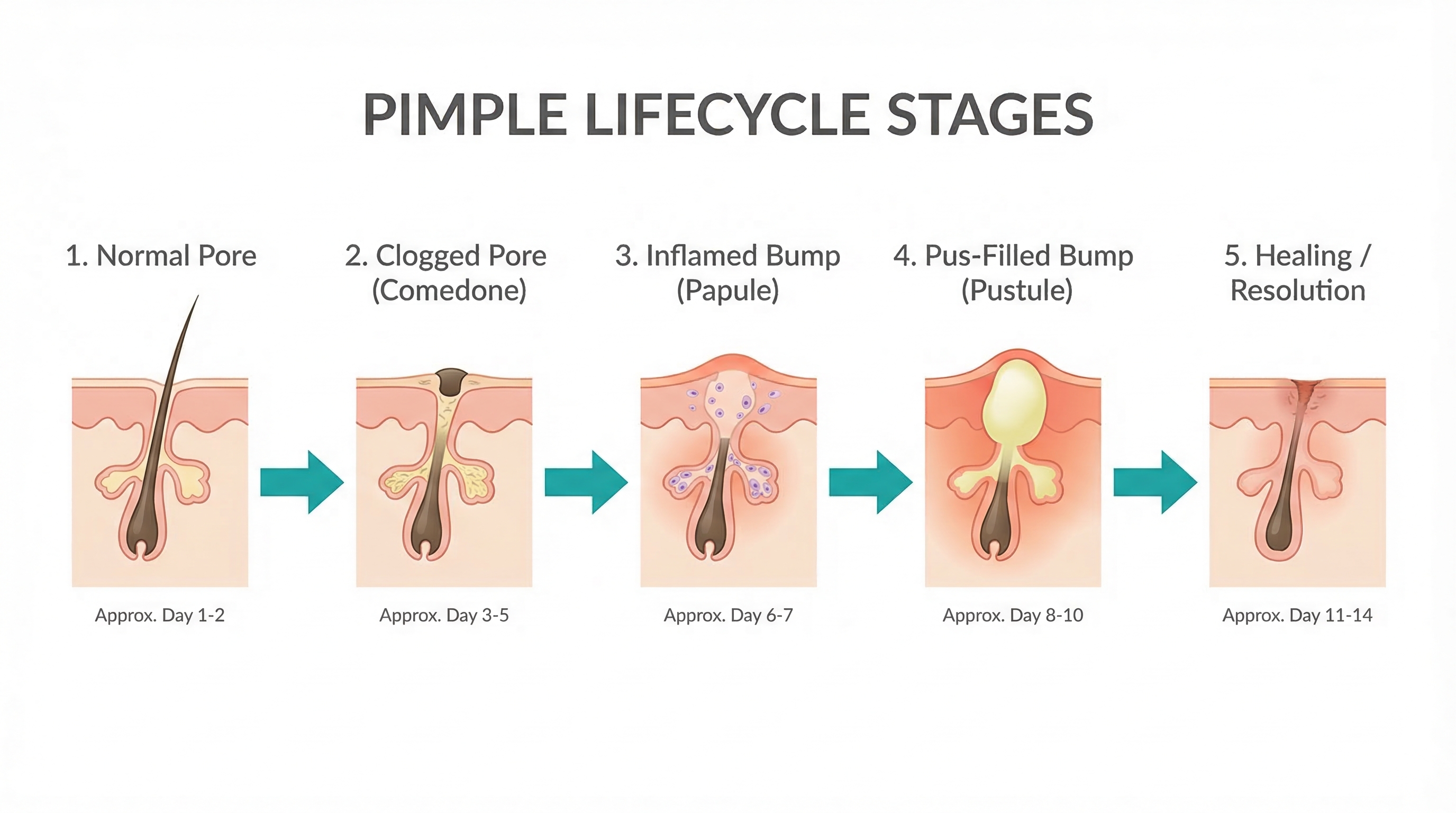
To understand why careful extraction is necessary, one must understand what is happening beneath the surface. A pimple, or comedone, forms when a pore becomes clogged with sebum (oil) and keratinocytes (dead skin cells). This environment is a breeding ground for Cutibacterium acnes (C. acnes), a bacteria that thrives in oxygen-deprived environments.
When the body detects this buildup, it sends white blood cells to the area, resulting in the redness, swelling, and pus (a mixture of white blood cells and debris) that we recognize as a pustule. The follicle wall acts as a barrier, keeping the infection contained.
If you squeeze a pimple with excessive or misdirected force, you risk rupturing that follicle wall. If the wall ruptures internally rather than the contents exiting through the pore, the inflammatory material spills into the surrounding dermis. This leads to several complications:
- Deep-seated Nodules: What was a simple surface whitehead can turn into a painful, deep-seated nodule or cyst that takes weeks to heal.
- Increased Inflammation: Spreading the bacteria to neighboring pores can trigger a "cascade" effect, leading to multiple new breakouts in the same area.
- Tissue Trauma: The mechanical force of fingernails or high-pressure squeezing can crush the delicate skin tissue, leading to bruising and delayed healing.
The Dangers of Careless Extraction: Scars and Infections
The primary reason to exercise extreme caution—or avoid popping entirely—is the risk of permanent damage. Careless popping often results in two types of long-term marks: Post-Inflammatory Hyperpigmentation (PIH) and atrophic scarring.
Post-Inflammatory Hyperpigmentation (PIH)
PIH refers to the dark spots left behind after a pimple heals. When the skin is traumatized by aggressive squeezing, melanocytes (pigment-producing cells) are overstimulated as part of the inflammatory response. This results in red, brown, or purple marks. While these are not "true" scars and may fade over months, they are significantly more difficult to treat than the original pimple and often require clinical interventions like chemical peels or laser therapy.
Atrophic and Hypertrophic Scarring
True scarring occurs when the dermis is damaged. If you pop a pimple too forcefully, you may cause a loss of collagen, leading to "ice pick" or "boxcar" scars (atrophic). Conversely, the body may overproduce collagen in response to the trauma, resulting in a raised, thick scar (hypertrophic). Once these structural changes occur in the skin, they are generally permanent without professional dermatological procedures.
The "Danger Triangle" of the Face
Medical professionals frequently warn about the "Danger Triangle" (or the Triangle of Death), which covers the area from the bridge of the nose to the corners of the mouth. The veins in this area drain directly toward the cavernous sinus in the brain. While extremely rare in the age of modern antibiotics, an infection from a deep, aggressively popped pimple in this region can theoretically lead to cavernous sinus thrombosis, a life-threatening condition. Even in 2026, the clinical recommendation is to never attempt self-extraction on deep lesions within this triangle.
Identification: Knowing Which Pimples Can Be Handled
Not all blemishes are created equal. Popping "carefully" starts with knowing which ones are even candidates for extraction.
| Pimple Type | Appearance | Extraction Status | Risk Level |
|---|---|---|---|
| Whitehead | Small, white center; visible "head" near the surface. | Potentially Safe | Low, if done correctly. |
| Blackhead | Open pore with a dark, oxidized plug. | Safe | Low; often requires a comedone extractor. |
| Papule | Hard, red, tender bump; no visible head. | NEVER Pop | High; will lead to severe inflammation. |
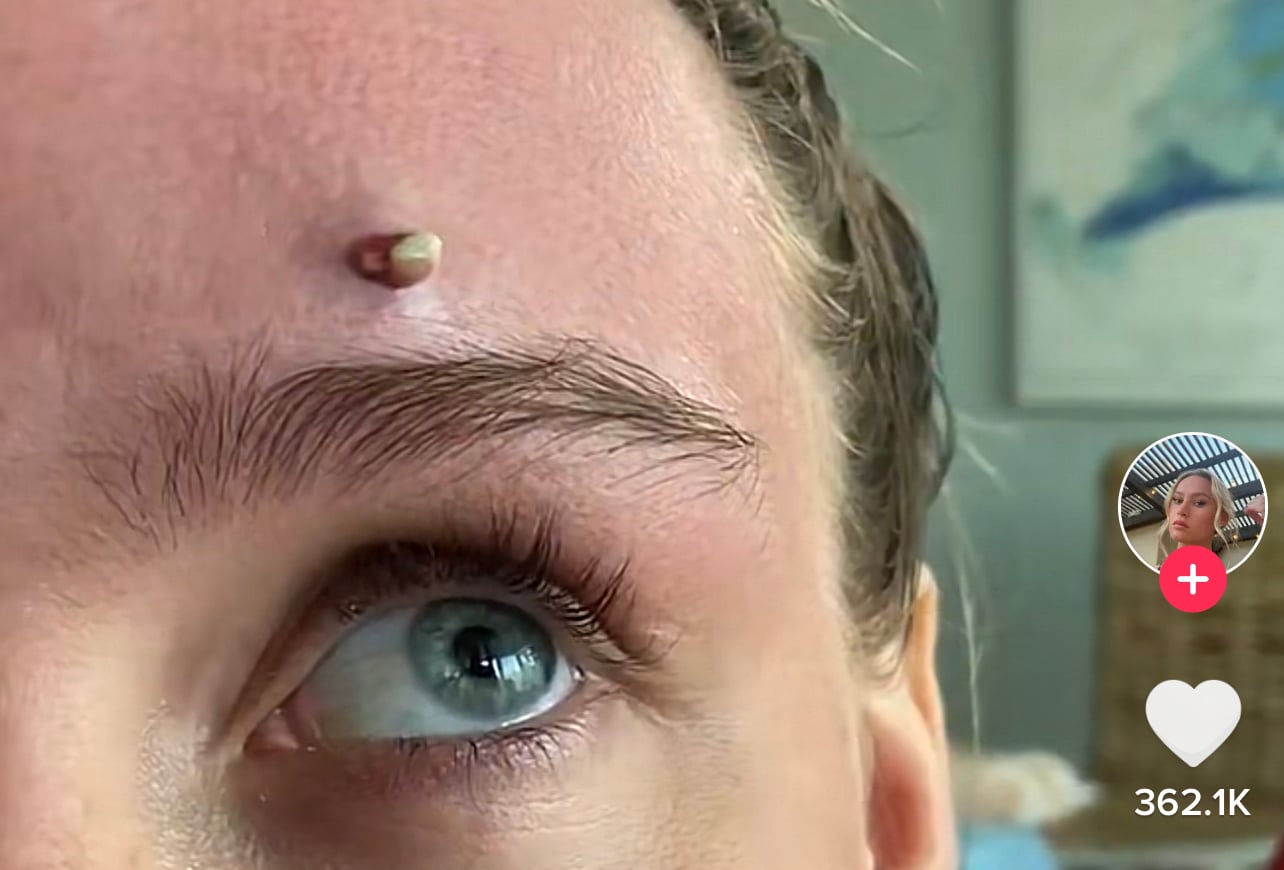
| Pustule | Red base with a yellow or white center. | Safe | Moderate; wait until the head is very soft. |
| Cyst/Nodule | Large, deep, painful, and under the skin. | NEVER Pop | Extreme; requires a dermatologist. |
The "Whitehead" Rule
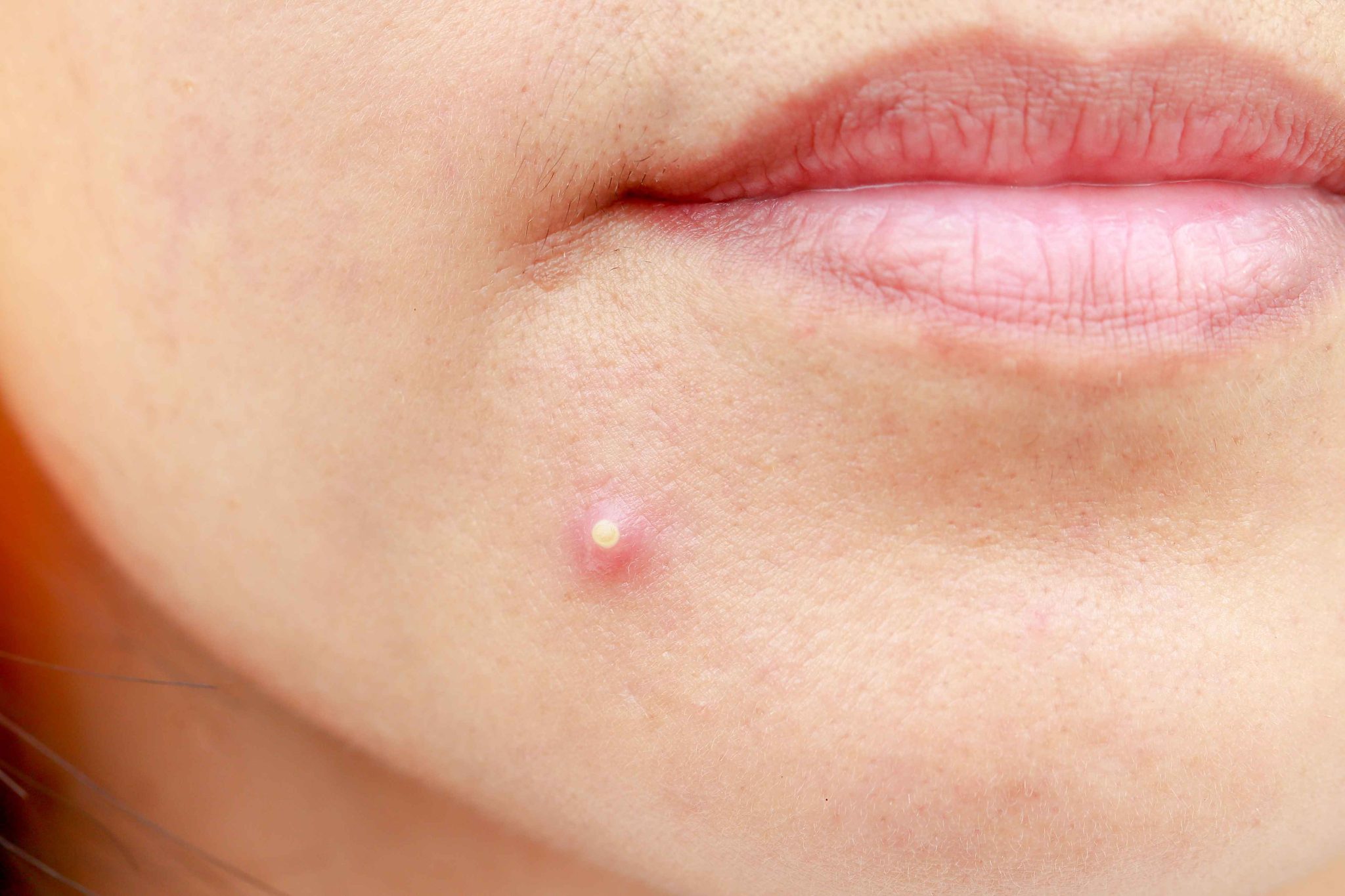
You should only ever consider popping a pimple that has reached a clear "head." This indicates that the pus has migrated to the surface of the skin and is separated from the deeper layers of the dermis by only a thin layer of epidermis. If the pimple is just a red, painful bump (a papule), there is nothing to extract. Squeezing it will only damage the skin and increase the duration of the breakout.
The Professional Extraction Protocol
If you have determined that a whitehead or pustule is ready, follow these steps to minimize damage. This protocol reflects current 2026 best practices for at-home skin hygiene.
1. Preparation and Sterilization
Never touch your face with unwashed hands. Use a gentle cleanser to remove makeup and surface oils. Sterilize the area with a 70% isopropyl alcohol swab. If you are using a metal comedone extractor, it must be sterilized with alcohol or by boiling.
2. The Warm Compress
Apply a clean, warm (not hot) compress to the blemish for 3-5 minutes. This softens the keratin plug and dilates the pore, allowing the contents to exit with minimal pressure.
3. The Extraction Technique
If using your fingers, wrap them in clean tissue or wear sterile gloves. Do not use your fingernails, as they focus too much pressure on a small point and can tear the skin.
- Direction of Force: Place your fingers (or the extractor tool) on either side of the blemish, but not directly on top of it.
- The Movement: Instead of squeezing "in," apply pressure downward and slightly outward. This encourages the contents to move toward the surface rather than deeper into the follicle.
- The "One-and-Done" Rule: If the contents do not come out with very light pressure, the pimple is not ready. Stop immediately.
4. Recognizing the End Point
The goal is to remove the white/yellow pus. Once you see a clear fluid or a tiny amount of blood, stop immediately. This indicates that you have reached the living tissue of the dermis, and any further pressure will cause scarring.
Aftercare: Preventing Re-infection and Scarring
The "careful" approach does not end once the pimple is emptied. You have essentially created a micro-wound that is vulnerable to infection.
- Disinfection: Apply a spot treatment containing salicylic acid or a small amount of benzoyl peroxide. These ingredients help kill any remaining bacteria and dissolve residual debris.
- Protection: One of the most effective tools in 2026 for post-extraction care is the hydrocolloid bandage (pimple patch). These patches create a moist, sterile environment that sucks out remaining fluid and prevents you from touching or picking at the healing wound.
- Avoid Irritants: Do not apply heavy makeup or highly fragranced products over an open blemish for at least 24 hours.
When to Consult a Professional
There are scenarios where even the most careful at-home extraction is dangerous or ineffective. If you are dealing with chronic acne, you should consult a board-certified dermatologist. Professional extractions are performed in a sterile environment using specialized tools that minimize trauma.
Additionally, for large, painful cysts that appear before a major event, a dermatologist can provide a cortisone injection. This is a diluted steroid injected directly into the blemish that can reduce swelling and redness within 24 to 48 hours, bypassing the need for popping entirely and eliminating the risk of scarring.
Frequently Asked Questions
Can I use a sewing needle to pop a pimple? It is generally discouraged. While some dermatologists use sterile lancets, household needles are difficult to sterilize completely and are often too thick, causing unnecessary tissue damage. If you must use a tool, a dedicated comedone extractor is safer.
Why does my pimple keep coming back in the same spot after I pop it? This usually happens because the extraction was incomplete or because the follicle wall was damaged, causing a localized "pocket" where oil and bacteria continue to collect. It can also indicate a cystic lesion that requires professional treatment rather than simple popping.
Should I use toothpaste on a popped pimple? No. Toothpaste contains ingredients like menthol, baking soda, and hydrogen peroxide that are far too harsh for broken skin. Using toothpaste can cause a chemical burn or contact dermatitis, making the area much more noticeable than the original pimple.
How long does it take for a "carefully" popped pimple to heal? With proper aftercare, a surface-level whitehead should heal significantly within 3 to 5 days. If the area remains red, swollen, or painful after this period, it may be infected.
What is the best way to prevent the urge to pop? Using a pimple patch as soon as a blemish appears is the most effective psychological and physical deterrent. It hides the whitehead from view and provides a physical barrier that prevents "scanning" the skin with your fingers.
Final Recommendation
The safest way to handle any blemish is to leave it alone and let the body's natural immune system resolve the inflammation. However, if you choose to intervene, do so with patience and precision. Wait for the blemish to surface, maintain strict sterility, and use the "down and out" pressure technique. By treating the extraction as a minor surgical procedure rather than a casual habit, you significantly reduce the risk of turning a temporary blemish into a permanent scar.
Image Gallery