How to Approach Color Blindness Correction
Approaching color blindness correction requires a systematic progression from professional diagnosis to selecting the appropriate assistive technology. While a biological cure for most forms of congenital color vision deficiency (CVD)...
Approaching color blindness correction requires a systematic progression from professional diagnosis to selecting the appropriate assistive technology. While a biological cure for most forms of congenital color vision deficiency (CVD) does not yet exist in 2026, modern optical filters, digital accessibility tools, and emerging gene therapies offer effective ways to manage and compensate for various types of color blindness.
Contents
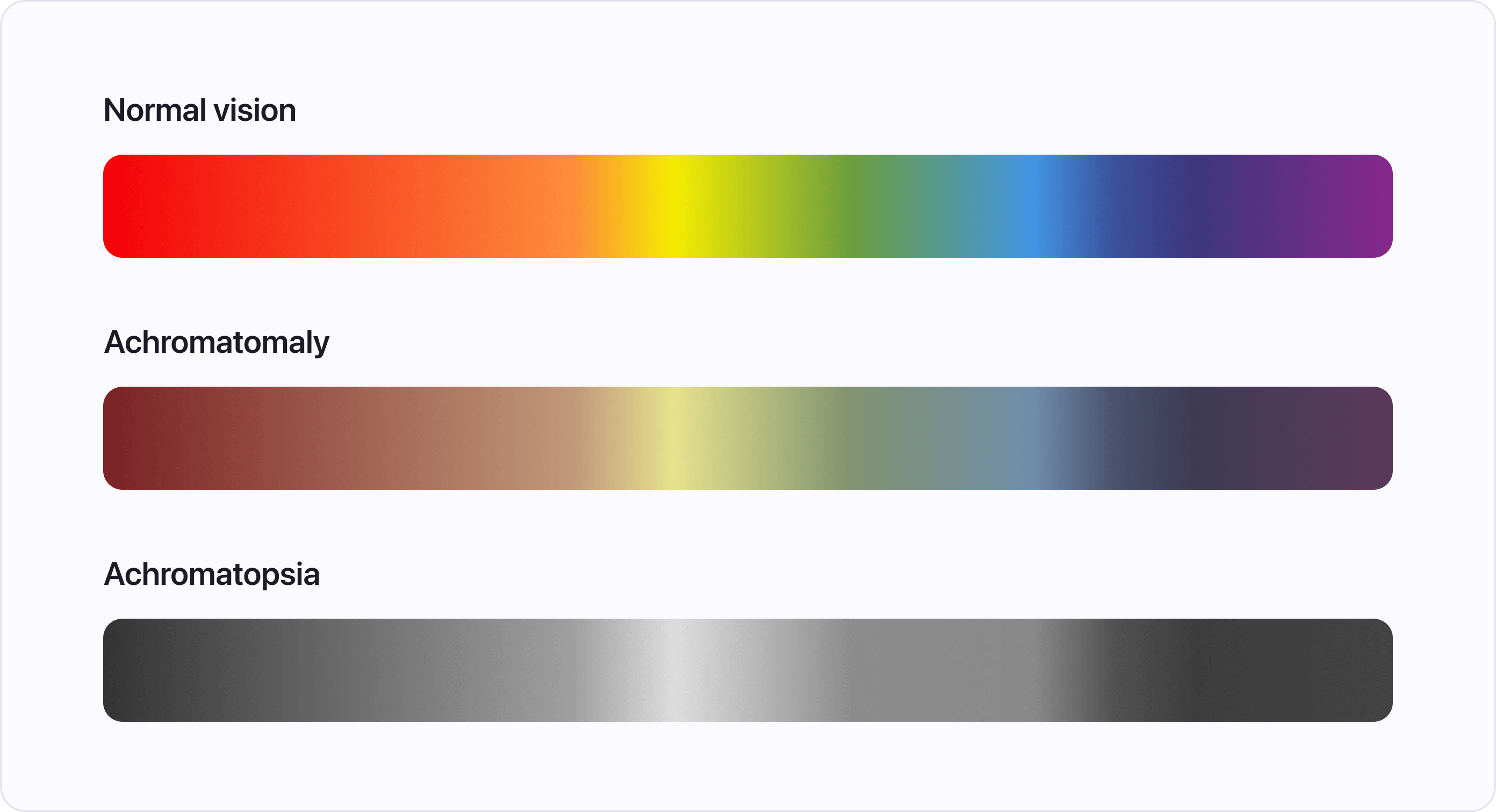
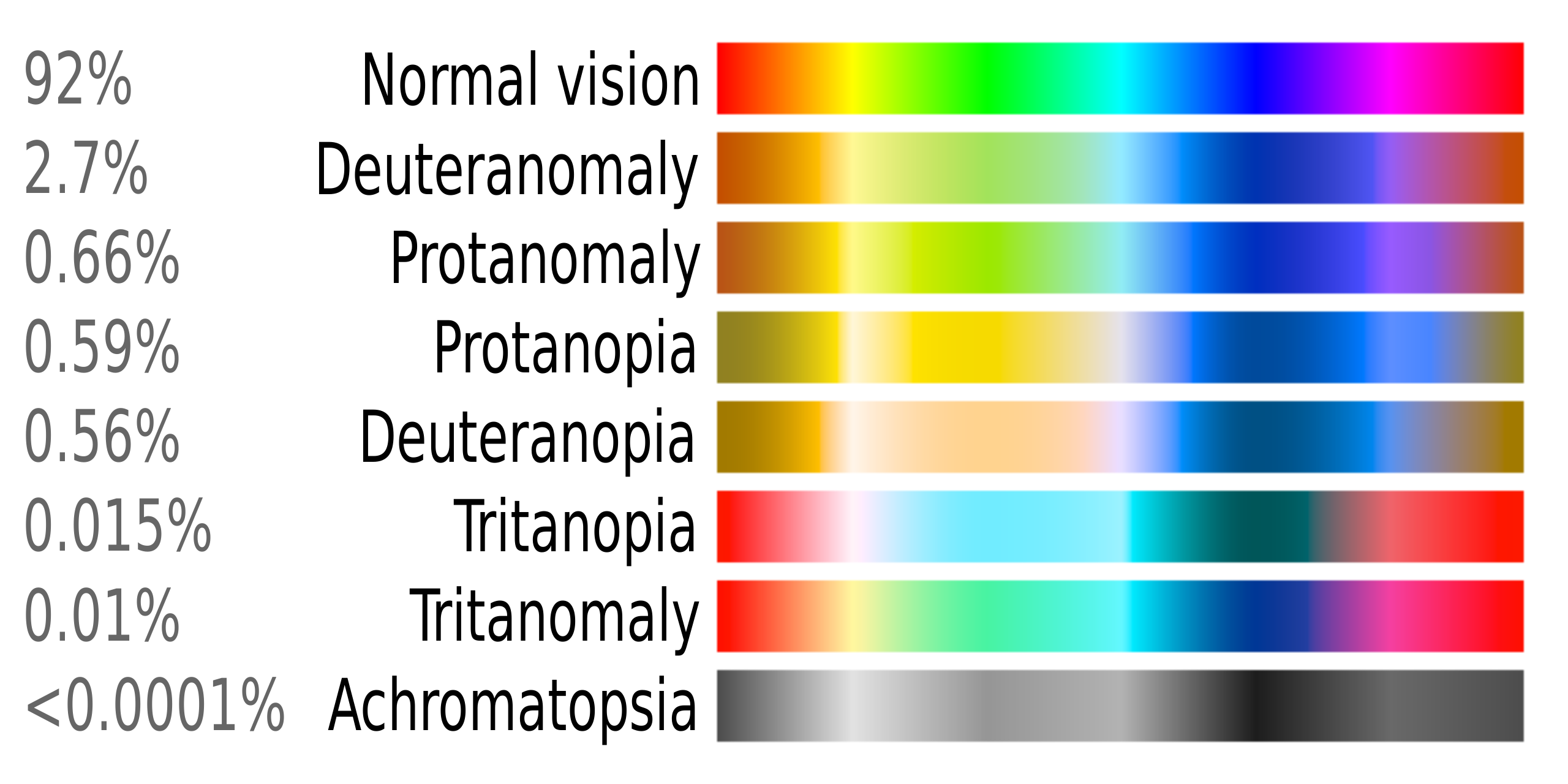
Color blindness, or more accurately, color vision deficiency, affects approximately 1 in 12 men and 1 in 200 women worldwide. Because the condition ranges from mild "color weakness" to a total inability to see color, a "one-size-fits-all" approach to correction is ineffective. The process must be tailored to the specific photopigment deficiency of the individual.
1. Professional Diagnosis: The Essential First Step
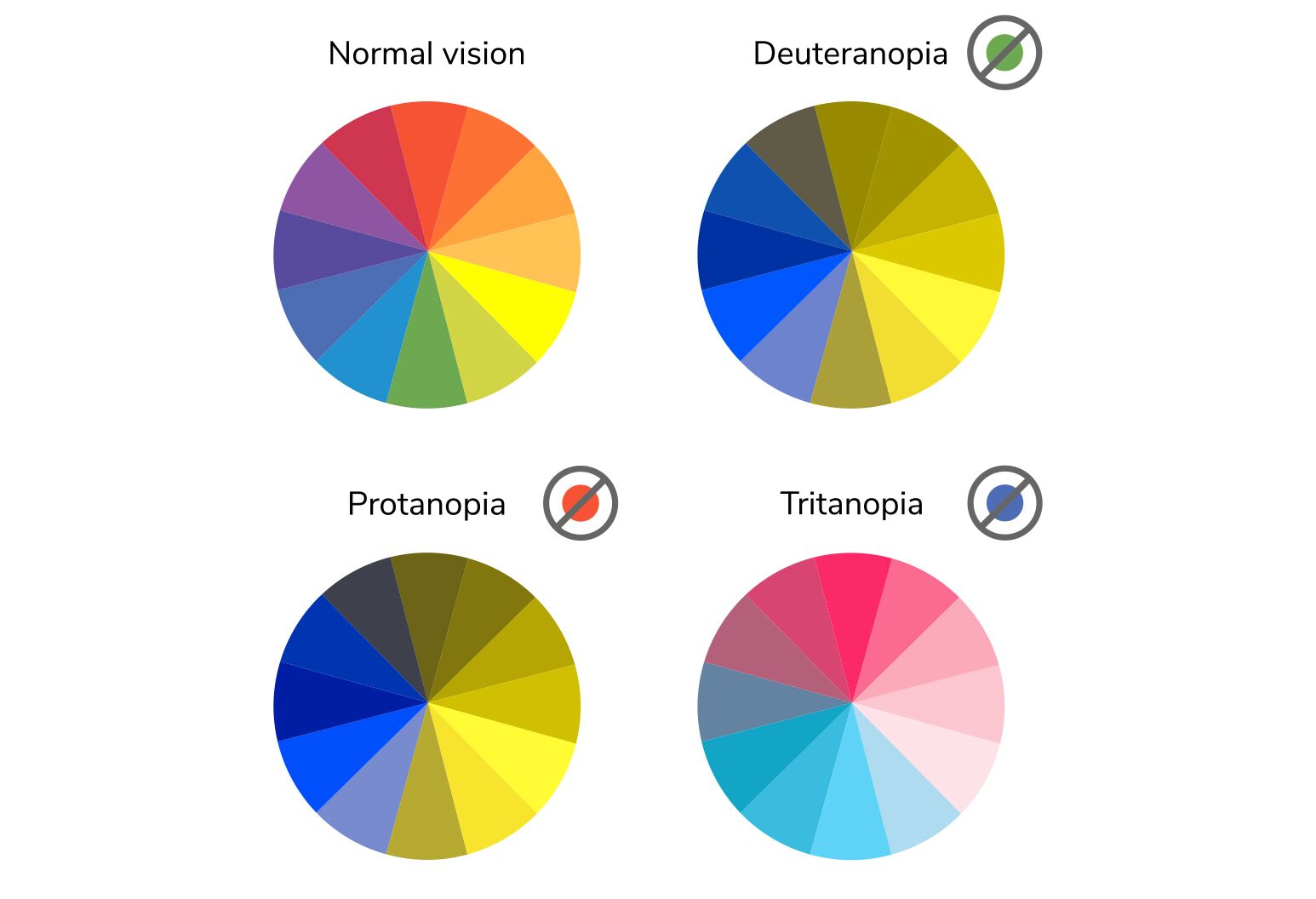
Before investigating corrective products, you must obtain a precise diagnosis from an optometrist or ophthalmologist. Self-administered online tests can provide a preliminary indication, but they are limited by screen calibration and ambient lighting. A clinical evaluation determines the specific type and severity of the deficiency, which is critical because a filter designed for red-green blindness (deuteranopia) will not assist someone with blue-yellow blindness (tritanopia).
Clinical Testing Methods
Professional clinics typically employ several standardized tests to map your visual profile:
- Ishihara Pseudoisochromatic Plates: The most common screening tool, consisting of a circle of dots appearing randomized in color and size. Within the pattern are dots which form a number or shape visible to those with normal color vision and invisible, or difficult to see, for those with a deficiency.
- Farnsworth-Munsell 100 Hue Test: This requires the patient to arrange colored pegs in a continuous spectrum. It is highly effective at determining the exact type of color blindness and the degree of severity.
- Anomaloscope: Often considered the "gold standard" for diagnosis, this device requires the user to match a circular field of light composed of two different colors by adjusting the proportions of red and green light. It can distinguish between protan (red-deficient) and deutan (green-deficient) anomalies with high precision.
2. Understanding Optical Correction: How Glasses Work
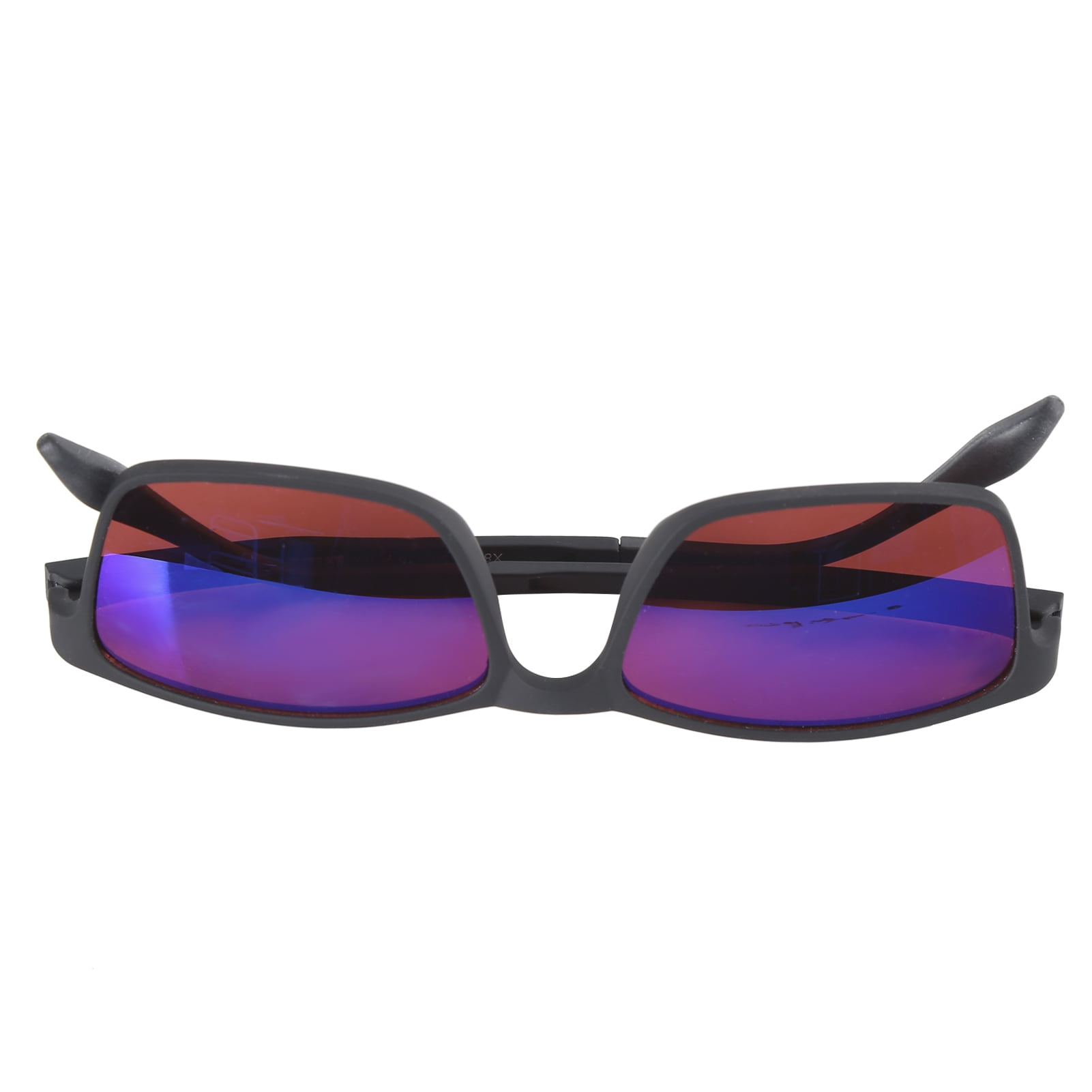
The most prevalent method for correcting color vision in 2026 involves specialized optical filters, popularly known as "color blind glasses." It is a common misconception that these glasses "add" color to the world. Instead, they function through a process of selective absorption.
The Science of Notch Filtering
In individuals with red-green color blindness, the sensitivity of the M-cones (green) and L-cones (red) overlaps significantly more than in individuals with standard vision. This overlap creates a "confusion zone" where the brain cannot distinguish between wavelengths, leading to a muted or muddy perception of color.
Leading manufacturers like EnChroma and Pilestone utilize "notch filters." These lenses contain sophisticated multi-layer coatings that target the specific wavelengths of light where the overlap occurs. By "cutting out" or suppressing these confusion wavelengths, the lenses increase the contrast between the remaining red and green signals. This allows the brain to perceive a wider and more vibrant gamut of colors.
Adaptation Periods
Optical correction is not always instantaneous. Users often require a "neural adaptation" period ranging from 15 minutes to several days of consistent wear. During this time, the visual cortex adjusts to the new chromatic signals. Furthermore, these glasses are highly dependent on lighting conditions; most are designed for bright, natural sunlight, as the filtering process inherently reduces the amount of light reaching the eye.
3. Contact Lenses and Discrete Correction
For those who prefer not to wear glasses or require correction for athletic or professional reasons, contact lenses offer a discrete alternative.
X-Chrome and Chromagen Lenses
Historically, the X-Chrome lens was the primary option, consisting of a red-tinted contact lens worn in only one eye (the non-dominant eye). This creates a disparity in brightness and color signals between the two eyes, which the brain interprets as a difference in hue.
In 2026, more advanced options like Chromagen lenses are available. These can be customized with specific tints based on the patient's individual deficiency. Unlike the monocular X-Chrome approach, modern Chromagen lenses are often worn in both eyes and can be integrated with a patient’s standard refractive prescription (for myopia or hyperopia).
Limitations of Contact Lenses:
- Depth Perception: Monocular lenses can occasionally interfere with stereopsis (depth perception), making them unsuitable for certain high-precision tasks.
- Aesthetics: Some lenses may give the eye a slightly reddish or darkened appearance, though modern manufacturing has minimized this effect.
- Professional Restrictions: Certain professions (such as commercial aviation or maritime signaling) have strict regulations regarding the use of corrective filters during official color vision testing.
4. Digital Compensation and Software Solutions
For many, the primary challenge of color blindness occurs in the workplace, specifically when interacting with digital interfaces, charts, and spreadsheets. Fortunately, software-based "correction" is now a standard feature in most operating systems.
Operating System Accessibility
- Windows and macOS: Both platforms include "Color Filters" within their accessibility settings. These features apply a system-wide digital overlay that shifts the color palette. For example, a "Deuteranopia" filter will shift greens toward blue or yellow to make them distinguishable from reds.
- Mobile Platforms (iOS and Android): Smartphones offer similar "Color Accommodations." These are particularly useful for interpreting app icons, map directions, and UI elements that rely on color coding.
Browser Extensions and Specialized Software
For web browsing, extensions such as Colorblindly or Dalton allow users to simulate different types of color blindness to test web accessibility or apply real-time filters to web content. For creative professionals, software like Adobe Photoshop includes built-in soft-proofing tools that allow designers to see how their work appears to those with various types of CVD, ensuring that their designs remain accessible.
5. Medical Frontiers: The Status of Gene Therapy in 2026
The only potential "cure" for color blindness lies in gene therapy. As of 2026, medical research has transitioned from successful primate trials to focused human clinical trials.
Adeno-Associated Virus (AAV) Vectors
The primary method involves injecting an adeno-associated virus (AAV) vector into the subretinal space. This vector carries the genetic code for the missing photopigments (typically the L-cone or M-cone opsins). Once the viral vector enters the existing cone cells, it provides the "instructions" necessary for the cells to begin producing the correct pigments.
Current Availability
While groundbreaking, gene therapy is not yet a mainstream "correction" method for the general public in 2026. It is currently reserved for:
- Clinical Trial Participants: Patients enrolled in FDA-sanctioned trials for conditions like Achromatopsia (total color blindness) or Blue Cone Monochromacy.
- Specific Pathologies: Treatment is prioritized for patients where color blindness is a symptom of a progressive retinal disease rather than an isolated congenital trait.
The cost remains a significant barrier, with experimental ocular gene therapies often exceeding $400,000 per eye, and it is rarely covered by standard vision insurance for congenital CVD.
Comparison of Color Blindness Correction Methods
| Method | Primary Use Case | Effectiveness | Estimated Cost (2026) | Portability |
|---|---|---|---|---|
| Corrective Glasses | Outdoor/Bright environments | High (Contrast enhancement) | $200 – $600 | High |
| Contact Lenses | Discrete use, sports | Moderate (Signal disparity) | $300 – $800 | High |
| Digital Filters | Computer work, gaming | High (Palette shifting) | Free (Built-in OS) | Limited to devices |
| Mobile Apps | On-the-go identification | Moderate (Reference tool) | Free – $20/year | High (via Phone) |
| Gene Therapy | Biological restoration | High (Experimental) | $400k+ (Trials only) | Permanent |
6. Financial Considerations and Insurance
Navigating the costs of color blindness correction can be challenging, as many insurance providers categorize color-corrective eyewear as "cosmetic" or "elective" rather than "medically necessary."
- Vision Insurance: Most standard plans (like VSP or EyeMed) do not cover the full cost of EnChroma or similar lenses. However, if the lenses include a refractive prescription for nearsightedness or farsightedness, the insurance may cover the "frame and base lens" portion, leaving the patient to pay the premium for the color-correcting coating.
- HSA/FSA Eligibility: In many jurisdictions, color-corrective glasses are considered an eligible expense for Health Savings Accounts (HSA) or Flexible Spending Accounts (FSA), provided they are prescribed by a licensed eye care professional to treat a diagnosed medical condition (CVD).
- Employer Accommodations: Under various disability acts (such as the ADA in the United States), employers may be required to provide "reasonable accommodations" for color-blind employees. This often takes the form of specialized software licenses or monitor filters rather than personal eyewear.
FAQs
Can color blind glasses "cure" my color blindness permanently?
No. Color blind glasses are an assistive device, much like a hearing aid. They do not change the underlying biology of your eyes or your genetic makeup. When you remove the glasses, your color perception returns to its baseline state. They are designed to manage the symptoms, not cure the condition.
Do color blind glasses work for everyone?
No. Their effectiveness depends heavily on the type of deficiency. They are most effective for "anomalous trichromats" (people who have all three types of cones, but one is misaligned). They are generally ineffective for "dichromats" (people missing one type of cone entirely) or those with "achromatopsia" (total color blindness), as there is no signal overlap for the filter to act upon.
Are there specific occupations that allow the use of corrective lenses?
Many safety-critical roles have strict "no-filter" policies. The Federal Aviation Administration (FAA), for example, generally prohibits the use of color-corrective lenses during official color vision testing for pilots. Similarly, certain roles in the military, law enforcement, and electrical engineering require natural color perception without the aid of filters. Always check industry-specific regulations.
How do I know if my child needs color blindness correction?
Children often do not realize they see colors differently. Signs include using "wrong" colors in drawings (e.g., purple grass), difficulty identifying color-coded learning materials, or a preference for high-contrast toys. A pediatric eye exam including an Ishihara test is recommended before the child starts primary school, as early diagnosis allows for educational accommodations.
Is blue-yellow color blindness corrected the same way as red-green?
The mechanics are similar, but the filters are different. Blue-yellow deficiency (Tritanopia/Tritanomaly) involves the S-cones. While less common, companies do manufacture "Tritan" filters. However, because tritanopia is often acquired (due to aging, glaucoma, or chemical exposure) rather than purely genetic, a medical consultation is vital to rule out underlying health issues.
Practical Recommendations for Next Actions
To approach color blindness correction effectively in 2026, begin by scheduling a comprehensive eye exam that specifically includes an anomaloscope test. Avoid purchasing "universal" color-corrective glasses online without a confirmed diagnosis of your specific cone deficiency type (Protan vs. Deutan).
Once diagnosed, start with low-cost digital solutions by enabling the accessibility filters on your smartphone and computer to see if palette shifting improves your daily productivity. If you find these helpful and desire a solution for the physical world, look for manufacturers that offer a 60-day trial period for optical glasses. Because neural adaptation varies between individuals, having the ability to test the glasses in your own environment (home, work, or nature) is the only way to determine if the financial investment provides a meaningful improvement to your quality of life.
Image Gallery