Complete Guide to Maritime Jobs in the United States
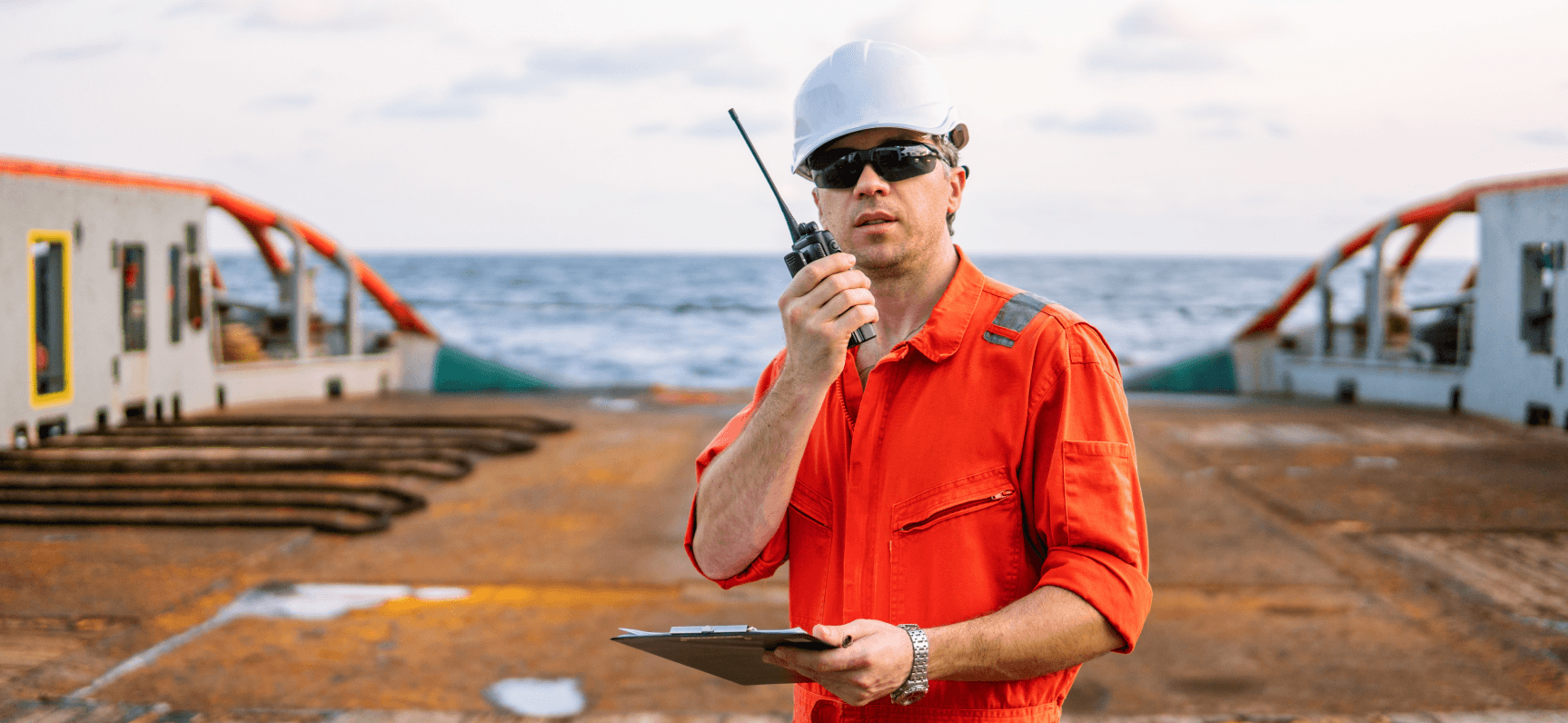
Maritime jobs in the United States encompass a diverse array of professional roles focused on vessel operations, port management, and offshore resource development. These positions range from shipboard crew members like captains and en...
Maritime jobs in the United States encompass a diverse array of professional roles focused on vessel operations, port management, and offshore resource development. These positions range from shipboard crew members like captains and engineers to shoreside professionals in logistics and naval architecture. Most roles require federal certifications, including a Merchant Mariner Credential and a TSA-issued identification card.
Contents
Understanding the US Maritime Industry Landscape
The United States maritime industry is a critical pillar of the national economy, facilitating approximately 90% of international trade and supporting millions of jobs. In 2026, the sector continues to be defined by the Merchant Marine Act of 1920, commonly known as the Jones Act. This federal statute requires that all goods transported by water between US ports be carried on vessels that are US-built, US-owned, and crewed by US citizens or permanent residents.
This regulatory framework ensures a steady demand for domestic mariners and protects the stability of the US seafaring workforce. The industry is generally divided into shipboard (at-sea) and shoreside (land-based) operations. Shipboard roles are further categorized by the environment in which they operate: deep-sea international trade, coastal "brown water" navigation, inland river systems, and the rapidly expanding offshore renewable energy sector.
Shipboard Departments: The Crew Hierarchy
Working aboard a vessel requires a highly structured chain of command. Whether on a massive container ship or a specialized offshore supply vessel (OSV), the crew is typically divided into three primary departments.
The Deck Department
The Deck Department is responsible for navigation, cargo handling, and the overall safety and maintenance of the ship's exterior and hull.
- Licensed Officers: This includes the Captain (Master), who has ultimate authority over the vessel, and the Mates (Chief, Second, and Third). Mates are responsible for standing watches, navigating using radar and ECDIS (Electronic Chart Display and Information System), and overseeing deck hands.
- Unlicensed Ratings: The Able Seaman (AB) and Ordinary Seaman (OS) perform the physical labor of the ship. Their duties include lookout watches, steering the vessel under the direction of an officer, performing "chipping and painting" maintenance, and managing mooring lines during docking.
The Engineering Department
Engineers maintain the complex mechanical and electrical systems that keep the ship moving and habitable.
- Licensed Engineers: Led by the Chief Engineer, this group includes the First, Second, and Third Assistant Engineers. In 2026, these professionals increasingly manage sophisticated dual-fuel engines (LNG/Diesel) and hybrid-electric propulsion systems designed to meet updated international carbon-intensity standards.
- Unlicensed Ratings: Positions such as Qualified Member of the Engine Department (QMED), Oilers, and Wipers assist with machinery lubrication, fuel transfers, and general engine room cleanliness.
The Steward Department
Often overlooked but vital for morale, the Steward Department manages the "hotel" aspects of the ship. This includes the Chief Steward, Chief Cook, and Galleymen. On large commercial vessels, they are responsible for nutritional planning, food preparation, and maintaining the cleanliness of living quarters for crews that may be at sea for months at a time.
Major Sectors of the American Maritime Economy
The type of maritime job a person pursues often depends on the specific sector of the industry they enter. Each sector offers different schedules, pay scales, and technical requirements.
Inland Waterways and Tug Operations
The US has an extensive network of navigable rivers, most notably the Mississippi, Ohio, and Missouri systems. Jobs here typically involve Tugboats and Towboats pushing long strings of barges carrying grain, coal, or petroleum products.
- Schedule: Often "hitch-based," such as 28 days on and 28 days off.
- Advantage: Mariners are usually within reach of land and have more frequent home time compared to deep-sea sailors.
Offshore Energy and Renewables
Historically dominated by oil and gas in the Gulf of Mexico, the 2026 maritime landscape is heavily influenced by Offshore Wind Energy. This sector requires specialized vessels, including Wind Turbine Installation Vessels (WTIVs) and Service Operation Vessels (SOVs).
- Roles: Dynamic Positioning (DP) operators are in high demand here. These are specialized officers trained to hold a vessel in a fixed position using computer-controlled thrusters, which is essential for working alongside offshore structures.
Deep-Sea and International Trade
This is the traditional "Merchant Marine" experience. Mariners work on massive tankers, Ro-Ro (Roll-on/Roll-off) vehicle carriers, and container ships.
- Roles: These positions often require STCW (Standards of Training, Certification, and Watchkeeping) endorsements, as these vessels travel through international waters and must comply with International Maritime Organization (IMO) regulations.
Essential Credentials and Federal Requirements
Entering the maritime workforce in the US is not as simple as applying for a job; it requires rigorous federal vetting and certification. All professional mariners must possess specific documents issued by government agencies.
- Transportation Worker Identification Credential (TWIC): Issued by the Transportation Security Administration (TSA), this is a security clearance required for anyone needing unescorted access to secure areas of port facilities and vessels.
- Merchant Mariner Credential (MMC): Issued by the US Coast Guard (USCG) National Maritime Center, the MMC is a consolidated document that lists a mariner’s qualifications, including their rating (e.g., Ordinary Seaman) and any specialized endorsements.
- Medical Certificate: Mariners must pass a physical exam (Form CG-719K) to prove they are fit for the rigorous physical demands of life at sea, including vision, hearing, and cardiovascular health.
- Drug Testing: The US maritime industry maintains a strict zero-tolerance policy. Mariners are subject to pre-employment, periodic, and random drug testing under Department of Transportation (DOT) regulations.
Shoreside Maritime Careers
Not all maritime jobs require going to sea. The "blue economy" supports a massive shoreside infrastructure that manages the business and technical side of shipping.
- Port Operations and Logistics: Terminal Managers and Stevedores oversee the loading and unloading of ships. They coordinate with trucking and rail companies to ensure the global supply chain remains fluid.
- Marine Engineering and Naval Architecture: These professionals design the vessels of the future. In 2026, there is a significant focus on retrofitting existing fleets with carbon-capture technology and designing zero-emission ferry systems for urban transit.
- Maritime Law and Insurance: Given the international nature of shipping, specialists in maritime law (Admiralty Law) handle contracts, environmental compliance, and cargo disputes.
- Vessel Traffic Services (VTS): Similar to air traffic controllers, VTS operators monitor ship movements in busy harbors like New York, Houston, and Long Beach to prevent collisions.
Maritime Job Comparison Table
The following table compares common maritime roles based on typical entry requirements and work environments as of 2026.
| Role | Department | Minimum Education/Entry | Typical Environment |
|---|---|---|---|
| Deckhand (OS) | Deck | MMC (Entry Level), TWIC | On deck; high physical labor; all weather. |
| Third Mate | Deck | Bachelor’s (Maritime Academy) or "Hawsepipe" | Bridge-based; navigation and cargo watch. |
| QMED | Engine | Sea time + USCG Exam | Engine room; high heat; mechanical repair. |
| Chief Engineer | Engine | Advanced License + Years of Experience | Management of all technical ship systems. |
| Marine Surveyor | Shoreside | Technical Degree or Senior Officer Exp. | Port-based; inspecting ships for safety. |
| Vessel Agent | Shoreside | High School / Vocational | Office/Port; coordinating ship arrivals. |
Compensation, Work-Life Balance, and 2026 Outlook
Maritime careers are often sought after for their high earning potential and unique "time-off" structures. Because mariners live where they work, they do not have daily commutes.
Salary Trends: Entry-level deckhands on inland tugs can earn between $45,000 and $60,000 annually, while senior licensed officers on deep-sea vessels often exceed $150,000 to $200,000 per year. According to the Bureau of Labor Statistics, the demand for water transportation occupations remains steady, with specialized growth in the renewable energy support sector.
Work-Life Balance: The most significant challenge is the "away" time. A typical deep-sea mariner may work for 90 days and then have 90 days of vacation. This "equal time" schedule allows for extended periods of rest but requires significant personal sacrifice during the working months. In 2026, many companies have improved satellite internet connectivity (LEO satellite constellations), allowing mariners to stay in constant contact with their families, which has greatly improved mental health and retention in the industry.
Frequently Asked Questions
Do I need a college degree to work in the maritime industry?
No, a degree is not strictly required for all roles. Many mariners start as entry-level "Ordinary Seamen" and "work their way up the hawsepipe" by accumulating sea time and passing USCG exams. However, attending one of the seven State or Federal Maritime Academies (like the US Merchant Marine Academy) allows graduates to start immediately as Third Mates or Third Assistant Engineers.
What is the difference between the Merchant Marine and the Navy?
The Navy is a military branch focused on national defense and combat operations. The Merchant Marine consists of civilian-owned commercial vessels that carry cargo and passengers. While Merchant Mariners can be called upon by the Maritime Administration (MARAD) to support military sealift operations during wartime, they are generally private-sector employees.
How long does it take to get a Merchant Mariner Credential (MMC)?
The application process typically takes between two and four months. This includes the time required for a background check, physical examination, and the processing of paperwork by the National Maritime Center. Delays can occur if the applicant's medical history requires additional review or if the application is incomplete.
Are maritime jobs physically dangerous?
Working at sea involves inherent risks, including heavy machinery, moving cargo, and unpredictable weather. However, the industry is strictly regulated by OSHA and USCG safety standards. In 2026, the use of automated sensors and drone inspections has further reduced the need for crew members to enter dangerous confined spaces or perform high-risk manual checks.
Can women find successful careers in the US maritime industry?
Absolutely. In 2026, there is a concerted effort across the industry to increase diversity. Organizations and unions have implemented robust policies to ensure a safe and inclusive working environment. Women now hold positions at every level, from entry-level deckhands to Captains of some of the world's largest cruise ships and tankers.
Practical Recommendation for Aspiring Mariners
If you are interested in a maritime career, the first step is to obtain your TWIC card, as this is a prerequisite for nearly all other credentials. Simultaneously, schedule a USCG-approved physical exam to ensure you meet the medical standards before investing in further training. For those seeking a long-term professional career with the highest earning potential, researching the State Maritime Academies (California, Maine, Massachusetts, New York, Texas, and the Great Lakes) is the most efficient path to obtaining an officer's license.
Image Gallery