Cable Internet in Nashville: 2026 Pricing, Availability, and Market Uncertainties
As of 2026, cable internet in Nashville remains the most widely accessible high-speed connection type, dominated primarily by Xfinity (Comcast) with localized availability from Spectrum. While fiber-optic expansion has increased, cable...
As of 2026, cable internet in Nashville remains the most widely accessible high-speed connection type, dominated primarily by Xfinity (Comcast) with localized availability from Spectrum. While fiber-optic expansion has increased, cable internet serves approximately 95% of the Metro Nashville area, with monthly pricing ranging from $30 for entry-level tiers to $120 for multi-gigabit speeds.
Contents
The State of Nashville’s Cable Infrastructure in 2026
The Nashville telecommunications landscape has undergone significant transformation over the last several years. While the city is often highlighted as a hub for fiber innovation due to the presence of Google Fiber and AT&T Fiber, cable internet—delivered via Hybrid Fiber-Coaxial (HFC) networks—remains the backbone for the majority of residents in Davidson County. In 2026, the primary technology utilized is DOCSIS 3.1, with significant "mid-split" upgrades allowing for higher upload speeds than were previously possible.
Comcast, operating under the Xfinity brand, holds the largest market share in the urban core, including neighborhoods like East Nashville, Germantown, and the Gulch. Spectrum (Charter Communications) serves specific segments of the surrounding Nashville area, particularly in the northern and eastern suburbs approaching Goodlettsville and Mt. Juliet. The reliability of these networks has improved as providers have integrated more fiber nodes closer to residential blocks, reducing the "neighborhood slowdown" effect common in older cable architectures.
2026 Pricing Structures and Service Tiers
Pricing for cable internet in Nashville is highly competitive but remains subject to "introductory period" structures. Residents often find that the most aggressive pricing is available to those who live in "fiber-overlap zones"—neighborhoods where cable providers must compete directly with Google Fiber or AT&T.
Standard Residential Pricing Tiers
| Tier Name | Typical Download Speed | Typical Upload Speed | 2026 Promotional Price | Regular "Rack" Rate |
|---|---|---|---|---|
| Starter/Connect | 100 - 200 Mbps | 20 - 30 Mbps | $30 - $35 | $60 - $70 |
| Performance/Fast | 400 - 500 Mbps | 50 - 100 Mbps | $50 - $60 | $85 - $95 |
| Blast/Superfast | 800 - 1000 Mbps | 100 - 200 Mbps | $70 - $85 | $105 - $115 |
| Gigabit Plus | 1200 - 2000 Mbps | 200 - 300 Mbps | $90 - $110 | $130 - $145 |
Note: Prices reflect standalone internet service. Bundling with mobile or streaming services often reduces the monthly internet cost by $10–$20.
Hidden Costs and Fees
In addition to the base monthly rate, Nashville consumers should account for several recurring costs:
- Equipment Rentals: Gateway/Modem rentals typically cost between $15 and $18 per month. Many Nashville residents opt to purchase their own DOCSIS 3.1 or 4.0 modems to eliminate this fee.
- Professional Installation: Standard setup fees in the Metro area range from $50 to $100, though self-installation kits are frequently offered for free.
- Broadband Consumer Labels: Per FCC regulations, providers must now display "nutrition labels" for every plan, detailing all fees, data allowances, and latency metrics before a customer signs a contract.
Availability and the "Digital Divide" in Davidson County
While 95% of Nashville has access to some form of cable internet, availability is not uniform. The density of high-speed infrastructure follows historical development patterns, leading to variances in service quality across the city.
High Availability Zones
Neighborhoods like Sylvan Park, 12 South, and Green Hills feature robust cable infrastructure. In these areas, the network has been modernized to support symmetrical or near-symmetrical speeds to compete with fiber. If you are moving to a new development in The Nations or North Capitol, cable service is almost guaranteed to be pre-wired into the building.
Low Availability and Service Gaps
Despite Nashville's growth, certain "pockets of uncertainty" remain. Older sections of North Nashville and rural stretches of Joelton or Antioch sometimes suffer from older "line-end" infrastructure. In these locations, users may experience higher latency during peak hours (6:00 PM to 10:00 PM) when local network traffic spikes. Furthermore, while cable is technically available, the actual delivered speeds in these zones may fall short of the advertised "Gigabit" peaks.
Market Uncertainties: Data Caps and Contractual Volatility
The "uncertainties" cited by Nashville consumers often center on three specific areas: data limits, price transparency, and the transition to DOCSIS 4.0.
The Persistence of Data Caps
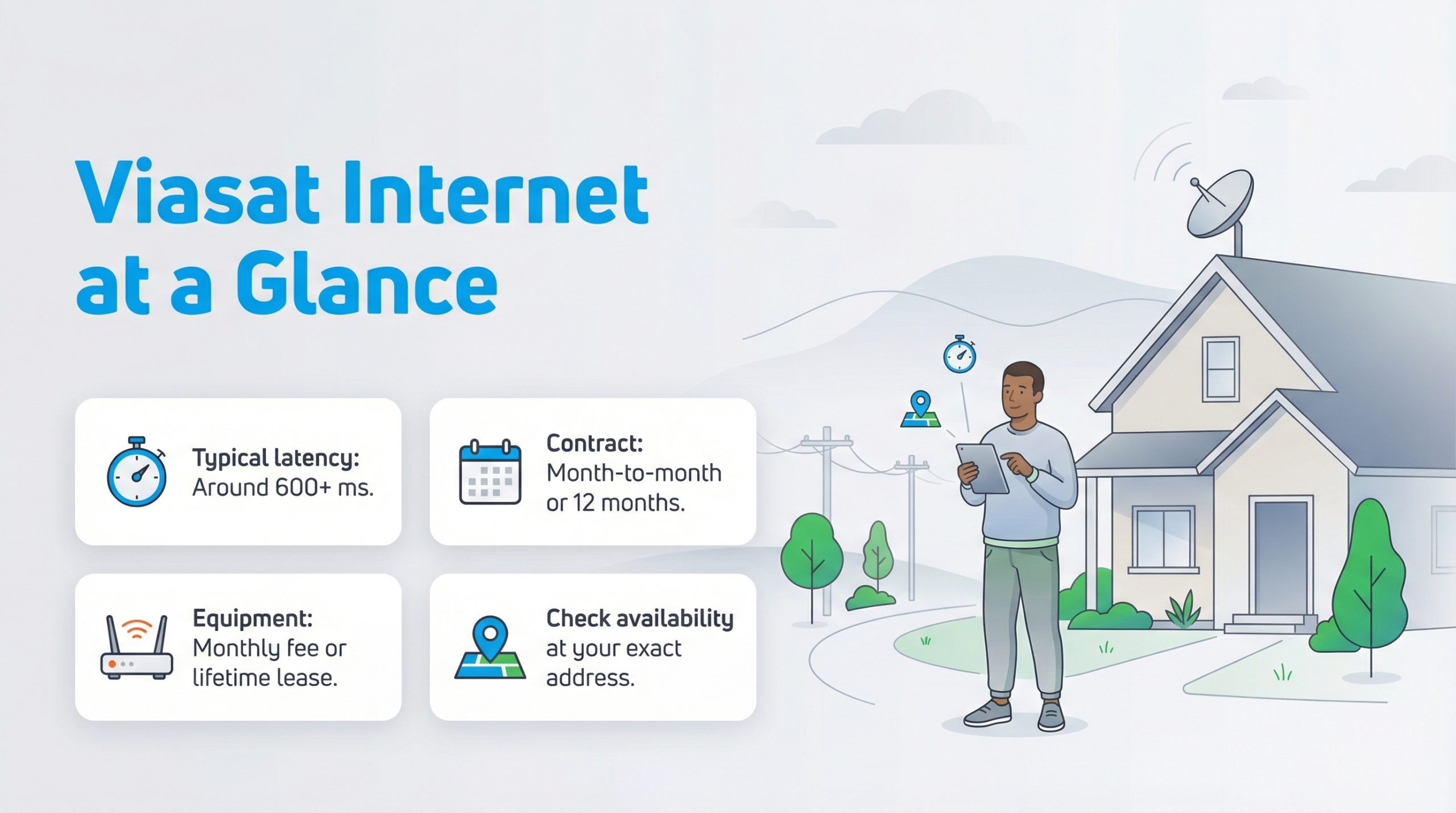
In 2026, Xfinity continues to implement a data cap (typically around 1.2 TB per month) in the Nashville market. For households with multiple 4K streaming devices, remote workers, or gamers, this cap is a significant point of uncertainty. Exceeding the limit results in overage charges, or requires a $25–$30 monthly add-on for "Unlimited Data." In contrast, Spectrum generally does not impose data caps, but their footprint within the Nashville city limits is significantly smaller.
The Promotional Pricing Cliff
The most common grievance among Nashville residents is the "price cliff." Most cable plans are sold on a 12-month or 24-month promotional contract. Once this period expires, rates can increase by 30% to 50% without warning. Consumers are encouraged to set reminders to renegotiate their contracts or switch providers to maintain lower rates.
The DOCSIS 4.0 Rollout Uncertainty
The industry is currently transitioning from DOCSIS 3.1 to DOCSIS 4.0, which promises symmetrical multi-gigabit speeds that rival fiber. However, the rollout in Nashville has been staggered. Some neighborhoods have the upgraded nodes required for these speeds, while others are still years away. This creates a "tier-lottery" where two neighbors on different streets might pay the same price for vastly different upload capacities.
Comparing Cable to Local Alternatives
In Nashville, cable internet does not exist in a vacuum. Its value proposition is defined by how it stacks up against fiber and the burgeoning 5G Home Internet market.
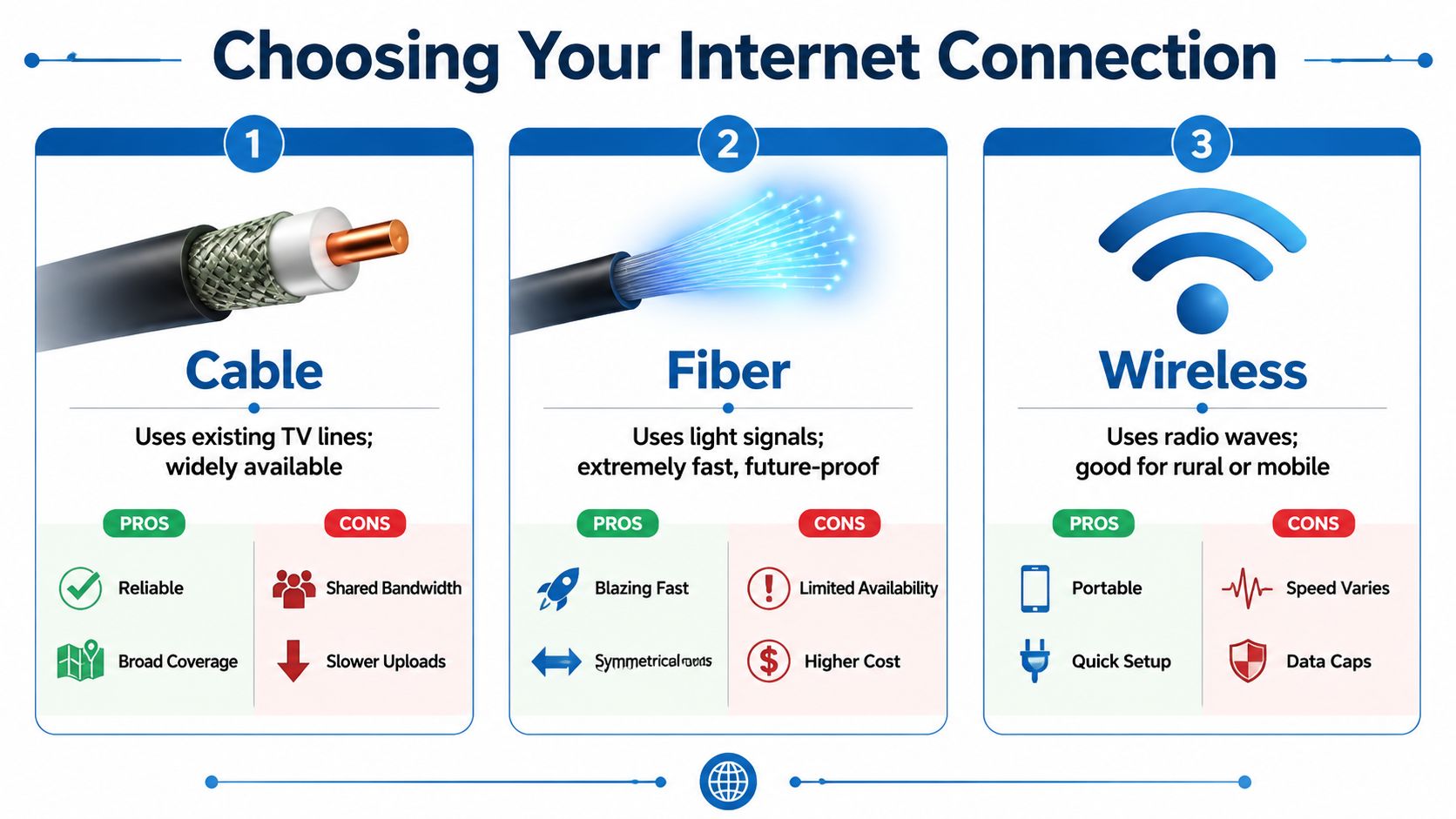
- Cable vs. Fiber: Fiber (AT&T/Google) offers symmetrical speeds (same upload and download) and generally lower latency. However, fiber availability is still limited in many older apartment complexes and historic districts where "digging once" is difficult. Cable remains the "default" because it utilizes existing coaxial lines.
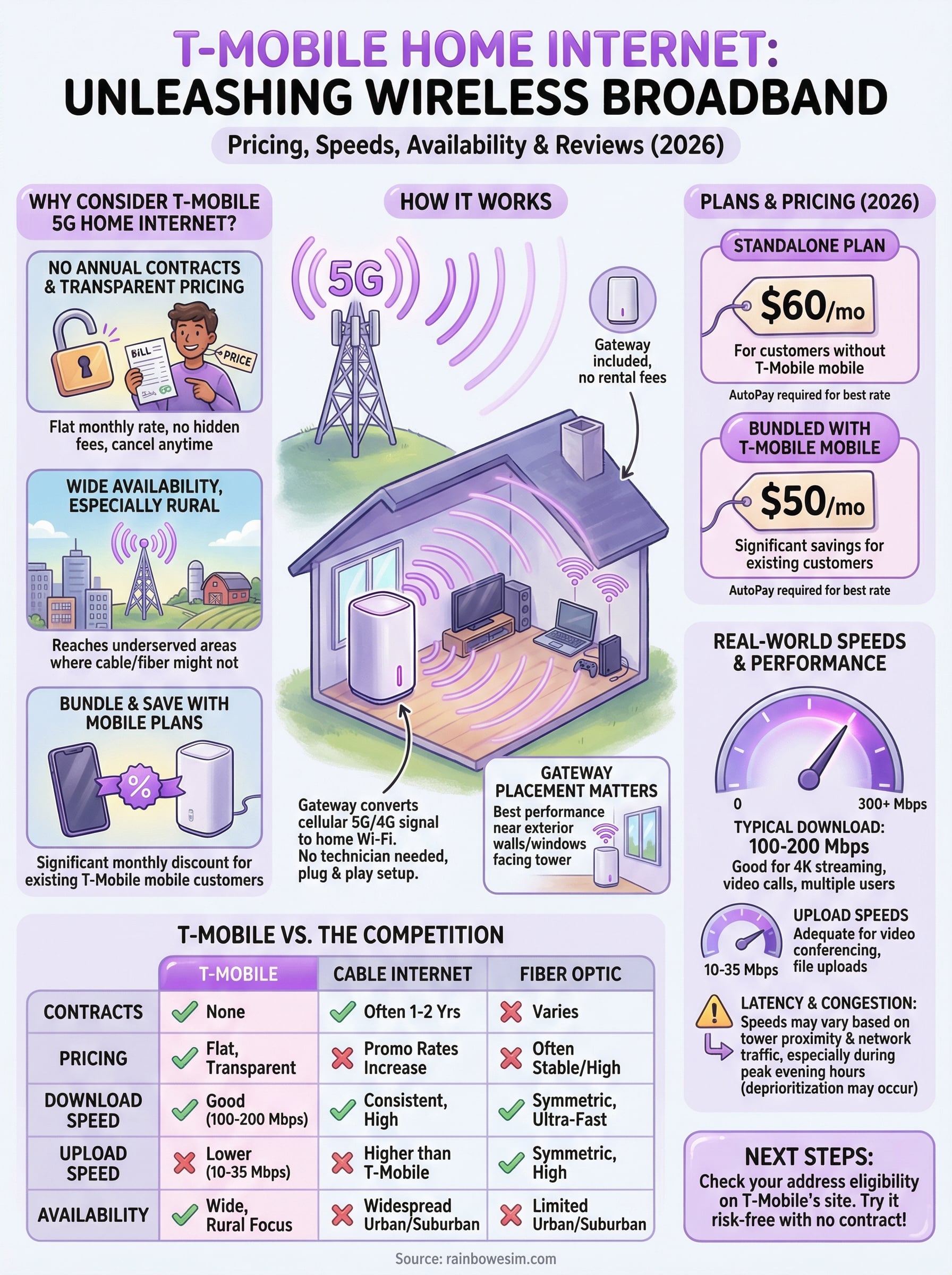
- Cable vs. 5G Home Internet: Services from T-Mobile and Verizon 5G have become popular in Nashville neighborhoods like Donelson and Madison. While 5G is often cheaper ($50 flat), it is less stable for gaming or large file transfers compared to the hardwired reliability of Nashville’s cable networks.
Troubleshooting and Local Performance Issues
Nashville’s unique geography and climate can impact cable internet performance. The city’s heavy limestone bedrock makes underground line repairs difficult, often leading to longer outages during infrastructure failures.
- Weather Sensitivity: While cable is generally shielded, Nashville’s frequent spring storms and high humidity can affect older outdoor "taps" and junctions. If your internet drops during heavy rain, it usually indicates a breach in the coaxial shielding on the line running from the pole to your house.
- Historic Home Wiring: In neighborhoods like Edgefield or Belmont-Hillsboro, many homes have internal coaxial wiring that is decades old. This wiring is often insufficient for 2026 gigabit speeds, leading to signal "noise" and frequent modem restarts. Upgrading to a modern "Home Run" line (a direct line from the exterior box to the modem) is a common recommendation for residents in these districts.
Frequently Asked Questions
What is the average cost of internet in Nashville for 2026?
The average Nashville resident pays approximately $75 per month for cable internet. This average includes those on promotional $35 plans and those paying $110 for premium high-speed tiers with unlimited data.
Does Nashville have a data cap on cable internet?
Yes, for the majority of the city served by Xfinity, a 1.2 TB monthly data cap is standard. Spectrum users in the Nashville suburbs typically do not have a cap. You can monitor your usage through the provider's mobile app to avoid overage fees.
Is cable internet better than 5G Home Internet in Nashville?
For most users, cable is superior for reliability and latency. If you work from home, participate in video calls, or play online games, the wired connection of cable is more consistent. 5G is a viable, lower-cost alternative for casual browsing and single-person households.
Can I get cable internet in rural Davidson County?
Availability in rural areas like Joelton or parts of Whites Creek is hit-or-miss. While major roads are usually covered, long driveways may require significant "line extension" costs, which can range from a few hundred to several thousand dollars.
How do I avoid the price increase after my first year?
The most effective method is to contact the provider’s "Retention Department" 30 days before your promotion expires. In Nashville's competitive market, providers are often willing to extend a new promotion if there is a competing fiber or 5G service available at your address.
Recommendation for Nashville Residents
If you are seeking the most reliable high-speed option and fiber is not currently available at your specific address, Xfinity's Mid-Tier (400-800 Mbps) plans offer the best balance of price and performance for 2026. For those living in areas with Spectrum availability, their lack of data caps makes them the preferred cable choice for high-bandwidth households. Always verify the "Nutrition Label" for your specific address on the provider’s website before committing to a contract, and prioritize using your own modem and router to save on long-term equipment costs.
Image Gallery