Thouxanbanfauni Net Worth Explained: The Financial Legacy of an Underground Legend
As of 2026, Thouxanbanfauni’s net worth is estimated to be between $1.5 million and $2.5 million. This valuation is driven by his prolific output as an independent artist, consistent streaming royalties from a massive back-catalog, int...
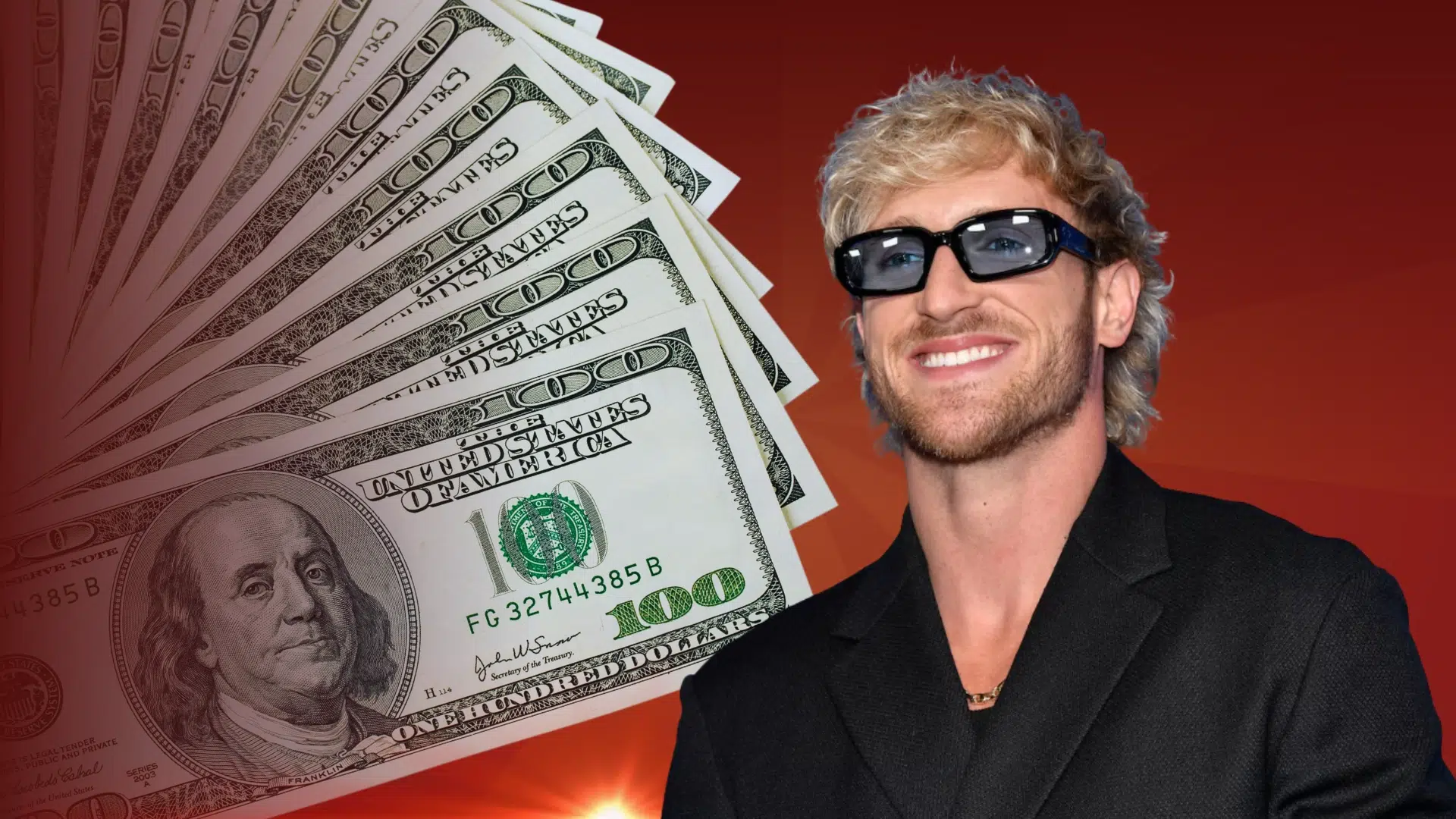
As of 2026, Thouxanbanfauni’s net worth is estimated to be between $1.5 million and $2.5 million. This valuation is driven by his prolific output as an independent artist, consistent streaming royalties from a massive back-catalog, international touring revenue, and high-margin merchandise sales supported by a dedicated global fan base.
Contents
Thouxanbanfauni, born Jahanux Taheer Walker, remains one of the most influential figures to emerge from the "SoundCloud Rap" era of the mid-2010s. Unlike many of his peers who sought the immediate validation of major label contracts, Fauni has largely navigated the music industry through independent channels or strategic distribution partnerships. This path has allowed him to retain a significantly higher percentage of his master recordings and publishing rights, which are the primary engines behind his sustained financial stability in 2026.
The Foundations of Jahanux Walker’s Wealth
To understand the net worth of Thouxanbanfauni, one must look past traditional record sales and toward the economics of the modern independent artist. Born in Chattanooga, Tennessee, and raised in the fertile musical grounds of Atlanta, Georgia, Walker began building his brand around 2013. By 2015, he was a central figure in a movement that prioritized direct-to-consumer engagement via SoundCloud.
His financial trajectory is characterized by "slow-burn" equity. While mainstream artists may receive large upfront advances that must be repaid to labels, independent artists like Fauni earn smaller, more frequent payments that they keep in full. By 2026, his catalog—which includes hundreds of tracks across various mixtapes, EPs, and studio albums—generates a passive income stream that forms the bedrock of his wealth.
Streaming Royalties and Digital Assets
Streaming remains the primary source of recurring revenue for Thouxanbanfauni. Across platforms like Spotify, Apple Music, and YouTube, his tracks continue to garner millions of monthly plays. In the music industry, 1 million streams typically translate to roughly $3,000 to $4,500 in payouts, depending on the platform and the listener's geographic location.
Given that Fauni has several "underground anthems" with tens of millions of plays, his annual streaming revenue likely sits in the mid-six-figure range. Because he often works without a major label taking a 60–80% cut, his "take-home" pay per stream is significantly higher than that of a signed artist at a similar level of popularity.
Touring and Live Performance Revenue
For an artist with a "cult" following, live performances are the most lucrative short-term income generators. Thouxanbanfauni has maintained a rigorous touring schedule for over a decade. By 2026, he has transitioned from small club dates to headlining mid-sized venues and securing high-billing slots at international festivals like Rolling Loud.
A single headlining show for an artist of Fauni’s stature can command a guarantee ranging from $10,000 to $25,000, plus a percentage of ticket sales and merchandise. During a 30-city tour, gross earnings can easily exceed $500,000 before expenses. Furthermore, festival appearances often pay even higher premiums, providing a significant boost to his annual liquid assets.
The Independent Business Model vs. Major Label Deals
A critical factor in the "Thouxanbanfauni net worth explained" narrative is his refusal to succumb to the "360 deal" structure prevalent in the late 2010s. A 360 deal allows a label to take a cut of touring, merchandise, and even acting roles. By avoiding these, Fauni has kept his revenue streams siloed and protected.
He has utilized distribution companies like EMPIRE or DistroKid at various stages of his career. These entities provide the necessary infrastructure to get music onto global platforms without claiming ownership of the artist's intellectual property. This distinction is vital: as his catalog ages, its value increases as a long-term asset, which can eventually be leveraged for a massive "catalog sale" if he chooses—a trend common among established artists in 2026.
Revenue Stream Breakdown (Estimated)
| Revenue Source | Estimated Annual Share | Key Drivers |
|---|---|---|
| Digital Streaming | 40% | Spotify, Apple Music, YouTube back-catalog |
| Touring & Festivals | 35% | Live performances, appearance fees |
| Merchandise | 15% | Limited drops, physical media (Vinyl/CDs) |
| Features & Production | 10% | Collaborations with emerging artists |
Strategic Diversification: Merchandise and Physical Media
Merchandise for Thouxanbanfauni is not merely an afterthought; it is a core component of his brand identity. His aesthetic, often blending DIY punk sensibilities with high-fashion influences, resonates with a demographic that values "limited edition" items.
In 2026, the market for physical media has seen a resurgence among collectors. Fauni has capitalized on this by releasing limited-run vinyl pressings and specialized apparel. These items often have high profit margins—sometimes exceeding 300%—and sell out almost instantly due to his loyal fan base. This "scarcity model" ensures that his merchandise revenue remains a stable pillar of his total net worth.
Key Discography Milestones and Their Financial Impact
The growth of Jahanux Walker’s wealth can be traced through his most successful releases. Each project expanded his reach and increased his "per-track" value.
- The ExFiles (2017): This project helped solidify his presence in the mainstream underground, leading to increased booking fees and higher visibility.
- Requiem (2018): Further expanded his international audience, particularly in Europe and Asia, opening up new touring markets.
- Clairvoyance (2020): Widely considered a creative peak, this album's polished sound led to more significant playlisting on streaming services, driving up monthly listener counts.
- Time of My Life (2022) & Subsequent 2020s Releases: These projects demonstrated his longevity, proving he could navigate the post-SoundCloud landscape and maintain a profitable career into the mid-2020s.
Challenges to Net Worth Growth
While Fauni’s financial status is healthy, it is not without its variables. Independent artists bear the full weight of their overhead costs. Touring expenses—including travel, security, lighting, and sound crews—can consume up to 40% of gross tour revenue. Additionally, as an independent entity, he is responsible for his own marketing and legal fees, which are essential for protecting his trademarks and copyrights.
Furthermore, the volatility of streaming algorithms means that an artist must remain active to maintain their revenue levels. Fauni has countered this by maintaining a high work ethic, frequently releasing singles and "loose" tracks to keep his audience engaged between major project cycles.
The Future of Thouxanbanfauni's Financial Portfolio
Looking toward the late 2020s, Walker’s net worth is poised for continued growth through asset appreciation. As "SoundCloud Rap" becomes a nostalgic era for the next generation, the value of early recordings from that period is expected to rise.
Possible avenues for expansion include:
- Direct Investment: Many artists in 2026 invest in tech startups or real estate to diversify their music earnings.
- Label Ownership: Launching a boutique label to sign and distribute younger artists using his established infrastructure.
- Expanded Fashion Lines: Moving from "merchandise" into a legitimate standalone fashion brand.
Frequently Asked Questions
What is Thouxanbanfauni’s real name?
Thouxanbanfauni’s real name is Jahanux Taheer Walker. He has often used his real name to sign legal documents and business registrations, maintaining a clear distinction between his stage persona and his professional identity.
How much does Thouxanbanfauni make per year?
While exact figures are private, based on his streaming numbers and touring frequency in 2026, his gross annual income is estimated to be between $400,000 and $700,000. After taxes and business expenses, his net take-home pay remains substantial due to his independent status.
Is Thouxanbanfauni signed to a major label?
No, as of 2026, he remains primarily independent. He has utilized various distribution deals throughout his career but has consistently avoided traditional major label contracts that would require him to relinquish his masters.
What is Thouxanbanfauni’s most profitable song?
Tracks like "Who You Are," "Wish the Worst," and "Beyond the Pine" are among his most streamed songs. Due to their longevity and high replay value, these tracks likely represent the highest-earning individual assets in his catalog.
How does he compare to other SoundCloud-era rappers financially?
Fauni occupies a "middle-tier" financial bracket. While he may not have the $50M+ net worth of a breakout superstar like Playboi Carti, he possesses significantly more wealth and career longevity than many peers who "flamed out" or became trapped in unfavorable legal battles with labels.
Final Practical Recommendation
For those analyzing the financial trajectory of independent artists like Thouxanbanfauni, the key takeaway is the value of intellectual property ownership. By retaining his masters and building a direct relationship with his audience, Walker has built a "recession-proof" career that does not rely on the whims of a corporate board.
Investors and fans alike should view his net worth not just as a static number, but as a reflection of a diversified business portfolio rooted in music, touring, and brand equity. To support independent artists and ensure their continued financial health, fans should prioritize purchasing merchandise and physical media directly from official sources, as these transactions provide the highest profit margins for the creator.
Image Gallery