Mold Remediation in Wyandanch Explained
Mold remediation in Wyandanch is a professional sequence of assessment, containment, and removal designed to eliminate fungal growth and restore indoor air quality in residential and commercial properties. In 2026, this process is stri...
Mold remediation in Wyandanch is a professional sequence of assessment, containment, and removal designed to eliminate fungal growth and restore indoor air quality in residential and commercial properties. In 2026, this process is strictly governed by New York State Labor Law Article 32, which mandates a clear separation between the licensed professional who inspects the mold and the licensed contractor who performs the cleanup.
Contents
Understanding the Necessity of Mold Remediation in Wyandanch
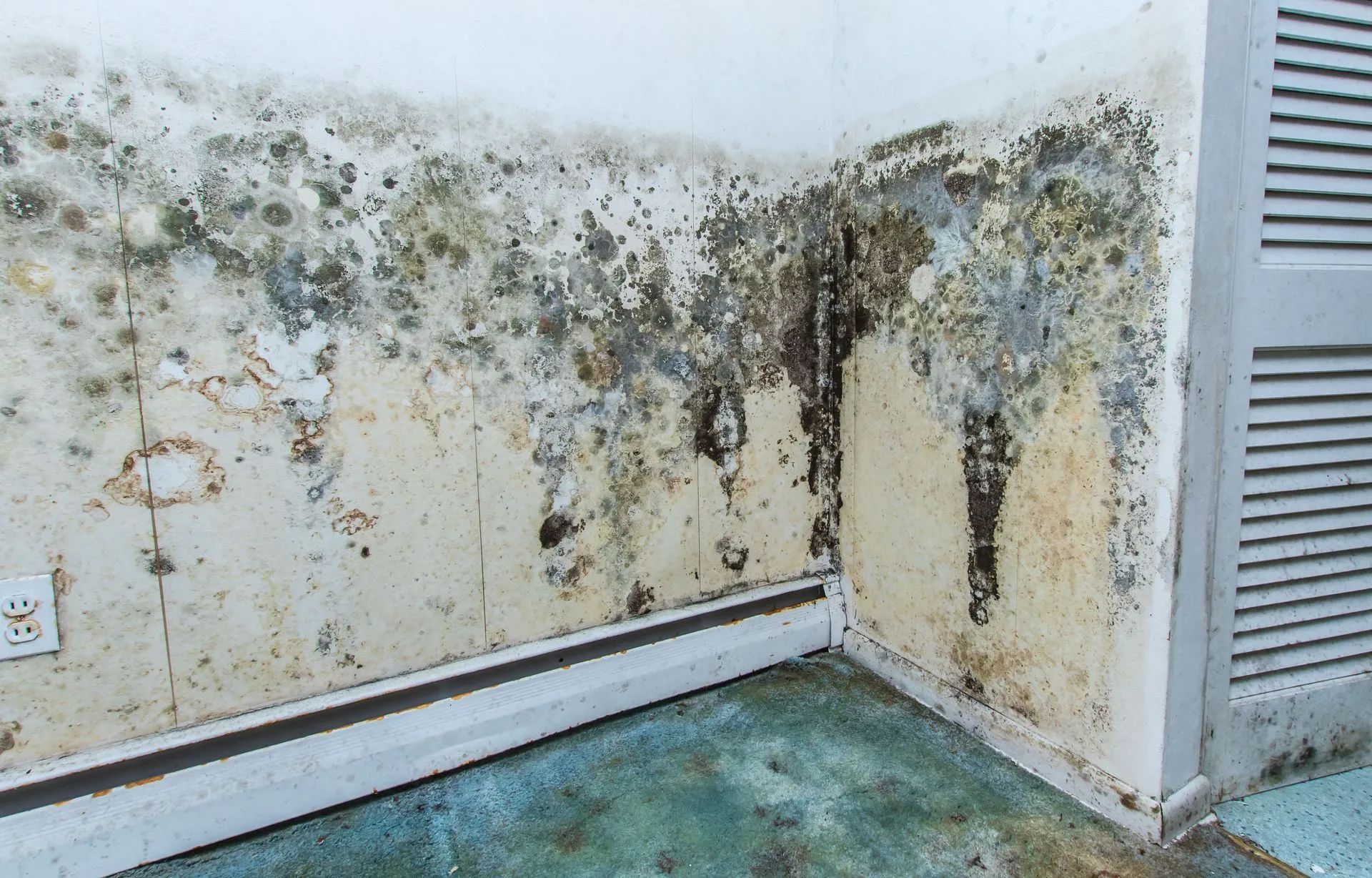
Wyandanch, situated within the Town of Babylon on Long Island, faces unique environmental challenges that contribute to mold proliferation. The combination of older housing stock, high seasonal humidity, and a relatively high water table in certain sectors of Suffolk County makes properties here particularly susceptible to moisture intrusion. Mold is not merely a cosmetic issue; it is a biological pollutant that can compromise structural integrity and pose health risks to occupants.
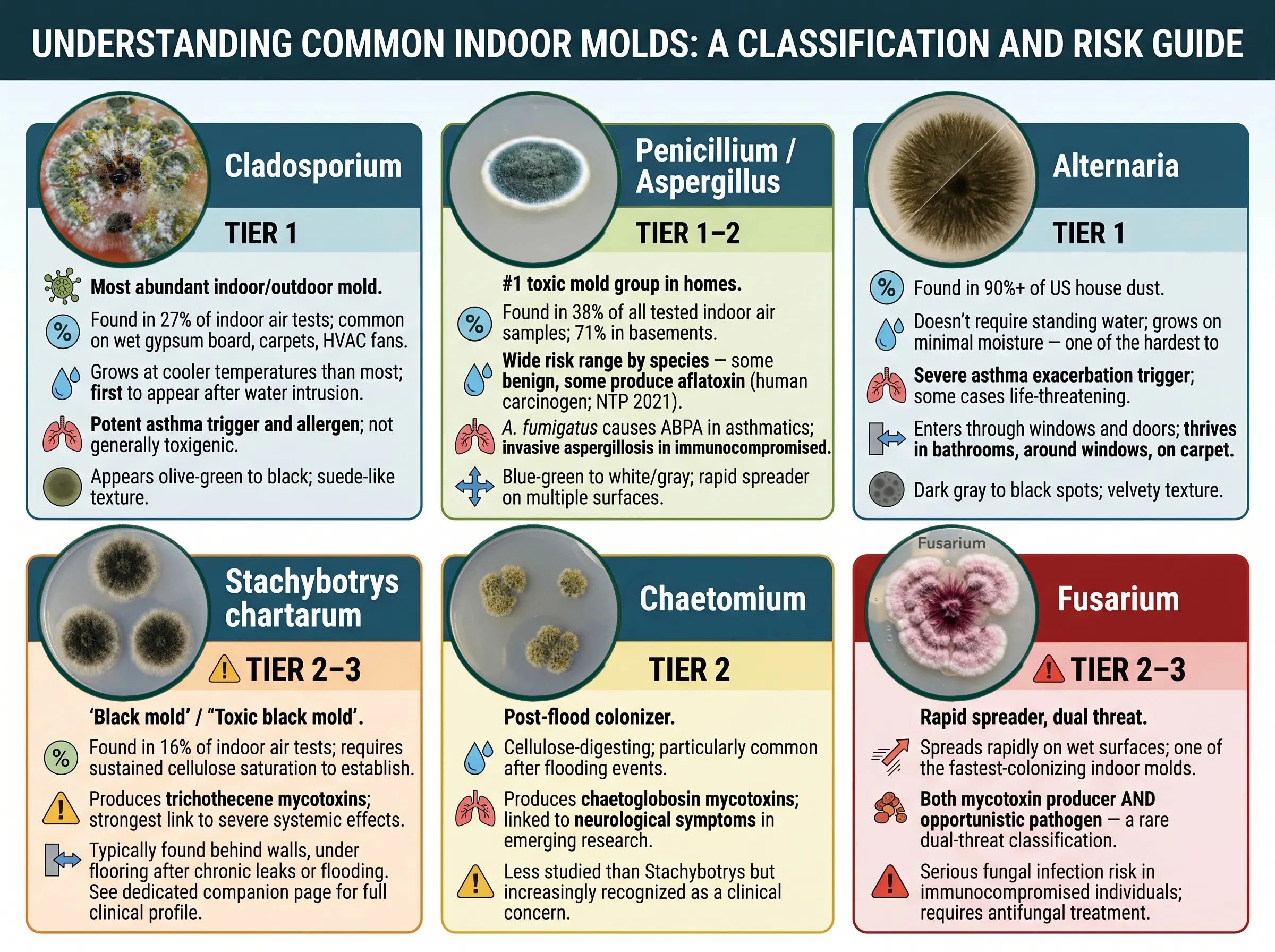
When homeowners or business owners in Wyandanch encounter "mold," they are often seeing the fruiting bodies of fungi like Aspergillus, Penicillium, or the more notorious Stachybotrys chartarum. These organisms thrive on organic substrates such as drywall paper, wood framing, and carpet backing when moisture levels exceed 60% relative humidity. Remediation is the technical process of returning these fungal levels to a "normal fungal ecology," which is the baseline level of mold spores found in the natural outdoor environment.
The process in 2026 remains focused on source control. Simply cleaning the visible mold is insufficient if the underlying moisture problem—whether a leaky roof, a cracked foundation in a basement, or poor ventilation near the Wyandanch train station development area—is not resolved. Professional remediation ensures that spores do not become airborne and migrate to unaffected areas of the building during the cleanup process.
The Legal Framework: New York State Article 32
For Wyandanch residents, understanding the legal landscape is the first step toward a successful remediation project. New York State implemented Article 32 of the Labor Law to protect consumers from predatory practices. As of 2026, the law remains the gold standard for indoor environmental safety.
The most critical component of this law is the separation of duties. A single company cannot legally perform both the mold assessment and the mold remediation on the same project. This prevents a conflict of interest where a contractor might exaggerate the scope of a problem to increase their repair bill.
- The Mold Assessor: This professional must be licensed by the New York State Department of Labor (NYSDOL). They conduct the initial inspection, perform air or surface sampling if necessary, and produce a "Remediation Plan."
- The Mold Remediator: This is a separate licensed contractor who follows the Assessor's plan. They are responsible for the actual labor, containment, and cleaning.
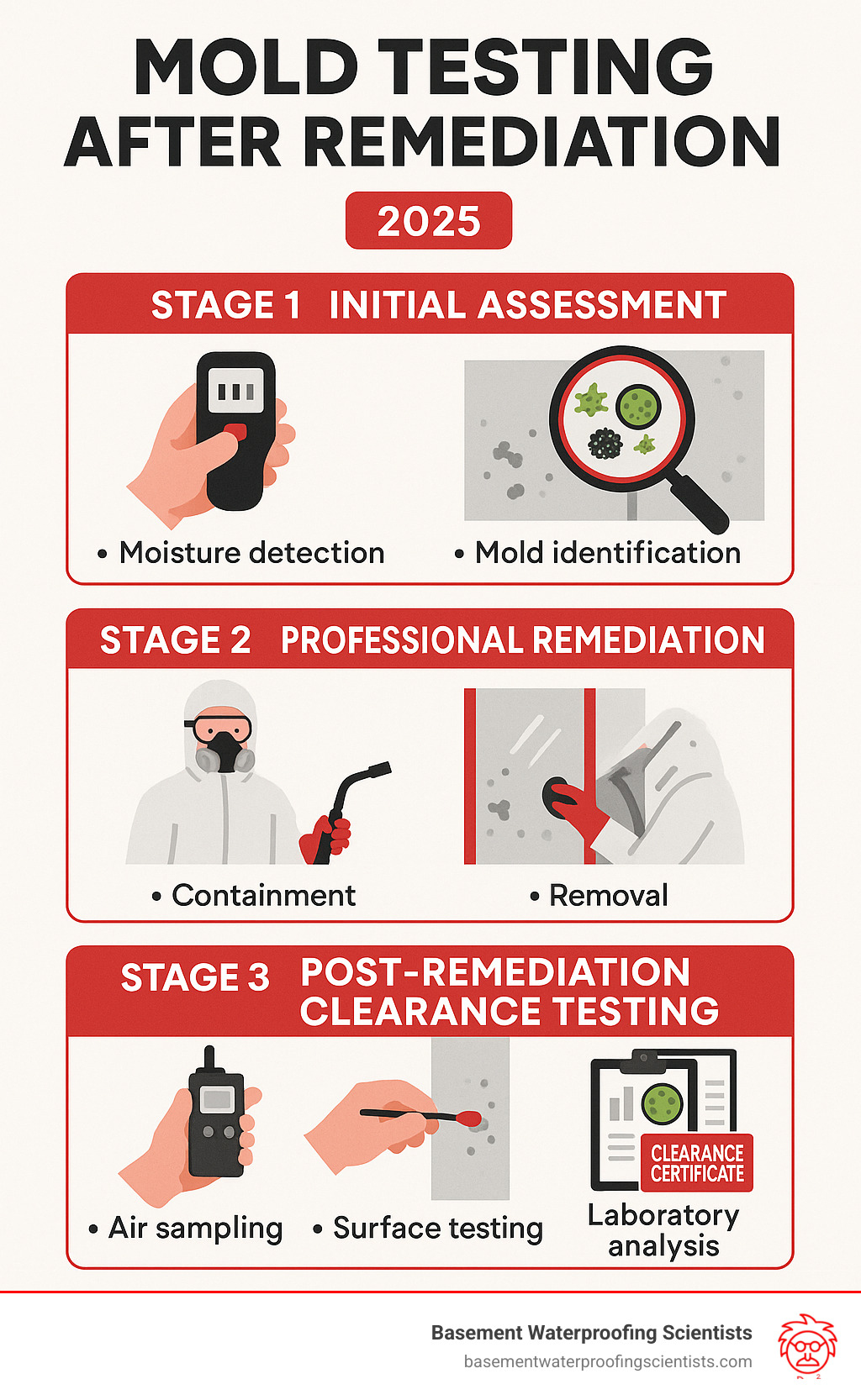
- Clearance Testing: Once the remediator finishes, the original Assessor (or another third party) must return to perform a post-remediation clearance evaluation to verify that the project was successful.
Property owners should always verify licenses through the New York State Department of Labor to ensure compliance and eligibility for insurance claims.
Key Factors Influencing Mold Growth in Wyandanch Properties
Wyandanch’s geographic and architectural profile influences how mold develops and how it must be treated. Several factors are specific to this Long Island hamlet:
High Ground Water and Basement Dampness
Many homes in the Wyandanch area feature full or partial basements. Due to the geology of central Long Island, heavy rain events can lead to hydrostatic pressure, forcing moisture through concrete slabs and foundation walls. In 2026, many properties are still dealing with the long-term effects of basement dampness, which provides a perennial breeding ground for mold if dehumidification systems are not properly maintained.
Coastal Humidity Profiles
While Wyandanch is not directly on the Great South Bay, it shares the humid continental climate of the region. During the summer months, the "salt air" and high humidity can lead to condensation on HVAC vents and windows. If a cooling system is oversized for a home, it may cool the air too quickly without removing the moisture, leading to "ghosting" or surface mold on ceilings and walls.
Aging Infrastructure and Housing Stock
Parts of Wyandanch consist of post-war housing that may lack modern vapor barriers or adequate attic ventilation. When warm, moist air from a bathroom or kitchen escapes into a cold attic, it condenses on the underside of the roof sheathing, leading to widespread structural mold that often goes unnoticed until a home inspection occurs during a real estate transaction.
The Step-by-Step Professional Remediation Process
When a professional team is hired to handle mold remediation in Wyandanch, they follow a rigorous protocol to ensure the safety of the residents and the technicians.
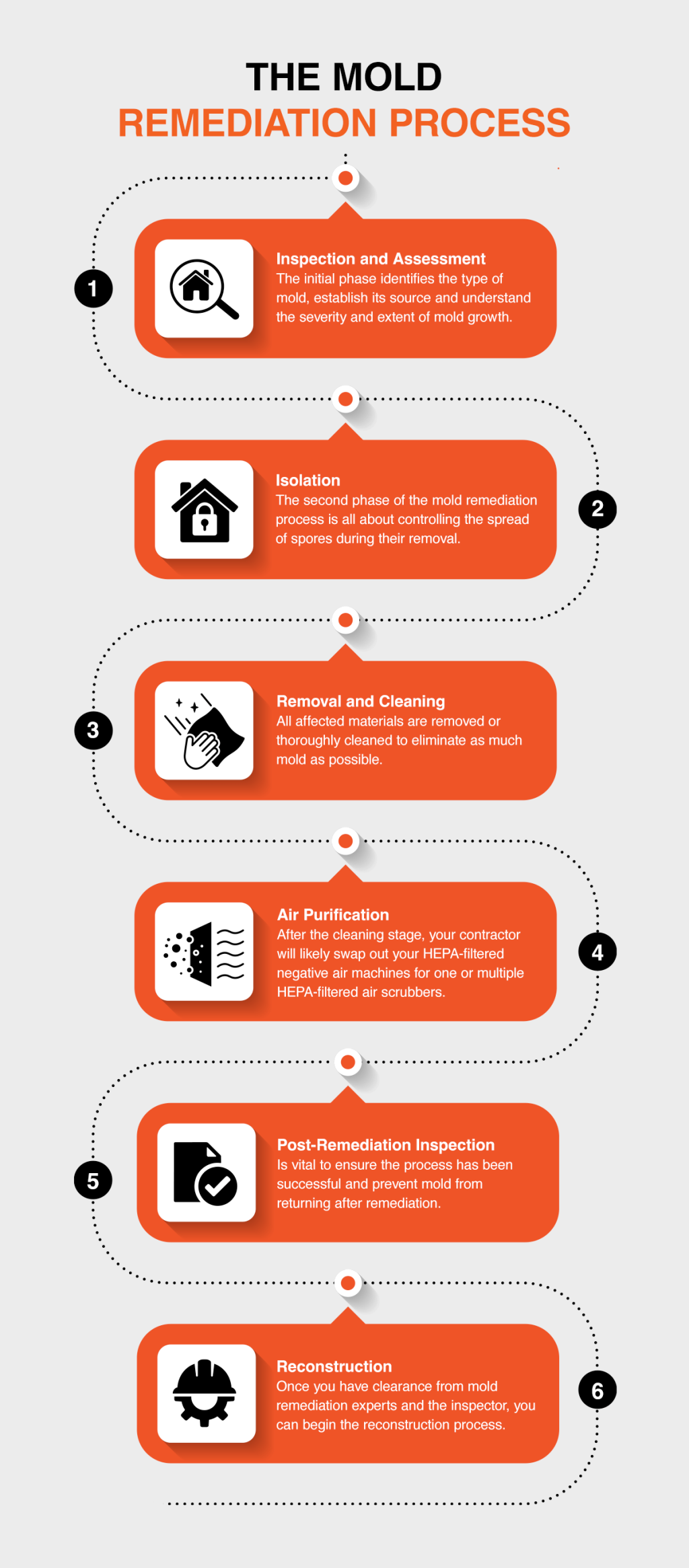
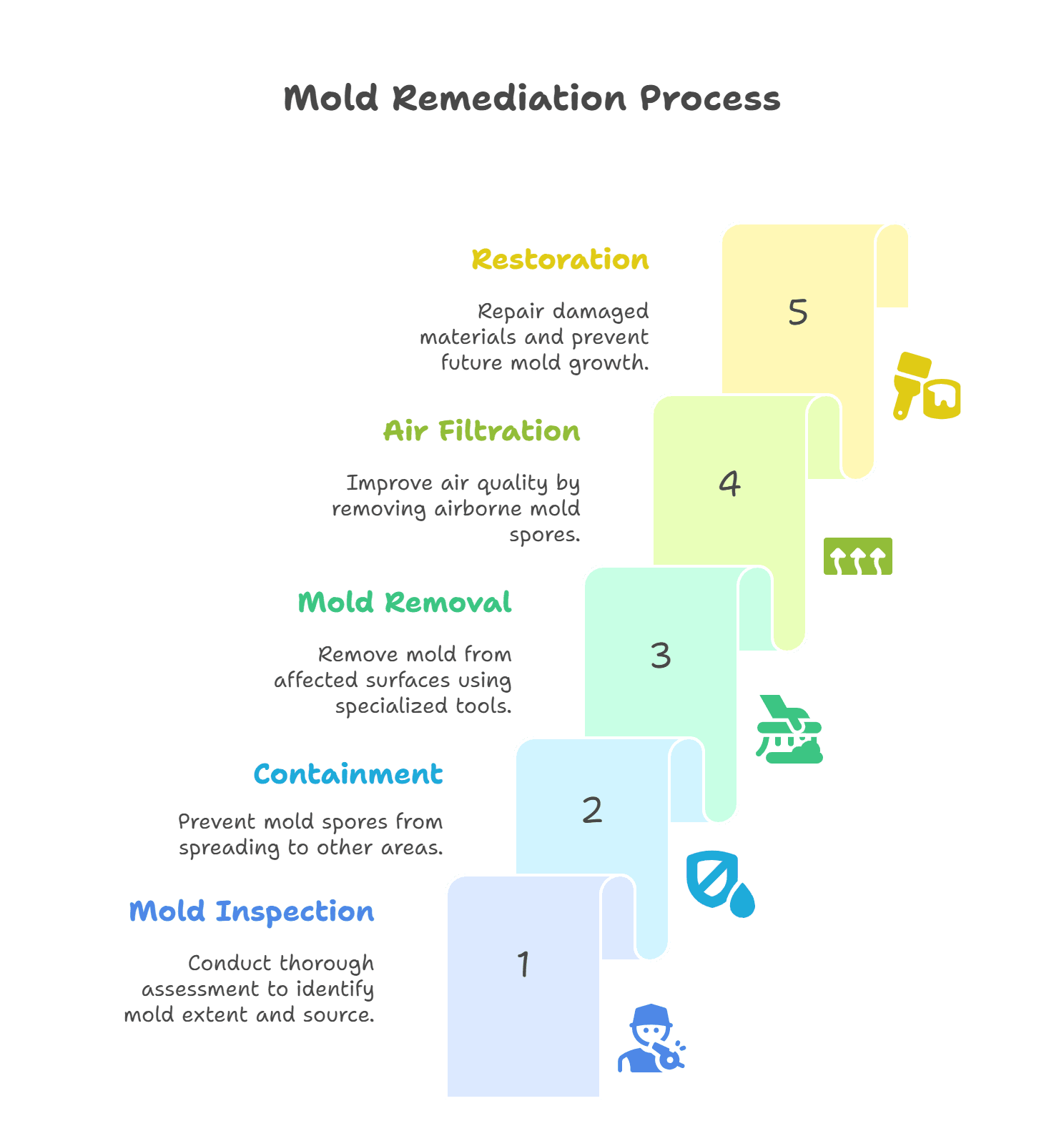
1. Assessment and Protocol Development
The process begins with the licensed assessor identifying the moisture source. They use moisture meters and infrared thermal imaging to find "hidden" leaks behind walls. The resulting remediation plan specifies the areas requiring treatment, the types of barriers needed, and the estimated quantities of material to be removed.
2. Area Containment
Before any moldy material is touched, the remediator must establish containment. This involves using 6-mil fire-retardant polyethylene sheeting to seal off the work zone from the rest of the house. In 2026, standard practice includes the use of Negative Air Machines equipped with HEPA (High-Efficiency Particulate Air) filters. These machines exhaust air outside the building, creating a vacuum effect that prevents mold spores from escaping the containment area through cracks or door frames.
3. Professional Demolition and Removal
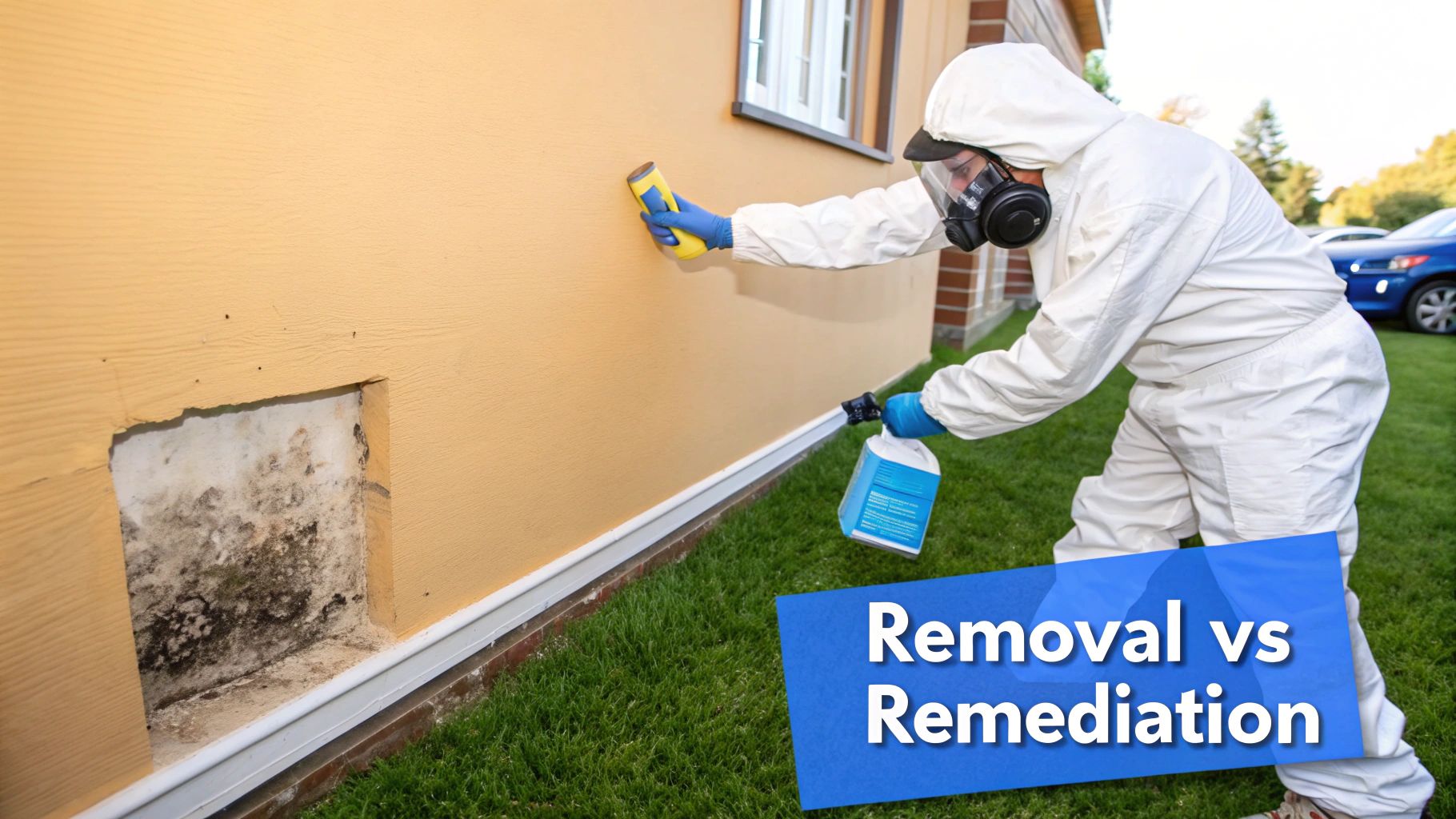
Porous materials that are heavily contaminated, such as drywall, insulation, and carpeting, generally cannot be cleaned and must be removed. Workers wear Personal Protective Equipment (PPE), including N-95 or P-100 respirators, gloves, and disposable suits. Removed materials are double-bagged in specialized waste bags and sealed before being transported through the home to prevent cross-contamination.
4. HEPA Vacuuming and Antimicrobial Cleaning
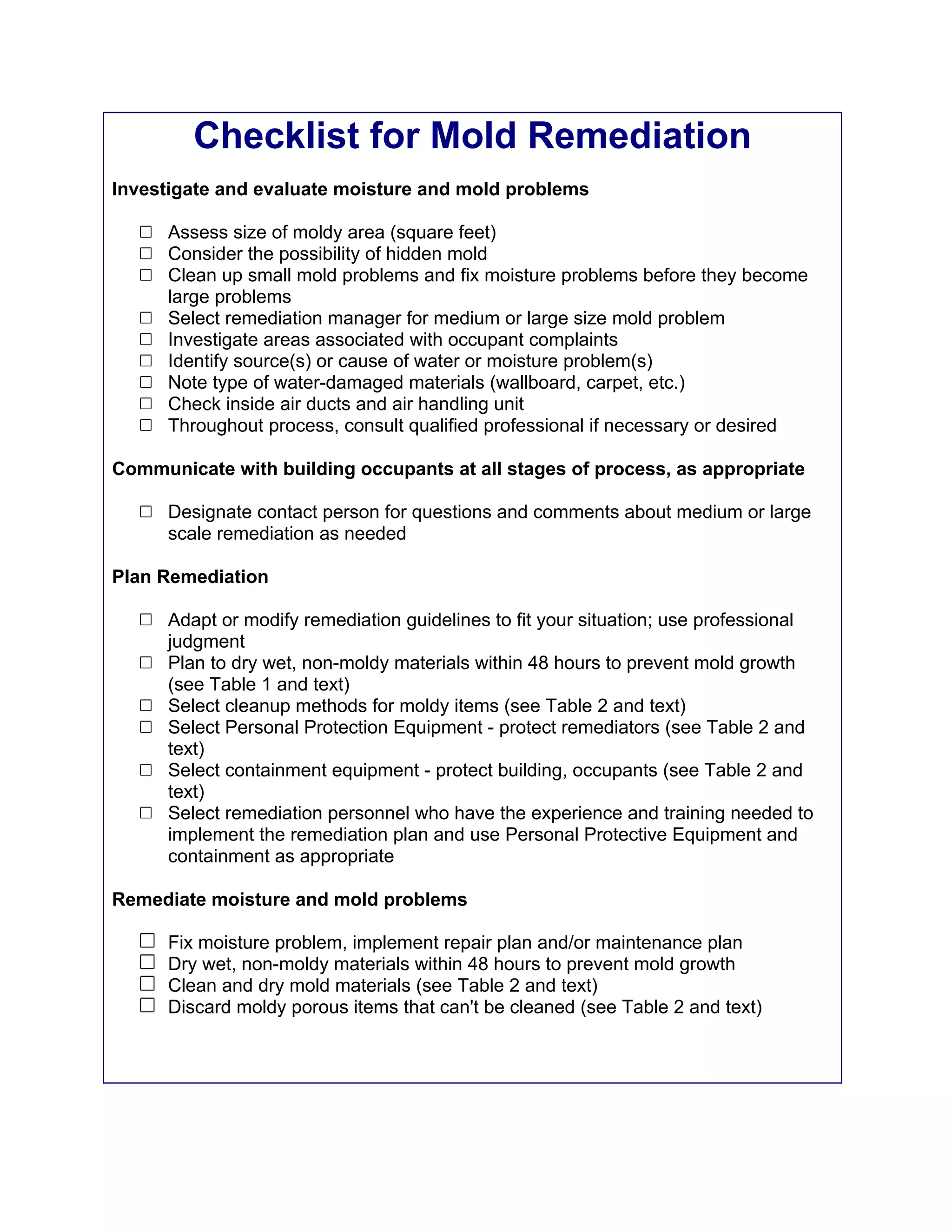
Once the "source" materials are gone, the remaining structural elements (like wood studs or masonry) are cleaned. This is typically a three-step process:
- HEPA Vacuuming: Removing loose spores from surfaces.
- Damp Wiping: Using an EPA-registered antimicrobial solution to kill any remaining fungal roots.
- Encapsulation (Optional): In some cases, a specialized fungistatic coating is applied to wood framing to prevent future growth, though this is not a substitute for proper moisture control.
5. Final Clearance
After the work zone is dry and clean, the remediator leaves the negative air machines running for 24 to 48 hours to "scrub" the air. The independent assessor then performs a visual inspection and often takes air samples. If the spore counts inside the containment are lower than or equal to the outdoor air, the project is deemed a success, and the containment can be removed.
Comparison of Remediation Methods and Scope
The approach to mold remediation depends heavily on the surface affected. The following table outlines how different materials are handled in a standard Wyandanch remediation project.
| Material Type | Examples | Remediation Action | Reason for Method |
|---|---|---|---|
| Non-Porous | Metal, Glass, Hard Plastic | Surface cleaning with EPA-approved antimicrobials. | Mold cannot penetrate the surface; it sits on top. |
| Semi-Porous | Wood framing, Concrete, Brick | HEPA vacuuming, wire brushing, and antimicrobial treatment. | Mold can "root" slightly into the surface but the structure remains sound. |
| Porous | Drywall, Ceiling tiles, Insulation | Full removal and disposal as hazardous waste. | Mold mycelium grows through the material, making cleaning impossible. |
| HVAC Systems | Air ducts, Coils, Vents | Specialized duct cleaning and filter replacement. | Moving air can spread spores throughout the entire property. |
Cost Considerations for 2026
In 2026, the cost of mold remediation in Wyandanch varies based on the size of the affected area and the accessibility of the mold. On average, small residential projects (such as a single bathroom or a corner of a basement) may range from $1,500 to $3,500. However, larger projects involving entire basements or attic spaces can exceed $6,000 to $10,000, especially if structural repairs are required.
Factors that increase costs include:
- Asbestos Complications: Many older Wyandanch homes contain asbestos in floor tiles or pipe insulation. If mold is found on these materials, specialized abatement protocols are triggered.
- High-End Finishes: Removing mold from custom cabinetry or hardwood flooring is significantly more expensive than removing it from standard drywall.
- Emergency Services: Post-storm remediation often carries a premium due to high demand and the need for rapid drying equipment.
Homeowners should check their insurance policies carefully. Most standard policies in New York exclude mold coverage unless it is a direct result of a "covered peril," such as a sudden pipe burst. Slow leaks or humidity issues are typically considered maintenance failures and are not covered.
Common Mistakes to Avoid
Engaging in mold remediation without professional guidance often leads to recurring issues or increased health risks. One of the most common mistakes is the use of bleach on porous surfaces. While bleach kills surface mold, its high water content can soak into drywall or wood, providing the moisture needed for the mold's roots to grow back even stronger.
Another frequent error is the use of fans before containment is established. Turning on a fan to "dry out" a moldy spot actually disperses millions of microscopic spores into the air, where they can settle on furniture, clothing, and inside the HVAC system, turning a localized problem into a building-wide contamination.
Frequently Asked Questions
Is it safe to stay in my Wyandanch home during mold remediation?
It depends on the location and severity of the mold. If the remediation is confined to a basement or a sealed-off room and negative air pressure is maintained, staying in the home is often possible. However, if the HVAC system is contaminated or if the mold covers a significant portion of the living space, professionals typically recommend temporary relocation to avoid exposure to high concentrations of spores and cleaning chemicals.
How long does the remediation process usually take?
A typical remediation project in Wyandanch takes between three to five days. This includes the time needed for containment setup, demolition, cleaning, and the mandatory "settling" period before clearance testing can be performed. If significant structural drying is required, the process may extend by several days.
Does the Town of Babylon require specific permits for mold removal?
While the Town of Babylon does not usually require a specific "mold permit," any structural repairs, plumbing changes, or electrical work performed as part of the remediation project may require standard building permits. It is essential to work with a contractor who is familiar with the local Babylon building codes.
Can I do the mold remediation myself to save money?
Under New York law, if the mold covers less than 10 square feet, a homeowner may choose to clean it themselves. However, for any area larger than this, or if the property is a rental or commercial space, licensed professionals are legally required. DIY efforts often fail because homeowners lack the HEPA-grade equipment and containment materials necessary to prevent the spread of spores.
How can I prevent mold from returning after remediation?
Prevention focuses entirely on moisture control. Ensure your Wyandanch property has a working sump pump with a battery backup, maintain indoor relative humidity below 50% using dehumidifiers, and ensure that all gutters and downspouts direct water at least six feet away from the foundation. Regular HVAC maintenance is also crucial to ensure the system is properly dehumidifying the air.
Recommendation for Next Actions
If you suspect mold in your Wyandanch property, the first step is to stop any active water leaks. Once the leak is contained, contact a licensed New York State Mold Assessor—not a remediation company—to evaluate the extent of the damage. This initial investment in an independent assessment ensures that you receive an objective scope of work.
Review the remediation plan provided by the assessor and obtain at least two bids from licensed remediators. Ensure that they provide proof of environmental insurance (specifically "mold and pollution" coverage), as standard general liability policies often exclude mold-related claims. By following the legal requirements and technical protocols established by New York State, you can ensure that your property remains a safe, healthy environment for years to come.
Image Gallery