How Long is the Account Number on a Check?
A standard bank account number on a check is typically between 10 and 12 digits long, though the technical range allowed by banking systems can span from 4 to 17 digits. In the United States, most major financial institutions adhere to...
A standard bank account number on a check is typically between 10 and 12 digits long, though the technical range allowed by banking systems can span from 4 to 17 digits. In the United States, most major financial institutions adhere to a 10-digit format, while credit unions often utilize shorter sequences.
Contents
Navigating the various strings of numbers printed on a physical check can be confusing, especially when you are required to provide this information for direct deposits, wire transfers, or electronic bill payments. While the digital landscape of 2026 has streamlined many financial processes, the fundamental structure of the Magnetic Ink Character Recognition (MICR) line at the bottom of a check remains the gold standard for account identification and transaction routing. Understanding the specific length and placement of your account number is essential for ensuring that funds are moved accurately and securely.
Anatomy of the MICR Line
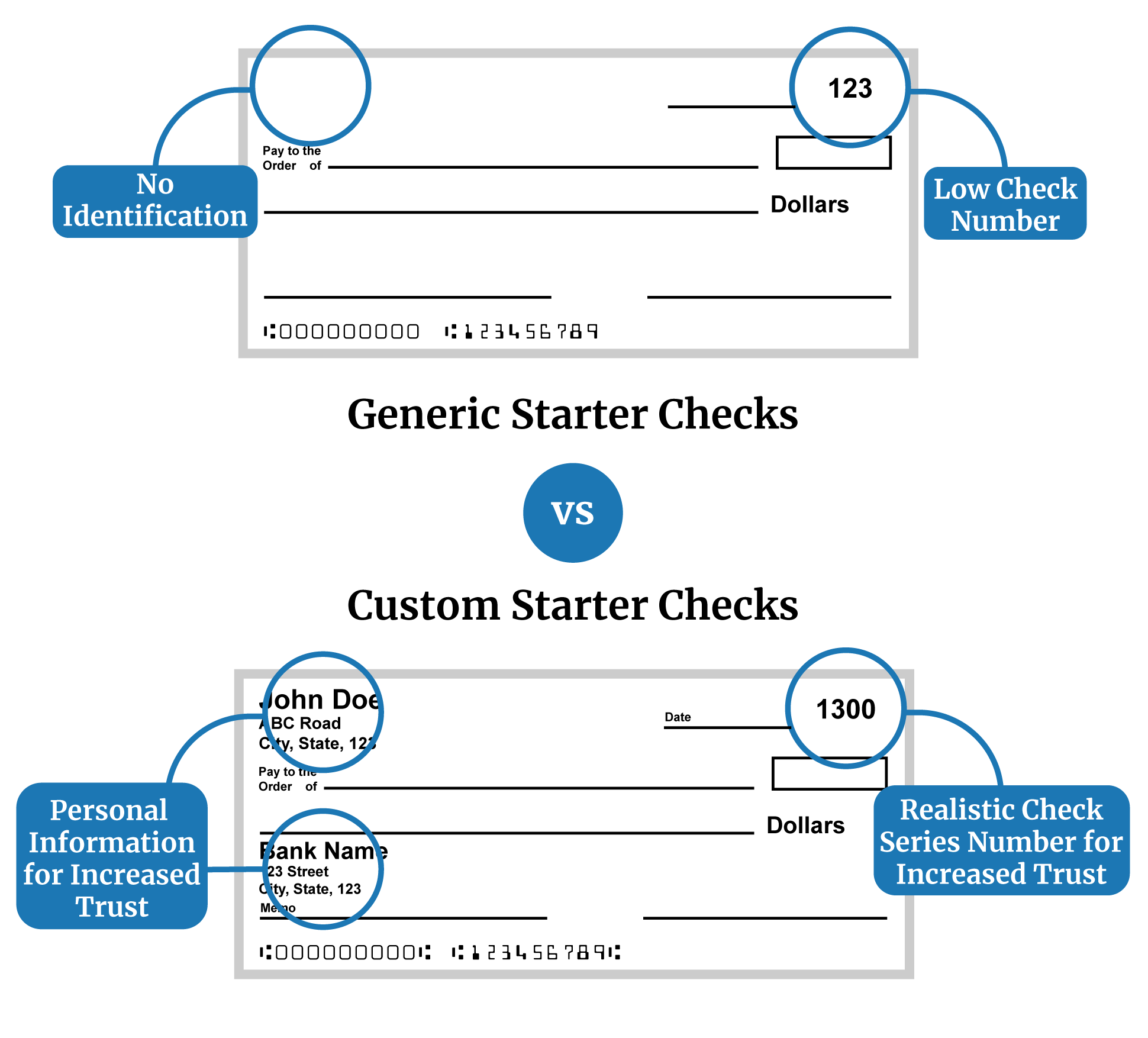
The string of numbers at the bottom of every check is known as the MICR line. This line is printed using a specialized font (usually E-13B in North America) and magnetic ink, which allows high-speed reader-sorter machines at clearinghouses to process checks efficiently. Even as mobile check deposit and digital imaging have become the primary methods of check processing in 2026, the underlying data structure of the MICR line remains unchanged to maintain backward compatibility with the legacy banking infrastructure.
The MICR line is divided into three distinct sections, each serving a unique purpose in the lifecycle of a transaction.
The Routing Number
The first set of numbers on the far left is the American Bankers Association (ABA) routing transit number. This is always exactly nine digits long. The first two digits indicate the Federal Reserve district, the third indicates the specific processing center, and the remaining digits identify the specific financial institution. Because the routing number is standardized, it is rarely a source of confusion regarding its length.
The Account Number
The middle set of numbers is your unique account number. This is the sequence that identifies your specific checking or savings account within the bank’s internal ledger. Unlike the routing number, there is no federal mandate for the length of an account number. Each bank or credit union determines its own numbering scheme based on its core processing software and historical data architecture. This lack of standardization is why one individual might have a 6-digit account number at a local credit union while another has a 12-digit number at a national bank.
The Check Number
The final set of numbers, usually located to the right of the account number, is the check number. This matches the number printed in the top-right corner of the check and is used for record-keeping and fraud prevention. It is typically three to six digits long. On some business checks, the check number may actually appear before the routing number, but for standard personal checks, it is almost always the final sequence on the right.
Identifying the Length of Your Specific Account Number
Because account numbers vary so significantly, the best way to determine the length of your specific number is to look at the symbols surrounding it. Financial institutions use specific glyphs, or "transit symbols," to separate the routing, account, and check numbers.
The account number is usually flanked by the "On-Us" symbol, which looks like a vertical line with a small square next to it. Everything between these symbols constitutes your account number.
Common Lengths by Bank Type
While variations exist, most financial institutions follow predictable patterns:
- National Banks (e.g., Chase, Wells Fargo, Bank of America): These institutions typically use 10 to 12 digits. If an account number was originally shorter, these banks often pad the number with leading zeros to meet a standard internal length.
- Regional Banks: These often use 8 to 10 digits.
- Credit Unions: It is not uncommon for credit unions to use very short account numbers, sometimes as few as 4 to 6 digits. In these cases, the MICR line may have significant blank space between the sets of numbers.
- Investment Firms: Brokerage accounts that offer check-writing capabilities often use 8-digit or 10-digit formats.
| Component | Standard Length | Variability | Primary Function |
|---|---|---|---|
| Routing Number | 9 Digits | None (Fixed) | Identifies the financial institution |
| Account Number | 10–12 Digits | High (4–17 possible) | Identifies the specific customer account |
| Check Number | 3–6 Digits | Moderate | Tracks individual transactions |
| Total MICR Line | 22–32 Characters | Depends on account length | Facilitates automated check sorting |
Why Account Number Lengths Differ
The variation in account number length is primarily a result of the "core banking system" a financial institution uses. These systems are the back-end software that manages deposits and loans.
- Legacy Systems and Mergers: Many banks have grown through acquisitions. When a large bank with a 12-digit system acquires a smaller bank with an 8-digit system, they must reconcile these differences. Often, the bank will add "leading zeros" to the shorter numbers to ensure they fit the new system's requirements without forcing customers to change their numbers.
- Internal Categorization: Some banks use the first few digits of an account number to identify the branch where the account was opened or the specific type of account (e.g., "01" for checking, "02" for savings). This naturally extends the total length of the number.
- Security and Scalability: Larger banks require longer numbers to accommodate millions of customers without the risk of duplication. A 12-digit system allows for billions of unique combinations, providing plenty of room for future growth.
The Role of Leading Zeros
A frequent point of confusion is whether leading zeros (the zeros at the beginning of the number) are actually part of the account number. In almost every case, the answer is yes.
When you are filling out a form for a direct deposit or setting up an automated payment, you should include every digit found in the account number section of the MICR line, including any zeros at the start. For example, if your account number appears as 0001234567, entering only 1234567 may cause the transaction to fail. The electronic systems used by clearinghouses often look for a specific string length; if the digits don't match the expected format, the automated system may flag the transaction as an error or attempt to post it to a non-existent account.
International Variations and the IBAN
While the 10-to-12-digit standard is the norm for checks in the United States and Canada, the rules change significantly when dealing with international banking. Most of the world outside of North America uses the International Bank Account Number (IBAN) format.
The IBAN is a much longer alphanumeric sequence that can reach up to 34 characters. It includes a country code, check digits, a bank identifier, and the specific account number. If you are viewing a check from a European or Middle Eastern bank, the "account number" you see will be part of this longer IBAN string. In 2026, many international digital payment platforms automatically convert North American routing and account numbers into an IBAN-like format for cross-border transactions, but the physical check will still display the traditional MICR format.
Security Considerations for Account Numbers
Your account number, combined with your routing number, is all someone needs to initiate an ACH (Automated Clearing House) withdrawal from your account. Because of this, the length and visibility of these numbers present a security risk.
In the current landscape of 2026, "Check Washing" and other forms of physical check fraud have seen a resurgence as attackers target high-value B2B payments. When you provide your account number for any purpose, ensure you are using a secure, encrypted portal. Never send a photo of your check or your full account number via unencrypted email or SMS.
Furthermore, some modern "fintech" banks have moved toward "numberless" checks or digital-only account verification to minimize the exposure of these sensitive digits. However, if you are using standard paper checks, the account number remains visible and must be protected.
How to Verify Your Account Number Without a Check
If you do not have a physical checkbook handy, there are several reliable ways to find your account number and confirm its exact length:
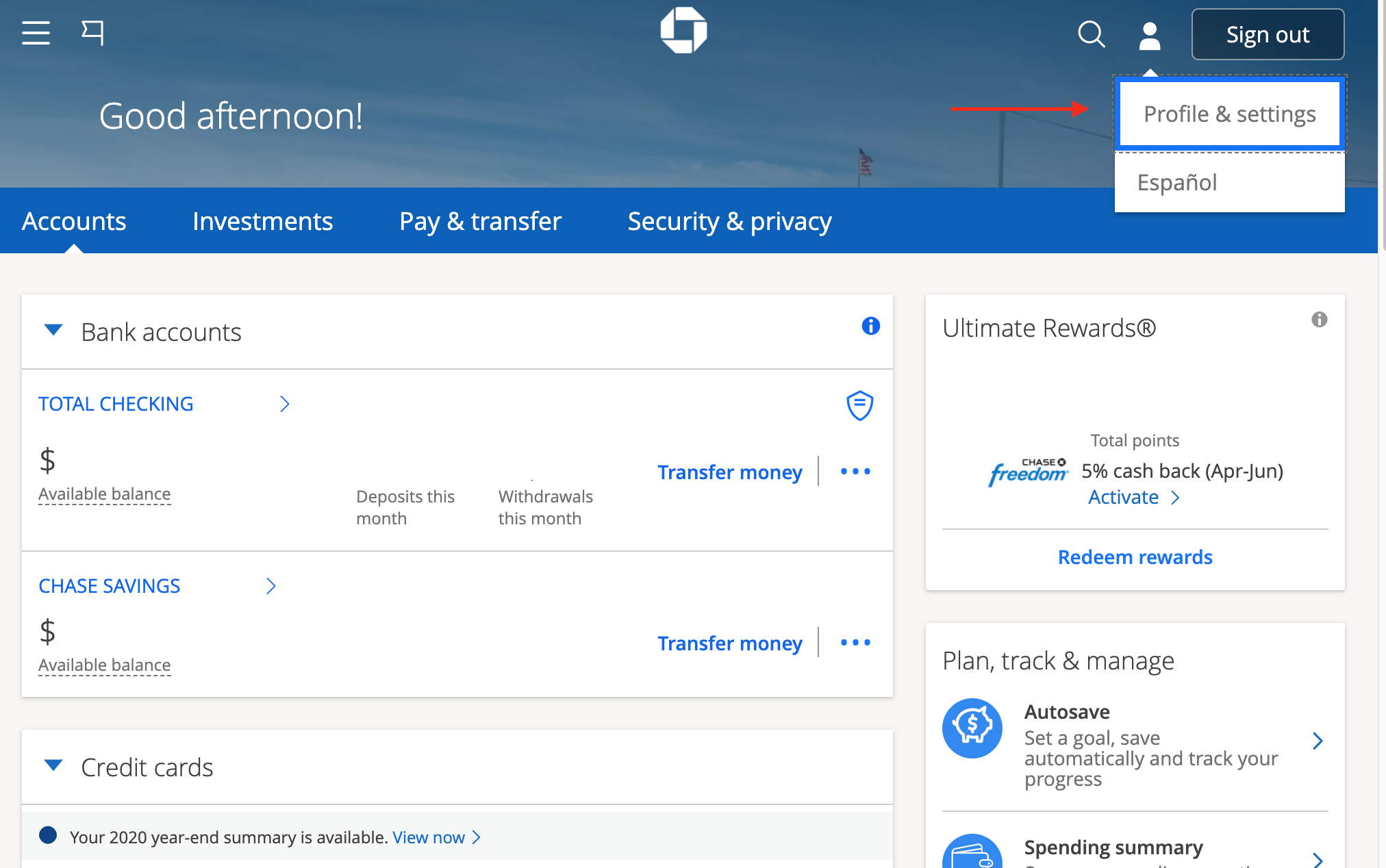
- Mobile Banking App: Most banking apps have a "Details" or "Account Info" section. For security, the number is often masked (e.g.,
****1234), but there is usually an "eye" icon or a "Show full number" button that allows you to see the complete string. - Monthly Statements: Your paper or electronic statement will list your account number. Be aware that some banks truncate the number on the statement for security; always look for a section specifically labeled "For Direct Deposit" to get the full, unmasked version.
- Direct Deposit Forms: If you use online banking, most institutions provide a pre-filled PDF "Direct Deposit Authorization Form" that contains the exact routing and account numbers in the format required for payroll systems.
Common Mistakes When Identifying Account Numbers
Even with the symbols as guides, errors occur. One of the most common mistakes is including the check number as part of the account number. Because the check number often follows the account number on the MICR line, it is easy to accidentally add those last few digits to your account string.
Another error is misreading the numbers. The E-13B font used on checks is designed for machines, and certain numbers can look similar to the human eye if the print quality is poor. Specifically, the numbers "2" and "5," or "0" and the "On-Us" symbol, can sometimes be confused. Always double-check your account number against your digital banking profile to ensure accuracy.
FAQs
Can an account number be only 9 digits long?
Yes. While 10 to 12 digits is common for large banks, many smaller community banks and credit unions use 9-digit account numbers. There is no universal requirement for length, so a 9-digit number is perfectly valid as long as it is the number assigned by your financial institution.
Is the check number part of my account number?
No, the check number is a separate entity used to track that specific individual piece of paper. Including the check number when setting up a direct deposit or an electronic payment will result in an "Account Not Found" error, as the system will be looking for an account number that is longer than the one you actually possess.
Do I need to include the dashes or spaces found on the check?
Generally, no. When entering your account number into an online form, you should only enter the digits. Dashes, spaces, or special symbols used in the MICR line are for visual organization or machine sorting and are not part of the numerical account identifier used in electronic banking.
What should I do if my bank account number is longer than the space on a form?
If you encounter a form that limits account numbers to 12 digits but your number is longer (which is rare but possible with some specialized accounts), contact the recipient's billing department. In most cases, these forms are designed for the standard US range. If your number is shorter, simply enter the digits you have; do not add extra zeros unless your bank specifically instructs you to do so.
How do I know which number is the account number if there are four sets of numbers?
On some business checks, there may be an additional set of numbers used for internal tracking or "auxiliary on-us" data. In these cases, the routing number is still the 9-digit number between the "Transit" symbols (the symbols with two dots and a line). The account number will almost always be the sequence immediately to the right of the routing number, ending at the "On-Us" symbol.
Practical Recommendation
Before using the account number from a physical check for a high-value transaction—such as a mortgage payment or setting up a new direct deposit—verify the number through your bank's official mobile app or website. Because account numbers vary so much in length and may include leading zeros that are easy to overlook, confirming the "Electronic" version of your account number ensures you are providing the data in the format the bank's digital systems expect. If you are ever in doubt, the "Direct Deposit" section of your online banking portal is the most authoritative source for the correct sequence of digits.
Image Gallery