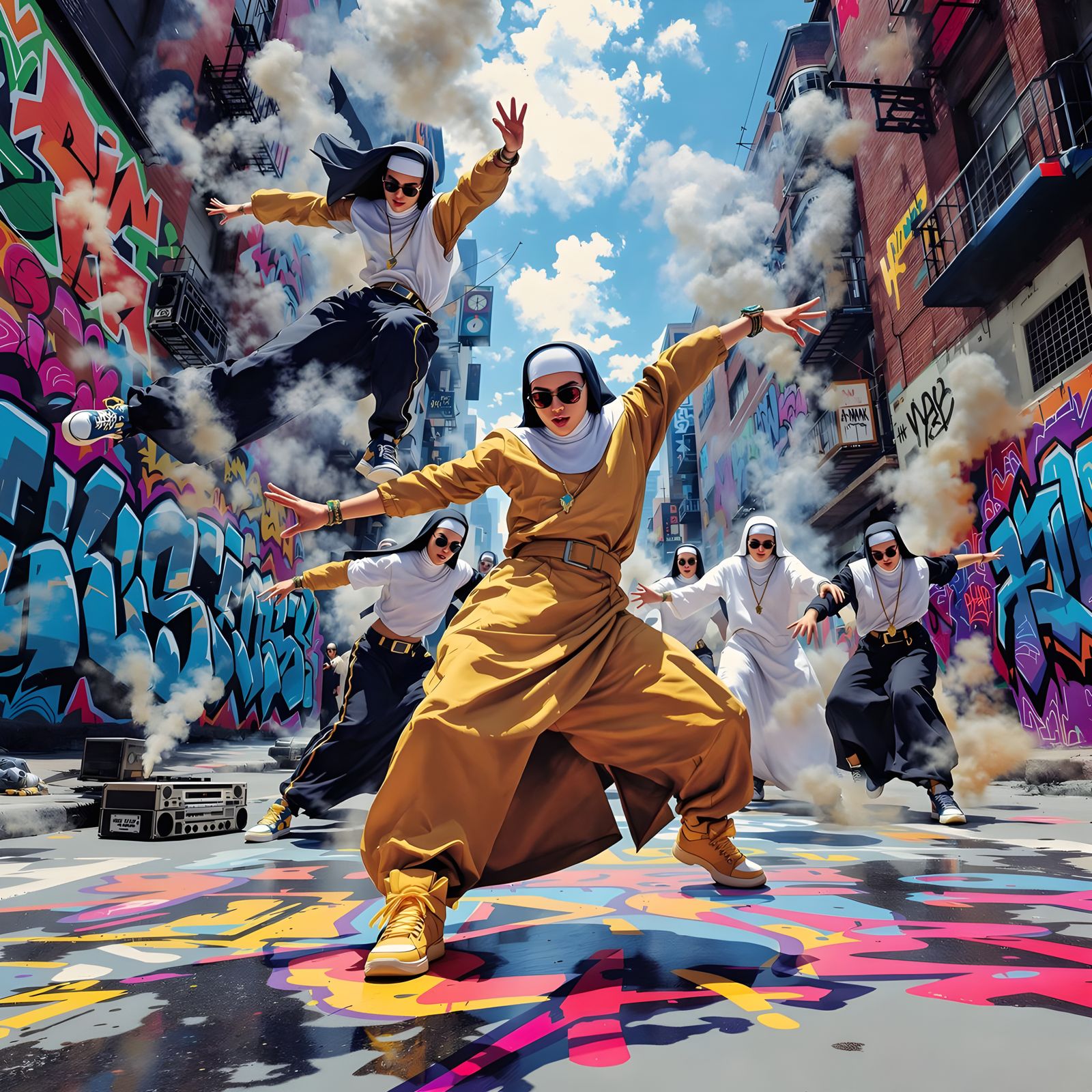
Understanding the Phenomenon of Viral Dancing Nuns Videos
The "dancing nuns video" refers to a genre of viral social media content featuring members of religious orders participating in choreographed dance routines, flash mobs, or lighthearted trend challenges. While these videos vary widely...
The "dancing nuns video" refers to a genre of viral social media content featuring members of religious orders participating in choreographed dance routines, flash mobs, or lighthearted trend challenges. While these videos vary widely in origin, they generally function as tools for community outreach, intergenerational connection, and the humanization of religious life within modern digital spaces.
Contents
The Evolution of Religious Expression in Digital Media
The appearance of dancing nuns on platforms like YouTube, TikTok, and Instagram represents a significant shift in how religious organizations engage with the public. Historically, the representation of clergy and religious sisters in popular media was restricted to highly stylized, solemn, or liturgical contexts. The emergence of the dancing nun phenomenon—often sparked by community events, school spirit rallies, or jubilee celebrations—has challenged these long-standing archetypes.
For many congregations, the decision to participate in a viral video is not merely about entertainment; it is an intentional strategy to demonstrate that members of religious orders are integrated members of society. By adopting contemporary music and dance styles, these videos bridge the perceived gap between the "sacred" and the "secular." This shift is particularly evident in how these videos are produced. Many are captured during official parish celebrations or charitable fundraisers, effectively using the medium to increase visibility for the organization’s mission while simultaneously creating a point of relatability for younger demographics.
Motivations Behind the Content
When analyzing why these videos gain such high traction, it is helpful to categorize the underlying intent of the creators. The primary goal is rarely commercial gain; instead, it frequently centers on community building and institutional promotion.
- Humanization: The primary psychological appeal of these videos is "counter-stereotyping." By showing religious figures engaging in recreational activity, the videos break down barriers of formality that often inhibit dialogue between the public and religious institutions.
- Engagement: Educational and charitable institutions often utilize dance as a way to encourage student participation. In settings like parochial schools or university campus ministries, a dance video involving the sisters can strengthen the bond between the institution’s leadership and the student body.
- Fundraising and Awareness: Some of the most widely shared videos are tied to specific events, such as a "Giving Day" or a commemorative anniversary of an order. The lighthearted tone of a dance video can serve as a highly effective, low-cost marketing tool to bring attention to a fundraising drive.
Technical Considerations for Digital Content Creation
If you are a representative of an organization or an observer interested in the production of this type of content, it is essential to understand the technical and procedural requirements that allow these videos to function as effective communication tools.
Platform Selection and Accessibility
Choosing the right platform is critical. TikTok and Instagram Reels are the primary engines for current viral trends, utilizing algorithmic discovery to push content to users who have not previously engaged with the specific religious entity. YouTube, by contrast, is more effective for archival and longer-form content, such as a documentary-style video that might feature a dance routine as part of a larger narrative.
Licensing and Intellectual Property
A common hurdle for organizations producing these videos is the legal use of copyrighted music. Major social platforms have licensing agreements with record labels that allow for the use of snippets of music in user-generated content. However, institutions must ensure that the video's context does not violate their own internal policies regarding digital content, and they must be aware that using music in an "official" capacity for a professional website may require additional synchronization licenses that differ from standard social media usage.
Comparison of Content Approaches
| Approach | Primary Intent | Recommended Platform | Production Quality |
|---|---|---|---|
| Spontaneous/Trend | Community Connection | TikTok/Reels | Low (Smartphone) |
| Thematic/Event | Fundraising/Outreach | Facebook/YouTube | Medium (Edited) |
| Documentary | Institutional History | YouTube/Website | High (Professional) |
Analyzing the Viral Mechanism
The "dancing nuns video" phenomenon operates on a principle of "pattern disruption." The human brain is conditioned to associate religious habit and lifestyle with static, controlled behaviors. When the viewer encounters a video that explicitly contradicts this pattern—a nun performing a modern dance—the resulting dissonance creates high engagement.
This engagement is measured through "watch time," "shares," and "comments." Unlike static images or text-based posts, video content that features movement and music is inherently more dynamic, keeping the user on the screen longer. This increased dwell time signals to the platform’s algorithm that the content is valuable, leading to further distribution.
Potential Pitfalls and Best Practices
While these videos generally generate positive feedback, they are not without risks. Organizations must navigate the delicate balance between appearing accessible and maintaining the dignity associated with their office.
- Policy Alignment: Before filming, it is imperative that the participants understand the organization’s social media policy. What may seem like a harmless trend to one generation might be viewed as disrespectful or inconsistent with the organization’s core mission by another segment of the community.
- Contextual Integrity: Always ensure the video is labeled or posted with a caption that explains the why. A video of sisters dancing is more effective when it is accompanied by context regarding the event or the cause being promoted.
- Moderation: Viral content often attracts comments from a wide spectrum of the public. Robust moderation of the comment section is necessary to ensure that the environment remains constructive and consistent with the organization’s values.
Frequently Asked Questions
Are these videos usually professional productions? Most viral "dancing nuns" videos are filmed using standard consumer smartphones. The authenticity of the content—that it appears spontaneous and "real"—is often a factor in its success. High-production, overly polished videos can sometimes feel manufactured, which reduces their virality.
How do religious orders handle negative comments on viral videos? Most established organizations employ social media managers or communications teams to monitor engagement. They typically rely on clear community guidelines, which allow for the removal of content that is abusive or violates terms of service, while ignoring low-level trolling.
Does this trend change the perception of the Church? Studies on religious communication suggest that digital engagement through lighthearted content does not necessarily change dogmatic views, but it does significantly improve the "favorability rating" of the institution among non-practicing younger generations by softening the institutional image.
Where can one find legitimate, high-quality examples of this content? Most legitimate content is found on the official verified accounts of specific orders or parishes on platforms like Instagram or YouTube. Avoid unofficial re-uploads, which may lack context or violate original copyright permissions.
Should my local group attempt a viral dance video? If your goal is community building, it is a low-risk, high-reward endeavor. Focus on a song that is universally recognized and ensure that all participants are comfortable and fully informed about the potential reach of the content.
Moving Forward with Digital Outreach
For those managing digital strategy within religious institutions, the "dancing nuns video" serves as a masterclass in how to modernize outreach without compromising identity. To replicate the success of these videos, focus on authentic participation, clear messaging regarding the "why" behind the video, and a commitment to maintaining a positive, moderated digital space for those who engage with the content. The ultimate value of these videos lies in their ability to serve as a bridge, transforming the screen from a static medium into a tool for active, humanized connection.
Image Gallery