Lowell Herb Co Net Worth: Brand Valuation, Financial History, and Market Standing
Lowell Herb Co, famed for its flagship "Lowell Smokes" pre-rolls, holds a financial valuation largely defined by its public parent company, Lowell Farms Inc. (OTC: LOWLF / CSE: LOWL). Originally acquired in 2021 for roughly $39 million...
Lowell Herb Co, famed for its flagship "Lowell Smokes" pre-rolls, holds a financial valuation largely defined by its public parent company, Lowell Farms Inc. (OTC: LOWLF / CSE: LOWL). Originally acquired in 2021 for roughly $39 million, the brand's enterprise value and market capitalization reflect broader California cannabis pricing shifts, debt restructuring, and asset-light state licensing agreements.
Contents
Understanding Lowell Herb Co's Financial Valuation
Determining the net worth of a prominent cannabis brand like Lowell Herb Co requires separating the corporate entity from individual product lines. Lowell Herb Co began as a private California brand owned by The Hacienda Company LLC before transitioning into a publicly traded corporate asset.
In corporate finance, a private brand's "net worth" is best measured by its market capitalization, total assets minus liabilities, annual revenue multiples, and the value of its intellectual property (IP). For Lowell Herb Co, its financial valuation underwent a structural transformation when it was acquired by a publicly traded operator.
- The Hacienda Company LLC
- 2021 $39M Acquisition
- Indus Holdings, Inc.
- Corporate Rebrand
- Lowell Farms Inc. (CSE: LOWL / OTC: LOWLF)
The Transition from Private Brand to Lowell Farms Inc.
Lowell Herb Co was launched in 2017 by The Hacienda Company LLC in California. The brand gained rapid notoriety in the legal cannabis market through organic marketing, distinctive craft packaging (complete with matches included in paper pre-roll packs), and high-profile celebrity investors.
The core commercial milestone for the brand occurred in February 2021, when Indus Holdings, Inc.—a licensed, vertically integrated California cannabis producer—acquired The Hacienda Company. Key details of that transaction established the underlying market baseline for the brand's standalone financial worth:
- Acquisition Value: Approximately $39 million.
- Deal Consideration: $4.1 million in cash combined with 22.6 million subordinate voting shares of Indus Holdings, Inc.
- Corporate Rebranding: Following the transaction, Indus Holdings officially changed its parent corporate identity to Lowell Farms Inc., taking on the ticker symbols LOWL on the Canadian Securities Exchange (CSE) and LOWLF on the US OTCQX market.
By integrating Lowell Herb Co's brand engine with Indus Holdings' 225,000-square-foot Monterey County greenhouse cultivation facility and distribution platform, the combined entity aimed to capture both high-margin retail brand equity and large-scale wholesale production efficiency.
Key Drivers of Lowell Herb Co's Valuation
The financial standing and enterprise net worth of Lowell Herb Co are shaped by four core commercial drivers: public equity valuation, historical revenue trends, debt structures, and out-of-state licensing royalty streams.
- Lowell Enterprise Net Worth Drivers
- Market Cap & Public Equity
- Wholesale vs Brand Revenue
- IP Out-of-State Licensing Model
- Debt & IRS 280E Financial Burden
1. Market Capitalization and Equity Valuation
As a publicly traded issuer, the market valuation of Lowell Farms Inc. fluctuates based on stock price and outstanding shares. Like many single-state and multi-state operators (MSOs) in the United States, the company's public market cap experienced significant compression following the cannabis sector expansion of 2020–2021.
While the brand was valued at $39 million at the time of its 2021 acquisition, macro pressures across the California legal market—including wholesale price drops, illicit market competition, and high tax regimes—reduced public market valuations across the board. The total equity value of Lowell Farms Inc. has consequently tracked the broader repricing of US cannabis equities.
2. Wholesale Processing vs. Branded Product Revenue
Lowell Herb Co’s financial performance depends on its product mix:
- Branded CPG (Consumer Packaged Goods): Premium pre-roll packs ("Lowell Smokes"), full-flower jars, infused pre-rolls, concentrates, and vape cartridges sold through licensed California dispensaries.
- Bulk Flower and Services: Concentrates extraction, tolling services, and bulk flower sales generated from its processing and cultivation operations.
High-margin branded sales generate stronger goodwill and brand equity, whereas bulk wholesale flower sales remain vulnerable to spot-market price volatility in California.
3. Transition to an Asset-Light Licensing Model
To preserve capital and protect brand value against high operating overhead in California, Lowell Herb Co transitioned strategic focus toward out-of-state brand licensing. Under this model, Lowell partners with established, licensed operators in other states.
The partner handles local cultivation, manufacturing, and distribution, while Lowell Herb Co receives royalty payments and licensing fees for its proprietary brand IP, packaging designs, and product formulations.
Key expansion markets utilizing this licensing framework include:
- Illinois
- Michigan
- Nevada
- Arizona
- New Mexico
- Colorado
This asset-light expansion model allows the brand to grow its national distribution footprint and net income potential without incurring major capital expenditures for facilities outside California.
4. IRS Section 280E and Debt Restructuring
Corporate net worth calculations for cannabis operators require accounting for tax liabilities and structural debt. Under United States Internal Revenue Code Section 280E, cannabis businesses operating under state law cannot deduct standard corporate operating expenses (such as marketing, administrative payroll, and rent) from their gross income for federal tax purposes.
This tax regime creates high effective tax rates that directly reduce net cash flow and balance sheet equity. Furthermore, debt restructuring transactions—such as converting senior debt into equity or divesting physical real estate assets—have been heavily utilized by Lowell Farms Inc. to stabilize its operational capital structure.
Historical Corporate and Financial Timeline
To trace how Lowell Herb Co reached its present financial position, it is useful to review its corporate timeline from early brand launch to public entity restructuring:
| Year | Milestone / Event | Financial Impact & Strategic Context |
|---|---|---|
| 2017 | Brand Founded by The Hacienda Co. | Launched "Lowell Smokes" pre-rolls; established signature craft aesthetic. |
| 2019 | Launch of Lowell Cafe & Celebrity Backing | Raised brand visibility nationwide with celebrity investments (e.g., Miley Cyrus, Mark Ronson). |
| 2021 | Acquired by Indus Holdings ($39M) | Indus acquired 100% of Lowell Herb Co IP; renamed public company to Lowell Farms Inc. |
| 2022 | Out-of-State Expansion Begins | Signed multi-state licensing deals (Illinois, Michigan, Nevada) to drive asset-light royalty revenue. |
| 2023 | Asset Sales & Cost Reduction | Divested non-core equipment and altered cultivation strategy to reduce cash burn rate. |
| 2024–2025 | IP Focus & Balance Sheet Management | Continued shift toward core brand licensing, reducing high-cost California overhead. |
| 2026 | Current Operating Profile | Evaluated primarily as a licensed IP brand asset with regional operational nodes. |
Factors Influencing Cannabis Brand Net Worth
Calculating the exact market value of a cannabis enterprise involves analyzing sector-specific operating dynamics that do not affect traditional consumer packaged goods companies.
- Valuation Factors in Cannabis Brands
- Regulatory Structure & 280E Tax Load
- Non-deductibility of operating expenses reduces net income.
- High local excise taxes shrink gross margin potential.
- Regional Price Compression
- Wholesale flower oversupply drops per-pound market value.
- Margins compress without strong CPG brand differentiation.
- Intellectual Property vs. Capital Infrastructure
- Licensing IP carries high gross margins and low capital risk.
- Owning large cultivation assets increases capital expenditures.
- Regulatory Structure & 280E Tax Load
Capital Infrastructure vs. Brand Equity
Physical assets like farms and extraction facilities carry maintenance costs, property taxes, and depreciation. During periods of wholesale flower oversupply, cultivation assets can turn into financial liabilities.
Conversely, intellectual property—such as trademarked logos, recognized packaging, and customer brand loyalty—carries minimal ongoing storage cost while generating higher licensing margins. Lowell Herb Co's historical financial pivot away from heavy agricultural overhead toward brand licensing demonstrates how cannabis leadership teams attempt to protect overall corporate net worth.
Regulatory and Tax Distortions
Because cannabis remains classified under Schedule I (or pending Schedule III reclassification under federal law), conventional institutional banking, commercial loans, and standard corporate tax deductions remain restricted.
Investors evaluating Lowell Herb Co net worth must account for:
- Deferred Tax Liabilities: Cumulative unpaid tax obligations under Section 280E.
- Cost of Capital: Higher interest rates on specialized senior secured debt compared to standard commercial bank financing.
- Licensing Compliance Overhead: State-by-state regulatory filings for every market where Lowell products are produced and distributed.
Product Portfolio and Commercial Revenue Engines
Lowell Herb Co’s overall commercial valuation is tied directly to consumer demand for its primary product lines. The brand built its consumer identity around premium flower curation and clean presentation:
Lowell Herb Co Product Portfolio
- Lowell Smokes (Pre-Rolls)
- Infused Pre-Rolls
- Full-Flower Jars & Edibles
- Vape Concentrates & Cartridges
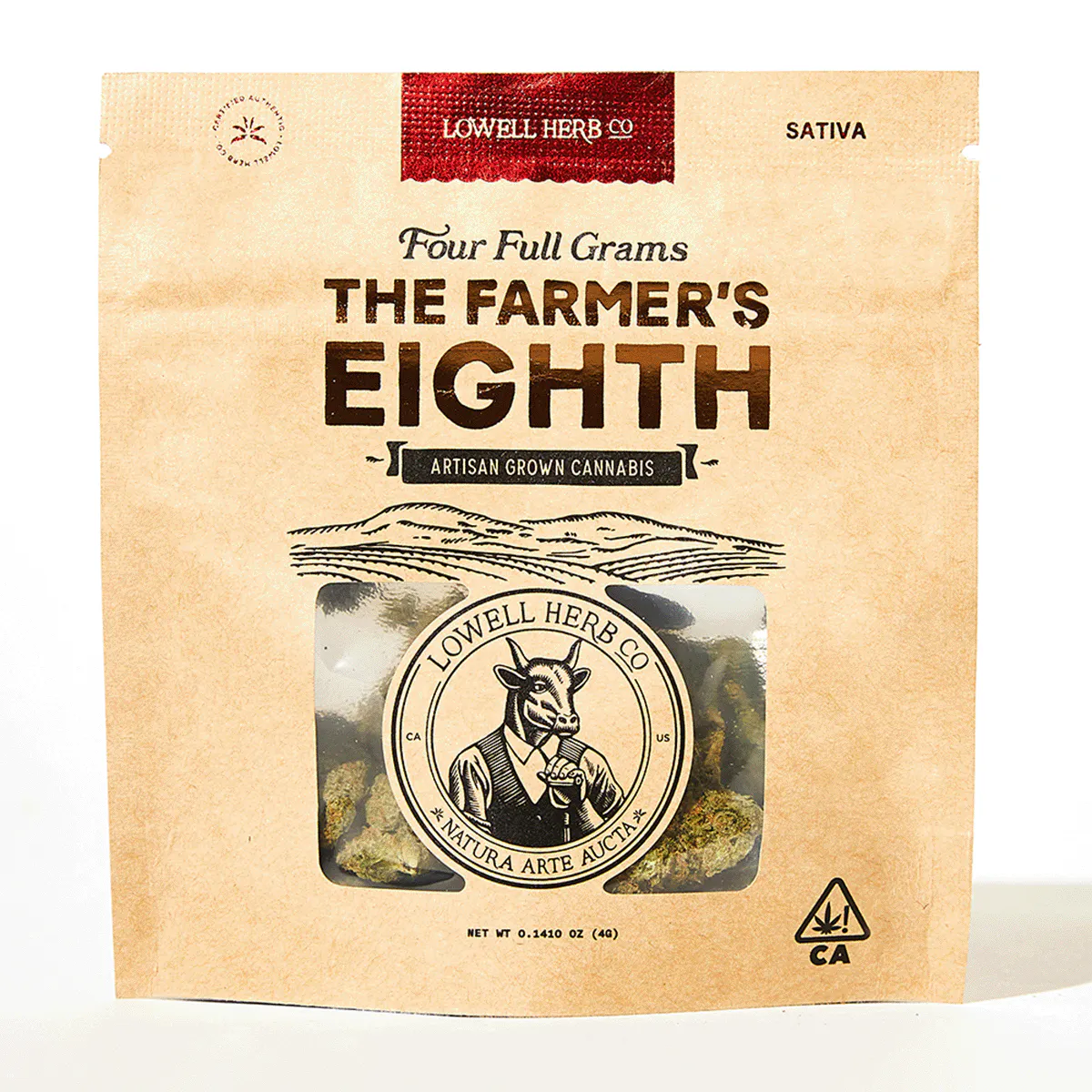
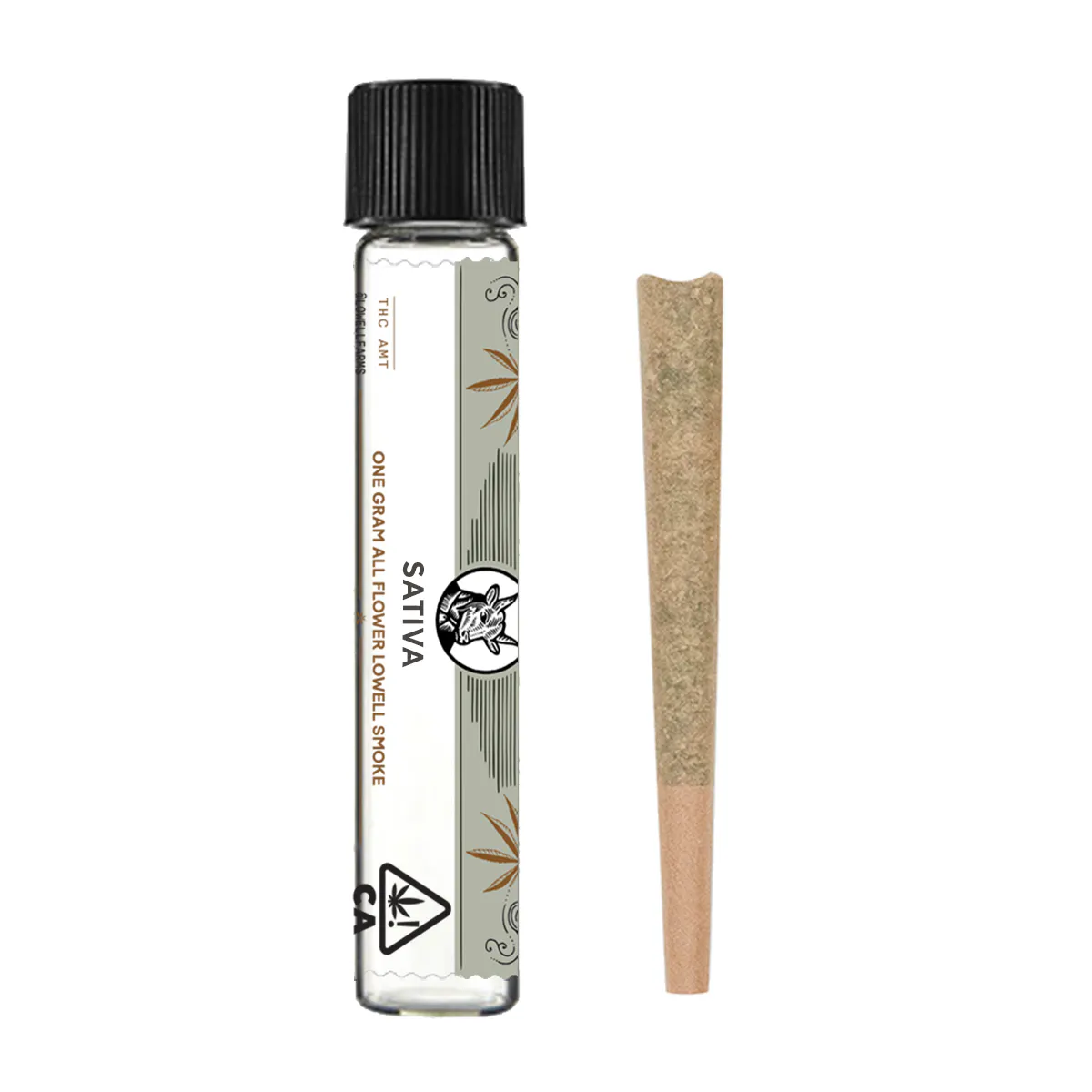
Lowell Smokes (Pre-Rolls): The company’s original cash-cow product, featuring curated blends of whole flower packaged with custom matches in eco-friendly paper boxes.
35s and Infused Pre-Rolls: High-potency offerings targeted at heavy users, combining premium flower with concentrated hash or distillate.
Full-Flower Jars: Cured whole flower sourced from California cultivation partners, targeting premium dispensaries.
Vape Concentrates & Live Resin: Solventless concentrates and vape cartridges expanding the brand into non-combustible product categories.
By maintaining high brand recognition in these product categories, Lowell Herb Co sustains consumer pull, which in turn supports higher royalty rates from state licensing partners.
Evaluating Lowell Herb Co's Public Financial Reporting
For investors and analysts seeking up-to-date, verified balance sheet data for Lowell Herb Co, official public filings provide direct regulatory reporting. Because Lowell Farms Inc. is a public entity, all financial disclosures—including net losses, revenue totals, cash reserves, total liabilities, and share counts—are submitted to public regulatory repositories.
To independently audit the net worth and financial health of the business:
- Review Canadian Securities Exchange (CSE) Filings: Access corporate disclosures filed under ticker
LOWLvia SEDAR+. - Examine US OTC Markets Reports: Review quarterly and annual disclosures (Form 10-K, Form 10-Q) available for ticker
LOWLFon the OTC Markets Group platform. - Analyze Balance Sheet Asset vs. Liability Ratios: Compare current cash and receivables against accounts payable and outstanding debt obligations to determine total shareholders' equity (net book value).
Recommended Guidance for Investors and Analysts
When evaluating the market capitalization, financial strength, and net worth of Lowell Herb Co, follow these practical steps:
- Distinguish Between Stock Price and Enterprise Value: A low stock price does not tell the full story. Always calculate Enterprise Value (Market Cap + Total Debt - Cash) to understand the total corporate obligation.
- Monitor Licensing Expansion Agreements: Track new state licensing partnerships. High-margin licensing revenue improves net cash flow far faster than capital-intensive farm expansion.
- Assess IRS 280E Federal Regulatory Changes: Follow federal rescheduling developments closely. Any reform of IRS Section 280E would immediately lower federal tax burdens and improve balance sheet valuations across the cannabis sector.
- Consult Professional Financial Advisors: Cannabis equities remain volatile and highly sensitive to regulatory shifts. Consult a qualified financial professional before making investment decisions based on brand net worth metrics.
Frequently Asked Questions
What is Lowell Herb Co's current net worth?
Lowell Herb Co is owned by publicly held Lowell Farms Inc. (OTC: LOWLF / CSE: LOWL). Its net worth is measured through the company's total market capitalization, brand equity, and net assets reported in periodic financial disclosures. The brand itself was acquired in 2021 for approximately $39 million, though overall public cannabis valuations have compressed significantly since that time.
Who owns Lowell Herb Co?
Lowell Herb Co is owned by Lowell Farms Inc., formerly known as Indus Holdings, Inc. The company acquired the brand's IP from The Hacienda Company LLC in February 2021 and subsequently rebranded its operational business under the Lowell name.
What was the original valuation of Lowell Herb Co when acquired?
In February 2021, Indus Holdings, Inc. acquired The Hacienda Company (Lowell Herb Co) for approximately $39 million, paid through a combination of $4.1 million in cash and 22.6 million subordinate voting shares.
Does celebrity backing increase a cannabis brand's valuation?
Celebrity endorsements and high-profile investments (such as those Lowell Herb Co received during its early growth phase) increase brand recognition and retail market penetration. However, long-term balance sheet net worth ultimately depends on operational profitability, supply chain efficiency, and tax management.
How does out-of-state licensing impact Lowell Herb Co's financials?
Out-of-state licensing allows Lowell Herb Co to generate high-margin royalty revenue without capital expenditure on regional real estate, cultivation facilities, or local labor. This asset-light model protects corporate cash flow and helps stabilize overall enterprise net worth.
Image Gallery