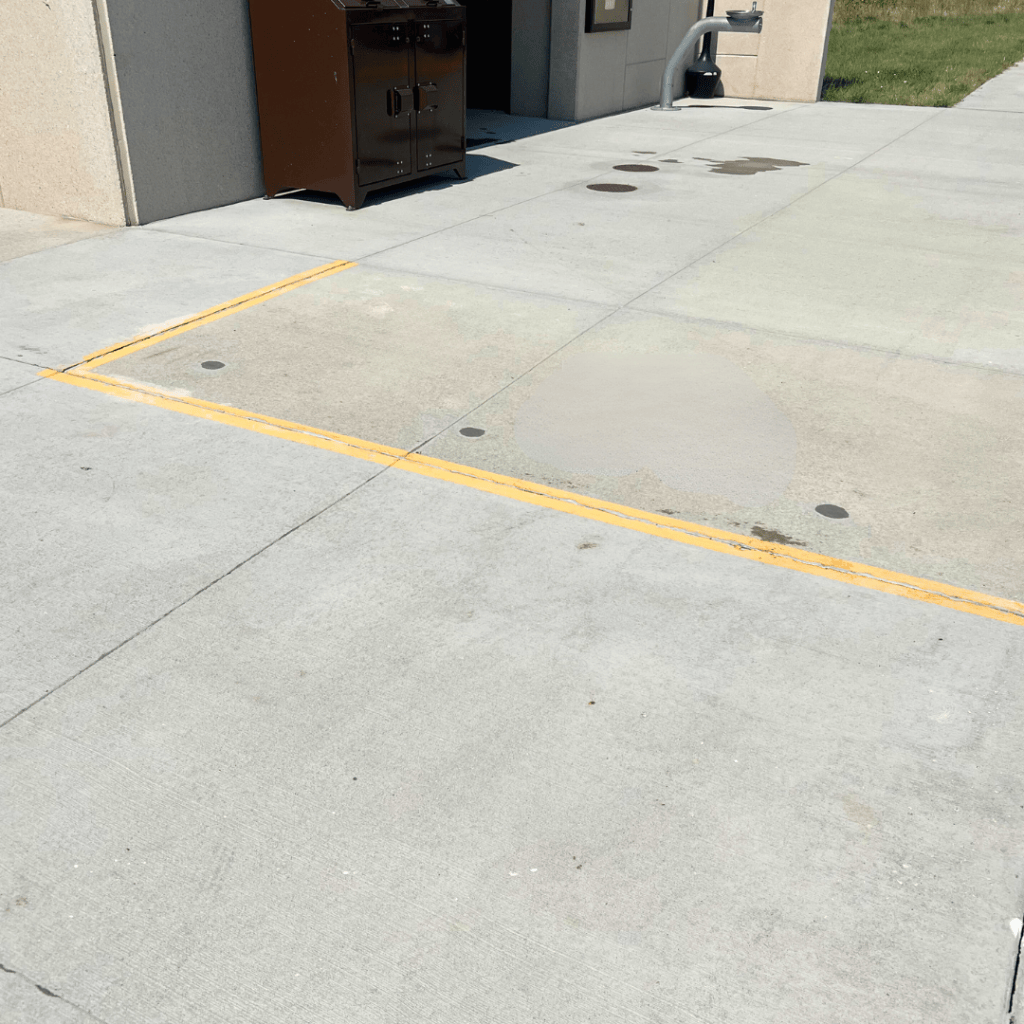
Understanding Muscle Mudjacking Foundation Repair and Structural Remediation Services
Muscle mudjacking is a heavy-duty structural remediation service that uses hydraulic pressure to inject a high-strength grout slurry beneath sunken concrete slabs or compromised foundations. This process stabilizes the soil, fills subt...
Muscle mudjacking is a heavy-duty structural remediation service that uses hydraulic pressure to inject a high-strength grout slurry beneath sunken concrete slabs or compromised foundations. This process stabilizes the soil, fills subterranean voids, and lifts structures back to their original elevation, providing a cost-effective alternative to full foundation replacement.
Contents
For homeowners and commercial property managers in 2026, maintaining structural integrity is a priority driven by both safety and property value preservation. When foundations settle or slabs sink, the traditional response was often expensive excavation. However, specialized services like Muscle Mudjacking have evolved to provide a targeted, surgical approach to structural remediation. This guide explores the technical mechanics, material compositions, and strategic applications of these services in the current engineering landscape.
Defining Muscle Mudjacking in Modern Structural Engineering
The term "Muscle Mudjacking" refers to an industrial-grade version of traditional mudjacking. While standard mudjacking might focus on cosmetic leveling for walkways or small patios, "Muscle" variants utilize higher-pressure hydraulic systems and specialized Portland cement-based slurries designed to support significant structural loads.
In the context of 2026 structural remediation, this service is classified as a sub-surface stabilization technique. It addresses the root cause of settlement—typically soil erosion, compaction issues, or fluctuating moisture levels—by replacing air pockets and weak soil with a stable, load-bearing material. Unlike "polyjacking," which uses expanding polyurethane foam, Muscle Mudjacking relies on the mass and compressive strength of a cementitious mixture to provide long-term stability for heavy footings and load-bearing slabs.
The Evolution of Remediation Materials
Historically, mudjacking used simple mixtures of topsoil and water. Modern structural remediation services have advanced the chemistry of these slurries. Today’s mixtures often include:
- Portland Cement: Provides the primary compressive strength.
- Fine Aggregates (Sifted Sand): Ensures volume stability and reduces shrinkage.
- Fly Ash or Pozzolans: Improves flowability and long-term durability.
- Hydraulic Additives: Control set times, allowing the material to harden even in high-moisture environments.
The Mechanics of Hydraulic Grout Injection
The physics behind Muscle Mudjacking is centered on Pascal’s Law, which states that pressure exerted anywhere in a confined incompressible fluid is transmitted equally in all directions. By pumping a viscous slurry into a confined space beneath a foundation, the technician creates upward force.
When the pressure of the slurry exceeds the weight of the structure and the friction of the surrounding soil, the structure begins to lift. In a typical structural remediation project, the "Muscle" aspect refers to the equipment's ability to generate pressures upwards of 500 to 1,000 PSI, which is necessary for heavy residential foundations or commercial warehouse floors.
Precision Monitoring
In 2026, these services are rarely performed "by eye." Contractors utilize laser leveling systems and digital sensors to monitor the lift in real-time. This ensures that the structure is raised within tolerances of 1/8th of an inch, preventing secondary damage like drywall cracking or plumbing stress that can occur from over-lifting.
The Scope of Structural Remediation Services
Structural remediation is a broader category than simple leveling. While leveling fixes the "symptom" (a slanted floor), remediation addresses the "system" (the foundation, the soil, and the load distribution). Muscle Mudjacking is a primary tool in this field, but it is often part of a multi-faceted approach.
1. Void Filling
Voids often form due to broken water lines, poor soil compaction during original construction, or organic material decomposition. If left unaddressed, these voids lead to "sinkholes" beneath the slab. Muscle Mudjacking fills these gaps entirely, preventing further soil migration.
2. Load-Bearing Support
For homes built on "slab-on-grade" foundations, the slab itself carries the weight of interior walls. If the slab sinks, the walls can lose their support, leading to roofline issues. High-strength grout injection restores the slab's ability to act as a structural member.
3. Soil Stabilization
By injecting grout under pressure, the process often compacts the existing loose soil around the injection site. This creates a "bulb" of stabilized earth that is more resistant to future moisture fluctuations.
Mudjacking vs. Alternative Remediation Methods
Deciding between Muscle Mudjacking, polyjacking, or piering depends on the specific structural needs and soil conditions.
| Feature | Muscle Mudjacking | Polyjacking (Foam) | Piering (Steel/Concrete) |
|---|---|---|---|
| Primary Material | Cementitious Slurry | Polyurethane Foam | Steel Pipes/Concrete Pilings |
| Load Capacity | Very High (Structural) | Moderate (Slabs/Light Walls) | Highest (Deep Foundation) |
| Cure Time | 12–24 Hours | 15–30 Minutes | Immediate |
| Drill Hole Size | 1.5" to 2" | 0.625" (Small) | Large Excavation Points |
| Cost | Mid-Range | Higher (Material Costs) | Highest |
| Longevity | Permanent (Indefinite) | Permanent (Non-biodegradable) | Permanent (Bedrock/Stable Strata) |
Why Choose Muscle Mudjacking Over Polyjacking?
While polyurethane foam is popular for its small drill holes and fast cure times, it lacks the compressive mass provided by a cement slurry. For remediation projects where the weight of the structure is substantial—such as a brick-and-mortar chimney or a multi-story load-bearing wall—the density of Muscle Mudjacking provides a more rigid and dependable base. Furthermore, the cementitious material is often more compatible with older concrete foundations, as it shares similar thermal expansion properties.
Step-by-Step Breakdown of the Remediation Process
Engaging a structural remediation service involving Muscle Mudjacking typically follows a standardized engineering protocol to ensure safety and efficacy.
Phase 1: Site Assessment and Grid Mapping
A technician or structural engineer inspects the property for signs of settlement, such as "stair-step" cracks in masonry or gaps between the floor and baseboards. They then map out an injection grid. Proper hole placement is critical; holes placed too far apart will result in uneven lifting, while holes placed too close can weaken the existing slab.
Phase 2: Drilling Access Ports
Using industrial masonry drills, the team creates a series of 1.5-inch to 2-inch holes through the concrete slab or footing. In 2026, dust-less drilling technology is standard, using HEPA-filtered vacuums to maintain indoor air quality during residential repairs.
Phase 3: Slurry Injection and Lifting
The grout pump is connected to the first port via a specialized nozzle. The technician monitors the pressure gauges and the laser level. The injection follows a specific sequence—often starting at the lowest point of the settlement and moving outward—to "walk" the slab back to its original position.
Phase 4: Port Sealing and Finishing
Once the lift is achieved and the voids are filled, the ports are cleaned. They are then filled with a high-strength concrete mix that is color-matched to the existing slab. The result is a series of "patches" that fade over time, leaving the structural repair nearly invisible.
Cost Analysis and Value Preservation
The cost of Muscle Mudjacking in 2026 is generally calculated by the number of "pumping units" used or a flat rate per injection port. On average, structural remediation via mudjacking costs 50% to 70% less than tearing out and replacing a foundation.
Factors Influencing Cost:
- Volume of Void: Large washouts beneath a house require more slurry material.
- Accessibility: Interior repairs that require moving furniture or working in crawlspaces increase labor costs.
- Obstructions: The presence of underground utility lines or specialized flooring (like post-tension slabs) requires extra care and specialized equipment.
Beyond the immediate repair, this service preserves property value. Homes with documented foundation repairs often sell at a higher price point than those with "as-is" settlement issues, as the remediation provides a transferrable warranty and professional certification of stability. For detailed standards on residential foundation repair, homeowners can refer to the American Society of Civil Engineers (ASCE) for technical guidelines.
Frequently Asked Questions
Is Muscle Mudjacking permanent?
Yes. The cementitious slurry used in Muscle Mudjacking is effectively a form of concrete. Once it cures, it does not rot, compress, or wash away. However, it is important to note that if the underlying cause of soil erosion (such as poor gutter drainage) is not fixed, new voids can form in different areas over time.
How do I know if I need structural remediation or just cosmetic leveling?
If you notice cracks in your home's exterior brickwork, doors that no longer latch, or significant sloping in your interior floors, you likely require structural remediation. Cosmetic leveling is typically reserved for trip hazards on sidewalks or driveways where the sinking does not affect the home's main skeleton.
Can mudjacking be done in the winter?
Muscle Mudjacking can be performed in cold weather as long as the ground beneath the slab is not frozen. Frozen soil expands; if you lift a slab on top of frozen ground, it may settle once the ground thaws. Professional services use thermal imaging or ground probes to verify soil conditions before proceeding.
Will the pressure from the "Muscle" pump damage my pipes?
Structural remediation teams map out utility lines using ground-penetrating radar (GPR) or by consulting original blueprints. While the pressure is high, it is controlled. Most modern slurries are designed to flow around pipes rather than crush them, but identifying the "plumbing footprint" is a mandatory prerequisite for any reputable contractor.
Does insurance cover foundation remediation?
Generally, standard homeowners insurance does not cover foundation settlement caused by "wear and tear" or soil expansion/contraction. However, if the settlement was caused by a sudden "peril," such as a major water main break or certain types of sinkholes, coverage may apply. Always consult your policy and a licensed adjuster. For more information on property standards, the International Code Council (ICC) provides the base requirements for structural safety.
Strategic Recommendation for Property Owners
If you suspect your property requires structural remediation, your first step should be an independent assessment. In 2026, it is recommended to hire a third-party structural engineer before contacting a repair contractor. An engineer provides an unbiased report on the extent of the settlement and specifies exactly where Muscle Mudjacking is required. Once you have a "scope of work," you can obtain competitive bids from specialized mudjacking services. This ensures that the repair is not just a temporary lift, but a permanent restoration of your building's structural integrity.
Image Gallery