Understanding Why Liability Auto Insurance Rarely Covers Hail Damage
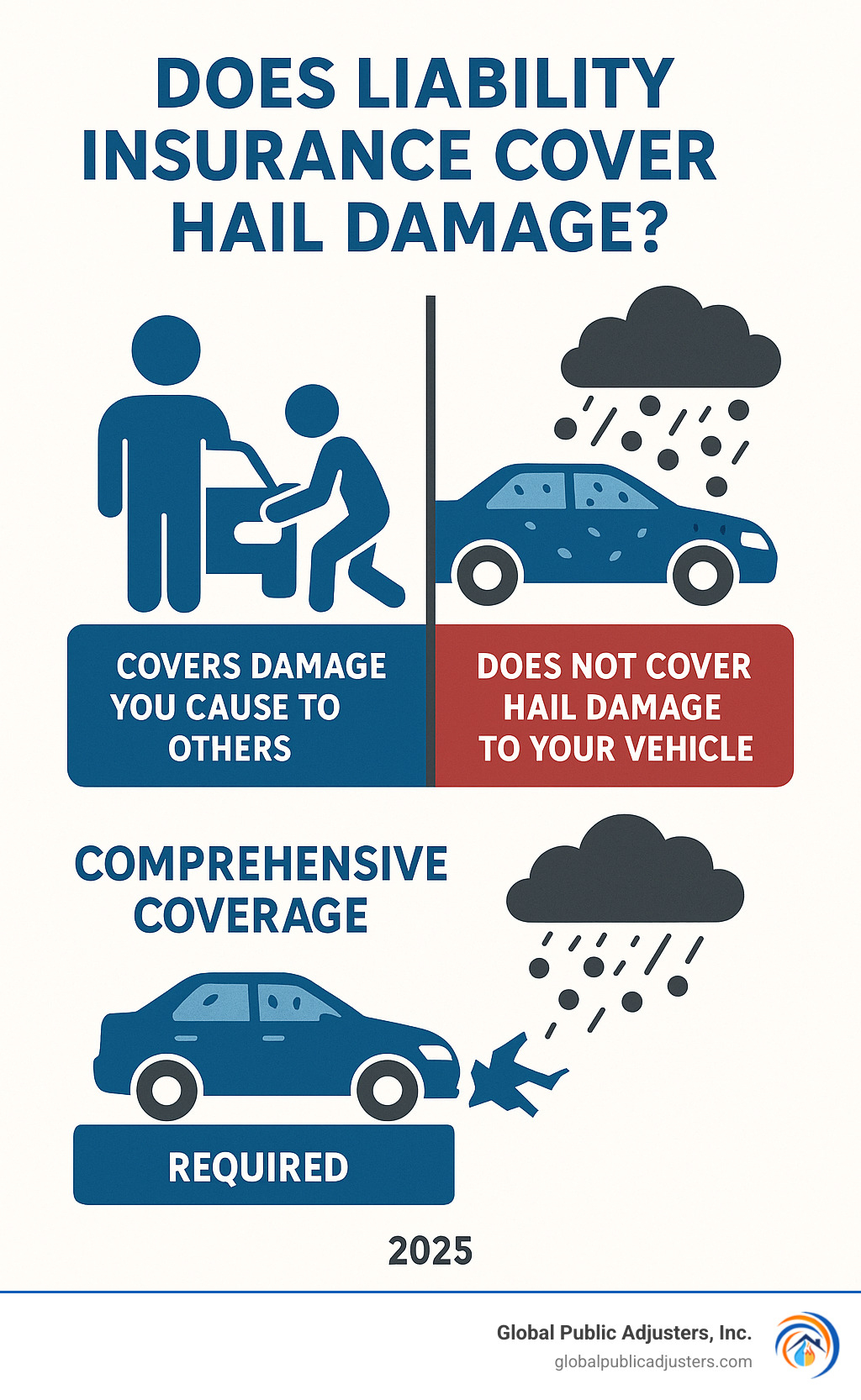
Liability auto insurance does not cover hail damage because its legal purpose is to pay for injuries or property damage you cause to others, not damage to your own vehicle. To protect against hail, you must carry comprehensive insuranc...
Liability auto insurance does not cover hail damage because its legal purpose is to pay for injuries or property damage you cause to others, not damage to your own vehicle. To protect against hail, you must carry comprehensive insurance, which covers non-collision events such as extreme weather, theft, and vandalism.
Contents
For many drivers, the realization that liability insurance offers no protection against the elements comes too late—often after a storm has left their vehicle riddled with dents or shattered glass. In 2026, as atmospheric volatility leads to more frequent and severe hailstorms across North America and Europe, understanding the precise boundaries of your insurance policy is more critical than ever. This guide explains the fundamental differences between coverage types, the financial risks of remaining "liability-only," and how to ensure your vehicle is protected from the sky.
The Legal and Functional Definition of Liability Insurance
To understand why liability insurance excludes hail damage, one must first look at the legal framework of auto insurance. Liability coverage is the foundational requirement for drivers in almost every jurisdiction. It is designed as a third-party protection mechanism. When you are at fault in an accident, your liability insurance pays for the other party’s medical bills (Bodily Injury Liability) and their vehicle repairs or property replacement (Property Damage Liability).
Because the "other party" in a hailstorm is nature itself, there is no entity to hold liable in the traditional sense. Insurance companies categorize hail as an "Act of God" or a "comprehensive peril." Since liability insurance is strictly bound to the damage you cause to someone else, it remains silent when your own property is damaged by natural forces.
Bodily Injury Liability (BI)
This component covers the costs associated with injuries or death that you cause to another person while operating your vehicle. This includes hospital stays, emergency room visits, and sometimes legal fees if you are sued. It provides zero dollars for your own medical expenses or any physical damage to your car.
Property Damage Liability (PD)
This component pays for the repair or replacement of another person’s property. While this usually means their car, it can also include fences, lamp posts, or storefronts. It explicitly excludes your own vehicle. If a hailstorm destroys your windshield, your property damage liability cannot be used to fix it, as you cannot be "liable" to yourself for a weather event.
Why Hail Damage is Classified Under Comprehensive Coverage
In the insurance industry, vehicle damage is generally split into two categories: collision and everything else. Hail falls into the "everything else" category, officially known as comprehensive coverage. This coverage is optional by law but often required by lienholders if you are financing or leasing a vehicle.
Comprehensive insurance is designed to protect the policyholder’s vehicle from unpredictable events that are outside of the driver’s control. These include:
- Weather Events: Hail, hurricanes, tornadoes, and floods.
- Animals: Hitting a deer or damage from rodents.
- Crime: Theft of the vehicle or individual parts (like catalytic converters), and vandalism.
- Falling Objects: Tree branches or debris from construction.
Because hail is an external, environmental factor, it is the textbook definition of a comprehensive claim. If you carry only liability insurance, you are essentially self-insuring against these risks. In 2026, the cost of repairing hail damage has risen significantly due to the prevalence of advanced driver-assistance systems (ADAS) embedded in windshields and high-tech paint finishes that require specialized labor to restore.
The Financial Risk of "Liability-Only" Policies
Choosing to carry only liability insurance is a common strategy for owners of older vehicles with low market value. The logic is that the cost of comprehensive and collision premiums might exceed the potential payout if the car is damaged. However, this calculation often underestimates the destructive power of hail.
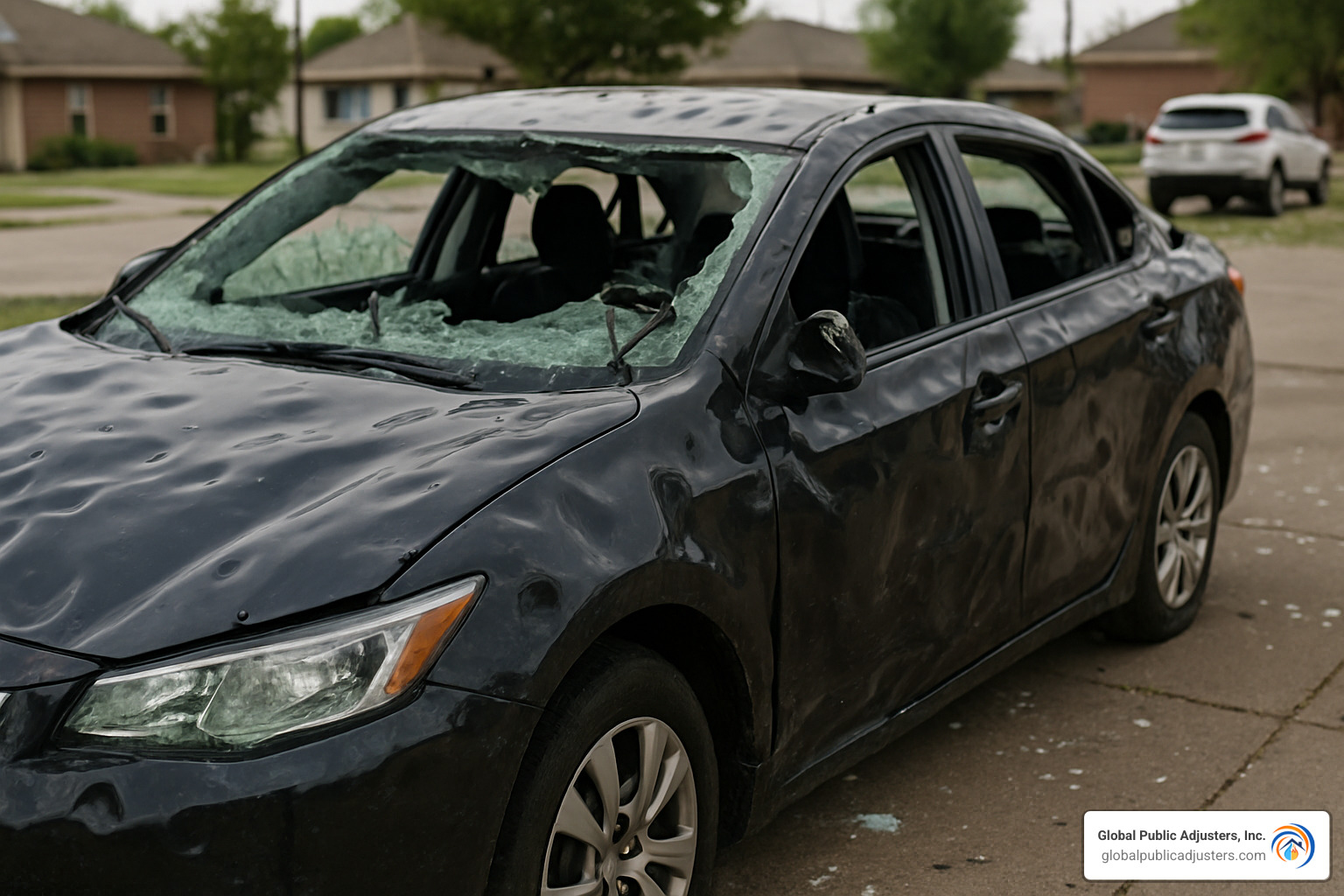
A severe hailstorm can cause "total loss" damage to a vehicle in minutes. This occurs when the cost of "paintless dent repair" (PDR) or panel replacement exceeds a certain percentage of the car's actual cash value (ACV). If a car is worth $8,000 and a hailstorm causes $6,500 in cosmetic and structural damage, an insurance company with comprehensive coverage would likely declare it a total loss. Without comprehensive coverage, the owner is left with a vehicle that has significantly diminished resale value and potentially compromised safety (if the windshield is cracked), with no financial recourse.
The Impact of 2026 Climate Trends
As of 2026, meteorological data shows an increase in "hail days" in regions previously considered low-risk. This shift means that the "liability-only" gamble is becoming riskier. Drivers in the "Hail Alley" regions of the Great Plains have long known this, but drivers in the Northeast and Pacific Northwest are now seeing larger hailstones that can penetrate sunroofs and dent heavy-gauge steel.
Comparing Coverage Types: What Each Protects
To clarify where hail damage fits into your policy, it is helpful to compare the three primary pillars of auto insurance.
| Coverage Type | What it Protects | Is it Required? | Covers Hail? |
|---|---|---|---|
| Liability | Other people's injuries and their property. | Yes (in almost all states/provinces). | No |
| Collision | Your car, regardless of fault, in an accident with another car or object. | No (unless required by a lender). | No |
| Comprehensive | Your car from non-collision events (Weather, Theft, Vandalism). | No (unless required by a lender). | Yes |
| Uninsured Motorist | You and your car if hit by someone without insurance. | Sometimes (varies by state). | No |
How to Verify and Update Your Coverage
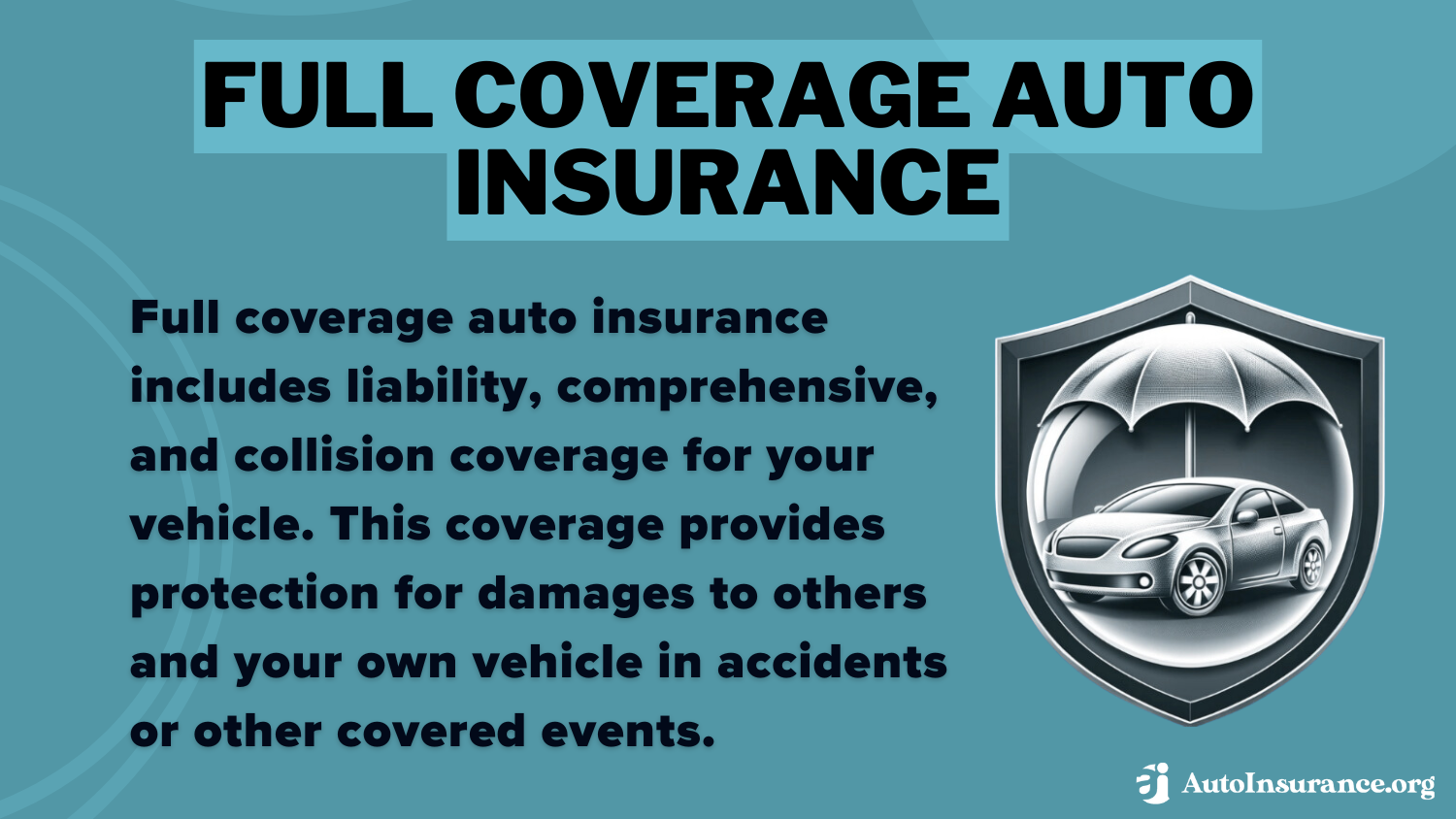
If you are concerned about hail damage, you should not assume you have "full coverage." The term "full coverage" is a marketing phrase and not a legal insurance definition. It typically refers to a bundle of liability, collision, and comprehensive insurance.
1. Review Your Declarations Page
Your insurance declarations page (or "dec page") lists every specific coverage you pay for. Look for the word "Comprehensive" or "Other Than Collision." If you only see "Bodily Injury" and "Property Damage," you are not covered for hail.
2. Assess Your Deductible
Comprehensive coverage usually comes with a deductible (e.g., $500 or $1,000). This is the amount you pay out of pocket before the insurance company covers the rest. In 2026, some insurers offer "Zero-Deductible Glass Coverage" as an add-on to comprehensive policies, which is particularly useful for hail-prone areas where windshield replacement is the most common claim.
3. Consider the Vehicle Value
If your car is worth more than $3,000 to $4,000, the annual cost of adding comprehensive insurance is usually justified by the risk of a single hailstorm. You can request a quote from your agent to see the specific price difference; often, adding comprehensive insurance is surprisingly affordable compared to collision coverage.
The Claim Process for Hail Damage
If you do have comprehensive coverage and your car is damaged by hail, the process differs from a standard accident claim. Because hail is a "no-fault" event, filing a claim generally does not result in the same premium spikes that an at-fault accident would, though frequent claims in a specific geographic area can cause regional rate adjustments.
- Documentation: Take photos of the car immediately after the storm, including close-ups of the dents and any broken glass. If possible, take a photo of the hailstones next to a common object (like a coin) to show their size.
- Prevent Further Damage: If your windows are broken, cover them with plastic or a tarp. Insurance policies require you to take "reasonable steps" to prevent additional damage (like rain ruining the interior).
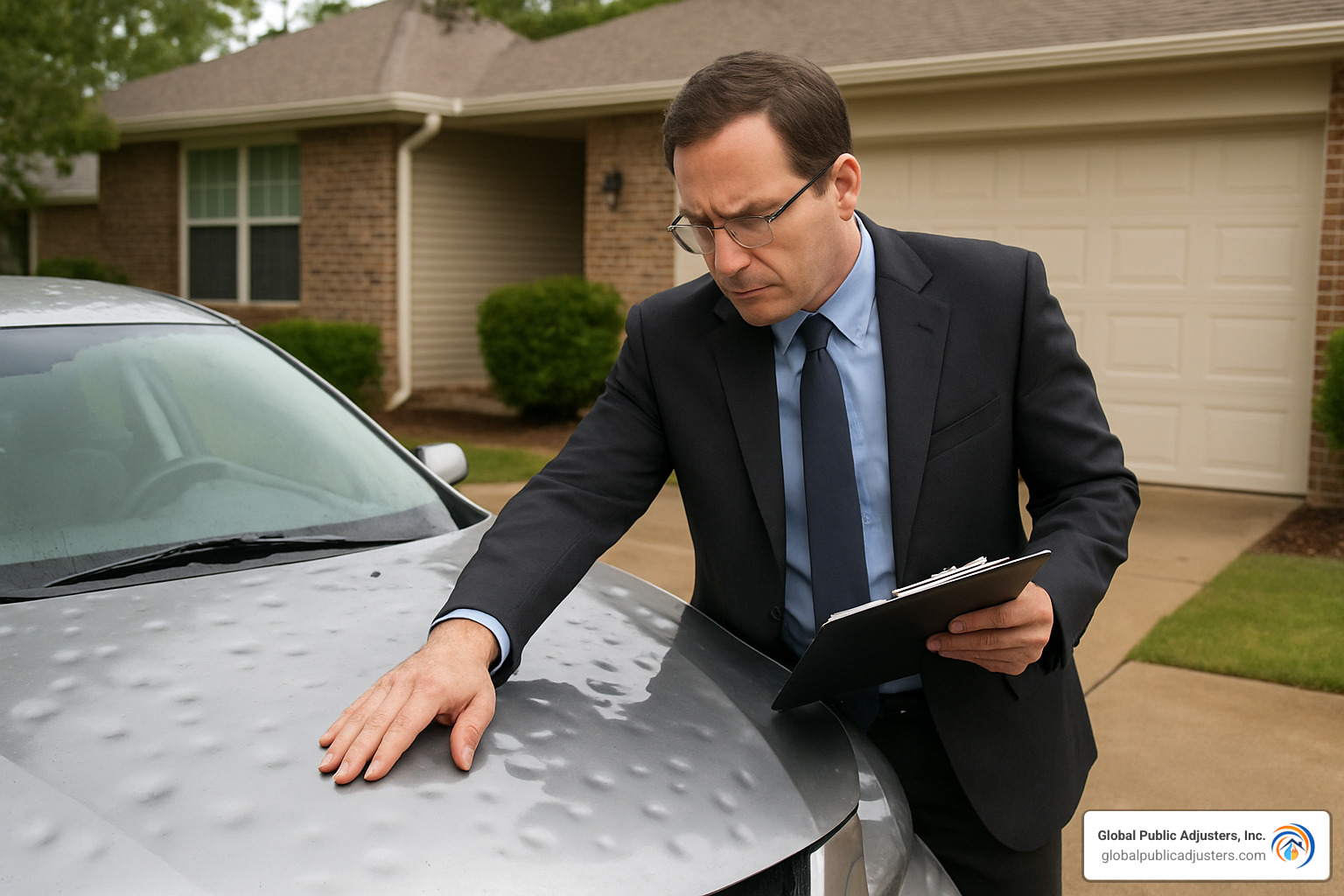
- Professional Assessment: Insurance adjusters will often use specialized lights to see every dent. In 2026, many companies use AI-driven mobile apps that allow you to scan the car with your smartphone to generate a preliminary repair estimate.
Common Misconceptions About Weather and Liability
One of the most persistent myths is that if a vehicle is parked on someone else's property—such as a parking garage or a friend’s driveway—their liability insurance will cover the hail damage to your car. This is false. Property owners are generally only liable for damage to your vehicle if their negligence caused the damage (for example, if a poorly maintained sign fell on your car). They are not liable for weather events. Your own comprehensive auto policy is the only standard vehicle coverage that applies to hail.
Furthermore, some drivers believe that "Emergency Roadside Assistance" or "Gap Insurance" might cover physical damage. These are specialized products: Roadside assistance helps with mechanical breakdowns or tires, and Gap insurance covers the difference between your loan balance and the car's value if you have a total loss covered by comprehensive or collision insurance. Neither serves as a substitute for comprehensive coverage itself.
Professional Advice Limitation
The information provided in this article is for educational purposes and reflects general insurance industry standards as of 2026. Insurance laws and policy terms vary significantly by jurisdiction and individual provider. Always consult with a licensed insurance agent or legal professional in your specific region to verify coverage details and state-mandated requirements.
Frequently Asked Questions
Can I add comprehensive insurance right before a forecasted storm?
Most insurance companies implement a "binding restriction" or "moratorium" when a severe weather warning (like a hurricane or a major hailstorm) is issued for a specific area. This prevents people from buying coverage only when a loss is imminent. It is best to secure coverage well in advance of storm seasons.
Does hail damage count as an "accident" on my vehicle history report?
Yes, insurance claims for hail damage will typically appear on reports like CARFAX or AutoCheck. While it is not a "collision accident," it indicates that the vehicle underwent significant repairs. However, "paintless dent repair" is often viewed more favorably by buyers than traditional bodywork involving fillers and repainting.
Is my car totaled if it has hail dents but still drives perfectly?
A car is considered "totaled" based on the cost of repair versus the value of the car, not its drivability. If the cost to pop out hundreds of dents exceeds the insurance company's threshold (usually 70-80% of the car's value), they will declare it a total loss. You may have the option to "buy back" the salvaged vehicle, but it will have a branded title.
Will my rates go up if I file a hail claim?
Generally, a single comprehensive claim for weather damage will not increase your rates as much as an at-fault accident. However, insurance companies look at "risk pools." If your entire zip code files hail claims, the insurer may raise rates for everyone in that area during the next renewal cycle to account for the increased environmental risk.
Does liability insurance cover a tree falling on my car during a storm?
No. Just like hail, a falling tree is considered a comprehensive peril. Liability insurance only covers damage your car causes to the tree or the property it sits on, assuming you were at fault (e.g., you drove into the tree). If the tree falls on your parked car, you need comprehensive coverage.
Next Steps for Drivers
If you currently carry only liability insurance, your next step should be to obtain a quote for adding comprehensive coverage. Contact your insurance provider and ask for the "comprehensive premium" for your specific vehicle. Evaluate this cost against your vehicle's value and your ability to pay for a replacement car out of pocket if a storm occurs. In the volatile weather landscape of 2026, moving beyond basic liability is often the most cost-effective way to protect your mobile assets.
Image Gallery