How to Use a Credit Card to Send Money: Methods, Costs, and Risks
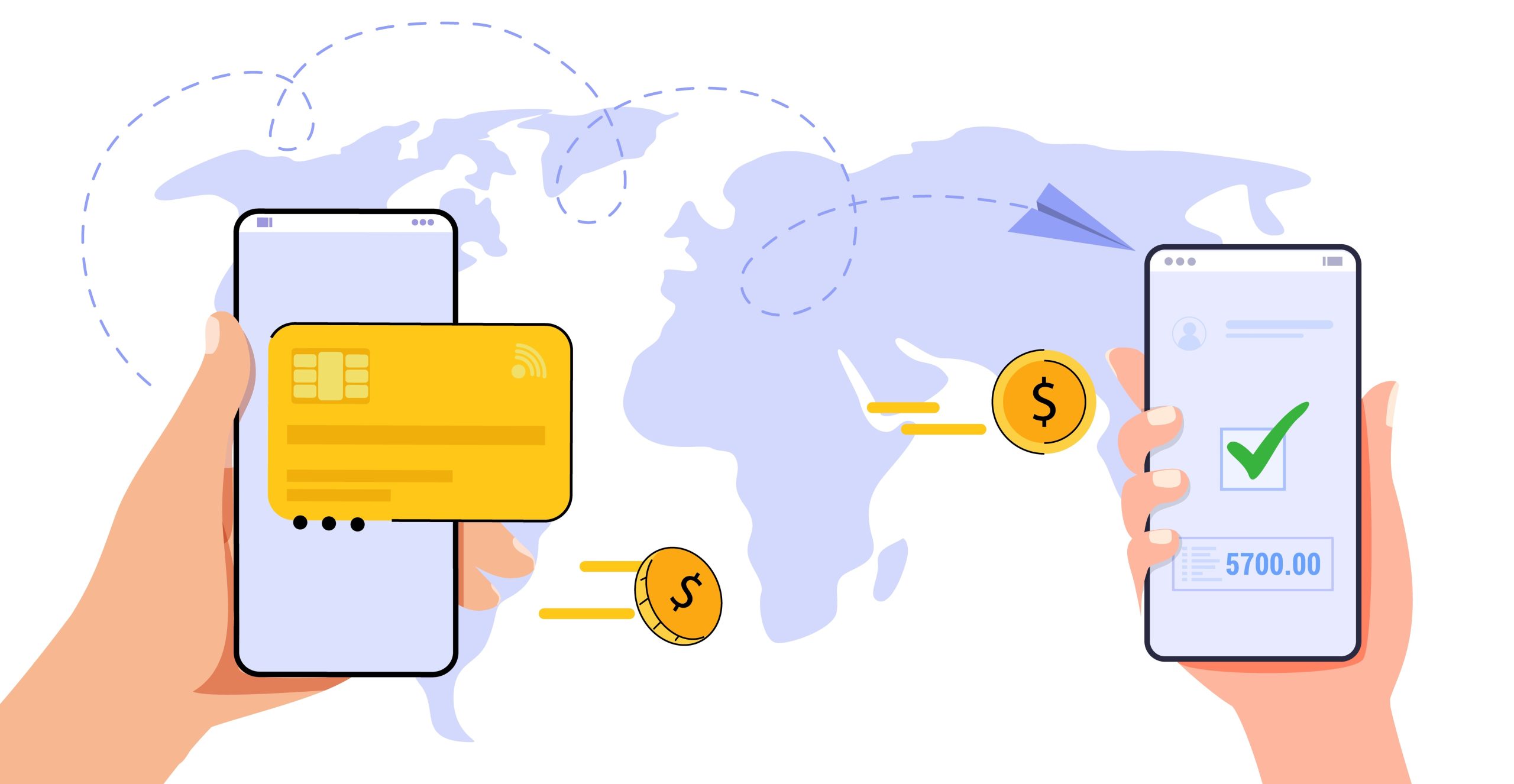
Sending money using a credit card is possible through digital wallets, money transfer services, and specialized cash advance features. While convenient, this method typically treats the transaction as a cash advance rather than a stand...
Sending money using a credit card is possible through digital wallets, money transfer services, and specialized cash advance features. While convenient, this method typically treats the transaction as a cash advance rather than a standard purchase, resulting in immediate high-interest charges and additional processing fees. Users must weigh the speed of these services against the significant financial costs involved.
Contents
Understanding the Mechanism of Credit Card Transfers
When you use a credit card to send money, you are generally utilizing the "cash equivalent" functionality of your credit line. Unlike a standard retail transaction where a merchant pays a processing fee, sending money transfers liquid capital to a recipient. Consequently, card issuers categorize these transactions under the same rules as withdrawing cash from an ATM.
Understanding this distinction is vital. When you purchase goods, you benefit from a "grace period"—a window of time, usually 21 to 25 days, during which you can pay your statement balance without incurring interest. When you use your credit card to send money, that grace period vanishes. Interest typically begins to accrue on the transaction date, and the Annual Percentage Rate (APR) applied to cash advances is often significantly higher than the standard purchase APR.
Primary Methods for Sending Money via Credit Card
Several platforms facilitate the transfer of funds using a credit card. Choosing the right one depends on your recipient’s needs and the fees you are willing to absorb.
1. Peer-to-Peer (P2P) Payment Apps
Platforms like Venmo, Cash App, and PayPal remain the most common tools for domestic transfers. By linking your credit card to your account, you can send funds to friends, family, or service providers.
- The Process: You add your credit card as a funding source in the app. When you send money, you select the credit card instead of your bank account.
- The Catch: These apps usually charge a flat fee (often 3%) for credit card-funded transactions. Furthermore, your bank will likely treat the transaction as a cash advance, triggering extra bank-specific fees and interest.
2. Specialized Money Transfer Services
Services like Western Union or MoneyGram allow for domestic and international transfers via credit card. These are designed for scenarios where the recipient may not have a digital wallet or requires cash pickup.
- The Process: You provide your credit card details at the kiosk or via the provider’s website to fund the remittance.
- The Catch: In addition to the transfer fees charged by the service, you will again encounter the cash advance rules set by your credit card issuer.
3. Online Bill Pay and Direct Deposits
Some credit card issuers provide "Convenience Checks" or direct-to-bank transfer features. These are formal cash advance requests where the issuer sends money to a third party on your behalf. These are the most expensive options, as they carry both transaction fees (typically 3–5%) and immediate, high-interest rates.
Financial Implications and Hidden Costs
Before initiating a transfer, it is necessary to perform a cost-benefit analysis. The cumulative cost of using a credit card for liquidity can be substantial.
| Cost Component | Typical Impact |
|---|---|
| Transaction Fee | 3%–5% of the total transfer amount (paid to the app or service). |
| Cash Advance Fee | 3%–5% (paid to your credit card issuer). |
| Cash Advance APR | Often 25%–30%+, starting immediately. |
| ATM/Bank Surcharges | Variable, depending on the recipient’s bank and service platform. |
By combining these fees, you could easily pay 8% to 10% of the total transferred amount just for the privilege of accessing your credit limit for cash. Always check your credit card’s "Schumer Box"—the summary of rates and fees—to verify your specific cash advance terms.
Prerequisites for Success
To ensure your transfer goes through without account locks, ensure you meet the following requirements:
- Verify Credit Limit: Cash advances usually have a separate, lower limit than your total credit line. Sending a large amount may be declined even if your purchase balance is low.
- Account Verification: Ensure both your credit card account and your transfer app are fully verified. Unverified accounts may face lower daily limits or temporary security freezes.
- Notification: For large transfers, it is advisable to notify your credit card issuer via their mobile app or support line to prevent the transaction from being flagged as fraudulent activity.
Common Risks and Mitigation Strategies
Sending money via credit card is not without risk. Beyond the high financial cost, consider these security and operational factors:
- Fraud Liability: If you send money to an unknown party via a P2P app using a credit card, you have very little recourse if the recipient does not provide the expected goods or services. Credit card issuers rarely offer purchase protection for cash-equivalent transfers.
- Credit Score Impact: Regularly utilizing cash advances may signal financial distress to credit reporting agencies and lenders. Furthermore, high balances on your card will increase your credit utilization ratio, which is a significant factor in your credit score.
- Irreversibility: Most digital transfers are instant. Once the money is sent, it is nearly impossible to initiate a chargeback. Treat these transfers like cash—once they are gone, they are gone.
Troubleshooting Failed Transfers
If your transfer is declined, do not immediately attempt to resubmit. Multiple failed attempts can trigger fraud alerts that lock your card for 24–48 hours. Instead:
- Check the Cash Advance Limit: Ensure you have enough available "cash" credit, not just "purchase" credit.
- Verify PINs and Security Codes: Many apps require you to authenticate the transaction via a one-time passcode or app-based biometric verification.
- Update Billing Info: Ensure the billing address on your credit card matches the address registered in the payment app.
Frequently Asked Questions
Does sending money with a credit card earn rewards? In most cases, no. Credit card issuers classify money transfers as cash equivalents, which are explicitly excluded from earning points, miles, or cash back.
Are there any free ways to send money with a credit card? No. Because credit card companies pay "interchange fees" to merchants, they do not subsidize transfers to individuals. Any service promising "free" money transfers via credit card is likely a scam or will surprise you with hidden costs later.
How do I know if my card treats a transfer as a cash advance? Review your cardholder agreement. Almost all general-purpose credit cards treat transfers to P2P apps or money remittance services as cash advances. If the transaction code is categorized as such, interest will accrue immediately.
Can I pay my credit card bill with another credit card? No. You cannot use one credit card to pay off the balance of another. This is considered "debt surfing" and is prohibited by virtually all financial institutions.
What is the safest way to send money if I don't have cash? If you must use credit, a low-interest personal loan or a line of credit from your bank is generally far cheaper than a credit card cash advance. If the situation is not urgent, waiting for your bank balance to replenish is the only way to avoid these high fees.
Recommendation
If you must use a credit card to send money, treat it as a high-cost emergency loan. Always pay off the balance immediately—within days, not weeks—to minimize the impact of the daily accruing interest. If you find yourself needing to send money frequently, explore traditional banking methods such as ACH transfers or wire transfers, which do not carry the punitive fee structures associated with credit card cash advances.
Image Gallery