Mastering the Strategy: How to Roll a Call Option Efficiently
Rolling a call option involves simultaneously closing an existing position and opening a new one in the same underlying asset with a different expiration date or strike price. Investors utilize this tactic to extend the duration of a b...
Rolling a call option involves simultaneously closing an existing position and opening a new one in the same underlying asset with a different expiration date or strike price. Investors utilize this tactic to extend the duration of a bullish trade, manage time decay (theta), or adjust their exposure to the underlying security without fully liquidating their market position.
Contents
The Mechanics of Rolling Options
At its core, a "roll" is not a single order type provided by a brokerage, but rather a combination of two distinct transactions. To roll a call option, you are effectively executing a spread transaction where you sell (or buy back) your current position and use the proceeds or additional capital to purchase a new position.
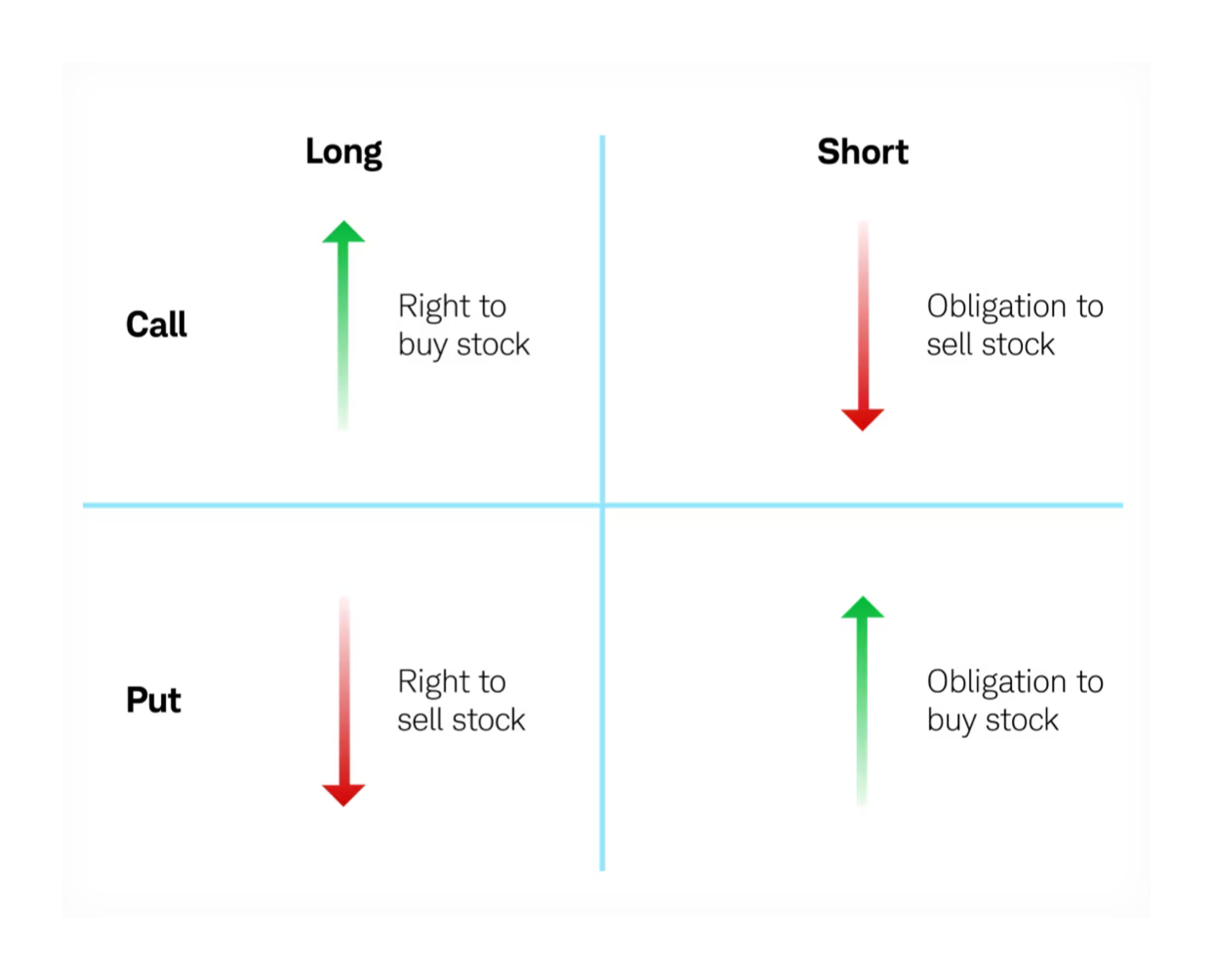
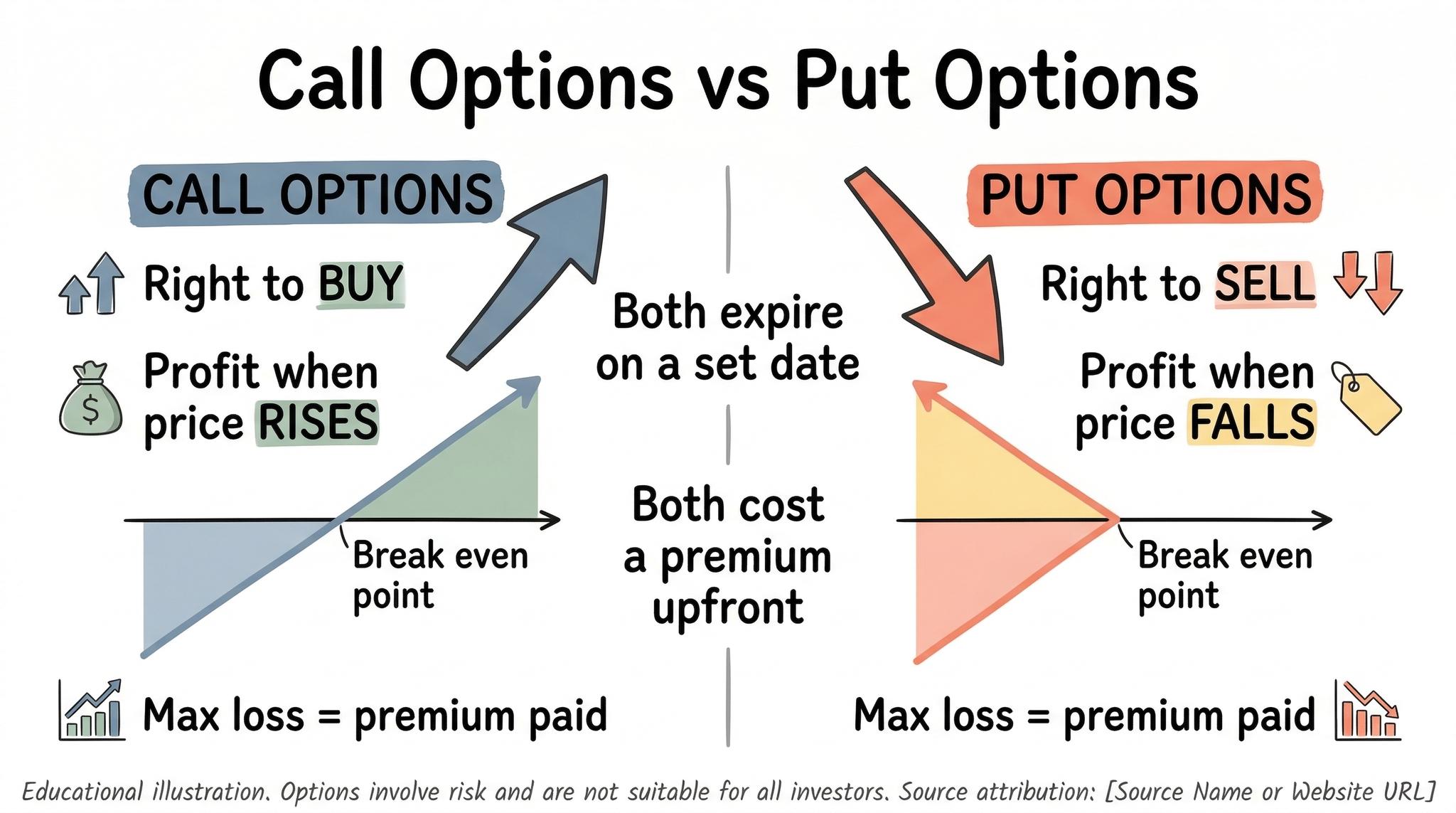
When you hold a long call option, rolling it typically means selling the current option before its expiration and buying a new call option with a later expiration date. This is often referred to as "rolling out." If you change the strike price simultaneously, you are "rolling out and up" or "rolling out and down," depending on your outlook for the underlying asset.
The efficiency of this maneuver depends heavily on the "net debit" or "net credit" of the trade. An efficient roll minimizes the additional capital required to maintain the position, ensuring that the cost of the new option is balanced effectively against the value recovered from the old one.
Prerequisites for Efficient Rolling
Before attempting to roll a call option, you must ensure your brokerage account is properly configured and that you have a clear understanding of the market conditions.
- Approval Levels: Ensure your brokerage account is approved for multi-leg option strategies. While a roll is two legs, many trading platforms offer a "Roll" button that automates the submission as a single complex order.
- Liquidity Assessment: Check the open interest and bid-ask spreads for both the current and the target option. If the spread is too wide, the cost of entering and exiting the positions could erode the efficiency of the roll.
- Capital Requirements: Determine whether you are performing a debit roll (paying money to extend the position) or a credit roll (receiving money while adjusting the position).
- Market Timing: Rolling is most efficient when the volatility environment is favorable. Consider the implied volatility (IV) of the target expiration compared to your current position.
Step-by-Step Execution Guide
To execute a roll efficiently, follow this structured approach to avoid common execution errors:
- Step 1: Identify the Position: Navigate to your open positions in your brokerage interface. Identify the long call option that is nearing expiration or failing to meet performance expectations.
- Step 2: Use the "Roll" Feature: Most professional trading platforms (such as Thinkorswim, Interactive Brokers, or E*TRADE) provide a "Roll" option within the right-click menu or the trade ticket. This links the two orders, which is critical for reducing execution risk.
- Step 3: Define the Parameters: Select the new expiration date and strike price. The platform will automatically calculate the net price.
- Step 4: Analyze the Net Price: Look at the "limit" price. If you are rolling for a debit, you want to pay as little as possible. If you are rolling for a credit, you want to receive as much as possible.
- Step 5: Execute as a Single Spread Order: Always attempt to execute the roll as a single order rather than two separate trades. This prevents "leg risk," where the price of one contract moves significantly before you can fill the second half of your trade.
Comparison of Rolling Strategies
The following table summarizes how different roll variations impact your position’s cost basis and market risk.
| Strategy Type | Objective | Impact on Cost Basis | Risk Profile |
|---|---|---|---|
| Roll Out | Extend time; maintain strike | Increases (Debit) | Maintains delta exposure |
| Roll Out & Up | Capitalize on bullish move | Neutral to Debit | Decreases delta sensitivity |
| Roll Out & Down | Reduce risk/cost during downturn | Credit or Low Debit | Increases delta sensitivity |
| Roll In | Shorten duration; harvest profit | Credit | Increases gamma risk |
Managing Risks and Costs
Efficiency is not solely defined by the execution speed; it is defined by the impact on your total portfolio return. The most significant hidden cost in rolling is the transaction fee structure and the bid-ask spread.
- Transaction Costs: Frequent rolling can lead to high commission costs depending on your broker’s fee schedule. In 2026, many retail brokers offer zero-commission trading on stocks and ETFs, but options contracts often still carry per-contract fees. Monitor these expenses closely.
- Slippage: This occurs when the execution price is worse than the mid-price you saw when you initiated the order. By using a "limit order" instead of a "market order," you can control your execution price and mitigate slippage.
- Tax Implications: In many jurisdictions, closing an option position triggers a taxable event (short-term capital gain or loss). Rolling is technically a sale followed by a purchase; consult with a tax professional regarding how these transactions are aggregated for your specific tax reporting requirements.
Common Mistakes to Avoid
Even experienced traders encounter pitfalls when managing rolls. Avoiding these errors is essential for maintaining a disciplined approach to option management:
- Over-rolling: Rolling a position simply because it is losing value is a common psychological trap. If the underlying thesis for the trade has changed, it is often more efficient to close the position entirely rather than "throwing good money after bad" by extending the duration.
- Ignoring Delta: When you roll, you change the probability of the option expiring in the money (ITM). Always check the delta of the new option to ensure it aligns with your original risk tolerance.
- Trading Too Close to Expiration: Rolling on the day of expiration is inherently riskier due to increased volatility and the possibility of rapid price swings. It is generally more efficient to roll a few days or weeks before expiration to maintain better control over the spread.
Frequently Asked Questions
What happens if I cannot roll for a net credit? Rolling for a net credit is ideal, but rarely possible when rolling "out" to a longer duration. If you must roll for a debit, ensure the cost is justified by the increased time value you are purchasing.
Does rolling an option change my cost basis? Yes. In tax terms, the gain or loss on the initial option is realized when you close the first leg. The new option carries its own cost basis, which is the premium paid to open it.
Is it better to roll or just let the option expire? If an option is deep out-of-the-money (OTM) and has little chance of recovery, letting it expire may be more efficient than paying commissions to roll it. Rolling is reserved for positions you still believe have directional potential.
How do I decide which strike price to roll to? Base your strike price decision on your updated technical analysis. If the underlying stock has moved significantly, you may need to adjust your strike to maintain a specific "delta" (a measure of price sensitivity).
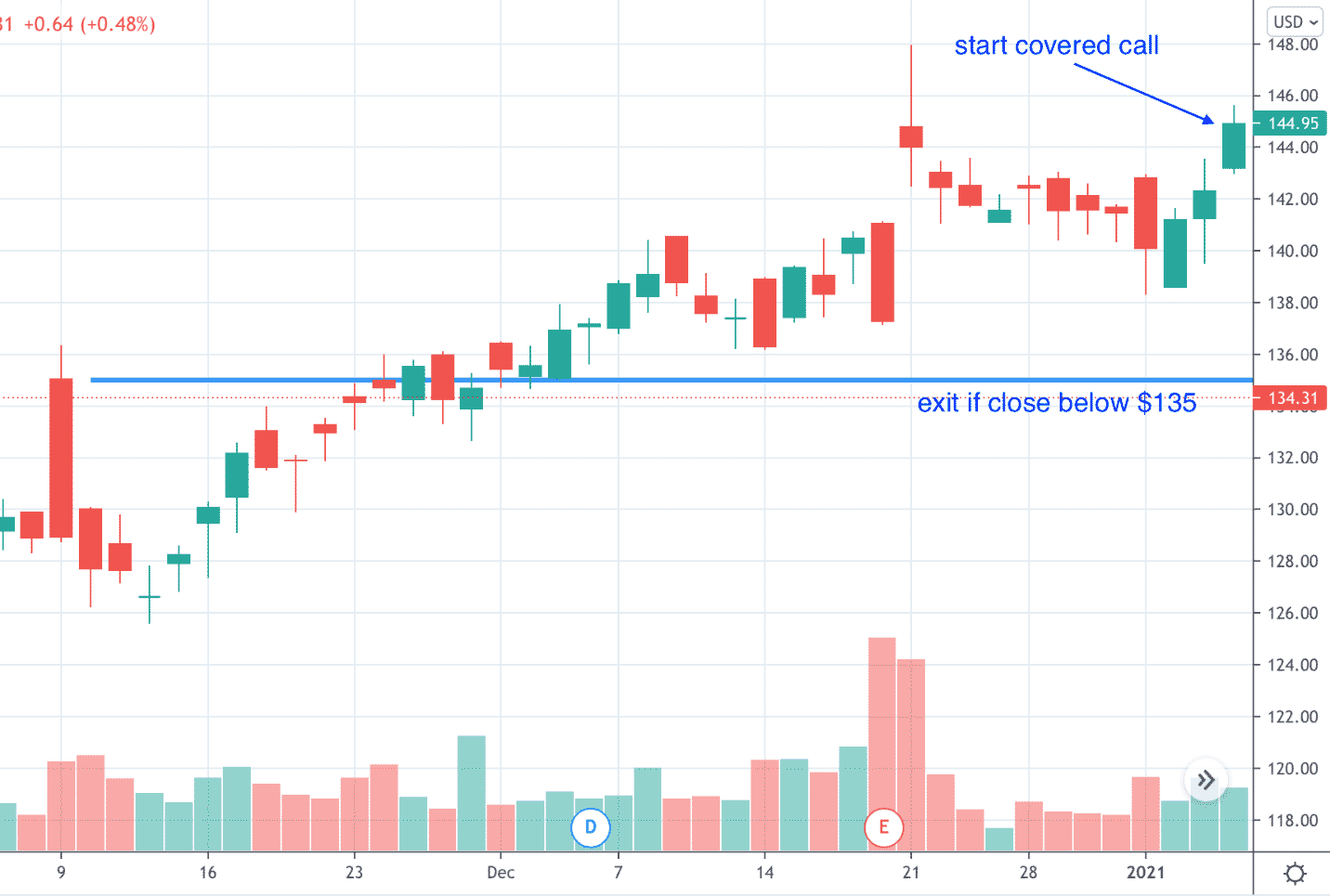
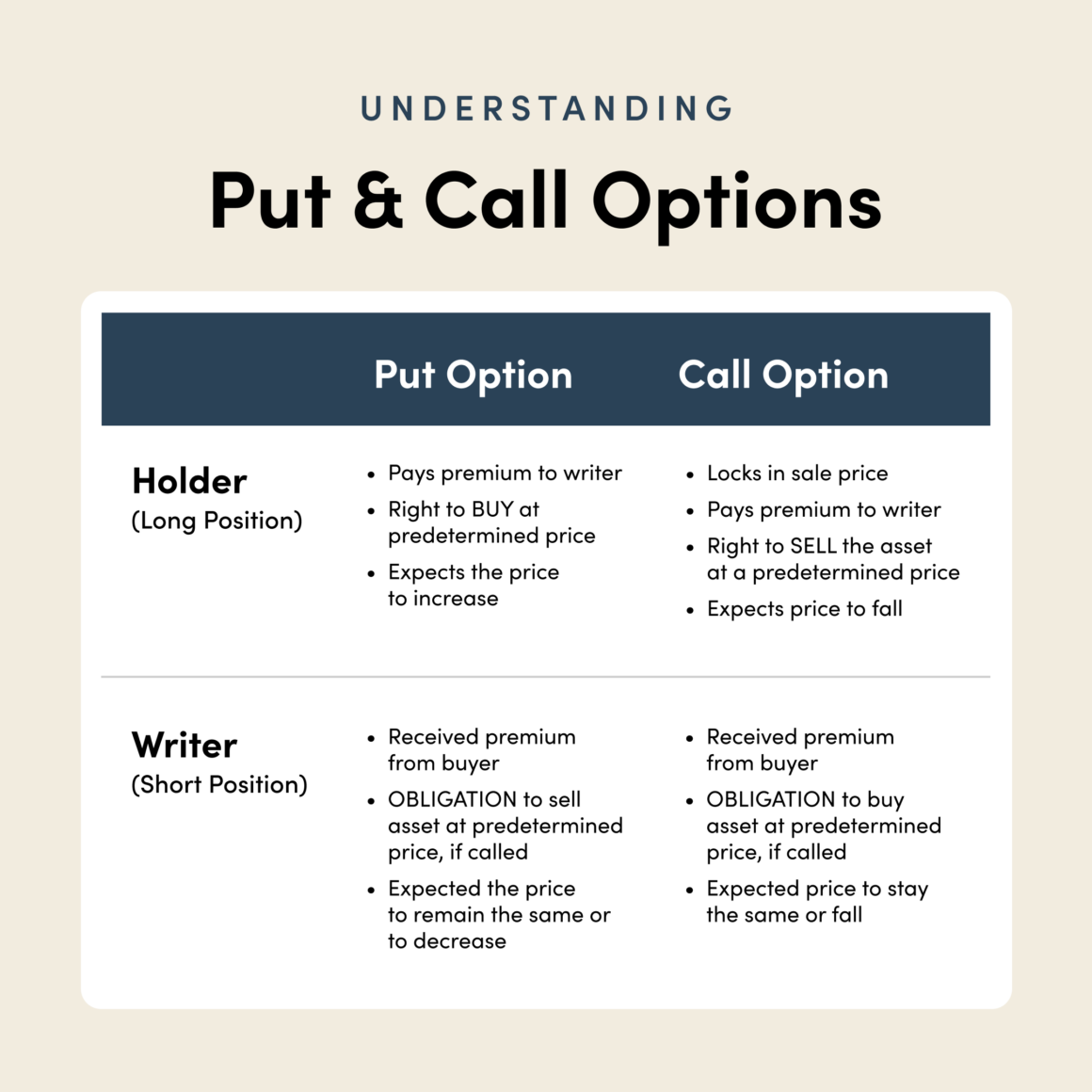
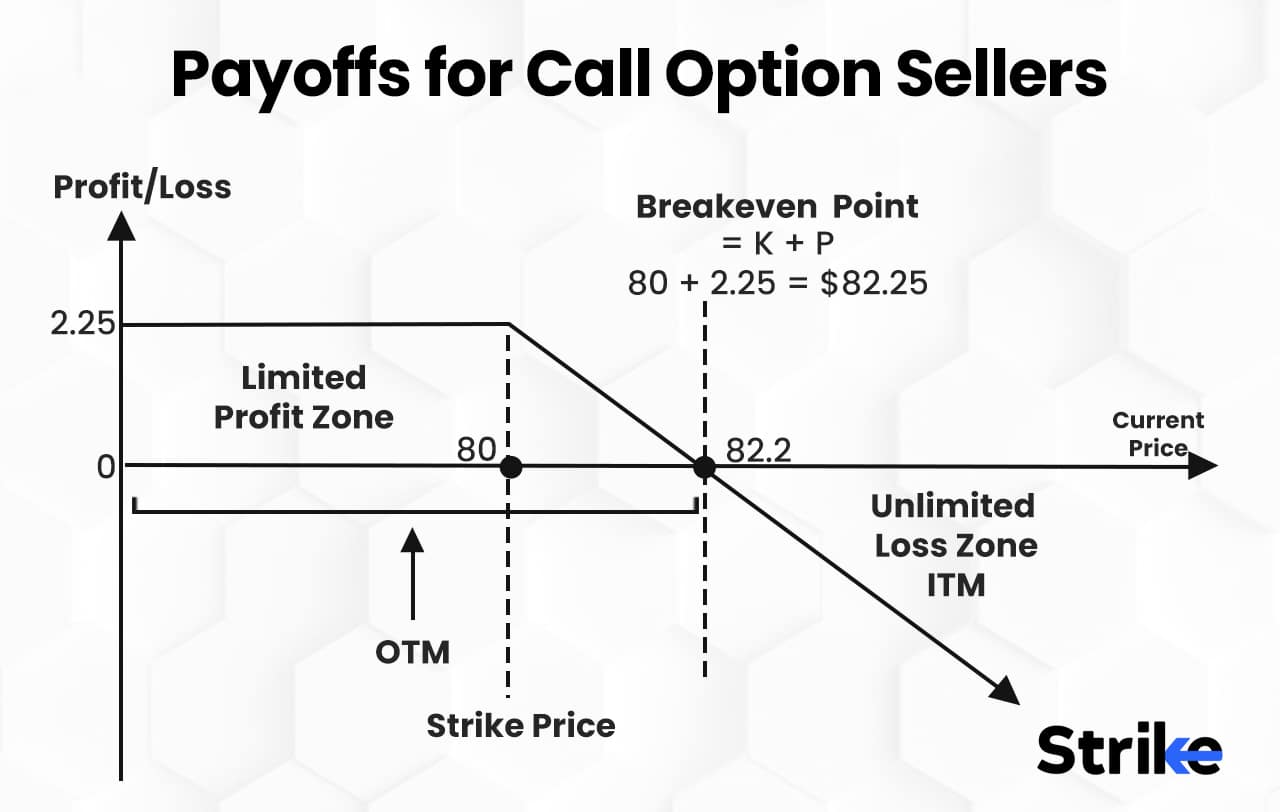
Can I roll short call options (covered calls)? Yes, but the logic is reversed. When rolling a short call, you are closing a position you sold (buying back the call) and selling a new one further out in time. This is often done to avoid assignment on a stock you wish to continue holding.
Final Next Action
To refine your process, perform a "cost-benefit analysis" on your next potential roll. Before clicking the "send" button, write down the delta of your current position and the projected delta of the new position. If the difference does not align with your market outlook, reconsider the strike price or simply allow the current position to conclude. Always execute using a limit order set near the current mid-price to ensure you are receiving the most efficient execution available in the 2026 market environment.
Image Gallery