How Long Does It Take to Get Car Insurance? Timeline and Process in 2026
In 2026, obtaining a car insurance policy typically takes between 15 and 60 minutes for most standard drivers using online platforms. While the application and payment processes are often near-instant, specific factors—such as a comple...
In 2026, obtaining a car insurance policy typically takes between 15 and 60 minutes for most standard drivers using online platforms. While the application and payment processes are often near-instant, specific factors—such as a complex driving history, specialized vehicle types, or manual underwriting requirements—can extend the timeframe to 24 or 48 hours.
Contents
The speed at which you can secure coverage is largely determined by how prepared you are with your documentation and the complexity of your risk profile. For the vast majority of consumers, the transition from "searching for a quote" to "having a digital ID card" happens within a single browsing session. However, understanding the underlying mechanics of insurance binding is essential to ensure that your coverage is legally active before you get behind the wheel.
The Standard Timeline for Online Car Insurance
The modern insurance landscape is built on high-speed data exchange. When you submit an application, the insurance company's servers communicate almost instantly with various databases, including state Departments of Motor Vehicles (DMVs) and credit reporting agencies. This allows for a "real-time" underwriting process.
The Quoting Phase (5 to 15 Minutes)
The first step is gathering quotes. In 2026, most major carriers and comparison engines use "smart forms" that can pre-fill information based on your name and address. This stage involves:
- Entering Personal Data: Name, date of birth, and Social Security number (to pull insurance scores).
- Vehicle Identification: Entering the Vehicle Identification Number (VIN) or selecting the year, make, and model.
- Coverage Selection: Choosing liability limits, comprehensive/collision deductibles, and add-ons like roadside assistance.
The Underwriting and Approval Phase (5 to 10 Minutes)
Once you select a quote, the carrier performs a deeper dive. This is where "automated underwriting" happens. The system checks your Motor Vehicle Record (MVR) for recent accidents or tickets and verifies your claims history through reports like CLUE (Comprehensive Loss Underwriting Exchange). If your record is clean, approval is usually instantaneous.
The Binding and Payment Phase (5 to 10 Minutes)
After approval, you must "bind" the policy. This involves signing the legal documents (usually via e-signature) and making the initial payment. Once the payment is processed, the insurer issues a policy number and a temporary digital insurance ID card.
Factors That Can Delay Your Coverage
While the 15-minute window is the benchmark for the "standard" driver, several variables can trigger a manual review, extending the timeline by several hours or even days.
1. High-Risk Driving Profiles
If you have a history of serious infractions, such as multiple at-fault accidents or a recent DUI, the automated system may flag your application. A human underwriter might need to review the file to determine the appropriate risk premium. This manual intervention often takes one to two business days.
2. Specialized or High-Value Vehicles
Insuring a standard sedan is straightforward. However, if you are seeking coverage for a classic car, a high-performance supercar, or a custom-built vehicle, the process is more rigorous. Carriers may require a professional appraisal or photos of the vehicle to verify its condition and value before they agree to bind the policy.
3. Verification of Discounts
Certain discounts require manual verification. For example, if you are claiming a discount for a specialized anti-theft system or a professional organization membership, the insurer might wait until you upload supporting documentation before finalizing the policy.
4. Manual Underwriting for New Carriers
Smaller, niche insurance companies may not have the same level of technological integration as national giants. In these cases, even a "clean" application might go through a manual queue, leading to a delay of 24 hours.
Prerequisites: What You Need to Speed Up the Process
To ensure you fall into the "under 30 minutes" category, you should have all necessary information prepared before you start the application. Delays often occur when a driver has to stop to hunt for a document.
- Driver’s License Numbers: You will need the license number for every driver you intend to list on the policy.
- The VIN (Vehicle Identification Number): This 17-character code is essential for an accurate quote. It tells the insurer exactly what safety features and engine type the car has.
- Current Policy Information: If you are switching carriers, having your current "Declarations Page" is helpful. It allows you to match your current coverage limits exactly so you can make an "apples-to-apples" price comparison.
- Odometer Reading: An accurate mileage count is often required, especially for "pay-per-mile" or low-mileage discount programs.
- Payment Method: A credit card, debit card, or bank account routing number for the initial "down payment" or full premium payment.
Comparing Insurance Acquisition Methods
How you choose to buy insurance significantly impacts how long the process takes. While digital methods are fastest, traditional methods still offer value for complex needs.
| Method | Estimated Time | Best For |
|---|---|---|
| Online/Mobile App | 15–30 Minutes | Standard drivers, quick switches, and tech-savvy users. |
| Captive Agent (e.g., State Farm) | 30–60 Minutes | Drivers who want a personal relationship and expert advice. |
| Independent Broker | 1–2 Business Days | High-risk drivers or those with multiple properties/cars needing bundled coverage. |
| Phone Application | 30–45 Minutes | People who have specific questions or a slightly complex history. |
Why "Instant" Insurance Isn't Always Instant
It is important to distinguish between receiving a quote and having an active policy. Many advertisements promise a quote in "two minutes or less," but this is merely a price estimate based on the information you provided.
The policy only becomes "active" or "bound" after the insurer verifies your data. If the MVR report reveals a speeding ticket you forgot to mention, the price will change instantly, or the application may be paused for further review. Furthermore, some states have specific "waiting periods" for certain types of specialized coverage, although this is rare for standard personal auto policies.
Buying Insurance at the Dealership
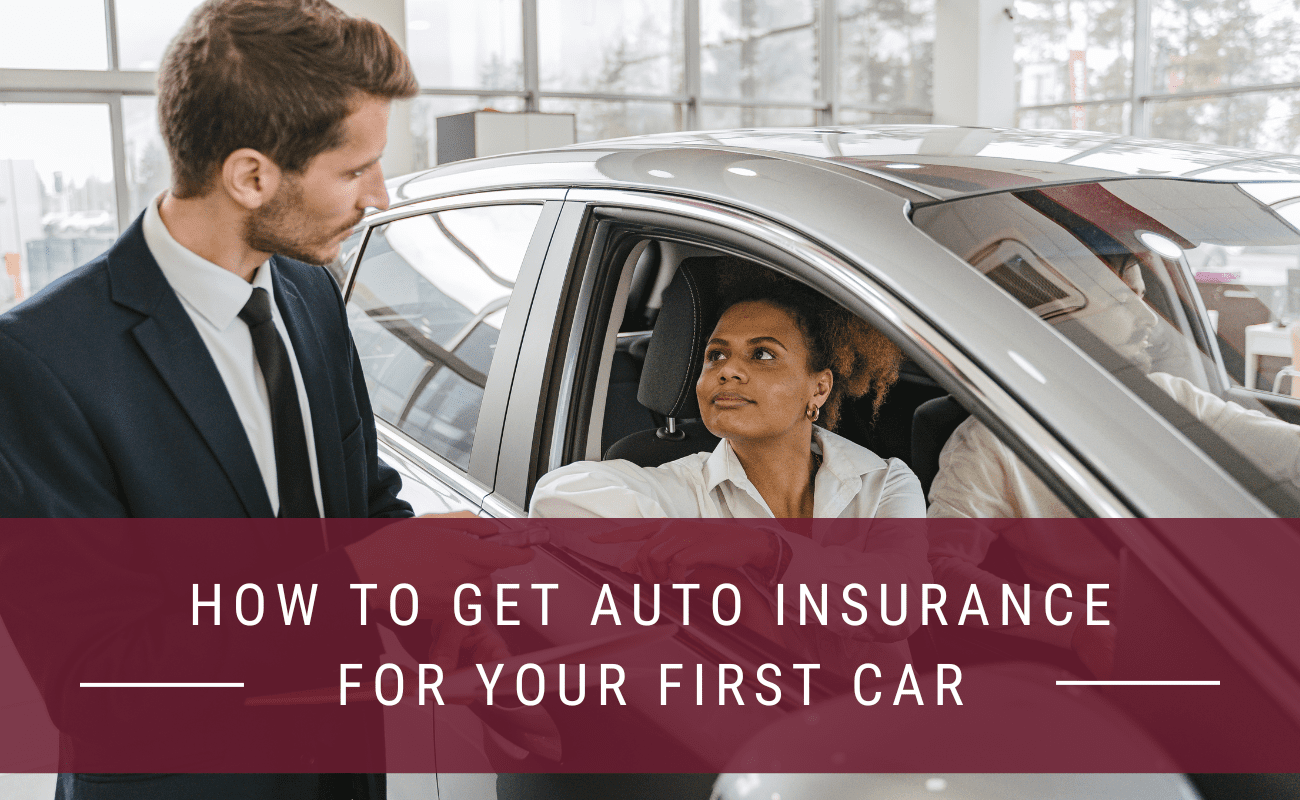
One of the most common questions is whether you can get insurance while sitting at a car dealership. The answer is yes. Most dealerships will not let you drive a new car off the lot without proof of insurance.
If you already have an existing policy, many carriers provide a "grace period" (typically 7 to 30 days) where a newly purchased vehicle is automatically covered under your current terms. However, it is always safer to call your agent or use your insurer’s mobile app to add the new VIN before you leave. If you do not have a current policy, you will need to start a new one from scratch, which, as established, takes about 15 to 30 minutes online.
Common Mistakes That Cause Delays
To avoid getting stuck in a manual underwriting queue, avoid these frequent errors:
- Inaccurate VIN Entry: A single mistyped character can prevent the system from identifying the vehicle, forcing a manual correction.
- Failure to Disclose All Drivers: If the insurer’s database shows other licensed drivers at your address that you didn't list, the application will likely be flagged for "undisclosed driver" verification.
- Address Discrepancies: Using a P.O. Box as a primary garaging address is usually not allowed. Insurers need to know where the car is physically parked overnight to assess risk accurately.
- Payment Issues: Ensure your daily transaction limit is high enough to cover the initial premium payment. A declined card will halt the binding process immediately.
Legal Requirements and Compliance
In almost every jurisdiction, driving without valid insurance is a serious offense. According to the National Association of Insurance Commissioners (NAIC), maintaining continuous coverage is not only a legal requirement but also a financial necessity to protect against catastrophic loss.
When you get insurance "instantly," the insurer will electronically notify your state's DMV. This helps you avoid fines for "lapses in coverage." If you are switching providers, do not cancel your old policy until you have the new policy number and an effective date in hand. Overlapping coverage by one day is far better than having a one-hour gap where you are uninsured.
Summary of the Process
For a standard driver in 2026, the journey to new car insurance looks like this:
- Preparation (5 mins): Gather VIN, license, and current policy.
- Comparison (10 mins): Use a comparison tool to find the best rate.
- Application (10 mins): Fill out the formal application with the chosen carrier.
- Verification (Instant): The system checks your records.
- Payment (5 mins): Pay the premium and sign the digital documents.
- Confirmation: Download your digital ID cards and drive.
Frequently Asked Questions
Does car insurance start the same day I buy it? Yes, most car insurance policies can start the same day you apply, provided you pay the initial premium and the insurer "binds" the coverage. You can typically choose the exact minute you want the coverage to begin, which is useful if you are purchasing a car in the evening.
Can I get car insurance on weekends or holidays? Yes. Since major insurance carriers use automated online systems, you can purchase and bind a policy 24/7, including Sundays and holidays. However, if your application requires a manual review by an underwriter, you may have to wait until the next business day.
Do I need the car’s VIN to get a quote? While you can get a "ballpark" estimate using just the year, make, and model, you must have the specific VIN to finalize and purchase the policy. The VIN allows the insurer to verify the car's history, safety features, and exact trim level, which impacts the final price.
Can I get insurance if I don’t own the car yet? You can start the quoting process without owning the car, but you cannot finalize the policy until you have the VIN of the vehicle you intend to buy. Many people get a quote for a car they are considering so they know if they can afford the total cost of ownership before signing the purchase agreement.
How long does it take for the DMV to see my new insurance? Most insurers transmit insurance verification to state databases electronically within 24 to 48 hours. However, your digital or printed ID card serves as immediate legal proof of insurance if you are pulled over or need to register the vehicle before the electronic system updates.
Final Recommendation: To get the fastest possible results, use a mobile app from a major national carrier and have your VIN and driver's license ready. If you have a complex driving history, start the process at least two days before you need to drive the vehicle to account for potential manual underwriting delays.
Image Gallery