When Mold Remediation Could Not Save My Bed: A Guide to Disposal and Replacement
When mold remediation cannot save a bed, it is typically because the fungal hyphae have penetrated deep into the porous internal structures of the mattress or box spring. At this stage, surface cleaning and HEPA vacuuming are insuffici...
When mold remediation cannot save a bed, it is typically because the fungal hyphae have penetrated deep into the porous internal structures of the mattress or box spring. At this stage, surface cleaning and HEPA vacuuming are insufficient to remove mycotoxins and embedded spores, making disposal the only safe option to protect your long-term respiratory health.
Contents
The Science of Porosity: Why Mattresses Are Mold Magnets
In the world of professional remediation, materials are classified by their porosity. According to the IICRC S520 (Standard for Professional Mold Remediation), which remains the industry benchmark in 2026, materials fall into three categories: non-porous (metal, glass), semi-porous (finished wood, concrete), and porous (drywall, insulation, and textiles).
A mattress is an ultra-porous composite. It is often a complex sandwich of polyurethane foam, latex, polyester fibers, cotton batting, and steel coils. When mold spores land on a bed—often due to high ambient humidity (above 60%), a localized pipe leak, or condensation from being placed directly on a cold floor—they don't just sit on the surface. They extend "roots" called hyphae deep into the foam and fibers.
By the time you see a dark stain on the ticking (the outer fabric), the internal "ecosystem" of the mattress is likely colonized. Professional remediation relies on physically removing the mold source. While you can scrub a metal bed frame, you cannot "scrub" the center of a six-inch layer of memory foam without destroying its structural integrity.
Identifying When Your Bed is Beyond Saving
It is a difficult realization to accept that an expensive investment like a premium mattress is a total loss. However, continuing to sleep on a colonized bed can lead to Chronic Inflammatory Response Syndrome (CIRS), asthma exacerbations, and persistent allergic rhinitis.
Visible Colonization and Staining
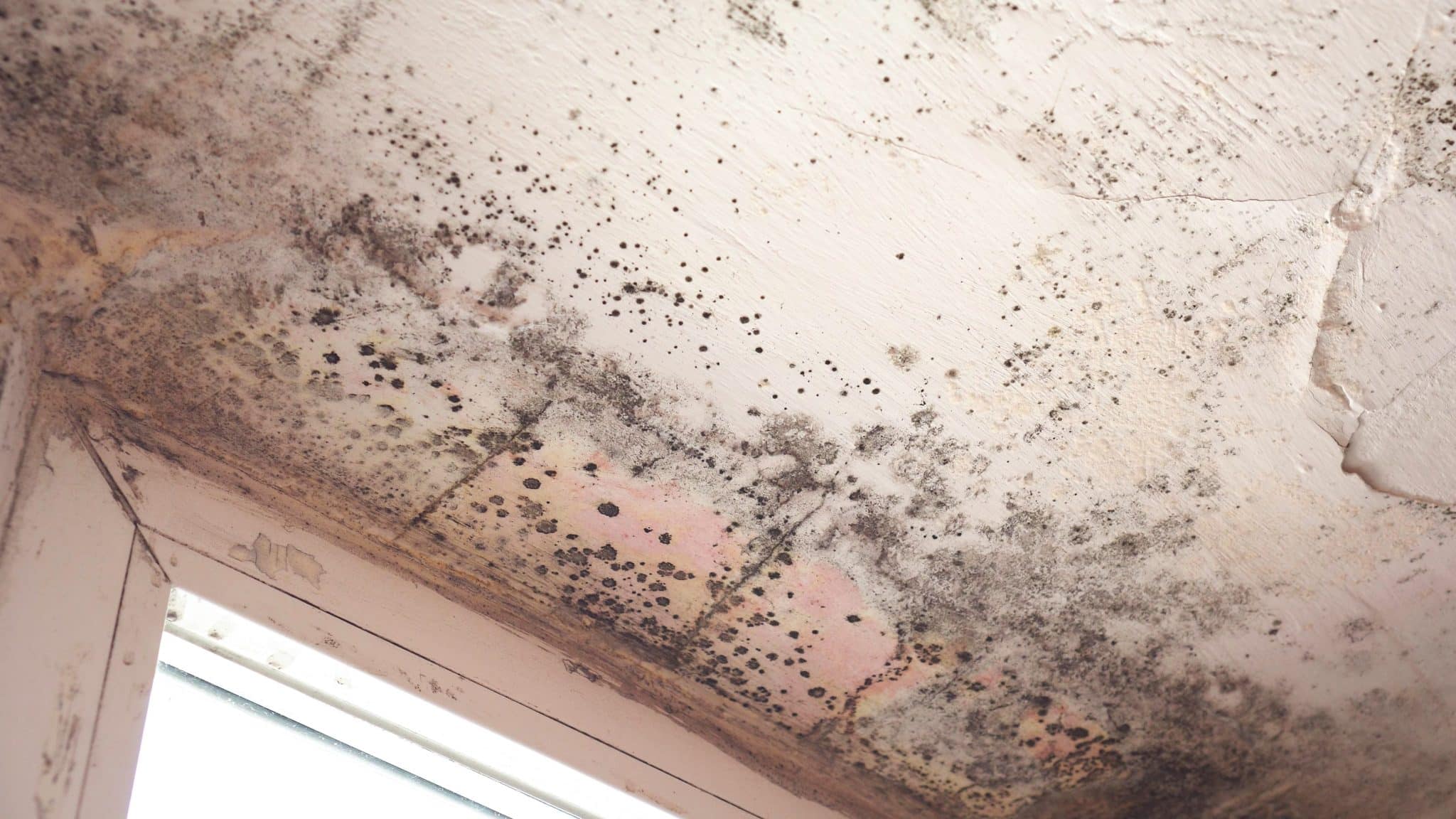
If you find "bloom" or fuzzy growth on the underside of the mattress, it is almost certainly a loss. This occurs frequently when mattresses are placed on solid platforms or the floor, trapping moisture between the mattress and the surface. If the staining covers more than one square foot, or if there are multiple disparate spots of growth, the internal fungal load is too high for localized cleaning.
The "Musty" Olfactory Test
Mold produces Microbial Volatile Organic Compounds (mVOCs). These are the gases responsible for that tell-tale "earthy" or "basement" smell. If your bed smells musty even after you have deep-cleaned the room and laundered all bedding in hot water, the source is internal. In 2026, professional remediators use advanced air scrubbing technology, but even these cannot pull trapped gases out of the dense core of a hybrid or memory foam mattress.
Persistent Health Symptoms
If you feel better when you are away from home or sleeping in a different room, but wake up with a stuffed nose, itchy eyes, or a "brain fog" sensation, your bed is the likely culprit. Even if remediation specialists have treated the room, the mechanical action of you laying on the bed acts like a bellows, puffing out spores and fragments every time you move.
Why Professional Remediation Often Fails for Bedding
Many homeowners attempt to save their beds using DIY methods like vinegar, bleach, or essential oils. Professionals might offer "fogging" or "ozone treatments." While these have their place in structural remediation, they are frequently ineffective for bedding for several reasons:
- Limited Penetration: Antimicrobial sprays and fogs only reach the surface. They do not penetrate the dense cell structure of modern memory foam.
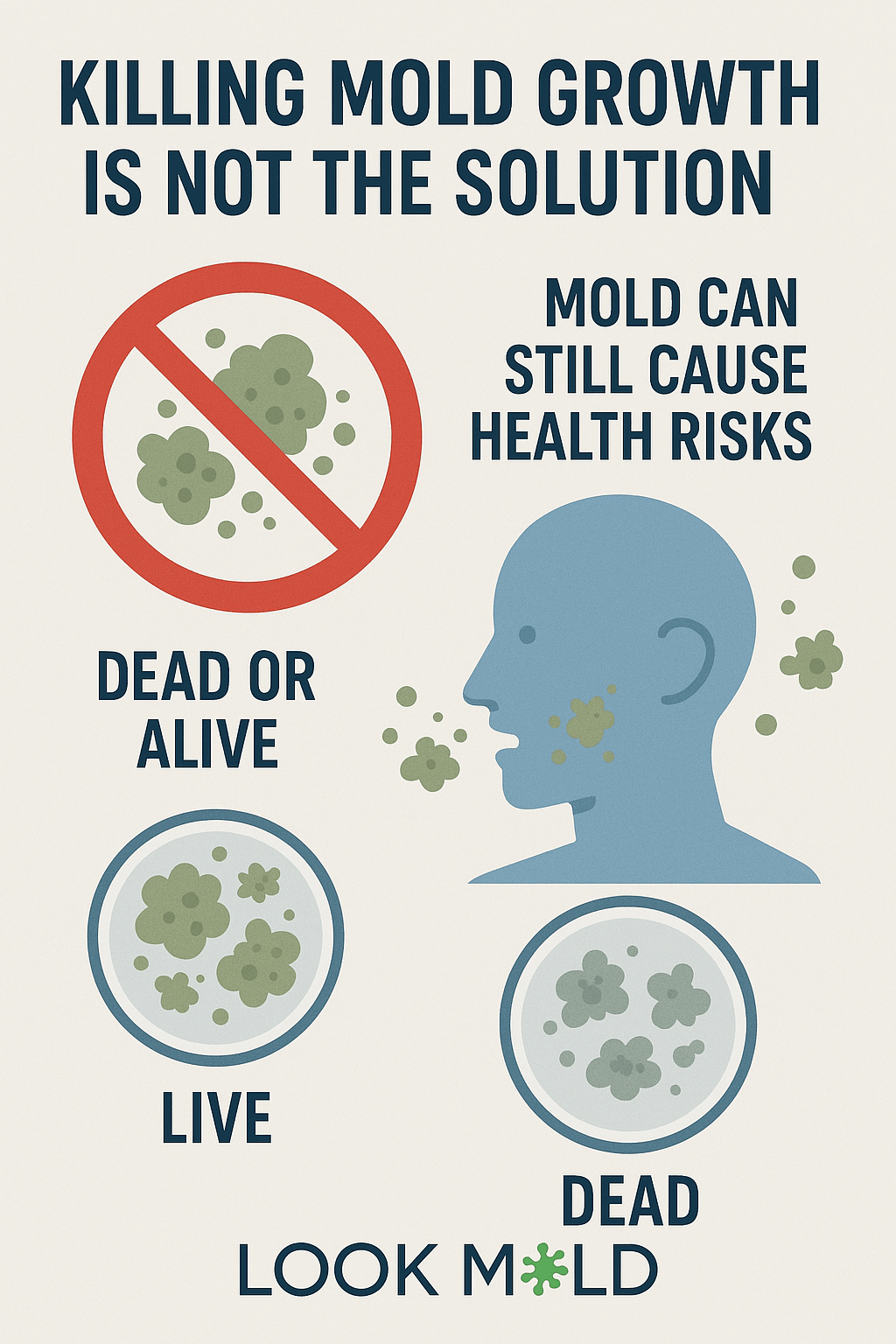
- The Dead Spore Problem: Even if a treatment "kills" the mold, the dead spores and cellular fragments remain. These fragments contain mycotoxins and allergens that are just as bioactive as living mold. To truly "remediate" a porous item, the physical debris must be removed, which is impossible inside a sealed mattress.
- Chemical Residue: Over-treating a bed with harsh biocides can lead to chemical off-gassing. Sleeping with your face inches away from a mattress saturated in fungicides can be as hazardous as the mold itself.
- Structural Damage: High-heat steam cleaning can break down the adhesives and cellular structure of latex and foam, effectively "killing" the support of the bed while trying to kill the mold.
Comparison of Bedding Materials and Salvageability
Not all beds are created equal when it comes to mold resistance and the possibility of cleaning. The following table outlines the reality of remediation based on material type as of 2026 standards.
| Bed Component | Porosity Level | Salvageability | Recommendation |
|---|---|---|---|
| Metal Bed Frame | Non-porous | High | Wipe with detergent and dry thoroughly. |
| Finished Wood Frame | Semi-porous | Medium | Sand and refinish if mold is localized. |
| Unfinished Wood Slats | Porous | Low | Replace; wood is a food source for mold. |
| Memory Foam Mattress | High | Near Zero | Dispose immediately; impossible to clean core. |
| Innerspring Mattress | High | Low | Usually a loss due to cotton/foam layers. |
| Solid Latex (Natural) | High | Low | Naturally antimicrobial but still traps spores. |
| Polyester Bedding | High | Medium | Can be saved with high-heat, specialized laundering. |
The Financial Reality: Remediation vs. Replacement
In 2026, the cost of professional mold testing and specialized contents remediation can often exceed the price of a mid-range mattress. A professional "dry-down" and HEPA-scrubbing session for a single room can cost anywhere from $500 to $1,500. If the specialist determines the bed requires advanced ozone or specialized chamber treatment, those costs climb further.
Comparatively, a high-quality queen mattress in 2026 typically ranges from $800 to $2,500. When you factor in the "certainty" of a new, clean sleeping surface versus the "possibility" of a failed remediation, replacement is almost always the more economically sound and health-conscious decision. Furthermore, many insurance policies (depending on the cause of the mold, such as a "sudden and accidental" water discharge) may cover the replacement of contents, but they rarely cover the cost of trying—and failing—to clean a porous mattress.
Safe Disposal: How to Remove a Contaminated Bed
If you have determined that remediation could not save your bed, you must remove it without contaminating the rest of your home. Dragging a moldy mattress through a clean hallway can release millions of spores into your carpet and HVAC system.
Step 1: Containment
Before moving the mattress, wrap it in 6-mil plastic sheeting or a specialized zippered mattress disposal bag. Seal all seams with heavy-duty duct tape. This "cocoons" the mold and prevents spore release during transit.
Step 2: Route Planning
Identify the shortest path to the exit. If possible, move the mattress out through a bedroom window or a direct exterior door to avoid carrying it through the main living areas of the house.
Step 3: Professional Haul-Away
In 2026, many municipal waste services have strict rules about "bio-contaminated" furniture. Do not simply leave a moldy mattress on the curb. Contact a junk removal service and explicitly inform them that the item has mold growth so their workers can wear appropriate Personal Protective Equipment (PPE).
Step 4: Room Clearance
Once the bed is gone, the room must be cleaned. Use a HEPA-filtered vacuum on all floor surfaces and wipe down hard surfaces with a damp cloth and a mild surfactant. Ensure the room is fully dry before bringing in a replacement.
Preventing Future Loss: A Guide for the Next Bed
To ensure your next investment doesn't meet the same fate, consider these preventative measures:
- Elevate the Mattress: Never place a mattress directly on the floor. Use a slatted bed frame that allows for at least 6 inches of airflow underneath.
- Monitor Humidity: Keep indoor relative humidity between 30% and 50%. Use a dehumidifier in the bedroom if you live in a coastal or humid climate.
- Use a Waterproof/Mite-Proof Cover: A high-quality, breathable, waterproof encasement can prevent sweat and skin cells (mold food) from entering the mattress core.
- Synthetic vs. Natural: While natural fibers are eco-friendly, they are often more "delicious" to mold. Modern inorganic foams are slightly more resistant to fungal breakdown, though they are not immune.
Frequently Asked Questions
Can I save a moldy bed by putting it in the sun?
While UV rays can kill mold on the surface, sunlight does not penetrate the foam layers of a mattress. Furthermore, the heat from the sun can sometimes create a "greenhouse effect" if there is moisture trapped inside, actually accelerating growth in the center.
Is bleach effective for cleaning a moldy mattress?
No. Bleach is mostly water. On porous surfaces, the chlorine stays on top while the water soaks in, providing the mold with exactly what it needs to grow deeper. Additionally, bleach can damage the fibers of the mattress.
Does a "mold-resistant" mattress actually work?
Some mattresses are treated with antimicrobial agents or use materials like copper-infused foam or natural latex which are less hospitable to mold. However, no mattress is "mold-proof." If the environment is damp and dusty, mold will eventually grow on the surface dust and skin cells.
Can I use an air purifier to fix a moldy bed?
An air purifier with a HEPA filter will capture spores that have already been released into the air, but it will not stop the growth inside the mattress. Using an air purifier without removing the source (the bed) is like trying to bail out a sinking ship with a thimble.
Moving Forward
The loss of a bed to mold is a significant inconvenience, but it is a vital step in maintaining a healthy home. If remediation has failed or is deemed impossible due to the depth of the contamination, prioritize your health. Dispose of the item safely, address the underlying moisture issue in the room, and start fresh with a sleeping environment that is dry, ventilated, and spore-free.
Image Gallery