Site Preparation 101: Clearing and Grubbing Explained for 2026 Projects
Clearing and grubbing is a foundational site preparation process that involves removing surface vegetation and subterranean organic matter, such as stumps and roots, from a construction site. This essential phase ensures a stable, debr...
Clearing and grubbing is a foundational site preparation process that involves removing surface vegetation and subterranean organic matter, such as stumps and roots, from a construction site. This essential phase ensures a stable, debris-free environment, preventing future structural settlement and preparing the land for grading, utility installation, and vertical construction.
Contents
Understanding the Fundamentals of Site Preparation
In the realm of land development and civil engineering, the term clearing and grubbing is often used as a single phrase, but it encompasses two distinct physical operations. Before any heavy foundation work or road paving can begin in 2026, the land must be stripped of anything that could interfere with the structural integrity of the finished project.
Organic material is the primary enemy of long-term stability. Unlike mineral soil or rock, organic matter like wood, leaves, and root systems decays over time. As these materials rot, they create voids in the earth. If a building or roadway is constructed over these hidden pockets of decay, the ground will eventually shift and sink, leading to cracked foundations, buckled pavement, and catastrophic structural failure. Clearing and grubbing is the systematic removal of these risks.
What is Clearing?
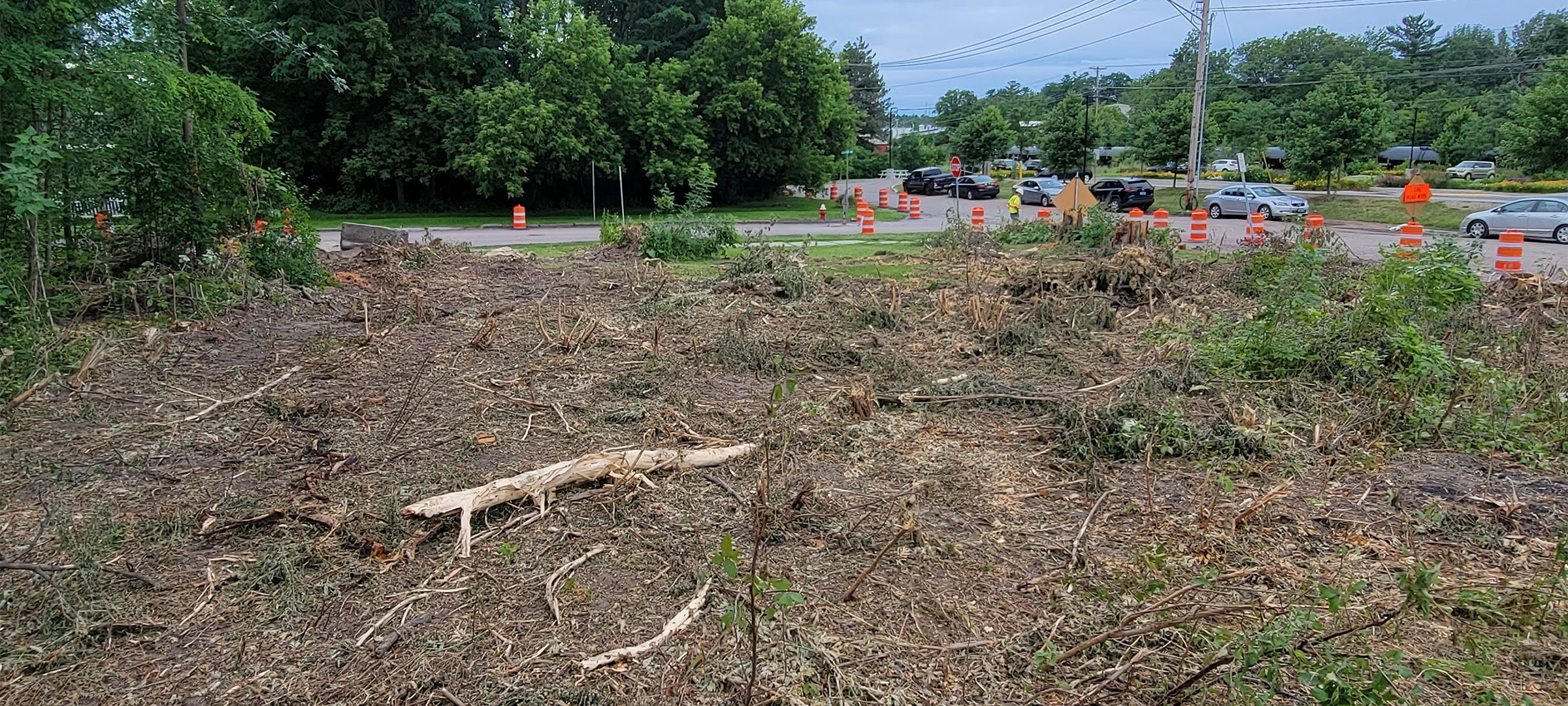
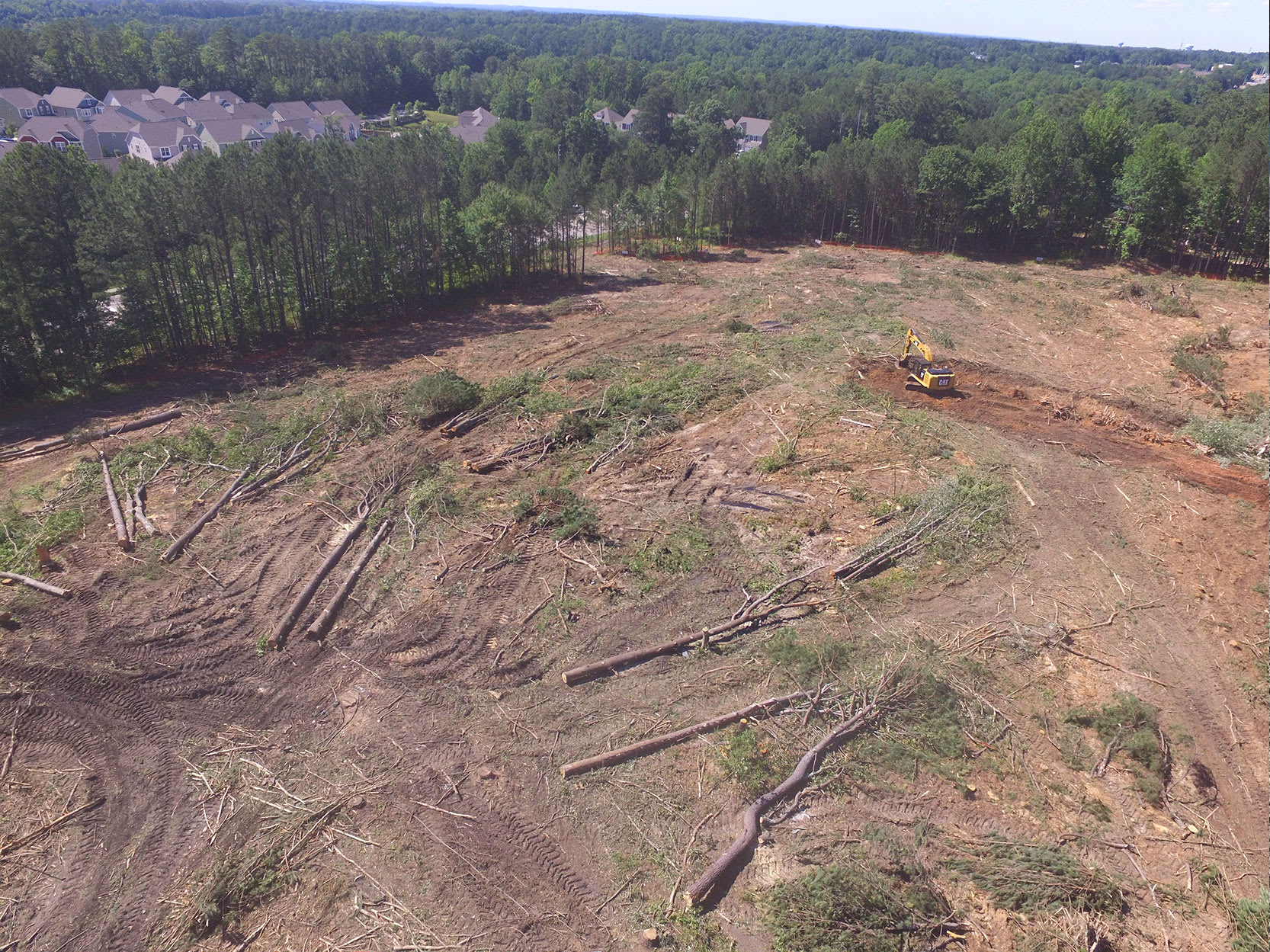
Clearing refers to the removal of all "above-ground" obstacles. This includes the felling of trees, the cutting of brush and undergrowth, and the removal of downed timber, trash, or existing debris. During the clearing phase, the objective is to expose the bare earth. While it may seem straightforward, clearing requires precision to ensure that only the vegetation within the designated Limits of Disturbance (LOD) is removed. Surveyors typically mark these boundaries to prevent the accidental destruction of protected trees or encroachment into neighboring properties or environmentally sensitive zones.
What is Grubbing?
Grubbing is the "below-ground" counterpart to clearing. Once the surface is clear, specialized machinery is used to dig out stumps, taproots, and lateral root systems. Grubbing typically involves excavating to a depth of 12 to 18 inches, or deeper if large tree stumps are present. The goal is to remove any organic matter larger than a specific diameter—often one inch or more—depending on the project specifications. Removing these elements is labor-intensive and produces significant amounts of "spoil" (unusable soil mixed with organic debris) that must be managed or hauled away.
The Critical Importance of Professional Grubbing
While it is tempting for some developers to minimize the grubbing phase to save on initial costs, the long-term consequences of "burying" organic material are severe. In the construction industry, this practice is sometimes colloquially referred to as creating a "trash pit," and it is a major cause of litigation in real estate development.
- Structural Stability: As roots and stumps decompose, they lose volume. The soil above them collapses into the resulting void. In a process known as differential settlement, one part of a structure may sink faster than another, leading to structural instability.
- Pest and Disease Control: Decaying wood underground attracts termites, carpenter ants, and various fungi. By thoroughly grubbing a site, developers remove the primary food sources for these wood-destroying organisms before the first piece of lumber is ever delivered.
- Utility Protection: Underground utilities such as water lines, sewer pipes, and fiber optic cables must be laid in stable, predictable soil. If a root system is left in place, it can interfere with trenching or, as it grows or decays, put undue pressure on the buried infrastructure.
- Grading Accuracy: Site grading involves moving earth to create specific slopes for drainage. Leftover stumps and large roots can damage grading blades and prevent the soil from achieving the required Proctor density (a measure of soil compaction).
The Clearing and Grubbing Process: A Step-by-Step Guide
Effective site preparation in 2026 follows a rigorous sequence to ensure safety, efficiency, and legal compliance. Skipping a step in this sequence can lead to project delays or fines from environmental regulators.
1. Site Surveying and Marking
Before any machinery arrives, surveyors establish the project boundaries. They mark the "clearing limits" with high-visibility silt fencing or flagging. In many jurisdictions, specific trees are designated as "save trees" and must be protected with physical barriers to prevent root compaction from heavy equipment.
2. Erosion and Sediment Control
Under the Environmental Protection Agency (EPA) National Pollutant Discharge Elimination System (NPDES), developers must implement a Stormwater Pollution Prevention Plan (SWPPP). This usually involves installing silt fences, hay bales, or sediment basins. Because clearing and grubbing exposes raw soil to the elements, this step is mandatory to prevent runoff from polluting local waterways.
3. Surface Clearing
The heavy work begins with felling trees and removing brush. Modern equipment such as hydro-ax mulchers can grind smaller trees and brush into mulch on-site, which can sometimes be reused for erosion control. Larger timber is often processed for lumber or firewood, depending on the quality and species.
4. Subsurface Grubbing
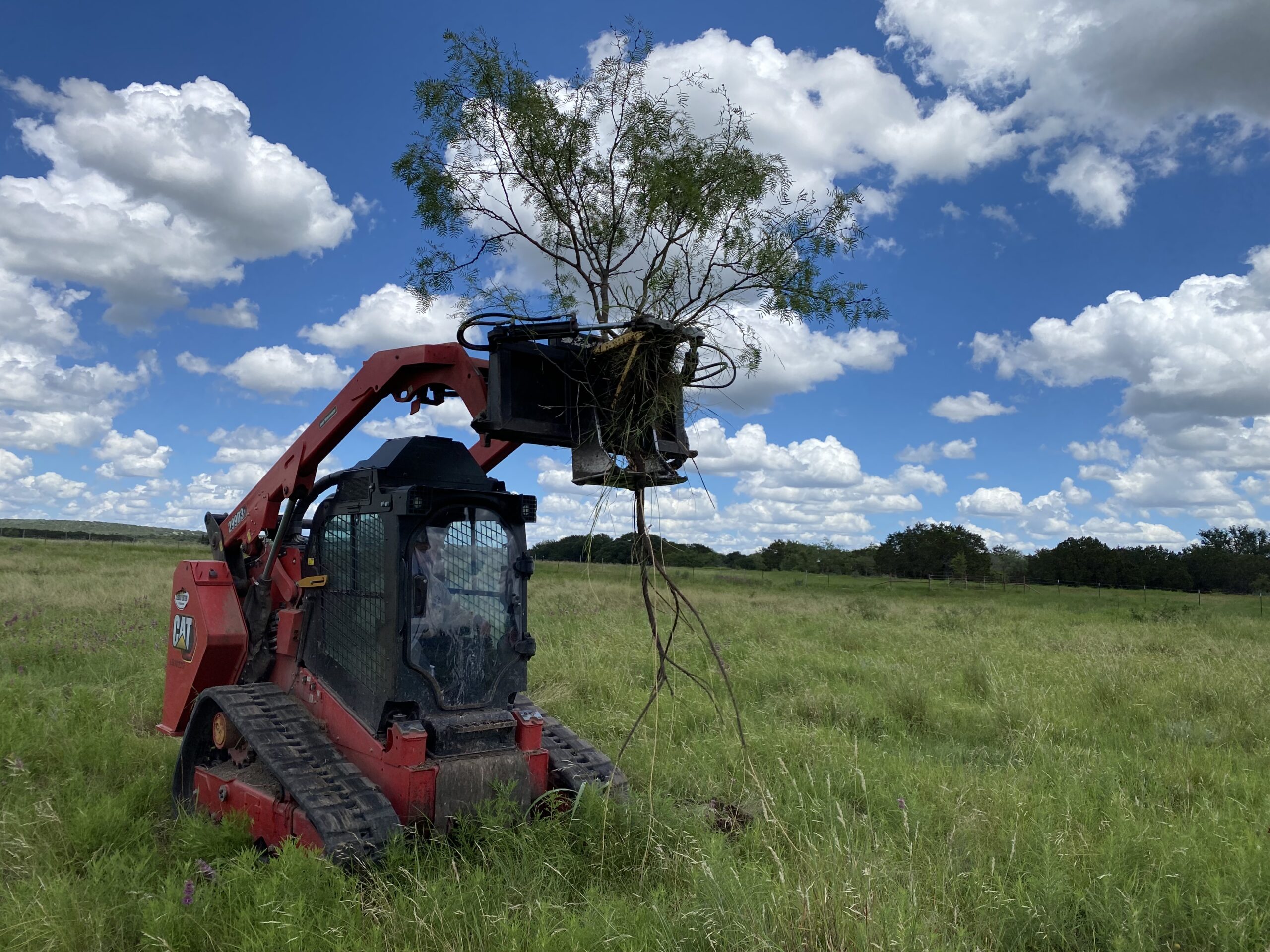
Using excavators with "thumb" attachments or bulldozers equipped with root rakes, the operators systematically work through the soil. Unlike a standard smooth-edged bucket, a root rake has tines that allow soil to pass through while snagging and pulling roots and stumps out of the ground.
5. Debris Disposal and Site Cleanup
Once the material is removed, it must be managed. In 2026, the three most common methods of disposal include:
- Hauling: Loading debris into dump trucks and transporting it to a specialized organic recycling center or landfill. This is the most expensive but cleanest option.
- On-site Mulching: Utilizing industrial tub grinders to turn all organic matter into mulch.
- Burning: In some rural jurisdictions, "air curtain incinerators" are used to burn wood waste with minimal smoke, though this is increasingly restricted due to air quality regulations.
Technical Specifications and Comparison
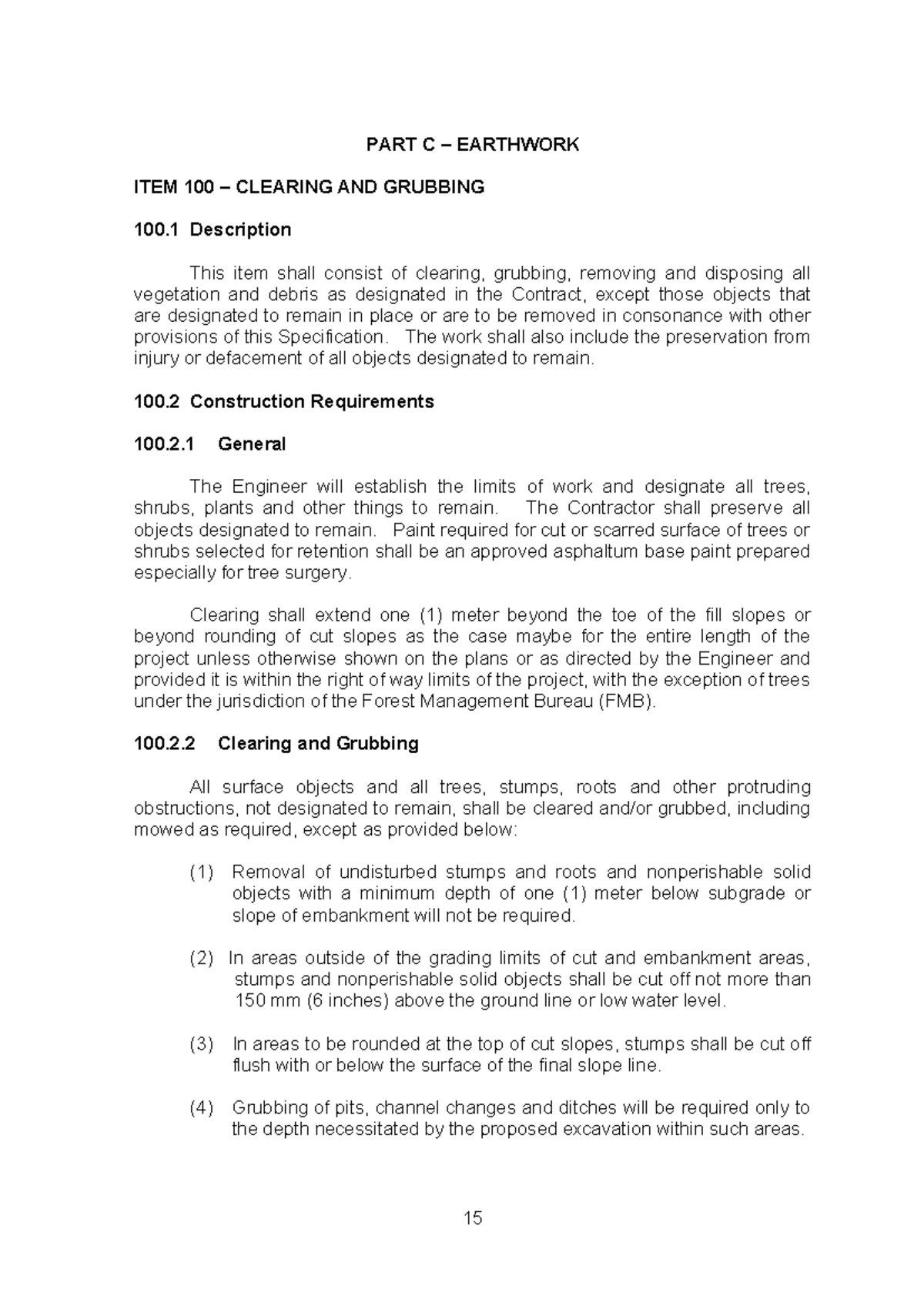
Project managers use specific metrics to define the scope of clearing and grubbing. These metrics are often found in the "Section 201" of Department of Transportation (DOT) manuals, which serve as the gold standard for civil earthwork.
| Feature | Clearing | Grubbing |
|---|---|---|
| Primary Target | Standing trees, brush, weeds, and rubbish. | Stumps, roots, buried logs, and organic mat. |
| Depth of Operation | Surface level to 6 inches above grade. | 12 to 24 inches below finished subgrade. |
| Main Equipment | Chainsaws, Feller bunchers, Brush hogs. | Excavators with root rakes, Dozers with rippers. |
| Impact on Soil | Minimal; maintains soil structure. | Significant; requires backfilling and compaction. |
| Key Risk | Encroachment on protected areas. | Hidden voids and future ground settlement. |
| Disposal Volume | High volume, low density (branches/leaves). | Lower volume, high density (heavy stumps/soil). |
Essential Equipment for Modern Site Prep
The efficiency of a clearing and grubbing operation is dictated by the machinery selected. In 2026, the industry has shifted toward high-efficiency, low-emission equipment to meet tighter environmental standards.
- Bulldozers (D6 - D8 class): The workhorse of clearing. Equipped with a specialized rake blade, a dozer can clear acres of brush and small trees in a single day.
- Excavators (20-30 ton): Preferred for grubbing because of their surgical precision. An excavator can reach deep to pull a stubborn taproot without disturbing more soil than necessary.
- Feller Bunchers: Used in heavily forested areas to rapidly cut and stack large trees.
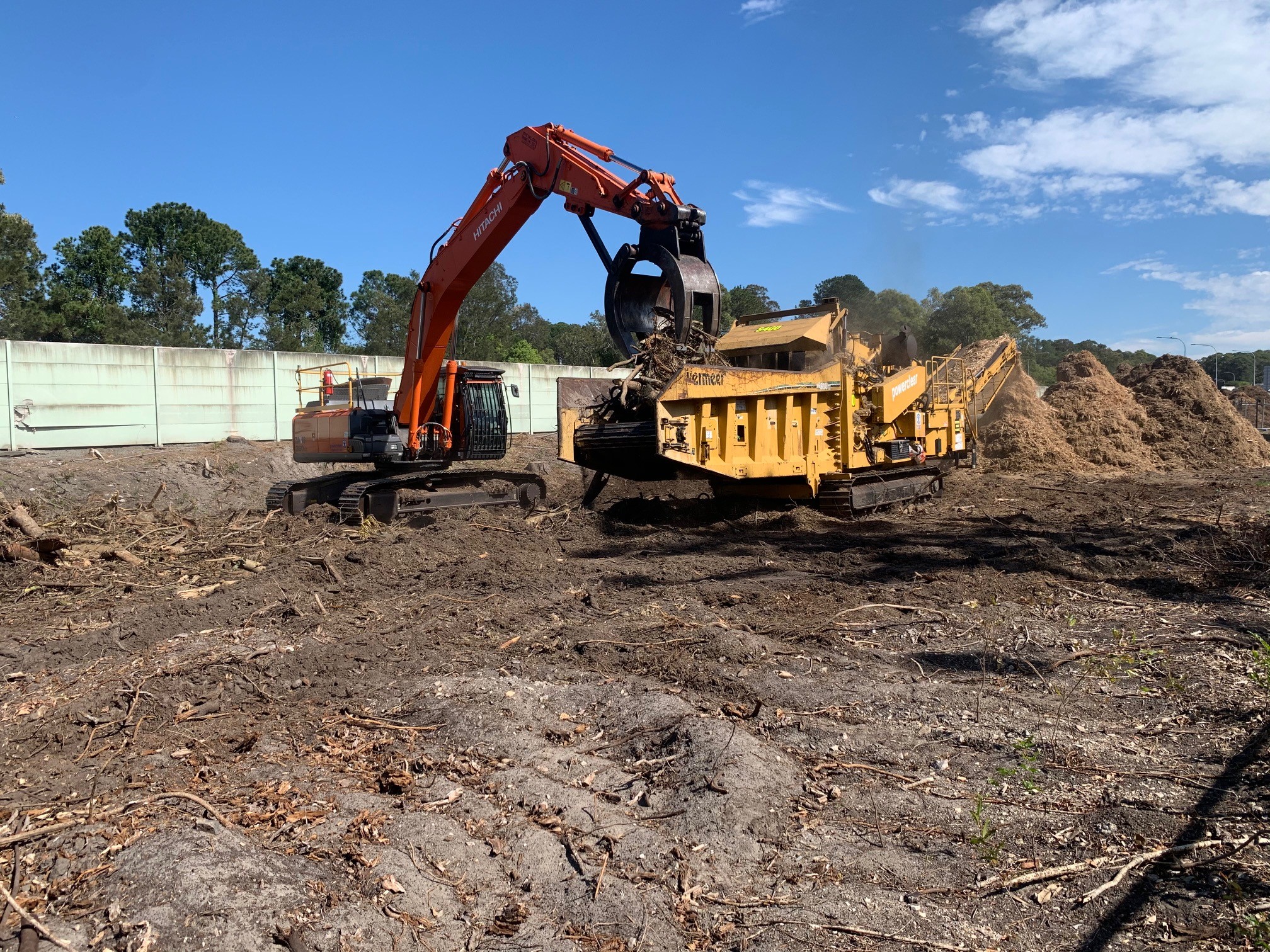
- Horizontal Grinders: These massive machines can ingest entire trees and stumps, turning them into uniform mulch in seconds, significantly reducing the number of truck trips required to clear a site.
Cost Factors and Budgeting for 2026
Budgeting for clearing and grubbing is notoriously difficult because "what you see isn't always what you get." Underground conditions can vary wildly across a single site.
- Vegetation Density: Clearing a light meadow is vastly cheaper than clearing a dense hardwood forest. Cost estimates are usually calculated per acre.
- Terrain and Slope: Steep grades require specialized equipment (like spider excavators) and more time to maintain safety, increasing costs by 20% to 50%.
- Disposal Fees: If the site does not have room to process debris, hauling costs and "tipping fees" at landfills can often exceed the cost of the actual labor.
- Environmental Mitigation: If a site contains wetlands or endangered species habitats, the cost of specialized "matting" to protect the ground or the hiring of environmental monitors must be factored in.
- Soil Condition: Rocky soil makes grubbing difficult and causes excessive wear on equipment teeth and rakes, leading to higher maintenance surcharges.
Common Pitfalls to Avoid
Even experienced contractors can encounter issues during this phase. Awareness of these common mistakes can save thousands in rework.
- Failure to Backfill Grub Holes: When a large stump is removed, it leaves a significant hole. If this hole is simply covered with loose dirt, it creates a "soft spot." These holes must be backfilled with structural fill and compacted in "lifts" (layers) to match the surrounding soil density.
- Ignoring Local Ordinances: Many municipalities have strict "Tree Canopy" laws. Removing a tree without a permit—even if it is on your own land—can result in stop-work orders and massive fines.
- Poor Erosion Control: Rain doesn't wait for a project to be finished. If a site is cleared and then a storm hits without proper silt fencing, the developer may be liable for cleaning sediment out of public storm drains or neighboring ponds.
Frequently Asked Questions
Does clearing and grubbing include removing old buildings?
No. The removal of man-made structures is technically classified as demolition. While clearing and grubbing contractors often perform demolition, the two tasks are usually listed as separate line items in a construction contract because demolition involves different disposal requirements (such as asbestos or lead paint handling).
How deep does grubbing actually go?
Standard specifications typically require grubbing to a depth of at least 12 inches below the natural ground surface or 6 inches below the proposed subgrade, whichever is deeper. In areas intended for heavy structural loads, engineers may require "undercutting," which involves grubbing and soil removal several feet deep.
Can the mulch from clearing be left on the site?
Yes, provided it is used correctly. Mulch is excellent for temporary erosion control on slopes. However, mulch should never be buried or used as fill material under foundations or roadways, as it will decay and cause the ground to settle.
Is a permit always required for clearing and grubbing?
In almost all urban and suburban jurisdictions, a Land Disturbance Permit (LDP) is required if the area exceeds a certain size (often 5,000 square feet or 1/10th of an acre). Always check with the local building department or environmental agency before starting.
What is the difference between "grubbing" and "stripping"?
While grubbing removes roots and stumps, stripping refers to the removal of the "topsoil" layer. Topsoil is rich in organic matter and is too soft for construction, so it is stripped away and stockpiled to be reused later for landscaping once the buildings are finished.
Final Recommendation for Developers
For any project slated for 2026, the most critical action you can take is to conduct a thorough geotechnical soil report before finalizing your clearing and grubbing contract. Understanding what lies beneath the surface—whether it is high groundwater, massive boulders, or deep organic pockets—allows for more accurate bidding and prevents "unforeseen condition" change orders that can derail a project's budget. Ensure your contractor uses a root rake for grubbing rather than a standard bucket to maximize soil retention while ensuring a clean, organic-free subgrade.
Image Gallery