Marcus Lemonis Net Worth Before and After The Profit: A Financial Evolution
Before the 2013 debut of the CNBC hit series The Profit, Marcus Lemonis had an estimated net worth of approximately $150 million, primarily built through the consolidation of the American RV industry. By 2026, his net worth is estimate...
Before the 2013 debut of the CNBC hit series The Profit, Marcus Lemonis had an estimated net worth of approximately $150 million, primarily built through the consolidation of the American RV industry. By 2026, his net worth is estimated to be between $500 million and $900 million, largely driven by the 2016 IPO of Camping World and the strategic expansion of his diverse investment portfolio.
Contents
Marcus Lemonis is often viewed through the lens of a "business turnaround king" due to his television persona. However, his financial trajectory is less about reality TV earnings and more about the institutional growth of Camping World Holdings, Inc. and the Good Sam Enterprises ecosystem. To understand his financial standing in 2026, one must analyze the distinction between his liquid assets, his equity in public markets, and the private equity investments made during and after his tenure on The Profit.
The Pre-Profit Era: Building the RV Empire (1997–2012)
Marcus Lemonis did not enter the public eye as a struggling entrepreneur. Long before cameras followed him into failing small businesses, Lemonis had already revolutionized the recreational vehicle (RV) market. His path to a $150 million valuation by the early 2010s was paved by strategic mentorship and aggressive consolidation.
The AutoNation Influence and Lee Iacocca
The foundation of Lemonis's wealth began in the automotive industry. Under the mentorship of family friend and legendary automotive executive Lee Iacocca, Lemonis learned the mechanics of large-scale retail and distribution. Iacocca’s advice famously led Lemonis to focus on the RV industry, which was fragmented and ripe for a "roll-up" strategy—buying smaller, family-owned dealerships and integrating them into a singular corporate brand.
Freedom Roads and the Camping World Merger
In 2003, Lemonis co-founded Freedom Roads with backing from Stephen Adams. He began acquiring RV dealerships at a rapid pace. The pivotal financial moment occurred in 2006 when Freedom Roads merged with Camping World. Lemonis became the CEO of the combined entity. By streamlining operations and introducing the "Good Sam" loyalty program, Lemonis turned a niche retail operation into a multi-billion dollar powerhouse.
By 2012, the year before The Profit aired, Lemonis had already established himself as a dominant force in specialized retail. His wealth was largely illiquid at this stage, tied up in the private equity valuation of FreedomRoads/Camping World, but his personal lifestyle and business acquisitions already reflected a man of significant means.
The Profit Years: Strategic Branding and Private Equity (2013–2021)
When The Profit premiered on CNBC in 2013, Lemonis used the platform not just to entertain, but to deploy capital into small businesses that could benefit from his "People, Process, Product" methodology.
Direct Investment vs. Promotional Value
During the show's run, Lemonis reportedly invested more than $35 million of his own money into various businesses. While some viewers assumed the show was his primary source of income, the reality was the opposite: The Profit acted as a high-reach marketing vehicle for his personal brand and his primary company, Camping World.
The financial impact of the show on his net worth was two-fold:
- Portfolio Diversification: He acquired stakes in industries ranging from food (The Soup Shop, My Big Fat Greek Pie) to manufacturing (Precise Graphix) and retail (ML Fashion Group).
- Brand Equity: Lemonis became a household name, which significantly increased the enterprise value of his primary holdings by associating them with a "fixer" who understands operational efficiency.
High-Profile Successes and Failures
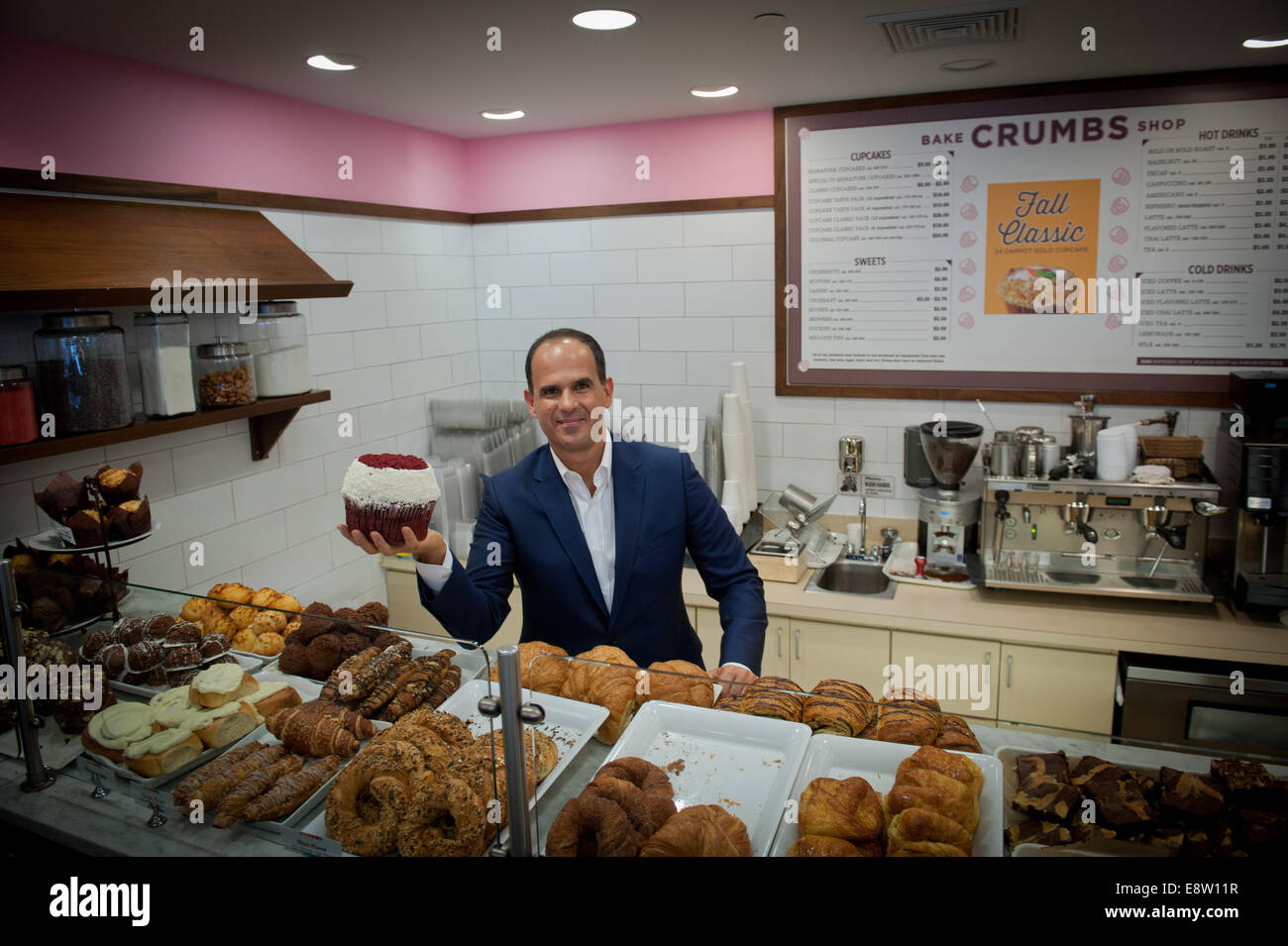
Not every investment on The Profit yielded a positive return. Lemonis faced significant legal challenges and public disputes with former partners, such as those involving the Crumbs Bake Shop and 1-800-Car-Cash. However, successful integrations like Precise Graphix—which became a primary vendor for Camping World’s signage and interior renovations—showcased how he used the show to vertically integrate his existing empire.
The Financial Catalyst: The 2016 Camping World IPO
The most significant jump in Marcus Lemonis's net worth occurred not because of a television deal, but due to the public markets. In October 2016, Camping World Holdings, Inc. (CWH) went public on the New York Stock Exchange.
Valuation Shift
At the time of the IPO, the company was valued at approximately $2 billion. As the largest individual shareholder and CEO, the transition from private equity to public stock provided Lemonis with a transparent, market-driven valuation of his wealth. This event took his estimated net worth from the low hundreds of millions into the high-end "centimillionaire" status.
Performance Through 2026
From 2016 to 2026, the RV industry experienced extreme volatility, including a massive surge during the COVID-19 pandemic and subsequent adjustments due to interest rate hikes. By 2026, Lemonis has steered Camping World through these cycles by focusing on high-margin recurring revenue from the Good Sam membership services, which provides insurance, roadside assistance, and travel perks to millions of RV owners. This stability in "subscription-like" revenue has kept his net worth resilient even when physical vehicle sales fluctuated.
Comparing Financial Eras: A Data Overview
The following table outlines the estimated progression of Marcus Lemonis's financial standing and his primary business focuses across the three major stages of his career.
| Feature | Pre-Profit Era (2000–2012) | The Profit Era (2013–2021) | Current Status (2026) |
|---|---|---|---|
| Est. Net Worth | $100M – $150M | $300M – $500M | $500M – $900M |
| Primary Asset | Freedom Roads (Private) | Camping World (Public since 2016) | Camping World & Marcus Lemonis LLC |
| Revenue Model | RV Dealership Sales | Media, Retail, & Diversified Equity | Recurring Services & Global Investments |
| Public Profile | Industry Executive | National TV Personality | Multi-sector Mogul/Philanthropist |
| Investment Style | Industry Consolidation | Small Business Turnarounds | Large-scale Venture Capital |
Diversification and Modern Ventures (2022–2026)
As of 2026, Lemonis has moved beyond the "small business turnaround" phase of his career to focus on institutional-level investments and media production.
Marcus Lemonis LLC and ML Media
Through his private holding company, Marcus Lemonis LLC, he manages a massive portfolio of real estate and minority stakes in technology and sustainability startups. His media interests have also expanded; after The Profit, he launched The Renovator and invested heavily in production companies that focus on business education and lifestyle content.
Real Estate Holdings
A significant portion of his wealth in 2026 is anchored in luxury real estate. Lemonis has historically owned high-value properties in Chicago, Montecito, and Miami. Unlike his business investments, which carry operational risk, his real estate portfolio acts as a wealth preservation tool.
Philanthropy and The Lemon-Aid Foundation
Financial growth has been accompanied by structured giving. The Lemon-Aid Foundation, established to support small businesses and underserved communities, has become a central part of his public identity. While philanthropy technically reduces personal net worth, it has bolstered his "brand equity," which continues to drive high-level business opportunities and partnerships.
FAQ: Marcus Lemonis Financial Facts
How much did Marcus Lemonis actually invest in The Profit?
Throughout the duration of the series, Marcus Lemonis reportedly committed over $35 million in capital to the businesses featured on the show. It is important to note that not all committed funds were fully deployed, as some deals fell through during the due diligence process after filming concluded.
Is Marcus Lemonis a billionaire in 2026?
While some estimates occasionally place him near the billion-dollar mark, most conservative financial analyses in 2026 value him between $500 million and $900 million. His status as a billionaire often depends on the current trading price of Camping World (CWH) stock and the private valuation of his non-public holdings.
What is his most profitable business?
Camping World Holdings remains his most profitable venture. Specifically, the Good Sam side of the business, which focuses on memberships, insurance, and financing, generates higher margins and more consistent cash flow than the physical sale of RVs.
Does he still own the companies he "saved" on TV?
His ownership status varies by company. He sold his interest in several businesses (like Simple Greek) to larger conglomerates, while others (like Precise Graphix) remain integral parts of his corporate ecosystem. Several businesses from the show unfortunately ceased operations due to debt or market conditions.
How did the 2016 IPO change his net worth?
The IPO provided liquidity and transparency. Before 2016, his wealth was largely theoretical based on private appraisals. After the IPO, his net worth became tied to the public market's daily valuation of Camping World, allowing him to use his shares as collateral for other massive investments.
Strategic Takeaway for Investors and Entrepreneurs
The financial story of Marcus Lemonis "before and after" The Profit is a masterclass in leveraging personal brand for corporate growth. While the show portrayed him as a benefactor to small businesses, the underlying engine of his wealth was always the massive consolidation of a specific retail niche (RVs).
For those looking to emulate his success, the takeaway is clear: diversification is important, but a "core engine"—a primary, high-performing business—is the essential foundation for long-term wealth. Lemonis used the visibility of reality TV to strengthen that core, proving that in the modern economy, attention is often just as valuable as capital.
Next Steps for Analysis:
- Monitor CWH stock performance for real-time updates on his largest asset.
- Track the SEC filings of Marcus Lemonis to see his current share percentage and any recent divestments.
- Review the Good Sam Enterprise annual reports to understand the shift from retail to service-based revenue.
Image Gallery