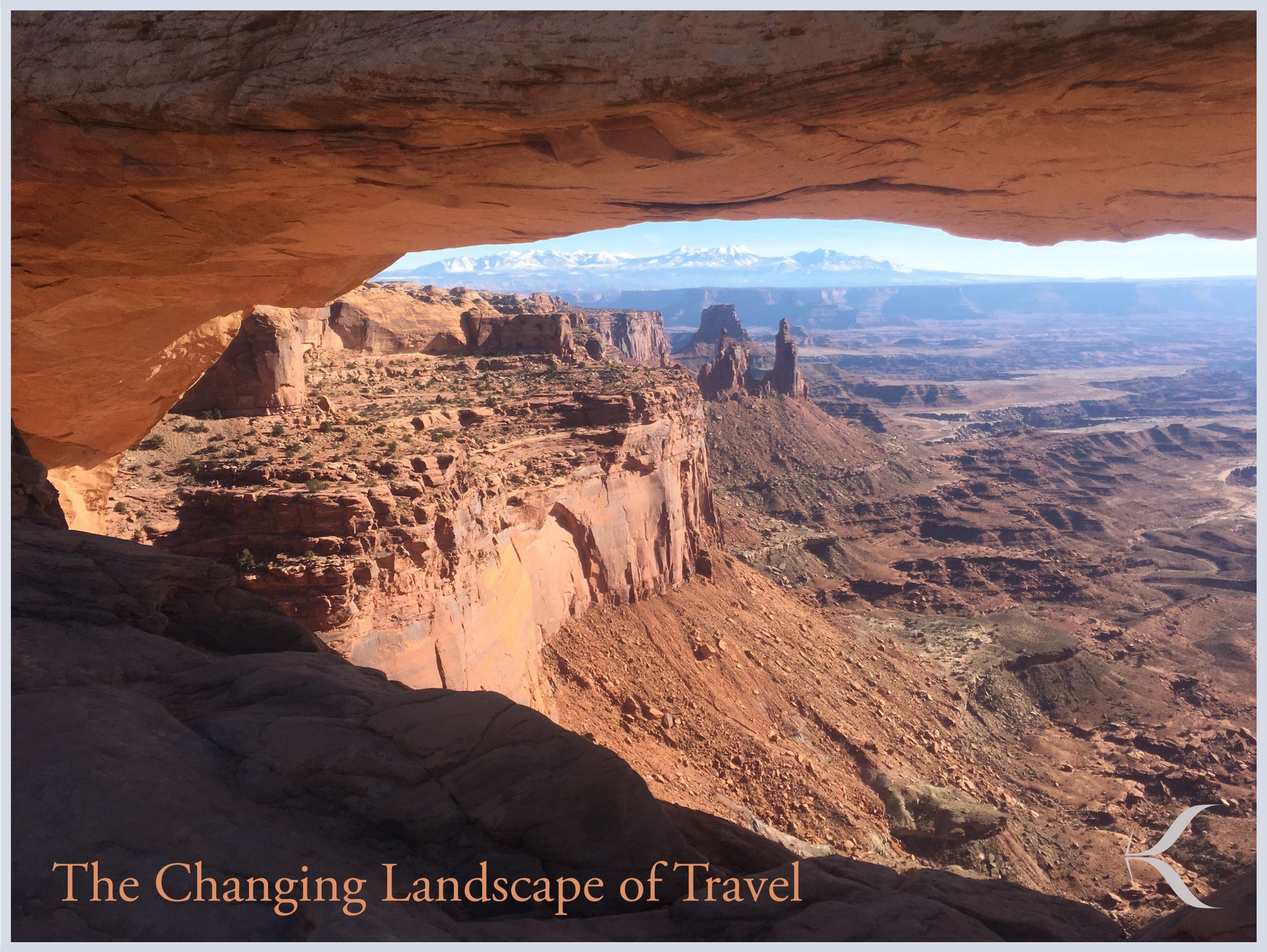
Nichole Curtis and the Changing Landscape of Travel Writing
In 2026, Nichole Curtis serves as a pivotal figure illustrating the transition from traditional, service-oriented travel journalism to a narrative-driven, digital-first ecosystem. Her approach emphasizes the intersection of personal br...
In 2026, Nichole Curtis serves as a pivotal figure illustrating the transition from traditional, service-oriented travel journalism to a narrative-driven, digital-first ecosystem. Her approach emphasizes the intersection of personal brand authority, multimedia storytelling, and deep-dive cultural immersion, reflecting a broader industry shift where the individual storyteller’s perspective often outweighs the historical prestige of legacy travel publications.
Contents
The Evolution of Travel Journalism: From Service to Soul
For decades, travel writing was defined by the "service piece"—a utilitarian guide designed to help readers find the best hotels, restaurants, and flight paths. However, as we navigate 2026, the proliferation of AI-driven logistics tools has rendered basic informational writing obsolete. When an AI can curate a 10-day itinerary in seconds, the role of the travel writer must evolve.
Nichole Curtis has become a primary example of this evolution. By moving away from the "what to do" and focusing on the "why it matters," her work aligns with the modern reader's desire for emotional resonance. Today’s landscape is no longer about being a "traveler"; it is about being a "witness." This shift has forced writers to develop specialized niches, whether in architectural restoration travel, extreme sustainability, or socio-political exploration.
The legacy mastheads of the early 2000s have largely decentralized. While titles like Condé Nast Traveler and Travel + Leisure remain influential, they now operate as multi-platform brand hubs where individual contributors like Curtis act as independent nodes of authority. This decentralization means that the "landscape" is now a web of personal brands, each catering to a specific micro-audience.
The Nichole Curtis Paradigm: Lifestyle Meets Location
The rise of Nichole Curtis in the travel writing sphere is intrinsically linked to the blurring lines between lifestyle content and destination reporting. In 2026, readers are less interested in a generic review of a Parisian hotel and more interested in how that hotel fits into a broader philosophy of living.
Curtis’s work often emphasizes the "restoration" of the travel experience—seeking out locations that offer historical depth and architectural significance. This specific lens provides several advantages in the current market:
- Targeted Demographics: By focusing on the intersection of travel and heritage, writers attract a high-value audience interested in luxury, history, and real estate.
- Multimedia Integration: Modern travel writing is rarely just text. Curtis utilizes short-form video and high-fidelity photography to supplement her prose, creating an immersive experience that traditional print could not replicate.
- Authenticity Over Polish: The 2026 audience is highly skeptical of "sponsored" perfection. Curtis’s narrative style often includes the frictions of travel—the missed connections and the crumbling facades—which builds a level of trust that polished brochures lack.
Technical Drivers of the 2026 Travel Writing Industry
The transformation of the industry is not just cultural; it is deeply technical. The way content is discovered and consumed has changed fundamentally since the early 2020s.
The Impact of Generative Search
In 2026, Search Engine Results Pages (SERPs) are dominated by generative snapshots. For a travel writer to remain visible, their content must provide "Information Gain"—the inclusion of facts, feelings, or perspectives that do not exist elsewhere in the training data of large language models. Writers like Nichole Curtis succeed because their first-person ethnographic accounts cannot be synthesized by AI.
The Creator-led Economy
Travel writing has transitioned into a subscription-based and community-funded model. Platforms like Substack and private membership communities have allowed writers to bypass traditional editors. This has led to a "democratization of expertise," where a writer's value is measured by their engagement metrics and the loyalty of their "thousand true fans" rather than their presence in a print magazine.
Comparing the Old vs. New Landscape of Travel Writing
To understand where Nichole Curtis fits into the current market, it is helpful to compare the industry standards of a decade ago with the realities of 2026.
| Feature | Traditional Landscape (circa 2016) | Modern Landscape (2026) |
|---|---|---|
| Primary Goal | Logistical guidance and "Best Of" lists. | Narrative immersion and cultural context. |
| Monetization | Magazine ad revenue and freelance fees. | Direct subscriptions, brand partnerships, and digital products. |
| Discovery | Newsstands and Google Search. | Algorithmic social feeds and AI-curated newsletters. |
| Authority | Derived from the publication's name. | Derived from the writer's personal brand and niche. |
| Format | Long-form text with 2-3 photos. | Multimedia (Text, Video, VR/AR, and Audio). |
| Key Metric | Circulation and Pageviews. | Community engagement and conversion rates. |
Essential Skills for the Modern Travel Writer
For those looking to follow the path carved by figures like Nichole Curtis, the skill set required in 2026 goes far beyond a command of the English language.
- Algorithmic Literacy: Understanding how platforms like TikTok, YouTube, and specialized travel search engines prioritize content.
- Ethical Storytelling: A deep focus on "regenerative travel"—ensuring that the act of writing about a place does not contribute to its degradation.
- Data Analysis: Using first-party data to understand what their specific audience wants to see next, rather than guessing based on general trends.
- Brand Synergy: The ability to partner with brands (hotels, gear, airlines) without compromising the editorial integrity of the narrative.
Challenges in the New Era of Travel Writing
Despite the opportunities, the landscape is fraught with new challenges. The most significant is the "Saturation of Voice." With so many creators entering the space, the barrier to entry is low, but the barrier to profitability is exceptionally high.
Writers must also navigate the "Ethics of Influence." There is a fine line between sharing a hidden gem and "loving it to death" by exposing a sensitive location to mass tourism. Nichole Curtis often addresses this by advocating for slow travel and off-season exploration, encouraging readers to engage with destinations in a way that supports local economies rather than just ticking off a "bucket list" item.
Furthermore, the physical risks of travel writing in a world with changing climates and shifting geopolitical tensions require writers to be more informed about safety and insurance than ever before. In 2026, a travel writer is often part-journalist, part-geopolitical analyst, and part-lifestyle influencer.
FAQ
What is the primary difference between a travel blogger and a travel writer in 2026?
The distinction has largely vanished. In 2026, "travel writer" refers to anyone who uses narrative to document the world. However, those like Nichole Curtis are often distinguished by their "editorial rigor"—a commitment to fact-checking, deep research, and stylistic excellence that separates them from casual social media posters.
How has AI changed the way Nichole Curtis and others produce content?
AI is primarily used as a research assistant and an administrative tool. Writers use it to transcribe interviews, translate local dialects, and optimize headlines. However, the core narrative—the "human heart" of the story—remains strictly human-authored to ensure authenticity and SEO value in a landscape that penalizes generic AI content.
Is travel writing still a viable career in 2026?
Yes, but the revenue streams have changed. Freelance rates for magazines have stagnated, but the ability to monetize a direct audience through newsletters, specialized tours, and digital guides has created a higher ceiling for earners who treat their writing as a business.
Why is Nichole Curtis often associated with "restoration travel"?
This association stems from her broader professional background in architecture and preservation. She has successfully carved out a niche where she views travel through the lens of historical integrity, attracting a specific audience that values craftsmanship and history over modern luxury.
How do modern travel writers handle the issue of sustainability?
Sustainability is no longer a "niche" topic; it is a prerequisite. In 2026, writers are expected to provide carbon-footprint disclosures for their trips and prioritize "under-tourism"—promoting destinations that actually need and want more visitors, rather than overcrowded hubs.
Practical Recommendation for Aspiring Travel Writers
If you are looking to enter the changing landscape of travel writing in 2026, your first step should not be to start a general travel blog. Instead, identify a "micro-niche" where you have existing expertise—be it culinary history, solo female hiking, or architectural restoration—and build a presence on a platform that allows for direct audience ownership, such as a newsletter.
Study the multimedia approach of creators like Nichole Curtis; do not just write about a place, but show it, explain the "why" behind its current state, and provide a unique value proposition that an AI cannot replicate. The future of travel writing belongs to the specialists, the storytellers, and the experts who can turn a simple trip into a profound narrative.
Image Gallery