Effective Mold Remedies for San Francisco Residents: A Guide to Local Solutions and Rights
San Francisco residents can address mold through moisture control, specialized cleaning, and legal enforcement. Effective remedies include using high-capacity dehumidifiers to combat the city's maritime fog, improving ventilation in hi...
San Francisco residents can address mold through moisture control, specialized cleaning, and legal enforcement. Effective remedies include using high-capacity dehumidifiers to combat the city's maritime fog, improving ventilation in historic homes, and leveraging the San Francisco Department of Building Inspection (DBI) to compel landlord repairs under the California Health and Safety Code.
Contents
The San Francisco Mold Challenge: Climate and Infrastructure
San Francisco’s unique geography creates a persistent struggle with indoor mold growth. The city’s maritime climate, characterized by cool temperatures and high relative humidity—often exceeding 70% in neighborhoods like the Sunset and Richmond districts—provides the ideal environment for fungal spores to thrive. Unlike hotter climates where air conditioning naturally dehumidifies the air, San Francisco’s temperate weather often leads residents to keep windows closed to retain heat, inadvertently trapping moisture inside.
Furthermore, a significant portion of the city's housing stock consists of historic Victorian and Edwardian buildings. While architecturally significant, these structures often lack modern vapor barriers, proper sub-floor insulation, and efficient ventilation systems. In these older homes, moisture frequently seeps through lath-and-plaster walls or rises from damp crawl spaces, leading to systemic mold issues that require more than just surface-level cleaning. As of 2026, the intersection of aging infrastructure and shifting coastal weather patterns has made proactive mold management a necessity for nearly every resident in the 7x7.
Immediate DIY Mold Remedies for Minor Surface Growth
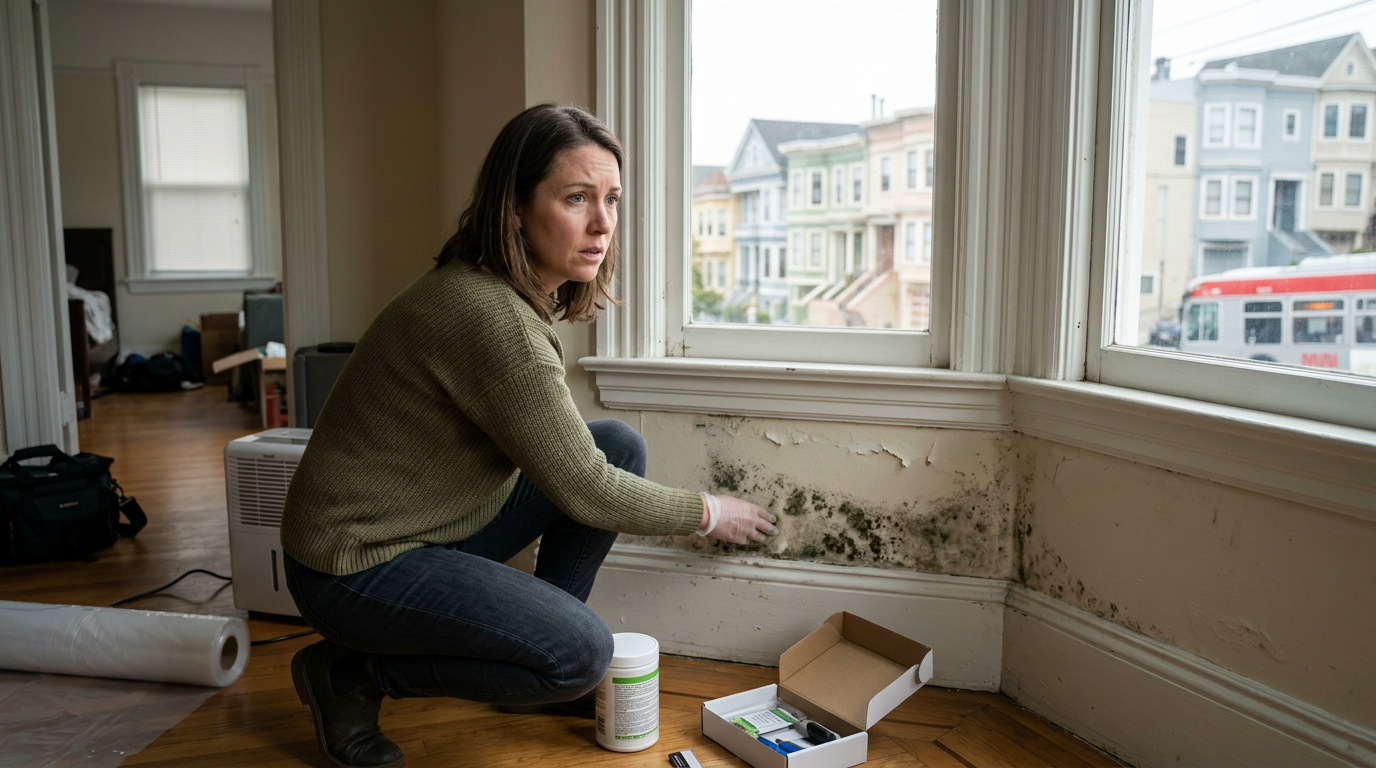
For small areas of mold—typically defined as less than ten square feet—residents can often perform the remediation themselves. However, the remedy depends heavily on the surface material and the source of the moisture.
Non-Porous Surface Cleaning
On materials such as tile, glass, and metal, mold cannot penetrate the surface. The remedy is straightforward:
- Cleaning Solutions: Use a mixture of household detergent and water. For more persistent stains, a solution of distilled white vinegar (which contains acetic acid) can kill approximately 82% of mold species.
- Hydrogen Peroxide: A 3% concentration of hydrogen peroxide is an effective antifungal and antibacterial agent. It should be sprayed onto the surface and left for ten minutes before scrubbing.
- Avoid Bleach on Porous Materials: A common mistake in San Francisco households is using bleach on drywall or wood. Bleach’s ionic structure prevents it from penetrating porous surfaces; instead, it leaves the water component behind, which can actually feed the mold roots (hyphae) deep within the material.
Moisture Stabilization
The primary remedy for any mold growth is moisture removal. In San Francisco, this often requires:
- Dehumidification: Maintaining indoor relative humidity below 50% is critical. In 2026, many residents utilize smart dehumidifiers that sync with local weather data to increase intensity during heavy fog cycles.
- Air Circulation: Moving furniture away from external walls allows air to flow, preventing the "cold spot" condensation that often leads to mold behind wardrobes and beds.
Professional Remediation Standards in 2026
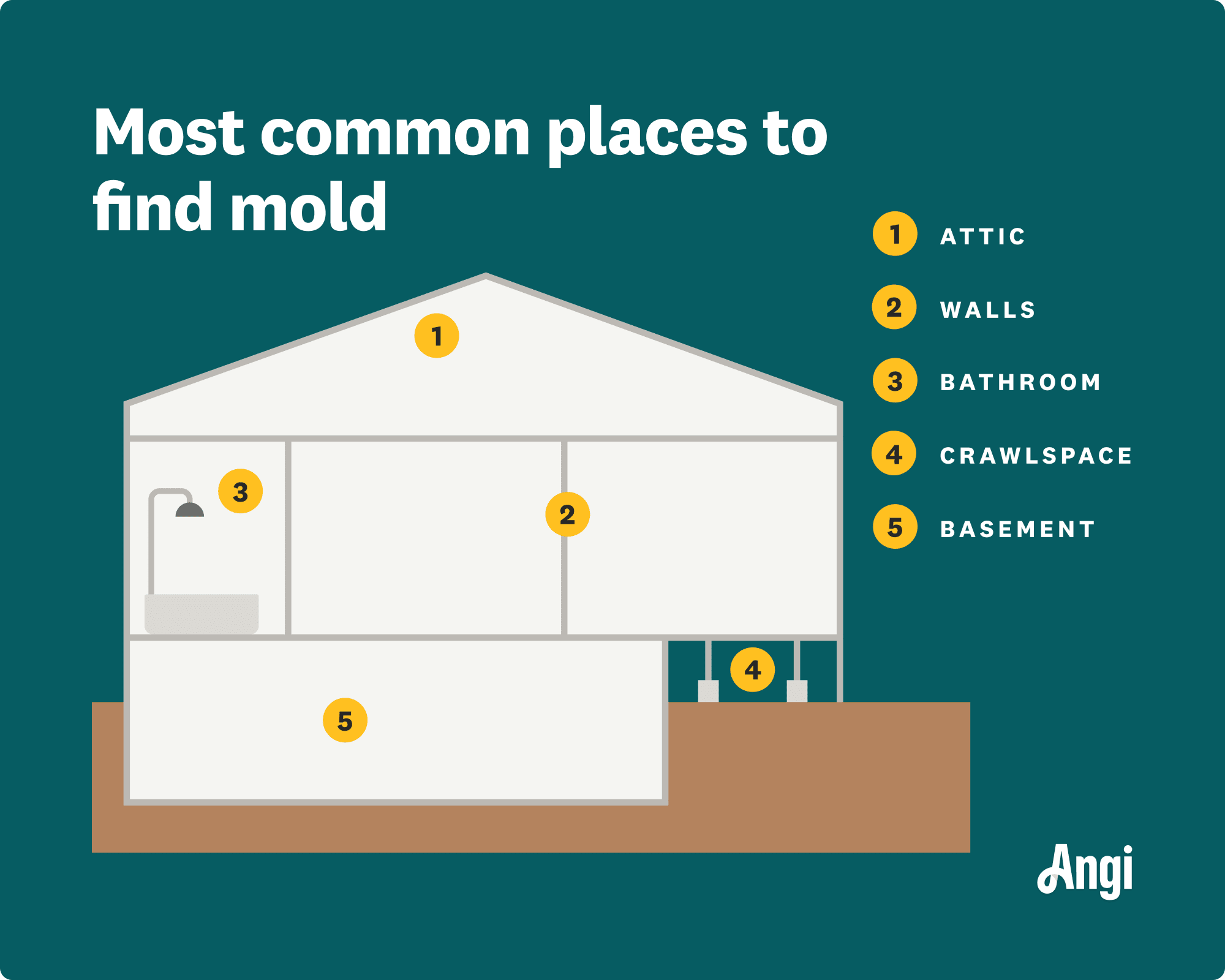
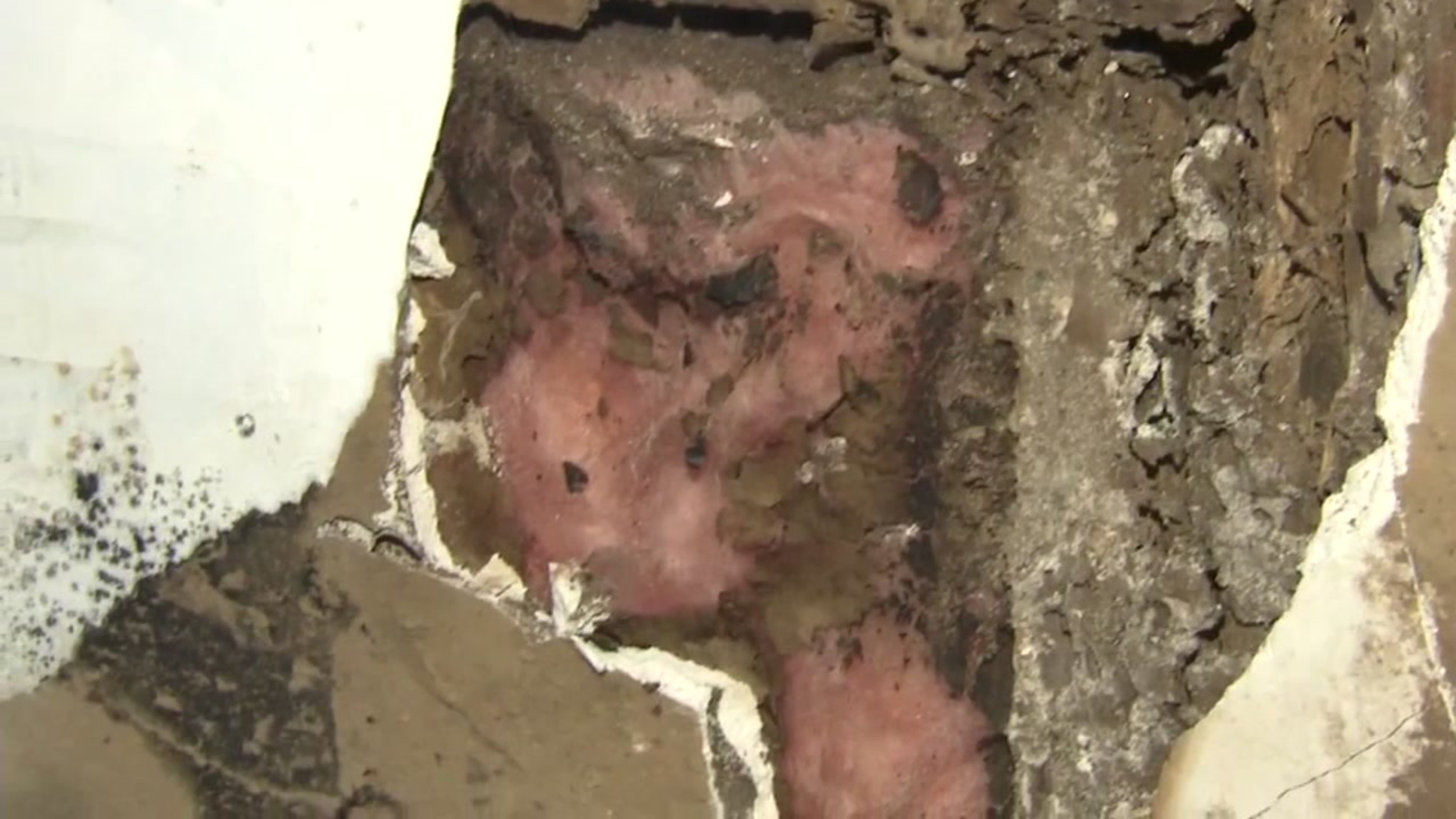
When mold covers more than ten square feet or has compromised the structural integrity of the home (such as mold within wall cavities), professional intervention is required. In San Francisco, reputable contractors follow the IICRC S520 Standard for Professional Mold Remediation.
The Remediation Process
- Containment: Technicians use 6-mil polyethylene sheeting and negative air machines equipped with HEPA filters to prevent spores from spreading to unaffected rooms.
- HEPA Vacuuming: Once the area is contained, surfaces are vacuumed with High-Efficiency Particulate Air (HEPA) filters to remove the bulk of the spores.
- Controlled Demolition: Infested porous materials, such as moldy drywall or insulation, are removed and sealed in bags while still within the containment area.
- Antimicrobial Application: Specialists apply EPA-registered antimicrobials to kill any remaining spores and prevent future colonies from establishing.
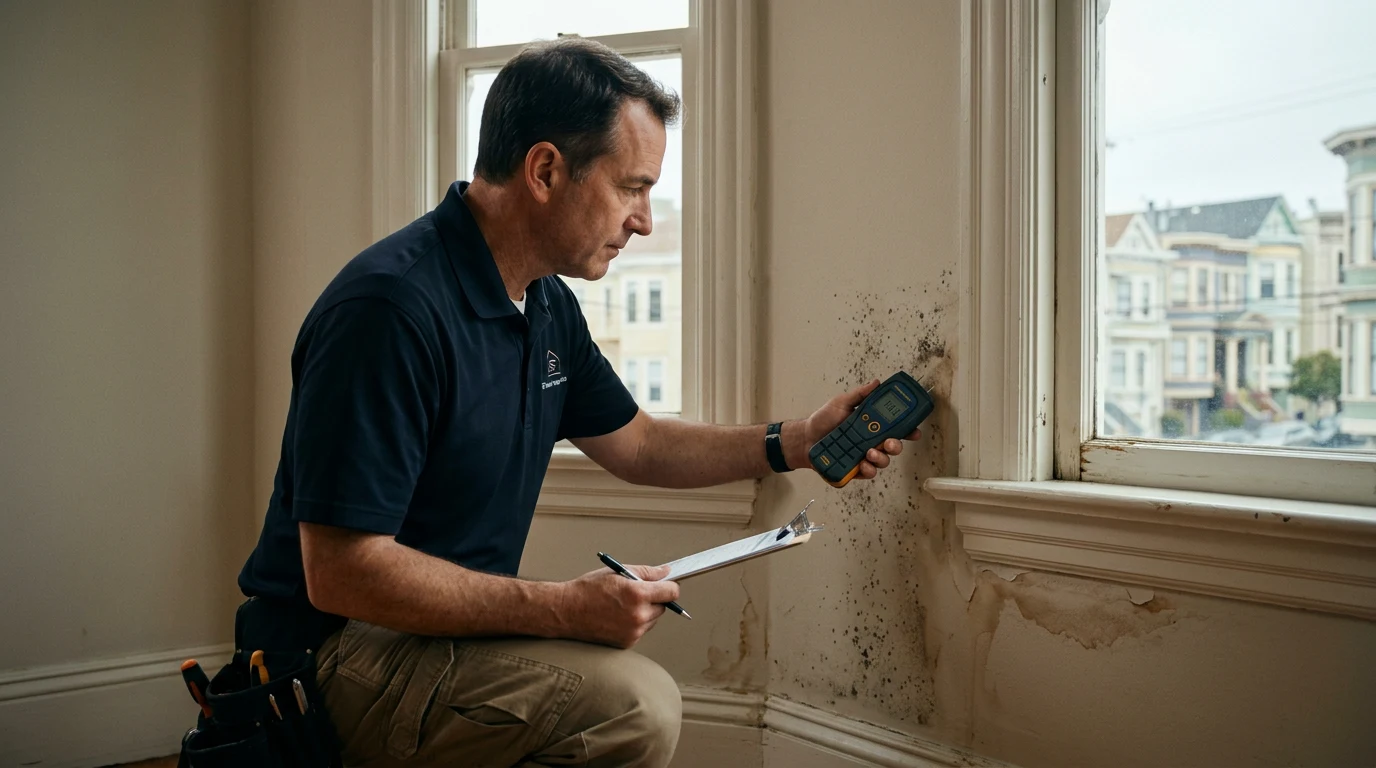
- Post-Remediation Verification (PRV): An independent industrial hygienist should perform air quality testing to ensure spore counts are lower than outdoor levels before the containment is removed.
Legal Remedies for San Francisco Tenants
Under the California Health and Safety Code Section 17920.3, mold is officially recognized as a "substandard" condition that can render a dwelling uninhabitable. San Francisco tenants have specific legal remedies when a landlord fails to address a mold infestation.
The Right to Repair
If a tenant discovers mold, the first step is to notify the landlord in writing. Under San Francisco law, the landlord generally has 30 days to begin repairs, though this timeframe may be shorter if the mold poses an immediate health risk. If the landlord remains unresponsive, the tenant can contact the San Francisco Department of Building Inspection (DBI). A housing inspector will visit the property and, if mold is visible, issue a "Notice of Violation" to the landlord, legally mandating the remediation.
The Rent Board and Rent Reductions
Tenants may also file a petition for a "Decrease in Services" with the San Francisco Rent Board. Since a moldy apartment is not a fully functional or safe living space, the Rent Board may grant a retroactive and ongoing rent reduction until the mold is professionally remediated. It is highly recommended that tenants consult with organizations like the San Francisco Tenants Union before withholding rent, as the "repair and deduct" remedy is legally complex and carries risks of eviction.
Comparison of Mold Treatment Methods
| Remedy Method | Best For | Pros | Cons |
|---|---|---|---|
| Distilled White Vinegar | Small surface areas, non-porous | Non-toxic, inexpensive, kills most species | Strong odor, may require multiple applications |
| HEPA Air Purifiers | Reducing airborne spores | Improves general air quality, easy to use | Does not address the source of mold growth |
| Commercial Dehumidifiers | Large rooms, foggy neighborhoods | Prevents new growth by controlling humidity | High initial cost, electricity consumption |
| Professional Remediation | Extensive growth, inside walls | Guaranteed results, safe for health | Expensive, requires temporary displacement |
| DBI Intervention | Unresponsive landlords | Legally enforceable, free for tenants | Can strain landlord-tenant relationships |
Structural Remedies for San Francisco’s Historic Homes
To prevent mold from returning to older properties, structural remedies are often necessary to address the root cause of dampness.
Crawl Space Encapsulation
Many homes in the Richmond and Sunset districts are built over dirt crawl spaces. Moisture from the ground evaporates and rises into the living spaces. Encapsulation involves laying a heavy-duty vapor barrier over the ground and up the foundation walls, effectively sealing out subterranean moisture.
Improved Ventilation Systems
Historic homes often rely on passive ventilation (opening windows). In 2026, many San Francisco property owners are installing Heat Recovery Ventilators (HRVs). These systems exchange stale, moist indoor air with fresh outdoor air while recovering heat, ensuring the home stays dry without becoming a drafty, cold environment during the winter months.
Thermal Bridging Mitigation
In "stick-built" San Francisco homes, thermal bridging occurs where wall studs transfer cold from the outside to the inside, causing condensation. Adding external insulation or "continuous insulation" during a retrofit can eliminate these cold spots, removing the moisture source that mold needs to grow.
Health and Safety Limitations
While this guide focuses on remediation and legal remedies, it is important to acknowledge the health implications of mold exposure. According to the California Department of Public Health (CDPH), mold exposure can cause or exacerbate asthma, allergic rhinitis, and other respiratory conditions. If residents are experiencing persistent coughing, wheezing, or skin irritation that improves when they leave the home, they should seek medical advice. This article is for informational purposes and does not constitute legal or medical advice.
Frequently Asked Questions
Can I withhold rent in San Francisco if I have mold?
While California law allows for "repair and deduct," it is a high-risk strategy in San Francisco. You must follow a strict legal process, including providing written notice and allowing a reasonable time for repairs. It is safer to pay the rent and seek a retroactive rent reduction through a San Francisco Rent Board petition to avoid the risk of an unlawful detainer (eviction) lawsuit.
Does the San Francisco fog cause mold?
The fog itself doesn't cause mold, but it creates the high-humidity conditions (frequently above 60-70% RH) that mold requires to grow. In San Francisco, indoor moisture is often a combination of external humidity and internal activities like showering and cooking that cannot escape due to poor ventilation.
What should I do if my landlord says the mold is my fault?
Landlords often claim mold is caused by a tenant’s "lifestyle," such as not opening windows. However, in San Francisco, landlords are required to provide a habitable environment with functioning ventilation. If the building’s design or lack of ventilation makes it impossible to prevent mold, the responsibility typically lies with the landlord. A DBI inspection can help determine if the building's infrastructure is at fault.
Are there specific mold species I should worry about in San Francisco?
While "black mold" (Stachybotrys chartarum) is the most infamous, any mold growth in a residence is considered a health hazard under the California Health and Safety Code. San Francisco inspectors focus on the presence of mold rather than the specific species, as all indoor mold growth is a violation of building standards.
What is the average cost of professional mold remediation in San Francisco in 2026?
Due to high labor costs and strict disposal regulations, professional remediation for a single room in San Francisco typically ranges from $2,500 to $6,000. Extensive whole-home remediation can exceed $15,000, depending on the extent of structural damage and the need for specialized equipment.
Next Steps for Residents
If you suspect a mold problem in your San Francisco home, your first action should be to purchase a digital hygrometer to monitor your indoor humidity levels. If the levels consistently exceed 55%, invest in a high-capacity dehumidifier rated for your square footage. For renters, immediately document the mold with photographs and send a formal written notice to your landlord via certified mail. If the issue is not addressed within 14 to 30 days, contact the San Francisco Department of Building Inspection at (628) 652-3200 to request a formal habitability inspection.
Image Gallery