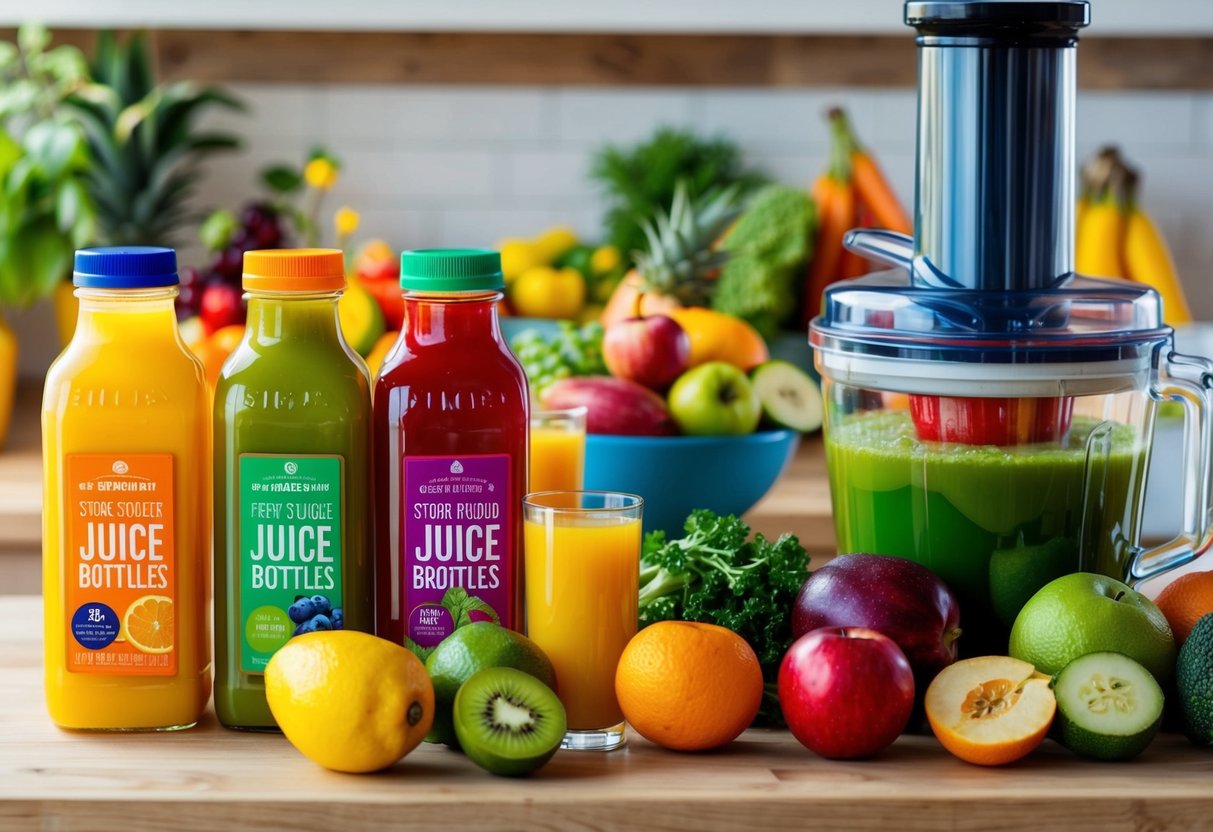
The Real Cost and Nutritional Reality of Store-Bought Juice Cleanses in 2026
Store-bought juice cleanses in 2026 typically range from $40 to $90 per day, depending on the brand’s processing methods and ingredient quality. While they offer unparalleled convenience and a high concentration of vitamins, the "reali...
Store-bought juice cleanses in 2026 typically range from $40 to $90 per day, depending on the brand’s processing methods and ingredient quality. While they offer unparalleled convenience and a high concentration of vitamins, the "reality" is that most weight loss is temporary water weight, and the body’s primary detoxification is performed by the liver and kidneys, not the juice itself.
Contents
The Financial Reality: Breaking Down the 2026 Price Tags
When evaluating the cost of a store-bought juice cleanse, consumers often underestimate the cumulative expense of a multi-day regimen. As of 2026, the market has bifurcated into two primary segments: mass-market High-Pressure Processed (HPP) juices found in grocery aisles and premium, local cold-pressed delivery services.
Daily and Weekly Expenditure
A standard juice cleanse involves consuming six 16-ounce bottles per day. At a retail price of $7 to $12 per bottle, a single day of cleansing costs between $42 and $72. For a popular three-day "reboot," costs frequently exceed $200 once shipping or delivery fees are factored in. This represents a significant premium over whole-food diets. For instance, a week’s worth of organic groceries for a balanced diet often costs less than a three-day premium juice subscription.
Value-Added Costs
Several factors drive these high prices. Cold-pressing technology, which uses hydraulic pressure to extract juice without heat, requires significantly more raw produce than traditional centrifugal juicing. It can take up to three pounds of produce to create one 16-ounce bottle of green juice. Furthermore, in 2026, the demand for regenerative organic certification and sustainable glass packaging has added a 15–20% premium to many high-end brands.
Subscription Models and Discounts
To mitigate high costs, many companies now offer "maintenance subscriptions." These models provide a 10–15% discount in exchange for a monthly commitment. While this reduces the per-bottle cost, it locks the consumer into a recurring expense that may not align with their actual physiological needs or lifestyle changes.
The Processing Reality: Raw vs. HPP
A common misconception in 2026 is that all store-bought juices are "fresh." Understanding the difference between raw juice and High-Pressure Processed (HPP) juice is essential for determining the value of your purchase.
High-Pressure Processing (HPP) is the industry standard for juices sold in retail environments like Whole Foods or Target. The sealed bottles are subjected to extreme pressure (roughly equivalent to the depth of the ocean) to neutralize pathogens and extend shelf life from three days to 30–45 days. While HPP preserves most vitamins and minerals better than heat pasteurization, some enthusiasts argue it slightly alters the "living" enzyme profile of the juice.
Truly Raw Juice is usually only available at local juice bars or through direct-to-door delivery services with a 48-hour shelf life. These juices are unpasteurized and carry a higher risk of bacterial contamination for immunocompromised individuals, but they represent the pinnacle of juice quality. The reality is that if a juice has an expiration date two weeks away, it has undergone some form of processing.
Nutritional Realities: What the Body Actually Does
The marketing surrounding juice cleanses often relies on the term "detoxification." However, from a clinical perspective, the human body is already equipped with a sophisticated detoxification system.
The Role of the Liver and Kidneys
The liver neutralizes toxins, and the kidneys filter them out of the bloodstream to be excreted. There is no peer-reviewed evidence suggesting that consuming only fruit and vegetable juice "flushes" toxins out of the cells more effectively than a balanced diet. The "feel-good" factor many people report during a cleanse is often the result of eliminating processed sugars, caffeine, and alcohol, rather than a magical property of the juice itself.
The Fiber Gap
One of the most significant nutritional realities of juice is the absence of insoluble fiber. When produce is juiced, the fibrous pulp is discarded. Fiber is essential for digestive health, blood sugar regulation, and satiety. Without fiber, the natural sugars in the juice (fructose) are absorbed rapidly into the bloodstream, which can cause significant insulin spikes and subsequent energy crashes.
Protein and Healthy Fats
Store-bought cleanses are notoriously low in protein and fats. A standard 3-day cleanse provides almost zero grams of protein, which can lead to muscle breakdown if extended beyond a few days. Some 2026 brands have attempted to remedy this by including a "nut milk" (cashew or almond) for the final drink of the day, providing some healthy fats and a few grams of protein to aid in nutrient absorption and satiety.
Comparing Popular 2026 Juice Cleanse Models
The following table compares the typical costs and specifications for different tiers of juice cleanses available in the current market.
| Cleanse Tier | Average Daily Cost | Processing Method | Availability | Best For |
|---|---|---|---|---|
| Budget/Grocery | $35 – $45 | HPP (High Pressure) | Supermarkets | Beginners on a budget |
| Mid-Range/Nationwide | $50 – $65 | HPP / Cold-Pressed | Online Shipping | Convenience & variety |
| Premium/Artisanal | $70 – $95 | Raw / Cold-Pressed | Local Delivery | Maximum nutrient density |
| DIY (At Home) | $20 – $35 | Centrifugal / Masticating | Home Kitchen | Long-term sustainability |
The Reality of Weight Loss and "The Rebound"
Most individuals pursue a juice cleanse for rapid weight loss. While the scale will almost certainly show a lower number after three days, the reality of this weight loss is often misunderstood.
Water Weight and Glycogen
When you restrict calories and carbohydrates, your body uses its stored glycogen for energy. Glycogen is bound to water; as it is depleted, the water is released. This results in a "whoosh" of weight loss that is almost entirely fluid. Once a normal diet is resumed and glycogen stores are replenished, this weight typically returns within 48 to 72 hours.
Metabolic Slowdown
Extended juice cleanses (7+ days) can signal to the body that it is in a state of semi-starvation. This can lead to a temporary decrease in basal metabolic rate (BMR). When the cleanse ends, many people find they gain back more weight than they lost because their metabolism has slowed down while their appetite has increased due to hormonal shifts (increased ghrelin).
Practical Limitations and Side Effects
Before purchasing a store-bought cleanse, one must consider the practical side effects that are often omitted from the glossy marketing materials.
- Brain Fog and Fatigue: Due to the lack of complex carbohydrates and protein, many users experience "day two" fatigue, irritability, and a lack of focus.
- Digestive Distress: The sudden influx of concentrated fructose and the lack of fiber can cause bloating, gas, or diarrhea in some individuals.
- Social Isolation: Cleansing makes social dining nearly impossible, which can lead to psychological stress or "cheating" on the protocol.
- Blood Sugar Volatility: For those with pre-diabetes or insulin sensitivity, the high sugar content of fruit-heavy juices can be dangerous.
Guidance for Choosing a Store-Bought Cleanse
If you decide that the convenience of a store-bought cleanse outweighs the cost and nutritional limitations, follow these guidelines to maximize your investment:
- Prioritize Green Over Fruit: Look for kits where the majority of the juices have "green" ingredients (kale, spinach, celery, cucumber) listed before fruit juices (apple, pineapple, orange). This minimizes the sugar load.
- Check for HPP: If you are buying from a grocery store, ensure the juice is cold-pressed and HPP, not heat-pasteurized. Heat destroys many of the delicate enzymes and vitamins.
- Short Duration: Opt for a 1-day or 3-day cleanse. Anything longer requires medical supervision and significantly increases the risk of nutrient deficiencies and muscle loss.
- Read the Ingredient Label: Avoid juices with added "natural flavors," agave, or maple syrup. The juice should contain only fruits, vegetables, and perhaps herbs/spices like ginger or turmeric.
Professional Advice Limitation: This article is for informational purposes only and does not constitute medical advice. Juice cleanses can be dangerous for individuals with certain medical conditions, including diabetes, kidney disease, or eating disorders. Always consult with a qualified healthcare professional before starting any restrictive diet or cleanse.
Frequently Asked Questions
Can I exercise while on a store-bought juice cleanse?
Light activity, such as walking, yoga, or stretching, is generally acceptable. However, high-intensity interval training (HIIT) or heavy weightlifting is not recommended during a cleanse. Your caloric intake will likely be under 1,200 calories per day, which is insufficient to fuel intense workouts or facilitate muscle recovery.
Is it better to make my own juice than to buy it?
From a cost and freshness perspective, yes. Making juice at home allows you to consume the liquid immediately, preserving the highest level of nutrients. However, the "reality" of DIY juicing includes the high cost of a quality juicer (often $300+), the time required for prep and cleanup, and the rapid spoilage of fresh juice. Store-bought options are primarily a purchase of convenience.
Will a juice cleanse clear up my skin?
Some people report a "glow" after a cleanse, likely due to increased hydration and a high intake of antioxidants like Vitamin C and Vitamin A. However, for others, the high sugar content can actually trigger breakouts or inflammation. Consistent hydration and a balanced diet are more effective for long-term skin health.
What should I eat immediately after finishing a cleanse?
The transition back to solid food is critical. Start with small, water-rich meals such as steamed vegetables, soups, or salads. Avoid heavy fats, processed sugars, and large portions of meat for the first 48 hours to prevent digestive upset.
Recommended Next Action
If you are considering a store-bought juice cleanse for the first time, start with a "half-day" or "juice-until-dinner" approach. Replace your breakfast and lunch with high-quality, vegetable-forward store-bought juices, and eat a clean, protein-rich solid meal for dinner. This provides the micronutrient boost and "digestive rest" people seek while maintaining metabolic health and stable blood sugar levels.
Image Gallery