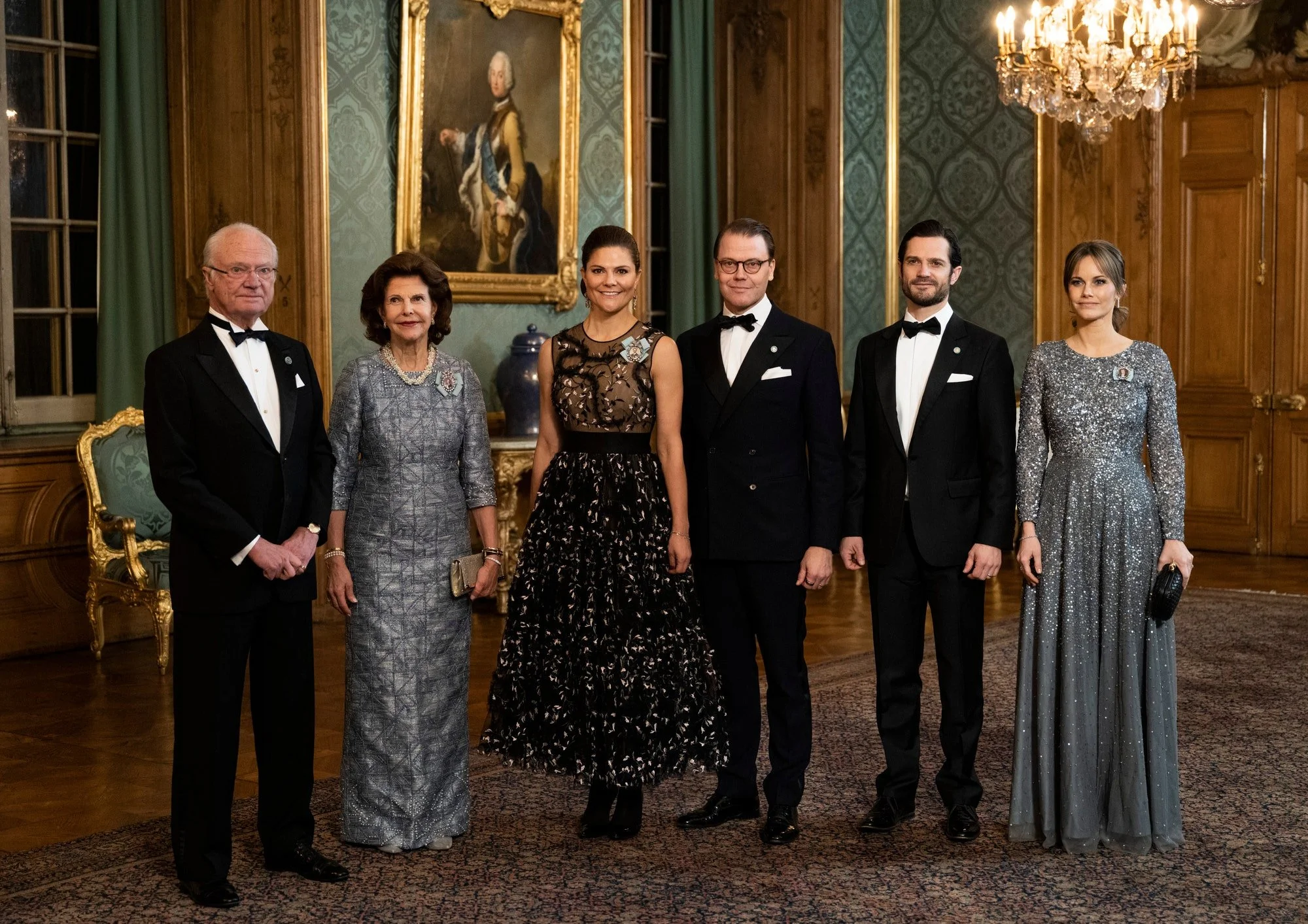
Changes and Debates in the Swedish Royal House: Governance, Succession, and Modern Relevance
The Swedish Royal House (Kungahuset) has undergone significant structural, financial, and legal reforms designed to align an ancient institution with a progressive constitutional democracy. Recent changes—most notably the 1979 decision...
The Swedish Royal House (Kungahuset) has undergone significant structural, financial, and legal reforms designed to align an ancient institution with a progressive constitutional democracy. Recent changes—most notably the 1979 decision to establish equal primogeniture and the 2019 restructuring of official royal duties—highlight the constant balancing act between preserving heritage, maintaining public accountability, and accommodating dynamic social expectations.
Contents
Constitutional Foundation and the Shift to Absolute Primogeniture
The constitutional role of the Swedish monarch is defined primarily by the 1974 Instrument of Government (Regeringsformen), which stripped the sovereign of executive political power. Unlike monarches in some other European nations who formally appoint prime ministers or sign legislation into law, the Swedish Head of State serves an entirely ceremonial and representative function. The monarch formally opens the parliamentary session (Riksmötet), chairs the Council on Foreign Affairs (Utrikesnämnden), and represents Sweden abroad, but possesses no political authority or vote.
Parallel to this constitutional shift was the historical amendment to the Act of Succession (Successionsordningen). Passed by the Riksdag in 1979 and taking effect on January 1, 1980, Sweden became the first monarchy in the world to adopt absolute primogeniture. Under this reform, the eldest child of the monarch succeeds to the throne regardless of gender.
Act of Succession Reform (1979/1980)
- Pre-1980: Agnatic Primogeniture (Male-only succession)
- Post-1980: Absolute Primogeniture (Eldest child succeeds, regardless of gender)
This change fundamentally altered the line of succession:
- Impact on Crown Princess Victoria: Born in 1977, Victoria became Crown Princess upon the law's implementation, replacing her younger brother, Prince Carl Philip, who had been born Crown Prince in 1979.
- Public and Royal Reactions: King Carl XVI Gustaf expressed reservations at the time, not against gender equality, but regarding the retroactive nature of the legislation, which stripped his newborn son of a title he had held for seven months.
- Long-Term Consensus: The shift to absolute primogeniture is widely considered a major milestone in Swedish egalitarian history and established a precedent later followed by Norway, Belgium, Denmark, the Netherlands, and the United Kingdom.
The 2019 Reform: Restructuring the Royal House vs. Royal Family
In October 2019, King Carl XVI Gustaf announced a major structural reform following a multi-year review by the Riksdag concerning royal finances and official representation. The change established a clear operational boundary between the official Royal House (Kungahuset) and the broader Royal Family (Kungafamiljen).
Scope of the 2019 Decision
The King removed five of his grandchildren—the children of Prince Carl Philip and Princess Sofia, alongside the children of Princess Madeleine and Christopher O'Neill—from the official Royal House.
While these grandchildren remain members of the extended Royal Family and retain their personal titles of Prince or Princess along with their territorial dukedoms, they are no longer members of the Royal House. This modification carries three key legal and practical consequences:
- Official Royal Duties: They are no longer expected to perform official duties representing the state or the monarch.
- State Funding Exclusion: They are not entitled to receive state funding (apanage) allocated to the Royal House for their official functions.
- Civil and Commercial Freedom: They are freed from the formal restrictions placed on members of the Royal House, allowing them to pursue private employment, build businesses, and participate in politics or corporate activities without institutional conflict.
By concentrating official status strictly on the Monarch, the Queen, Crown Princess Victoria, Prince Daniel, and their children (Princess Estelle and Prince Oscar), the Royal House effectively narrowed its public footprint to the direct line of succession.
Financial Transparency and the Debate Over the Apanage
The financing of the Swedish monarchy is a recurrent topic of parliamentary debate and media scrutiny. The state grant allocated to the monarchy, known as the apanage, is approved annually by the Riksdag.
The grant is divided into two main categories:
- The Royal Court Administration (Hovstaten): Funding for the monarch's official duties, diplomatic engagements, state visits, household operations, and official personnel costs.
- Palace Administration (Slottsstaten): Funding for the care, maintenance, and public presentation of state-owned royal palaces, art collections, and historical heritage sites managed by the National Property Board (Statens fastighetsverk).
Parliamentary State Allocation (Apanage)
- Royal Court Administration (Hovstaten): Official duties, representation, staff salaries
- Palace Administration (Slottsstaten): Care of palaces, art collections, historic sites
Key Debates on Royal Finances
Critiques of the funding system frequently focus on auditing standards and transparency:
- Accountability Requirements: Members of parliament, particularly from the Left Party (Vänsterpartiet) and the Social Democrats (Socialdemokraterna), have historically argued for greater financial disclosure regarding how apanage funds are distributed internally among family members.
- Public Infrastructure vs. Personal Wealth: Supporters of the current funding framework emphasize that a major portion of the allocation funds public cultural heritage—such as maintaining ten royal palaces open to the public—rather than funding the personal lifestyle of royal family members.
- Impact of the 2019 Reduction: The 2019 reduction in Royal House members was widely supported across political spectrums because it capped future growth of the state-funded royal establishment.
Structural Comparison of Swedish Royal Statuses
The following table outlines the current structural framework governing status, duties, funding, and civil restrictions within the Swedish Monarchy.
| Royal Category | Key Members | Official State Duties? | Entitled to Direct State Apanage? | Commercial & Employment Freedom | Line of Succession Status |
|---|---|---|---|---|---|
| The Sovereign | King Carl XVI Gustaf | Yes (Head of State, ceremonial duties) | Yes (Allocated to administration) | Restricted (Must remain non-political & impartial) | N/A (Current Reigning Monarch) |
| The Direct Line | Crown Princess Victoria, Prince Daniel, Princess Estelle, Prince Oscar | Yes (Primary diplomatic & state duties) | Yes (Supported via Royal Court funds) | Restricted (Subject to official court approval) | 1st, 2nd, and 3rd in line to the throne |
| Working Royal House Members | Prince Carl Philip, Princess Sofia, Princess Madeleine | Limited (Perform representative duties as requested) | Partial (Only compensated when executing specific state requests) | Partial (May run private enterprises with oversight) | Active in succession line (4th, 7th, 8th) |
| Non-House Royal Family Members | Children of Carl Philip & Madeleine (e.g., Prince Alexander, Princess Leonore) | No (Private individuals) | No (Excluded from direct state funding) | Full (Can seek private employment/business) | Retain position in line of succession |
Public Opinion and the Republican Movement
Sweden maintains a stable constitutional monarchy, supported by a clear majority of the populace according to long-term demographic studies conducted by the SOM Institute at the University of Gothenburg. However, the monarchy's role remains a subject of ongoing civic debate.
The Republican Debate
The primary opponent of the monarchical institution is the Swedish Republican Association (Republikanska föreningen), along with several parliamentary political parties whose official platforms advocate for a republic. Their central arguments include:
- Democratic Consistency: Modern democratic governance should not assign public head-of-state roles based on birthright.
- Equality Before the Law: A hereditary monarch holds a constitutional position that violates the principle of equal legal rights for all citizens.
- Symbolic Representation: Advocates for a republic argue that a democratically elected president would better reflect modern Swedish values.
Institutional Resilience and Adaptability
Despite republican critiques, public sentiment remains generally favorable toward the Crown. Observers attribute this stability to several key factors:
- Non-Partisan Position: King Carl XVI Gustaf, who celebrated his Golden Jubilee (50 years on the throne) in 2023, has maintained strict political neutrality throughout his reign.
- Modern Leadership of Crown Princess Victoria: Crown Princess Victoria enjoys exceptionally high personal popularity. Her public engagements emphasize environmental sustainability, inclusivity, mental health awareness, and crisis response support.
- Proactive Adaptation: The Royal House's willingness to reform itself—such as implementing equal primogeniture and slimming down its official membership—has mitigated public criticism regarding elitism or fiscal waste.
Guidance for Researching Royal House Governance
For legal scholars, researchers, and citizens seeking verified factual material regarding the governance, constitutional framework, and operational updates of the Swedish Royal House, the following steps provide reliable primary resources:
- Examine the Instrument of Government (Regeringsformen): Review Chapter 5 of the Swedish Constitution for precise legal language regarding the Monarch’s responsibilities as Head of State.
- Review the Act of Succession (Successionsordningen): Consult the 1979/1980 statutory amendments published by the Sveriges Riksdag to inspect rules on line of succession and religious requirements.
- Analyze Parliamentary Financial Reports: Review the annual state budget documentation (Budgetpropositionen) under Expenditure Area 1 (Utgiftsområde 1: Rikets styrelse) to trace exact allocations for the apanage.
- Consult Official Statements: Read formal press releases from the Swedish Royal Court via Sveriges Kungahus for announcements regarding changes in status, representation, or official engagements.
Frequently Asked Questions
What is the difference between the Swedish Royal House and the Royal Family?
The Royal House (Kungahuset) consists strictly of the King, Queen, the Crown Princess family, and royals who actively perform official state duties funded by the state budget. The Royal Family (Kungafamiljen) is the broader extended family, which includes relatives who hold personal titles but do not represent the state in an official capacity or receive public funds.
Why did King Carl XVI Gustaf change the status of five of his grandchildren in 2019?
The status was changed to streamline the official duties of the Royal House, limit future growth of state funding (apanage), and provide those grandchildren with greater individual freedom to pursue private careers, commercial activities, and civil roles without institutional restrictions.
Who is currently first in line to the Swedish throne?
Crown Princess Victoria is the heir apparent and first in line to the Swedish throne. Her eldest child, Princess Estelle, is second in line, followed by her younger child, Prince Oscar, who is third in line.
Does the King of Sweden hold any executive or political power?
No. Under the 1974 Instrument of Government, the King holds an exclusively ceremonial and symbolic role as Head of State. He has no vote, cannot sign legislation into law, does not appoint the Prime Minister, and must remain politically neutral.
How is the Swedish monarchy funded by taxpayers?
The monarchy is funded via an annual grant approved by the Riksdag called the apanage. This funding is divided into administrative operations (supporting official royal representation, state visits, and staff) and palace administration (maintaining state-owned historical palaces, art collections, and gardens).
Modern Outlook for the Swedish Monarchy
Understanding the Swedish Royal House requires examining how a centuries-old institution adapts to modern constitutional demands. By proactively adopting absolute primogeniture, maintaining political neutrality, and narrowing the scope of state-funded official duties, the Swedish Crown has successfully established a model of modern European monarchy based on accountability, transparency, and public service.
Image Gallery