Miami Seaquarium Dolphins: Experiences, Welfare Status, and Visitor Guidelines for 2026
As of 2026, visitors to the Miami Seaquarium can still participate in various dolphin interaction programs, including the Dolphin Odyssey and Dolphin Encounter, though operations are subject to ongoing oversight. While the facility con...
As of 2026, visitors to the Miami Seaquarium can still participate in various dolphin interaction programs, including the Dolphin Odyssey and Dolphin Encounter, though operations are subject to ongoing oversight. While the facility continues to house Atlantic bottlenose and Pacific white-sided dolphins, visitors should verify current availability due to the park's evolving legal status and lease transitions.
Contents
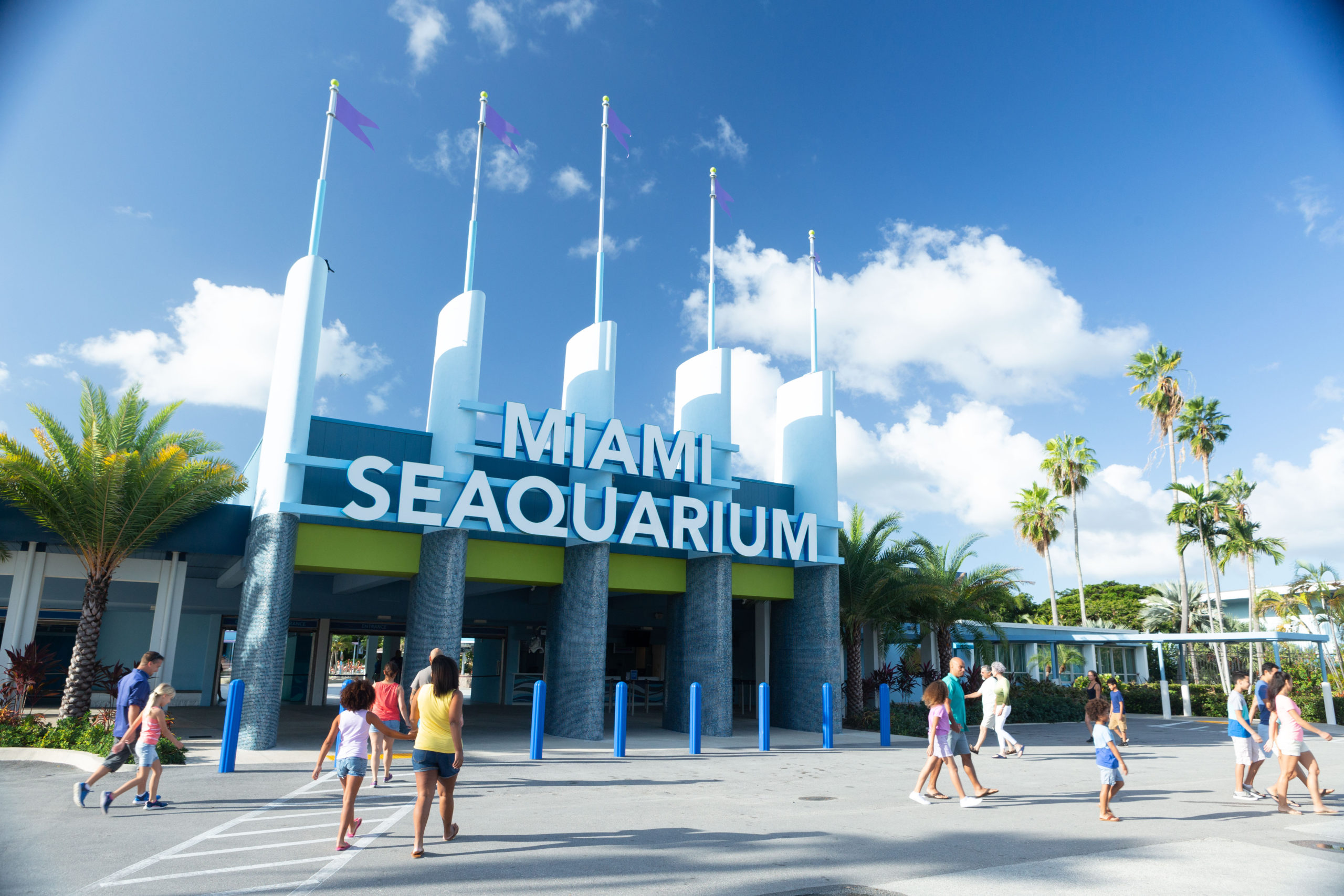
The Miami Seaquarium, located on the scenic Virginia Key, has been a centerpiece of South Florida marine life tourism since 1955. However, the experience of viewing and interacting with dolphins at this venue has changed significantly in recent years. For those planning a visit in 2026, understanding the distinction between different dolphin species, the specifics of the interaction tiers, and the broader context of animal welfare initiatives is essential for an informed trip.
The Current Status of Dolphin Programs at Miami Seaquarium
In 2026, the operational landscape of the Miami Seaquarium remains a complex subject involving municipal governance and private management. Following the 2024 lease termination notice issued by Miami-Dade County, the facility has undergone rigorous scrutiny regarding its infrastructure and the health of its marine mammals. Despite these challenges, dolphin programs have remained a primary draw for tourists.
The park currently operates under a framework that prioritizes educational demonstrations over purely theatrical performances. This shift is part of a broader industry trend toward "edutainment," where the goal is to foster an appreciation for marine biology while adhering to stricter animal welfare standards. For prospective visitors, this means that dolphin shows focus more on natural behaviors—such as breaching, vocalization, and social interaction—than on highly choreographed stunts that characterized the park’s earlier decades.
It is important to note that the availability of specific dolphins and programs can fluctuate. Animal health assessments are conducted daily, and the park’s veterinary staff has the authority to cancel interactions if an animal shows signs of stress or illness. This proactive management style is a direct response to federal and local pressure to improve the living conditions of the resident cetaceans.
Species Overview: The Dolphins of Virginia Key
The Miami Seaquarium primarily houses two distinct species of dolphins, each requiring different care protocols and habitat configurations. Understanding these animals' biology provides context for the types of interactions offered.
Atlantic Bottlenose Dolphins (Tursiops truncatus)
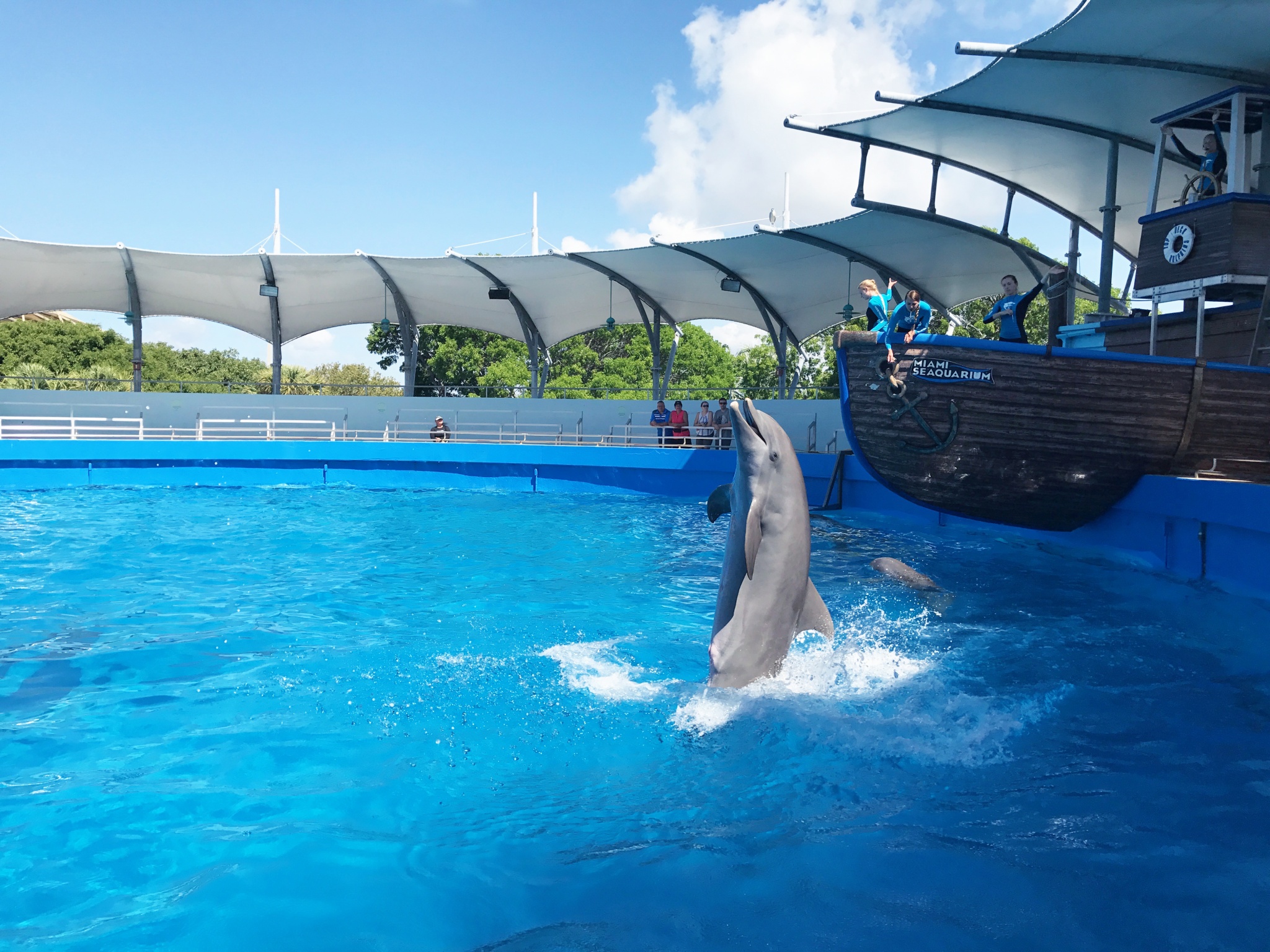
The most iconic of all marine mammals, the Atlantic bottlenose dolphins at the Seaquarium are the mainstay of the interaction programs. These animals are known for their high intelligence, complex social structures, and adaptability. In the wild, they inhabit temperate and tropical waters worldwide. At the Seaquarium, they reside in several lagoons and pools designed to accommodate their social groupings.
Bottlenose dolphins are highly vocal, using a series of clicks and whistles for echolocation and communication. During interactions, visitors often have the chance to observe these vocalizations firsthand. The Seaquarium’s training staff utilizes positive reinforcement techniques—primarily through food rewards and tactile stimulation—to engage the dolphins in both medical behaviors (such as voluntary blood draws) and public demonstrations.
Pacific White-Sided Dolphins (Lagenorhynchus obliquidens)
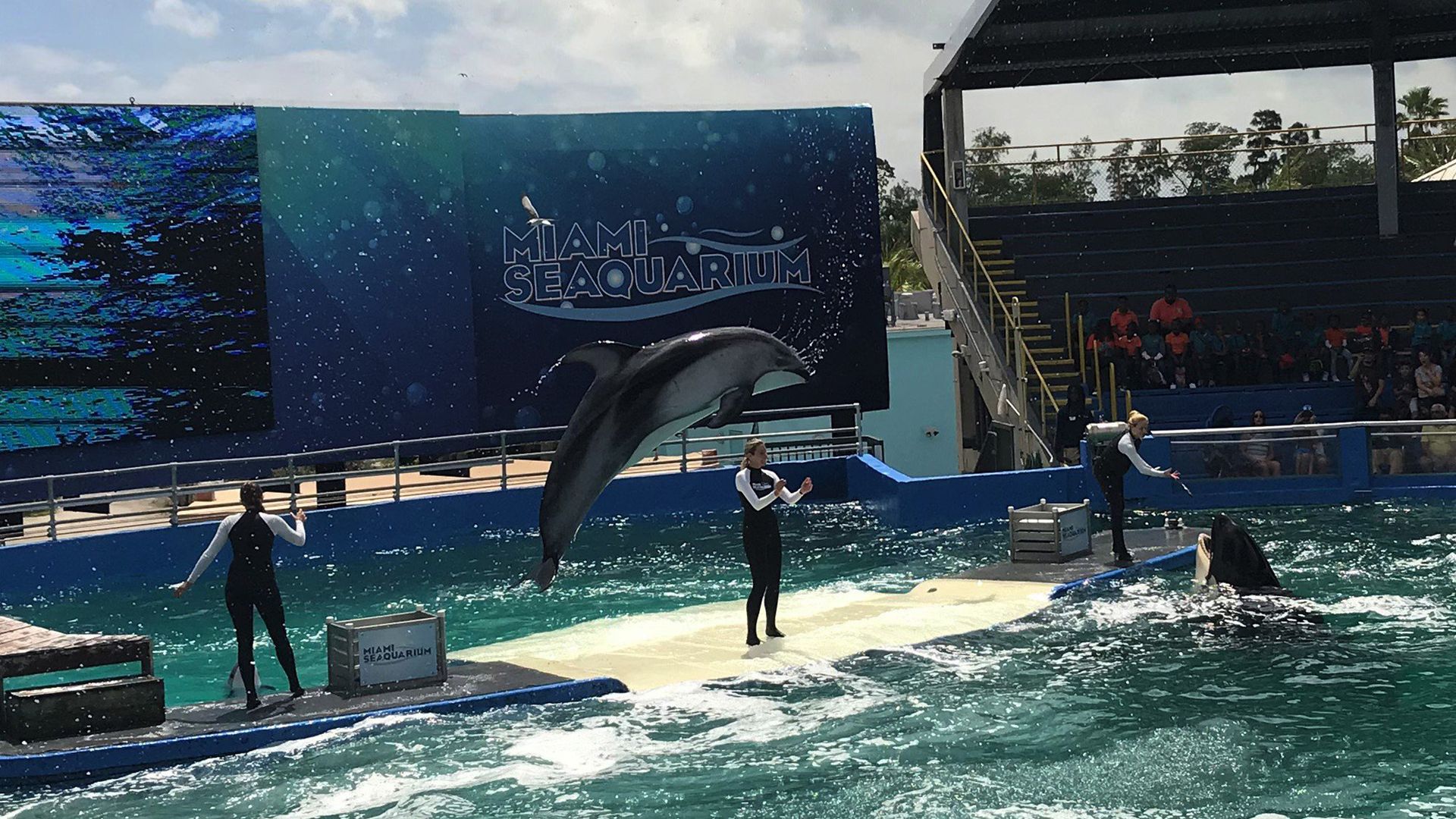
Less common in captive environments than the bottlenose, Pacific white-sided dolphins are recognized by their striking black, gray, and white coloration and their highly energetic nature. These dolphins are traditionally found in the cool temperate waters of the North Pacific.
At the Miami Seaquarium, these animals have historically been housed in the "Whale Bowl" or adjacent facilities. They are known for being exceptionally acrobatic, often performing high-speed maneuvers and impressive leaps. Because their natural habitat is much cooler than the tropical climate of Miami, the park must employ specialized life-support systems (LSS) to maintain appropriate water temperatures and salinity levels to ensure their physiological health.
Available Dolphin Interaction Programs: Requirements and Costs
The Miami Seaquarium offers several tiers of dolphin interactions, ranging from shallow-water wading to deep-water swimming. These programs are structured to accommodate different age groups and comfort levels with the water.
Dolphin Encounter
The Dolphin Encounter is designed for families and those who prefer to stay in shallower water. Participants typically stand on a submerged platform that reaches waist height.
- What to Expect: This program focuses on tactile interaction. Participants can pet the dolphins, offer hand signals for specific behaviors, and occasionally participate in a "handshake" or "kiss."
- Requirements: There is usually a height requirement (typically 52 inches) for children to participate without an accompanying adult. Life vests are provided and mandatory.
- Duration: The total experience lasts approximately 30 minutes, including a brief educational orientation.
Dolphin Odyssey
For a more immersive experience, the Dolphin Odyssey allows participants to enter deeper water. This program is more physically demanding and provides a closer look at the dolphin’s power and agility.
- What to Expect: The highlight of the Odyssey is the "dorsal pull," where a participant holds onto the dolphin’s dorsal fin as the animal swims across the lagoon. It also includes deep-water interactions where the dolphin may perform "foot pushes" or other complex maneuvers.
- Requirements: Participants must be able to swim and meet the minimum height requirement. Pregnant women are generally restricted from this program due to safety protocols.
- Duration: This session usually lasts 30 to 45 minutes, with additional time for the pre-interaction briefing.
Trainer for a Day
The "Trainer for a Day" program is a premium, comprehensive experience intended for those interested in the career of marine mammal training. It offers a "behind-the-scenes" look at the daily operations of the dolphin department.
- What to Expect: Participants assist with food preparation (sorting and weighing fish), observe medical training sessions, and learn about the technical aspects of water chemistry and habitat maintenance.
- Logistics: This is a multi-hour commitment and often includes lunch and a commemorative photo package. It is limited to a very small number of participants per day to ensure personalized instruction.
| Program Feature | Dolphin Encounter | Dolphin Odyssey | Trainer for a Day |
|---|---|---|---|
| Depth | Shallow (Waist-deep) | Deep (Swimming) | Varied (Land & Water) |
| Minimum Age | 5 years (with adult) | 52 inches tall | 12 years |
| Swimming Ability | Not Required | Required | Intermediate |
| Key Activity | Touching & Feeding | Dorsal Fin Pull | Behavioral Training |
| Approx. Cost (2026) | $150 - $210 | $220 - $280 | $450+ |
The 2024-2026 Legal Transition and Animal Welfare Oversight
The period between 2024 and 2026 has been a turning point for the Miami Seaquarium. Following a series of critical reports from the United States Department of Agriculture (USDA), Miami-Dade County took the unprecedented step of terminating the lease of the park’s operator, The Dolphin Company (subsidiary of Dolphin Discovery).
The USDA inspections highlighted several areas of concern that directly impacted the dolphins, including:
- Water Quality: Fluctuations in chlorine levels and coliform bacteria counts in the dolphin lagoons.
- Structural Integrity: Deteriorating concrete and rusted metal in the pools, which posed a risk of injury to the animals.
- Staffing Levels: Shortages in experienced veterinary and training staff, which allegedly led to delays in medical care.
In response to these findings, the county and various advocacy groups have pushed for the relocation of certain animals or the complete overhaul of the facility. As of 2026, the Seaquarium operates under a "monitored status," where third-party veterinarians and county officials perform regular unannounced inspections. This heightened oversight is designed to ensure that the dolphins receive care that meets or exceeds the standards set by the Marine Mammal Protection Act (MMPA) and the Animal Welfare Act (AWA).
The Legacy of Lolita (Tokitae) and Its Impact on Current Operations
No discussion of the Miami Seaquarium dolphins is complete without mentioning Lolita (also known as Tokitae), the Southern Resident killer whale who lived at the park for over 50 years. Her death in August 2023, just as plans were being finalized to relocate her to a sea pen in the Pacific Northwest, profoundly changed the park's public image and operational philosophy.
The vacancy of the Whale Bowl and the subsequent national attention on cetacean captivity have led to a reconfiguration of the dolphin habitats. Some of the dolphins previously housed in smaller auxiliary tanks have been moved to larger, more modern enclosures. The legacy of Lolita has served as a catalyst for the "Free Lolita" movement to pivot toward broader advocacy for the remaining dolphins, ensuring they do not suffer similar long-term confinement issues.
Planning Your Visit: Logistics, Safety, and Ethical Considerations
When visiting the Miami Seaquarium in 2026, practical planning is required to navigate the current state of the park.
Booking and Reservations
Due to the fluctuating status of the park’s lease and potential closures for renovations, it is highly recommended to book dolphin interactions directly through the official website at least two weeks in advance. Avoid third-party resellers, as they may not have the most up-to-date information on program cancellations or habitat maintenance schedules.
Safety Protocols
The park enforces strict safety rules for the protection of both humans and animals:
- Jewelry and Loose Items: All jewelry, watches, and cameras must be removed before entering the water. Small objects can be accidentally ingested by dolphins, leading to severe health complications.
- Sunscreen: Participants are encouraged to use "reef-safe" or biodegradable sunscreen to prevent chemical contamination of the dolphin lagoons.
- Health Requirements: If you have any open wounds or recent illnesses, you may be barred from the water for the safety of the animals' immune systems.
Ethical Considerations
Visitors are increasingly weighing the educational value of these encounters against the ethics of captivity. The Seaquarium has responded by increasing the transparency of its conservation efforts, such as its rescue and rehabilitation program for Florida manatees. When interacting with the dolphins, focus on the educational components of the briefing and ask the trainers about the animals' individual histories and the park’s role in regional marine conservation.
FAQ
Can I swim with dolphins if I am not a strong swimmer? Yes, the Dolphin Encounter program is specifically designed for non-swimmers or those who are uncomfortable in deep water. You stand on a submerged platform, and a life vest is provided. The dolphins come to you in a controlled, shallow environment.
What happens if the weather is bad on the day of my dolphin program? In the event of lightning or severe tropical storms common in Miami, the Seaquarium will suspend all water activities. Most tickets include a "weather guarantee" allowing you to reschedule, but it is important to check the specific refund policy at the time of purchase.
Are the dolphins at Miami Seaquarium captive-bred or wild-caught? The majority of the dolphins currently at the Miami Seaquarium were born in human care. The practice of capturing wild dolphins for display in the United States has largely ceased, and the park focuses on its internal breeding program or transfers from other accredited facilities.
Is the Miami Seaquarium closing soon? While Miami-Dade County issued an eviction notice in 2024, the legal process is lengthy. In 2026, the park remains operational while the courts and the county determine the long-term future of the site and the relocation plans for the animals.
Can I take my own photos during the dolphin interaction? For safety reasons, personal cameras and phones are not allowed in the water or on the interaction platforms. However, the park has professional photographers who document the experience, and these photos are available for purchase afterward.
Final Recommendation
If you choose to visit the Miami Seaquarium in 2026, prioritize the Dolphin Odyssey for the most comprehensive educational experience, provided you meet the swimming requirements. Always check the official Miami-Dade County updates regarding the park's lease status before your trip to ensure that the facility is operating at full capacity. For those concerned with animal welfare, look for the current USDA inspection certificates which are often required to be posted or available upon request at the visitor center.
Image Gallery