Comprehensive Guide to the Best Things to Do in Jasper National Park
Jasper National Park offers an expansive wilderness experience across more than 11,000 square kilometers of the Canadian Rockies. Visitors can explore glacial lakes, massive icefields, dramatic canyon waterfalls, and alpine hiking trai...
Jasper National Park offers an expansive wilderness experience across more than 11,000 square kilometers of the Canadian Rockies. Visitors can explore glacial lakes, massive icefields, dramatic canyon waterfalls, and alpine hiking trails while enjoying exceptional wildlife viewing and world-renowned dark sky stargazing throughout the park's accessible corridors.
Contents
Key Attractions and Outdoor Activities in Jasper
As the largest national park in the Canadian Rockies, Jasper National Park provides a vast landscape filled with ecological diversity and geological wonders. Unlike its busier neighbor to the south, Banff National Park, Jasper retains a somewhat wilder, more rugged atmosphere while remaining accessible via well-maintained highway networks like the Icefields Parkway (Highway 93) and the Yellowhead Highway (Highway 16).
Whether you are seeking gentle sightseeing boat cruises, high-altitude alpine scrambles, or scenic road drives, the park accommodates a wide spectrum of physical abilities and interests.
Explore the Iconic Lakes: Maligne Lake, Spirit Island, and Pyramid Lake
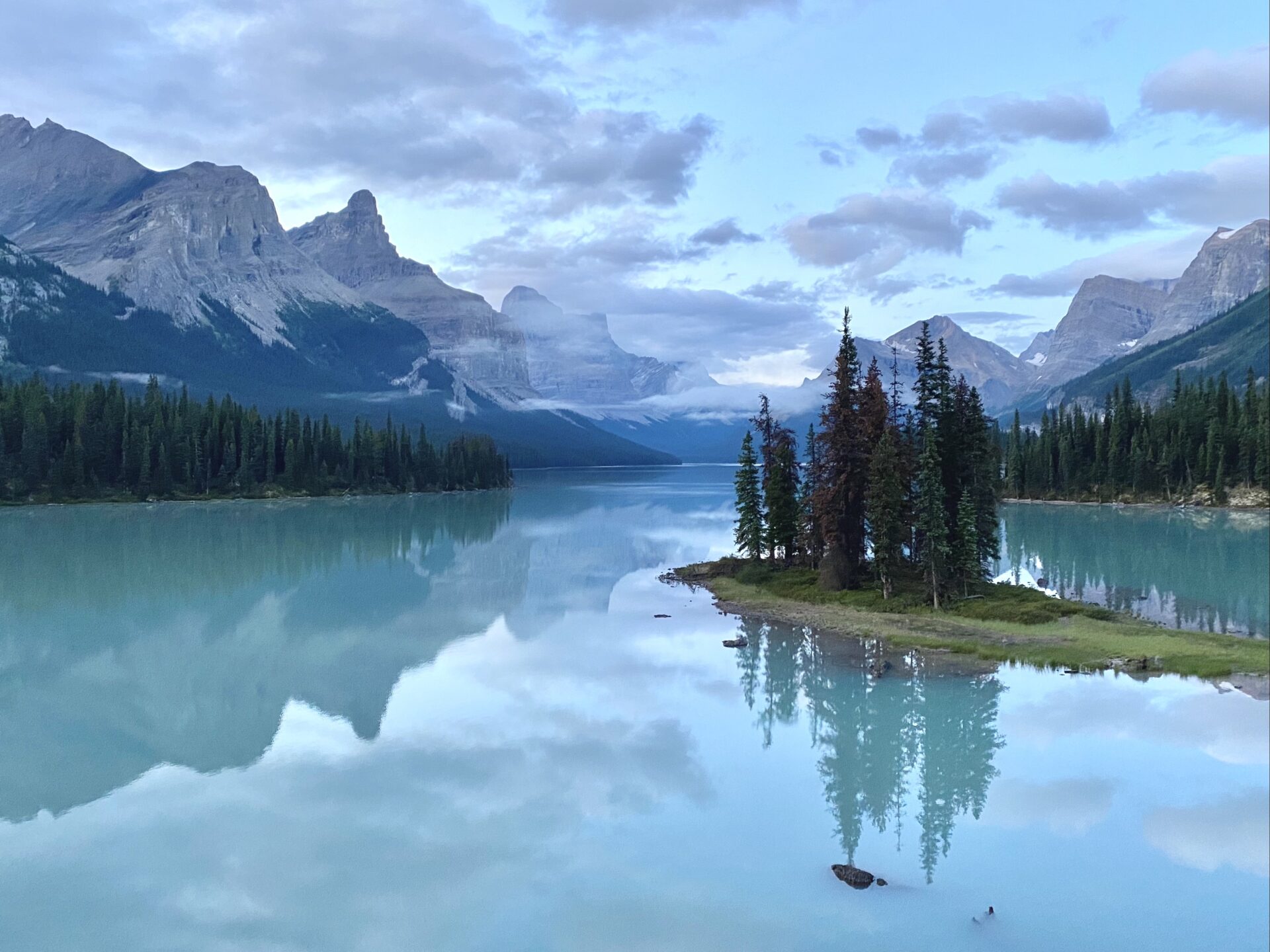
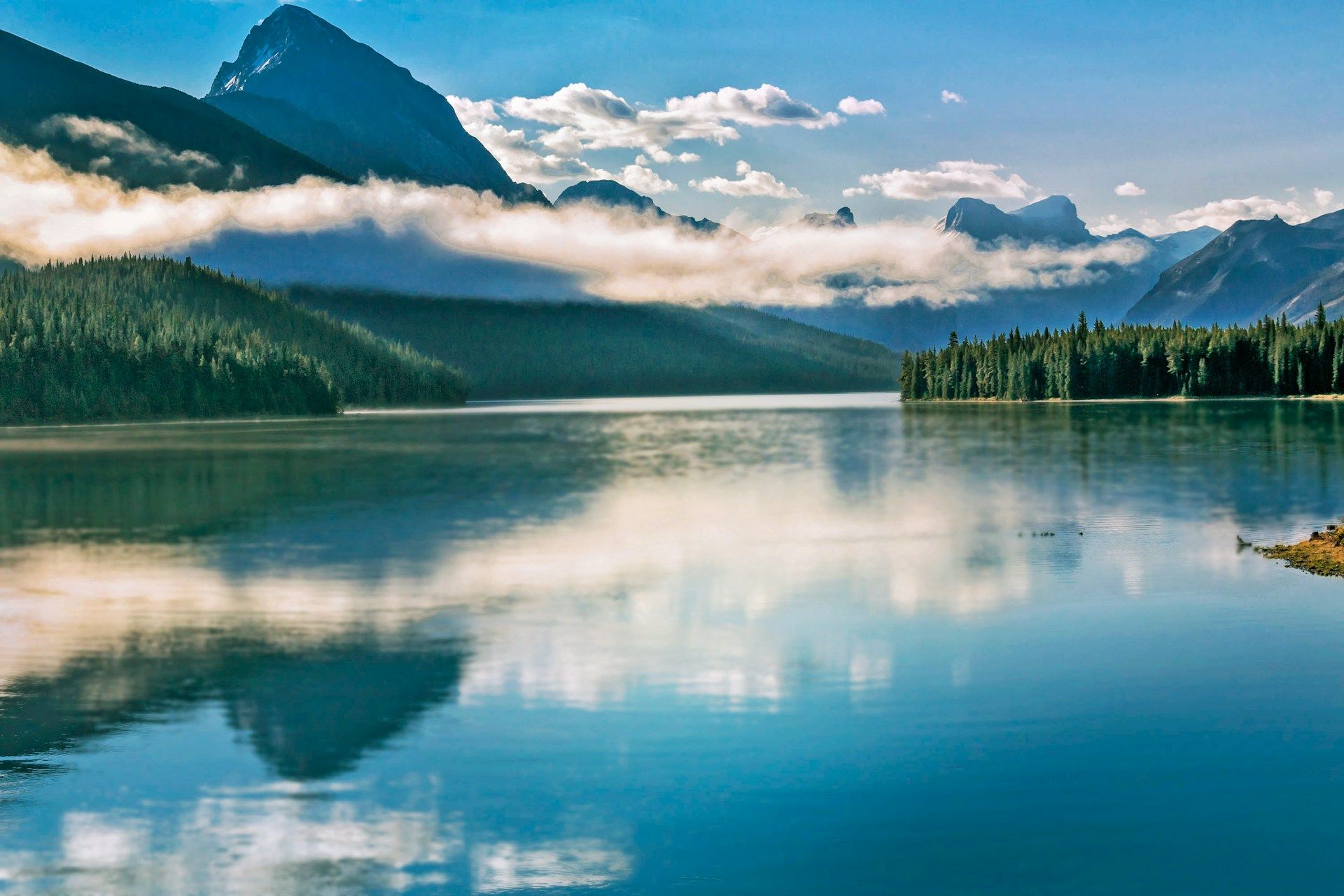
Maligne Lake is the largest natural lake in the Canadian Rockies, famous for its deep azure waters surrounded by snow-capped peaks. Located approximately 44 kilometers southeast of the Jasper townsite, the lake is best experienced via guided cruise, kayaking, or canoeing along its shores.
- Spirit Island: Situated in the middle of Maligne Lake, Spirit Island is one of the most photographed locations in Canada. It holds significant cultural importance to local Indigenous nations. Accessible via boat cruise or a multi-day paddle, the island offers breathtaking views of the surrounding Hall of Gods amphitheater.
- Pyramid Lake and Patricia Lake: Located just minutes north of the Jasper townsite at the base of Pyramid Mountain, these twin lakes offer easy access for morning kayak trips, stand-up paddleboarding, and shoreline walking. A historic wooden bridge leads across to Pyramid Lake Island, providing panoramic photography opportunities.
- Maligne Canyon: En route to Maligne Lake, the Maligne River carves through limestone bedrock to form a 50-meter-deep canyon. Visitors can traverse six footbridges spanning the narrow gorge to view churning waterfalls and natural rock formations.
- Jasper Townsite (Base Camp)
- Maligne Canyon (Deep Gorge)
- Medicine Lake (Disappearing)
- Maligne Lake & Spirit Island (Glacial Basin)
Experience Glacial Marvels: Columbia Icefield and Athabasca Glacier
Located along the southern stretch of the Icefields Parkway near the boundary between Jasper and Banff, the Columbia Icefield is the largest body of ice in the Rocky Mountains south of the Arctic Circle.
The most accessible tongue of this massive ice structure is the Athabasca Glacier. Visitors can explore this ancient icy landscape in several ways:
- Columbia Icefield Glacier Discovery Centre: Serving as the operational hub, this facility offers educational exhibits explaining glaciology, climate science, and regional geography.
- Ice Explorer Tours: Specially constructed, large-wheeled vehicles transport passengers directly onto the surface of the Athabasca Glacier, where travelers can step out onto frozen ice that originated centuries ago.
- Columbia Icefield Skywalk: A glass-floored observation platform cantilevered 280 meters above the Sunwapta Valley, offering unobstructed views of surrounding glaciers, canyon walls, and alpine ecosystems.
- Guided Glacier Walks: For a deeper connection with the physical terrain, accredited mountain guides lead foot tours across the glacier using specialized crampons and safety gear, navigating around crevasses and meltwater streams.
Marvel at Powerful Waterfalls: Athabasca Falls and Sunwapta Falls
Glacial meltwaters feed some of North America's most dynamic waterfall systems along the upper reaches of the Athabasca River basin.
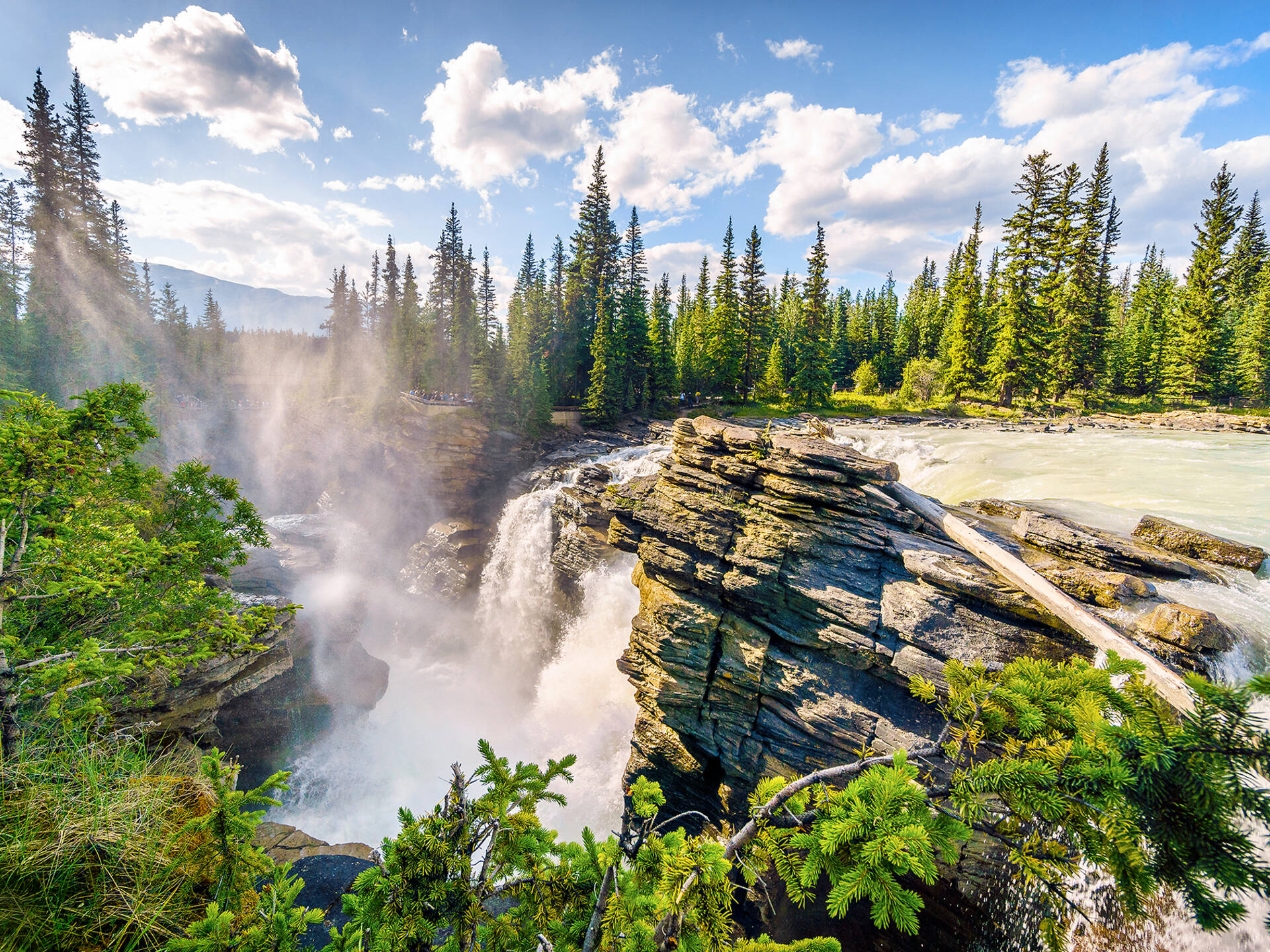
Athabasca Falls: Positioned 30 kilometers south of Jasper, Athabasca Falls drops 23 meters over a hard quartzite layer into a narrow canyon. While not the highest waterfall in Alberta, its sheer volume of water flow creates immense hydrological power. paved walkways and safely railed vantage points allow visitors to view the erosive force of the river from multiple angles.
Sunwapta Falls: Located further south along the Icefields Parkway, Sunwapta Falls features an upper drop where the Sunwapta River shifts direction abruptly around a small timbered island before plunging through a limestone gorge. A short hike leads to the lower falls, offering a quieter trail experience through dense lodgepole pine forests.
Icefields Parkway Southbound
- Athabasca Falls (23m drop over hard quartzite)
- Sunwapta Falls (River drop & lower canyon trail)
Hike Scenic Trails: Valley of the Five Lakes and Mount Edith Cavell
Jasper features hundreds of kilometers of designated hiking routes ranging from brief, paved loops to multi-day wilderness backpacking circuits.
- Valley of the Five Lakes: This popular 4.5-kilometer loop trail winds past five distinct small lakes, each exhibiting varying shades of vibrant blue and emerald green due to different depths and glacial rock flour concentrations. The moderate terrain makes it suitable for families and casual hikers.
- Mount Edith Cavell Area: Prominent for its dramatic 3,363-meter peak and the suspended Cavell Glacier, this region features the Path of the Glacier loop and the challenging Edith Cavell Meadows Trail. In mid-to-late summer, alpine wildflowers bloom across the meadows beneath the towering north face of the mountain. (Note: Check local Parks Canada trail advisories prior to travel, as access roads undergo periodic maintenance).
Take in Panoramic Views from the Jasper SkyTram
For sweeping views of the Jasper townsite, the Athabasca River Valley, and surrounding mountain ranges, the Jasper SkyTram carries visitors up the slopes of Whistlers Mountain. The flight ascends to an elevation of 2,263 meters in under eight minutes.
At the upper station, visitors can walk along boardwalks and mountain trails toward the summit of Whistlers Mountain (2,463 meters). On clear days, views extend to Mount Robson in neighboring British Columbia, the highest peak in the Canadian Rockies. The site also features an educational alpine interpretive boardwalk explaining high-altitude flora and fauna.
Essential Visitor Logistics, Fees, and Access Requirements
Visiting Jasper National Park requires careful planning regarding park access, entry permits, seasonal operations, and transportation.
Park Entry Permits
All visitors stopping inside Jasper National Park are required to hold a valid Parks Canada Discovery Pass or daily National Park Entry Pass. Passes can be purchased online through Parks Canada or directly at park entry gates along Highway 16 and Highway 93. Revenue generated from these passes directly funds conservation programs, trail maintenance, and visitor facilities.
Getting Around
- Vehicle Rental & Driving: Having a private vehicle or rental car is the most practical way to explore Jasper's spread-out points of interest. Highway 16 serves as the east-west artery, while Highway 93 (Icefields Parkway) connects south toward Banff.
- Seasonal Driving Conditions: Winter conditions can persist from October through April. Snow tires or mud-and-snow (M+S) rated tires are legally required on the Icefields Parkway between November 1 and April 1. Drivers should carry emergency supplies, keep fuel tanks full, and check road conditions on official provincial transit systems before setting out.
- Shuttles and Tours: Several private operators provide seasonal transport between main hubs, such as transfers from Banff or Edmonton, alongside commercial excursion shuttles to Maligne Lake and the Columbia Icefield.
Jasper National Park Attractions Comparison
| Attraction | Primary Activity | Accessibility Level | Recommended Duration | Best Season |
|---|---|---|---|---|
| Maligne Lake & Spirit Island | Boat Cruise / Kayaking | Fully Accessible (Cruises) | 3 – 5 Hours | June – September |
| Columbia Icefield Glacier | Ice Explorer / Guided Walk | Moderate (Requires Tours) | 2 – 4 Hours | May – October |
| Athabasca Falls | Sightseeing / Short Walk | Easy (Paved Trails) | 45 – 60 Minutes | Year-Round |
| Valley of the Five Lakes | Day Hiking | Moderate (Uneven Ground) | 2 – 3 Hours | May – October |
| Jasper SkyTram | Cable Car / Alpine Hike | Easy to Strenuous | 2 – 3 Hours | May – October |
| Pyramid & Patricia Lakes | Paddling / Stargazing | Easy (Vehicle Access) | 1 – 3 Hours | Year-Round |
| Marmot Basin | Alpine Skiing / Snowboarding | Resort Lift Access | Half to Full Day | December – April |
Seasonal Activities: Summer vs. Winter in Jasper
Jasper changes dramatically between the warm summer months and the snow-covered winter season. Selecting the ideal time to visit depends heavily on your preferred outdoor activities.
- SUMMER (June – Sept)
- Boat Cruises
- Alpine Day Hikes
- Camping & Wildlife
- Long Sunlight Hours
- WINTER (Dec – April)
- Marmot Basin Skiing
- Maligne Canyon Ice Walking
- Dark Sky Stargazing
Summer Exploration: Boating, Wildlife Spotting, and Stargazing
Summer (June through September) brings mild temperatures, blooming flora, and extended daylight hours, making it the peak season for outdoor activities.
- Wildlife Viewing: Jasper is home to robust populations of grizzly bears, black bears, elk, bighorn sheep, mountain goats, and wolves. Wildlife is frequently spotted along road corridors and open river valleys. Maintain a safe distance at all times—at least 100 meters from bears and wolves, and 30 meters from elk and sheep. Never feed or approach wildlife.
- Dark Sky Preserve: Jasper National Park is designated as a Dark Sky Preserve by the Royal Astronomical Society of Canada. Free from urban light pollution, the park offers exceptional opportunities for stargazing and astrophotography. The annual Jasper Dark Sky Festival, held each October, brings astronomers, speakers, and night-sky enthusiasts together for educational events.
Winter Adventures: Marmot Basin Skiing and Canyon Ice Walks
Winter (December through April) transforms Jasper into a quiet, snow-bound landscape ideal for winter sports fans and peaceful retreats.
- Marmot Basin Ski Resort: Located 20 minutes from the Jasper townsite, Marmot Basin offers 91 ski runs across 1,735 acres of skiable terrain, featuring high alpine bowls, groomed runs, and gladed tree skiing.
- Maligne Canyon Icewalk: During frozen winter months, guided tours allow visitors to strap on cleats and walk directly on the frozen riverbed at the bottom of Maligne Canyon. Climbers and walkers can view towering frozen ice falls, blue ice pillars, and natural ice caves up close.
- Cross-Country Skiing and Snowshoeing: Maintained winter trails at Whirlpool Winter Hub, Pyramid Lake, and Maligne Lake offer miles of cross-country tracks and snowshoeing routes through silent winter forests.
Frequently Asked Questions
What is the best month to visit Jasper National Park?
July and August offer the warmest weather, open hiking trails, and full access to seasonal attractions like boat cruises. However, September is an ideal month for visiting due to lighter crowds, comfortable daytime hiking conditions, active wildlife, and fall colors.
How many days should I plan to spend in Jasper?
A stay of 3 to 4 days allows sufficient time to cover major sites, including Maligne Lake, the Columbia Icefield, Athabasca Falls, local hiking trails, and a visit to the townsite. If you plan to tackle multi-day hikes or enjoy winter sports, extend your stay to 5 to 7 days.
Is Jasper National Park safe for bear encounters?
Yes, provided you follow Parks Canada bear safety protocols. Carry certified bear spray in an easily accessible location, hike in groups, make noise on the trail to avoid surprising wildlife, and maintain required safe viewing distances from all wild animals.
Do I need to book Jasper attractions and cruises in advance?
During peak summer months, booking popular excursions—such as the Maligne Lake Cruise, Jasper SkyTram flight, and Columbia Icefield tours—well in advance is strongly recommended to secure your preferred timeslot.
Recommended Next Steps for Your Trip
To make the most of your excursion to Jasper National Park, follow this practical trip planning sequence:
- Secure Accommodation & Passes: Reserve lodging, campsites, and your National Park Entry Pass early, especially if traveling between June and September.
- Verify Trail & Operational Status: Check official updates directly via Parks Canada for real-time alerts on trail maintenance, fire safety guidelines, and seasonal road closures along the Icefields Parkway.
- Pack Proper Gear: Prepare layered clothing suitable for rapidly changing mountain weather, sturdy hiking footwear, sun protection, and bear spray.
- Map Out Daily Routes: Group nearby activities together—such as pairing the Maligne Lake Cruise with Maligne Canyon, or combining Athabasca Falls with the Columbia Icefield—to minimize driving time and maximize your experience in the Canadian Rockies.
Image Gallery