How Much Does a Furnace and Installation Cost in 2026
The total cost to purchase and install a new furnace typically ranges from $3,500 to $9,000, though high-efficiency systems or complex ductwork modifications can push prices above $12,000. These costs fluctuate based on the heating uni...
The total cost to purchase and install a new furnace typically ranges from $3,500 to $9,000, though high-efficiency systems or complex ductwork modifications can push prices above $12,000. These costs fluctuate based on the heating unit's efficiency rating, fuel type, the size of the home, and the labor intensity required for proper integration into existing infrastructure.
Contents
Understanding the Cost Breakdown
When you receive a quote for a furnace installation, the price is not merely for the equipment itself. It represents a combination of the hardware, local permitting requirements, necessary upgrades to existing gas or electrical lines, and the expertise of licensed HVAC technicians.
The primary hardware cost is dictated by the furnace's Annual Fuel Utilization Efficiency (AFUE) rating. A standard 80% AFUE furnace is generally cheaper to purchase but costs more to operate over time, while a 95%–98% high-efficiency unit carries a higher initial price tag but significantly reduces monthly utility bills. In 2026, many regional regulations emphasize high-efficiency standards, making the higher-tier models the industry norm for new installations.
Factors Influencing Your Total Investment
Several variables beyond the base price of the unit impact the final invoice. It is critical to consult with a licensed professional to assess your specific environment before selecting a model.
Fuel Type and Existing Infrastructure
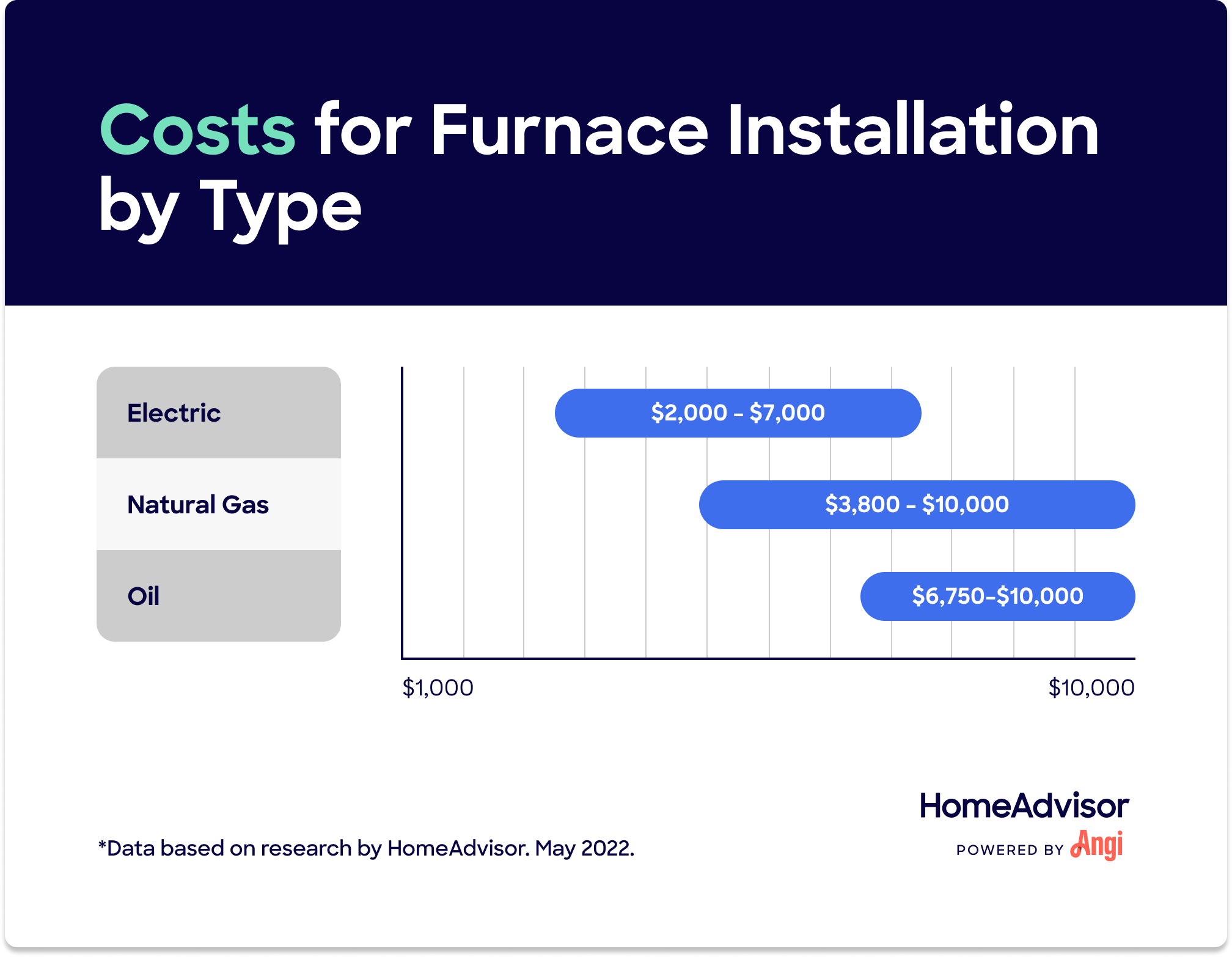
- Natural Gas: The most common residential choice. If you are replacing an existing gas furnace, costs are generally lower because the fuel line is already in place.
- Electric: These units often have a lower initial purchase price but can result in higher monthly operating costs depending on regional utility rates.
- Oil: Primarily found in older homes or regions with limited natural gas access. These units require specialized installation and a separate fuel storage tank.
Size and Capacity (BTUs)
Furnace capacity is measured in British Thermal Units (BTUs). Oversizing a furnace is a common mistake; a system that is too powerful will "short-cycle," turning on and off rapidly, which causes premature wear and uneven heating. Conversely, an undersized unit will run constantly without ever reaching the set temperature. An HVAC professional must perform a "Manual J" load calculation—a technical assessment of your home’s insulation, window surface area, and climate—to determine the correct BTU size.
Labor and Complexity
Labor accounts for roughly 30% to 50% of the total installation cost. Factors that increase labor time include:
- Ductwork Modifications: If existing vents are too small, undersized, or damaged, they will need to be repaired or replaced to ensure proper airflow.
- Permits and Inspections: Most municipalities require a permit for HVAC replacements. These fees vary by jurisdiction and include the cost of a building inspector verifying that the installation meets current safety codes.
- Location of the Unit: A furnace located in an easily accessible basement is cheaper to install than one tucked away in a cramped crawlspace or a difficult-to-reach attic.
Comparison of Furnace Costs by Type
The following table outlines the estimated investment ranges for various types of furnace systems. These figures include standard installation labor.
| Furnace Type | Average Cost Range (Installed) | Key Characteristics |
|---|---|---|
| Gas (Mid-Efficiency) | $3,500 – $6,000 | Reliable; requires venting/chimney liner |
| Gas (High-Efficiency) | $5,500 – $9,500 | Very quiet; utilizes PVC venting |
| Electric Furnace | $2,500 – $5,000 | Low maintenance; ideal for mild climates |
| Oil Furnace | $6,000 – $10,000 | Powerful; requires annual cleaning/tank |
Hidden Costs and Value Considerations
Homeowners often overlook the "incidental" costs associated with a furnace swap. If you are upgrading from an old, atmospheric-vented furnace to a modern, high-efficiency condensing model, you may need to install new PVC piping for intake and exhaust. Furthermore, if the current electrical setup is outdated, the technician might need to upgrade the breaker or wiring to meet modern electrical codes.
It is also wise to consider the cost of a new thermostat. Smart thermostats, which offer remote monitoring and learning capabilities, can optimize your furnace's runtime and provide better efficiency, though they represent an additional upfront cost of $150 to $400.
Maintenance and Lifespan
A well-maintained furnace can last 15 to 20 years. To protect your investment, factor in the cost of annual professional maintenance, which typically ranges from $100 to $200 per visit. Neglecting these checkups can lead to heat exchanger failure, a repair so expensive that it often makes more financial sense to replace the entire unit. Always verify that your installer provides a warranty that covers both parts and labor, as equipment warranties often have specific registration requirements.
Frequently Asked Questions
Can I save money by installing the furnace myself? HVAC installation involves complex gas piping, electrical work, and ventilation requirements. Installing a furnace yourself is not recommended; it often voids the manufacturer's warranty and may violate local building codes. In many states, only licensed professionals are permitted to perform these installations for safety and liability reasons.
What is the difference between single-stage and two-stage furnaces? A single-stage furnace runs at 100% capacity whenever it is on. A two-stage furnace has a lower setting for mild days and a higher setting for extreme cold. While more expensive, two-stage furnaces offer superior comfort, quieter operation, and better energy efficiency.
Does a more expensive furnace pay for itself? Generally, yes. While the initial purchase price is higher, the energy savings over the 15–20 year lifespan of a high-efficiency furnace usually offset the price difference compared to a base-model unit.
What if my ducts are leaking or disconnected? Ductwork issues can reduce your system's efficiency by up to 30%. If your technician finds significant leaks, it is highly recommended to have them sealed or repaired during the installation, even if it adds to the upfront cost, to ensure you receive the full performance you are paying for.
Are there tax credits or rebates available in 2026? Federal and state-level incentives frequently change. Check the official Database of State Incentives for Renewables & Efficiency (DSIRE) or consult with your contractor, as they are often required to stay informed about local utility rebates for high-efficiency equipment.
Recommendation
Before finalizing your decision, solicit at least three quotes from reputable, licensed local HVAC contractors. Do not automatically choose the lowest bidder; ensure each quote includes a load calculation, an itemized list of materials, and a clear warranty description. A professional who takes the time to measure your home correctly is more likely to provide an installation that lasts for two decades without persistent issues.
Image Gallery